


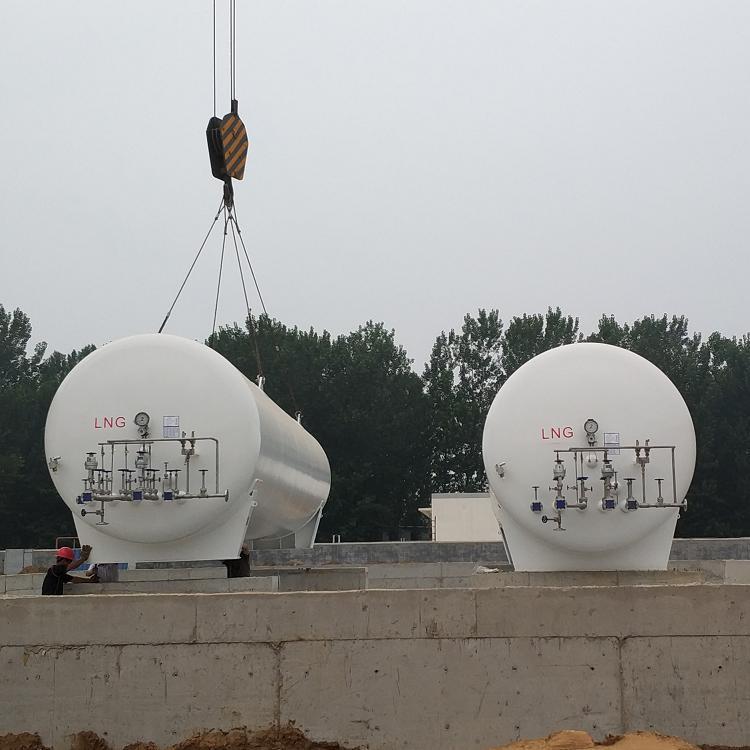
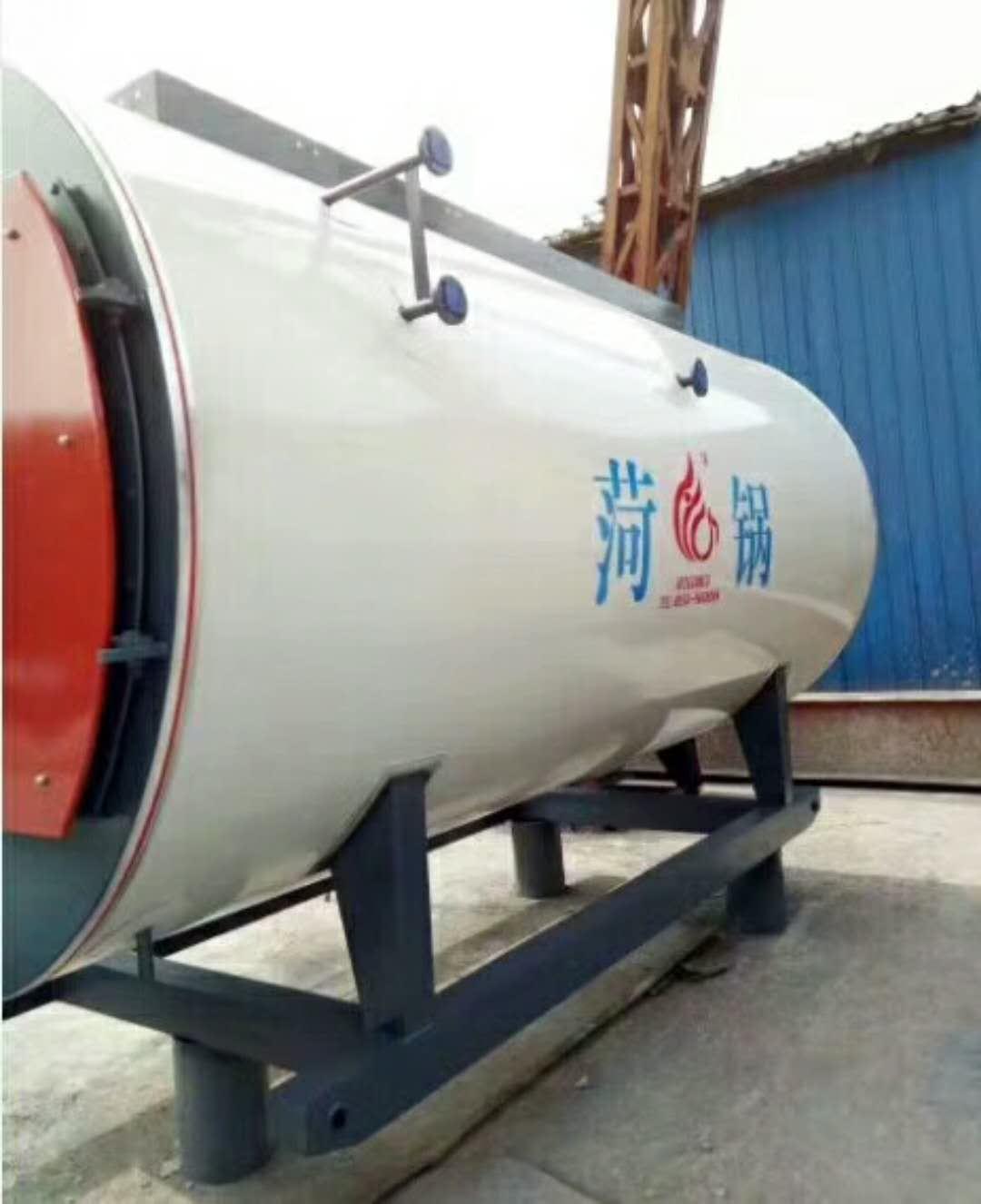
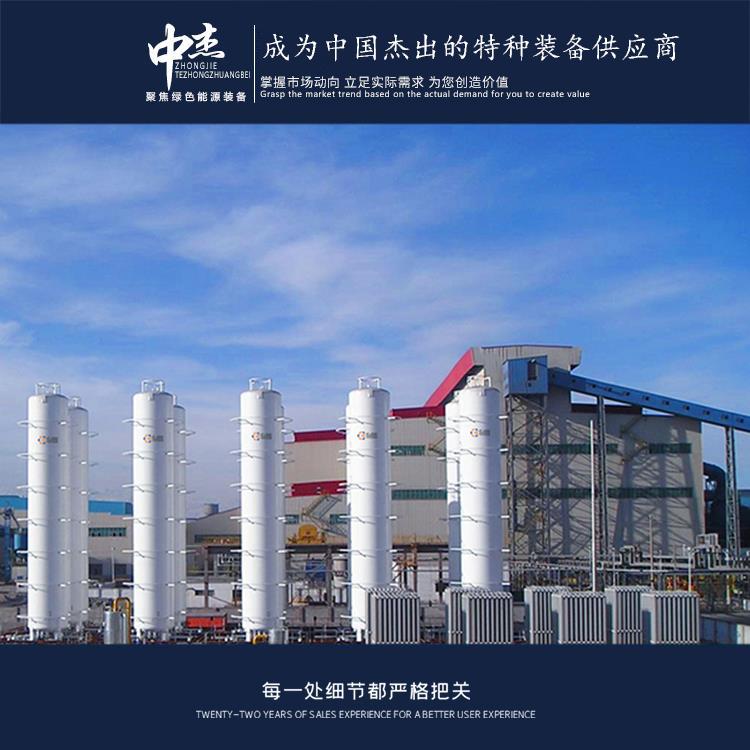
Shandong Zhongjie Special Equipment (formerly Heze Boiler Factory Co., Ltd.) holds an A-grade boiler manufacturing license, an A2-grade pressure vessel manufacturing license, an A2-grade pressure vessel design license, a B-grade boiler installation license, and GB2/Class and GC2/Class pressure pipeline installation licenses, as well as a mechanical and electrical equipment installation contracting qualification. It is a member of the China Boiler and Water Treatment Association, the China Chemical Equipment Association, and the council member of the Shandong Equipment Manufacturing Association. The company has also passed the ISO9001 Quality Management System, ISO14001 Environmental Management System, OHSAS18001 Occupational Health and Safety Management System certifications, and the American ASME/U2 certification.
Nitrogen charging of liquid nitrogen storage tanks refers to the process of injecting nitrogen gas into the tank to increase the nitrogen concentration and pressure inside, in order to meet certain safety requirements and operational objectives. Here are some precautions to consider when nitrogen charging liquid nitrogen storage tanks:
Safety Operation: Prior to performing nitrogen charging on a liquid nitrogen tank, it is essential that the operator has relevant safety knowledge and operational skills. The operator should wear appropriate personal protective equipment, such as safety goggles, gloves, and protective clothing.
Nitrogen Quality: Utilize high-purity nitrogen for inerting operations to ensure the quality and purity of the nitrogen. Low-purity nitrogen may contain impurities or oxygen, which could adversely affect the liquid nitrogen within the storage tank.
Nitrogen Inerting Speed Control: During the nitrogen inerting process, the speed of nitrogen inerting should be controlled to avoid being too fast or too slow. Too fast a nitrogen inerting speed can lead to excessive internal pressure within the tank, while too slow a speed can result in extended inerting time.
Pressure Monitoring: During the nitrogen filling process, the internal pressure of the tank should be regularly monitored. Ensure that the internal pressure of the tank remains within the safe range and adjust as necessary.
Temperature Control: During the nitrogen charging process, attention should be given to controlling the temperature of the storage tank. The low temperature of liquid nitrogen can cause condensation and dew on the storage tank and pipelines. Appropriate measures, such as heating or insulation, should be taken to prevent condensation and dew from occurring.
Post-nitrogen flushing treatment: After the nitrogen flushing operation is completed, the nitrogen flushing device should be promptly shut off, and the tank should be inspected and cleaned. Ensure that there is no residual nitrogen or impurities inside the tank.
Note: Nitrogen charging operations for liquid nitrogen tanks must strictly adhere to relevant safety standards.
The daily inspection of liquid nitrogen tanks primarily includes the following aspects:
外观 Inspection: Check for any obvious damage, deformation, or corrosion on the tank's exterior, including the tank walls, valves, pipes, and joints.
Sealability Inspection: Inspect the storage tank's sealing performance, including checking for any leaks at valve and pipeline connections, as well as verifying the proper operation of the tank's exhaust and safety valves.
Pressure Check: Verify that the tank's pressure gauge is functioning properly and that the pressure is within the normal range to ensure the tank operates correctly.
Level Check: Inspect the liquid nitrogen tank's level to ensure it's within the normal range, preventing issues caused by overfill or underfill.
Insulation Layer Inspection: Verify that the insulation of the tank is intact, with no signs of damage or detachment, to ensure effective insulation and reduce evaporation losses of liquid nitrogen.
Leakage Inspection: Check for signs of liquid nitrogen leakage around the storage tank, including frost, ice, or liquid nitrogen residue on the ground.
Safety Equipment Inspection: Check that the storage tank's safety equipment, such as leak detectors, alarm systems, and safety valves, are functioning properly to ensure the tank's safety.
Cleaning Inspection: Regularly clean the interior of the tank to remove accumulated impurities and dirt, maintaining the tank's cleanliness and hygiene.
Above are the key contents for the daily inspection of liquid nitrogen tanks. The specific inspection items should be adjusted and supplemented according to the tank's model, usage, and relevant regulations. During the inspection process, strict adherence to the operational procedures and safety operation requirements is essential to ensure the safe operation of the tank.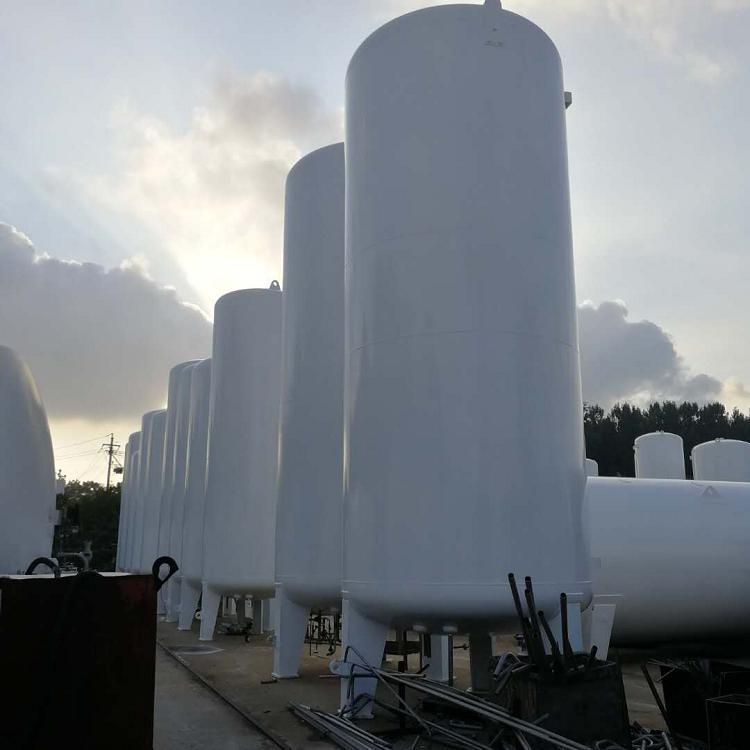
When selecting a low-temperature liquefied natural gas (LNG) storage tank, the following factors should be considered:
Storage Tank Types: Common LNG storage tank types include vertical fixed-roof tanks, spherical tanks, and horizontal tanks. Choose the appropriate tank type based on specific application requirements and site conditions.
Tank Capacity: Determine the tank capacity based on the storage requirements and estimated usage of LNG. The tank capacity should be sufficient to meet the anticipated storage period and supply demands.
Material Selection: LNG tanks are typically made of low-temperature steel or nickel alloy materials to ensure corrosion resistance and strength in low-temperature environments. Select the appropriate material based on the tank's design pressure and temperature requirements.
Safety Performance: LNG tanks should possess excellent safety features, including seismic resistance, fire resistance, and leakage control capabilities. The tanks must comply with relevant safety standards and regulations, such as API 620, EN 1473, etc.
Maintenance and Repair: Consider the maintenance and repair requirements of the tank, including internal cleaning, coating protection, corrosion prevention measures, etc. The design of the tank should facilitate maintenance and repair operations to ensure long-term reliable operation.
Environmental Impact: When selecting an LNG storage tank, consider its impact on the surrounding environment. The layout and design of the tank should comply with environmental protection requirements, minimizing noise, vibration, and gas emissions, etc.
Cost-effectiveness: Considering the investment, operational, and lifecycle costs of the tank, select a tank with a favorable cost-performance ratio.
需要注意的是,选型LNG储罐时应遵循相关的和地区的法规、标准和规范。此外,咨询的工程师或储罐制造商,以获取更详细和准确的选型建议。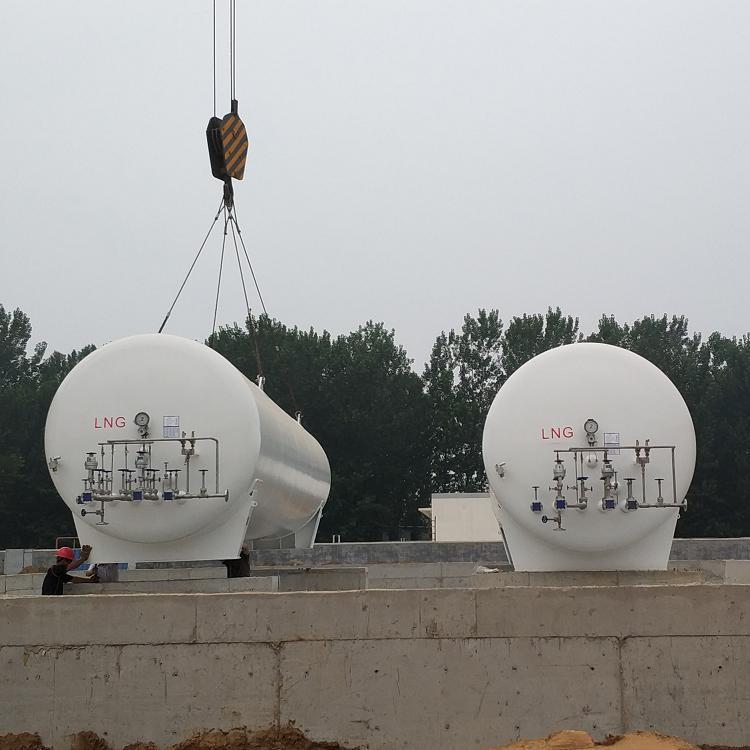
The use of liquid nitrogen storage tanks in rapid freezing technology offers several advantages:
Rapid Freezing Speed: The temperature of liquid nitrogen is low, approximately -196 degrees Celsius. Using a liquid nitrogen tank for quick freezing can rapidly lower the surface temperature of food, achieving fast freezing. Compared to traditional freezing methods, liquid nitrogen freezing can significantly reduce freezing time while preserving the quality and texture of the food.
Uniformly Frozen Effect: The liquid nitrogen rapid freezing technology achieves quick and even freezing of food. Liquid nitrogen is喷射ed onto the food surface in a gaseous form, quickly absorbing heat and turning into a liquid, thereby ensuring even freezing of the food and avoiding crystallization and lumping during the freezing process.
Maintain Food Quality: Liquid nitrogen rapid freezing rapidly cools food, reducing crystallization and caking during the freezing process, thereby preserving the quality and texture of the food. During the rapid freezing process, liquid nitrogen swiftly lowers the surface temperature of the food, forming minute freezing structures, effectively retaining the food's moisture and nutritional content.
Flexibility and Adaptability: The liquid nitrogen tank can be adjusted and controlled according to different types of food and freezing requirements. The injection speed and angle of liquid nitrogen can be adjusted based on the size, shape, and freezing needs of the food to achieve optimal freezing effects.
Environmental protection and energy-saving: Liquid nitrogen rapid freezing technology can save more energy and resources compared to traditional freezing methods. Liquid nitrogen evaporates rapidly during the freezing process, causing environmental pollution and generating waste water and gas.
Be mindful that when using liquid nitrogen tanks for rapid freezing, it is essential to adhere to the relevant safety operating procedures and guidelines. Ensure that operators are equipped with the necessary safety awareness and operational skills to prevent accidents. Additionally, consult
Zhongjie Special Equipment adheres to the grand vision of "realizing employee dreams, creating customer value, and striving for the prosperity and strength of our motherland," and is dedicated to the development of the green energy equipment industry. We commit to society with high-quality products and services at competitive prices!
Zhenjiang 5 cubic meter nitrogen storage tank - Reliable
