


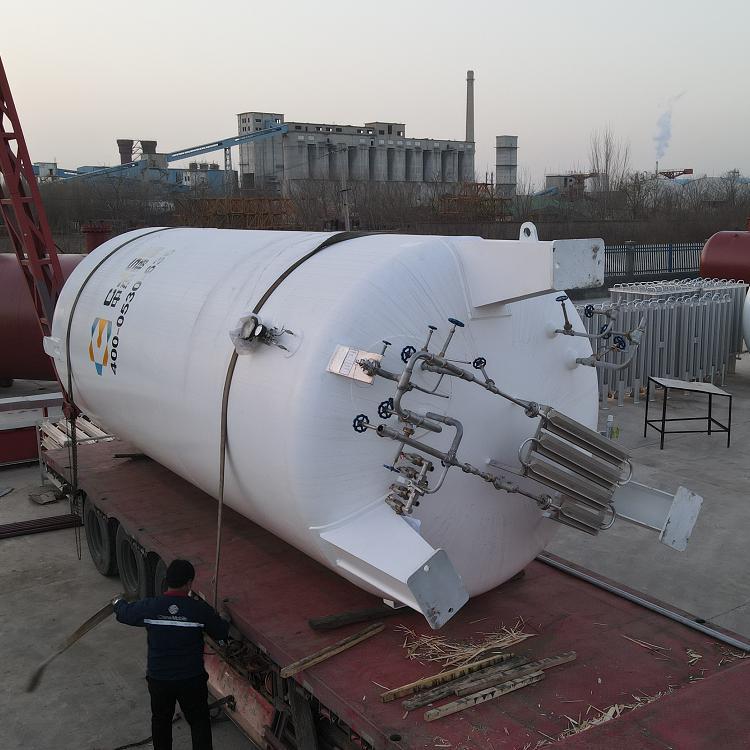
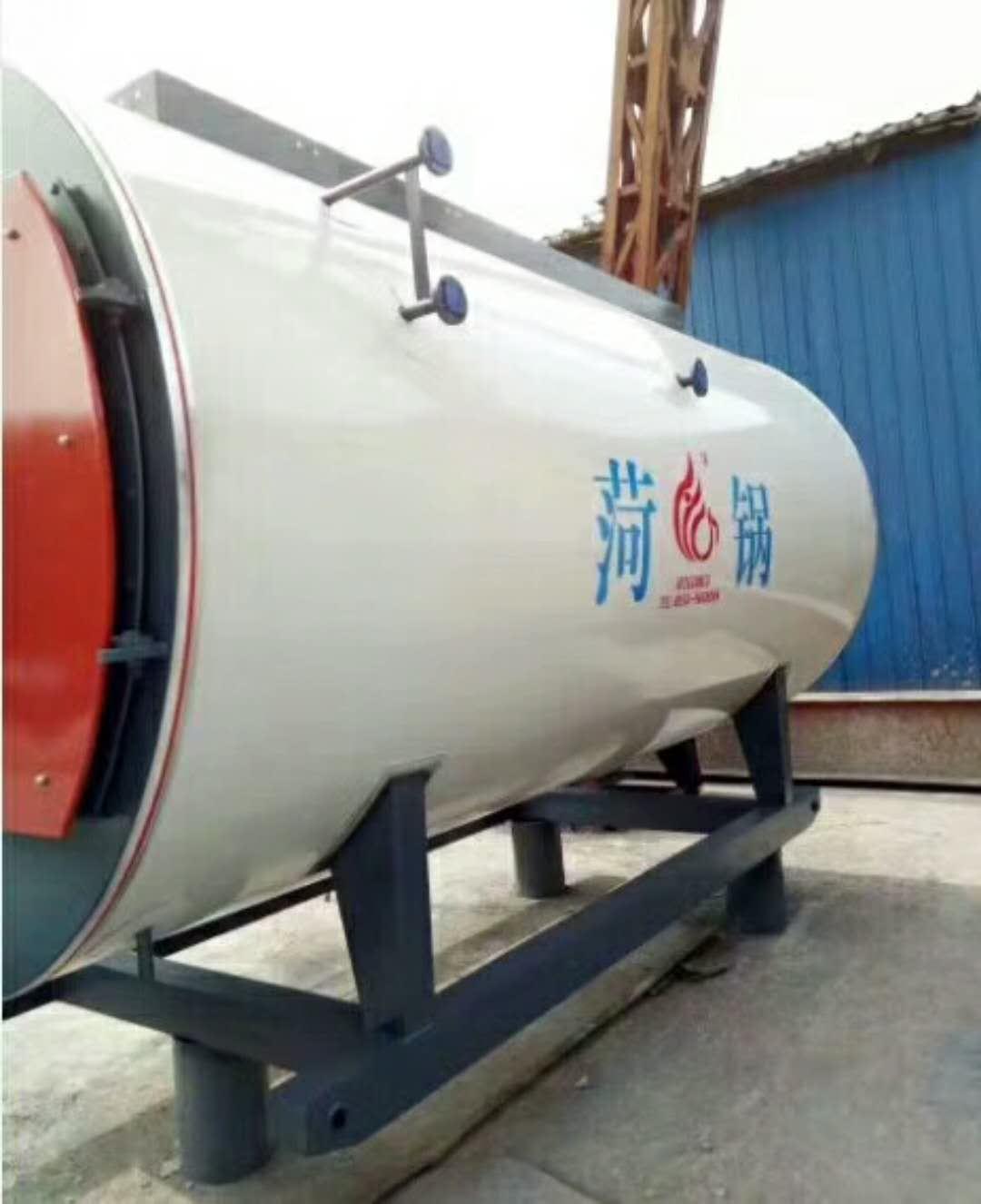

Shandong Zhongjie Special Equipment's main products include: fuel (gas) boilers, organic heat carrier boilers, biomass boilers, waste heat boilers, and other boiler products; vacuum insulation cryogenic pressure vessels such as LNG tanks, oxygen/nitrogen/argon tanks, and CO2 tanks; pressure vessel products such as denitrification engineering equipment, heat storage and energy storage equipment, and complete chemical equipment sets; central air conditioning and HVAC equipment such as ground (water) source heat pumps, air source units, water-cooled screw units, and air-cooled modular units. Planned products include large-scale energy centers, LNG transport vehicles, LNG tank containers, and other green energy equipment.
Prior to using the liquid oxygen tank, the following preparations must be made:
Safety Inspection: Ensure the tank and its surrounding environment are safe. Check for any damage, leaks, or other safety hazards on the tank. Make sure there are no flammable materials or other hazardous items in the vicinity of the tank.
Tank Preparation: Inspect the tank's exterior, including the shell, welds, valves, and fasteners. Ensure there is no visible damage or corrosion. Check that the insulation layer is intact and undamaged.
Liquid Oxygen Filling: Utilize liquid oxygen delivery equipment to fill liquid oxygen into the storage tank. Ensure that the flow rate and pressure of the liquid oxygen are controlled within the safe range during the filling process.
Pressure Control: Storage tanks should be equipped with pressure control devices to ensure internal pressure is within a safe range. Inspect and adjust the pressure control devices to ensure proper functioning.
Valve Operation: Inspect the tank's valves and fittings for proper operation. Ensure the valves open and close smoothly and reliably. Adjust the opening and closing status of the valves as required.
Safety Equipment: Inspect the safety equipment around the storage tank, such as fire separation zones and alarm systems, to ensure they are functioning properly.
Operator Training: Ensure operators are proficient in the safe operation of liquid oxygen tanks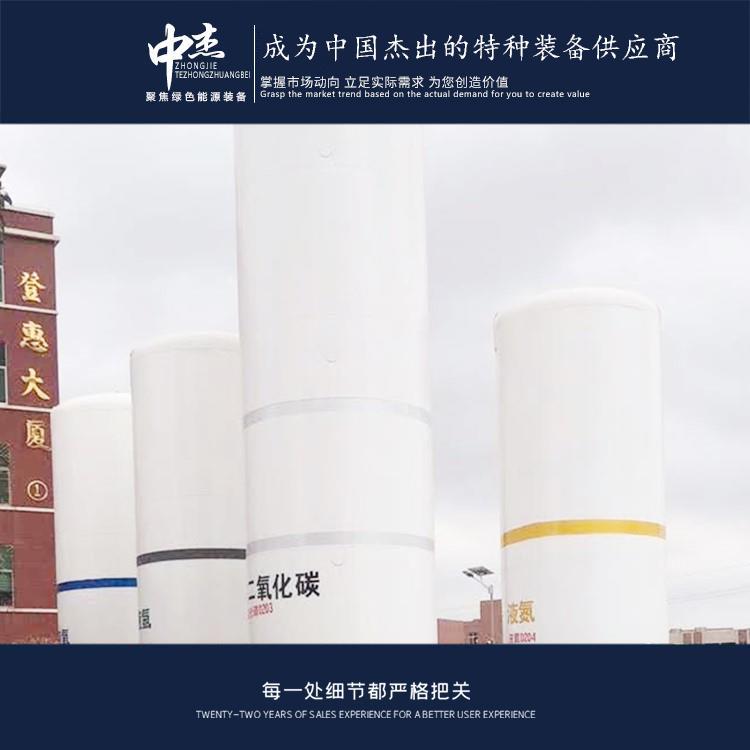
Proper installation of the liquid oxygen safety valve is a crucial step in ensuring the safe operation of the liquid oxygen tank. Here are the installation steps for the liquid oxygen safety valve:
Select the appropriate safety valve: Choose a safety valve that meets the design pressure and flow requirements of the liquid oxygen storage tank. Ensure the rated pressure and flow of the safety valve align with the tank's specifications and comply with relevant safety standards and regulations.
Valve Installation Location: Select a suitable location for the safety valve installation. Typically, the safety valve should be mounted on the top or side of the liquid oxygen tank to ensure timely pressure release in the event of overpressure.
Ready for installation interfaces: Prepare the corresponding interfaces based on the type of safety valve connection. This may include welding joints, threaded joints, or flange joints, etc. Ensure the sealing and firmness of the connections.
Install the safety valve: Mount the safety valve onto the prepared interface. Follow the installation instructions for the safety valve to ensure it is correctly connected and securely fastened.
Adjustment and Testing: After installation, adjust and test according to the requirements of the safety valve. Ensure that the opening and closing pressures of the safety valve meet the design specifications, and conduct a leakage test to ensure its sealing integrity.
Labeling and Documentation: Identify relevant information on the safety valve, such as rated pressure, flow rate, and installation date. Additionally, record the installation details and test results of the safety valve for future reference and maintenance.
When installing the liquid oxygen storage tank safety valve, it is imperative to adhere to the relevant safety regulations and operational guidelines. If you lack the necessary experience and knowledge, it is advisable to seek assistance and guidance from experts to ensure the correct installation and reliable operation of the safety valve.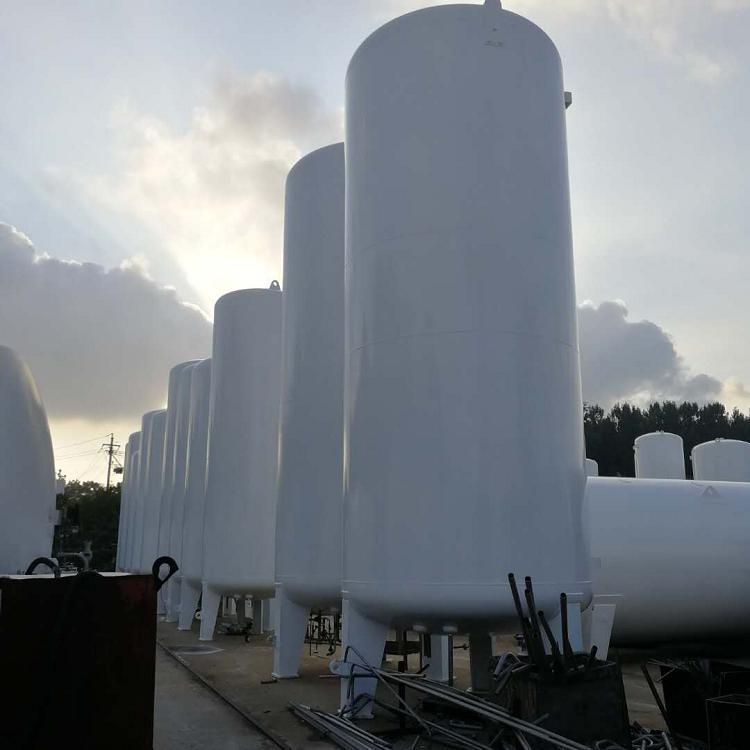
The liquid oxygen tank possesses the following characteristics:
High Purity: The liquid oxygen storage tank contains high purity liquid oxygen, typically exceeding 99.5% purity. This makes the liquid oxygen storage tank crucial in applications requiring high purity oxygen, such as medical, industrial, and research fields.
Low Temperature: As the boiling point of liquid oxygen is -183°C, liquid oxygen storage tanks must have excellent insulation properties to maintain the low temperature state of the liquid oxygen. Tanks are typically designed with double or multi-layer structures, filled with insulating material in between to reduce heat transfer and the evaporation of liquid oxygen.
High Pressure: Liquid oxygen tanks typically need to withstand high pressure to maintain their liquid state. The design and material selection of the tank must consider the pressure requirements of liquid oxygen to ensure the tank's safety and reliability.
Flammability: Liquid oxygen is highly flammable and can support combustion. Therefore, during the design and operation of liquid oxygen storage tanks, fire prevention measures must be implemented to ensure there are no ignition sources nearby and appropriate fire extinguishing equipment is available.
High Density: Liquid oxygen has a higher density, allowing liquid oxygen tanks to store more oxygen compared to gaseous oxygen. This gives liquid oxygen tanks an advantage in applications requiring large amounts of oxygen supply, such as in the field of and .
Corrosiveness: Liquid oxygen has certain...
When storing liquid nitrogen in low-temperature storage tanks, the following points should be noted:
Protective Gear: When operating low-temperature storage tanks, appropriate protective gear must be worn, including protective gloves, suits, and non-slip shoes. This gear safeguards the skin from the low temperatures of liquid nitrogen and other hazards.
Avoid direct contact: Liquid nitrogen is extremely cold and can cause frostbite. Therefore, it is essential to avoid direct contact with liquid nitrogen, especially with the skin. Use tools or instruments for handling to prevent direct hand contact with liquid nitrogen.
Ventilation Requirements: In the operational area of low-temperature storage tanks, adequate ventilation must be ensured to expel gases produced by the evaporation of liquid nitrogen. Maintain air circulation to avoid excessive oxygen concentration, reducing the risk of fire and explosion.
Prevent Leaks: Regularly inspect the low-temperature storage tanks for leaks and equip them with leak detectors and alarm systems. In case of a leak, take immediate action to control and repair it. Avoid leaks of liquid nitrogen causing harm to personnel and the environment.
Fire Prevention Measures: Liquid nitrogen has a low boiling and freezing point, which can easily cause fires. To prevent and contain fires, firewalls and fire-resistant coatings should be installed around low-temperature storage tanks.
Static protection: The accumulation of static electricity in low-temperature storage tanks may cause sparks, increasing the risk of fire. Measures such as using static-conductive materials and anti-static equipment should be taken to reduce the accumulation and release of static electricity.
Regular inspections and maintenance: Conduct regular checks on the status of low-temperature storage tanks and related equipment, including valves, pipelines, pressure gauges, etc. Ensure the equipment is in perfect condition and promptly repair or replace any damaged parts.
Waste Gas Treatment: Low-temperature storage tanks produce waste gas during operation, and appropriate waste gas treatment measures must be implemented to minimize environmental impact.
Above are the precautions to be taken when storing liquid nitrogen in a low-temperature storage tank, ensuring operational safety and the normal operation of the tank. During the operation, strictly follow the relevant operational procedures and safety requirements to avoid accidents.
Our company places great emphasis on technological innovation and R&D, boasting one municipal-level enterprise technology center in Heze City. We have established testing facilities for non-destructive testing, physical and chemical testing, welding testing, hydrostatic testing, and more. We are equipped with over 600 various instruments and equipment, including CNC machine tools, X-ray flaw detectors, digital ultrasonic flaw detectors, mechanical property testing machines, chemical analyzers, spectrometers, tensile testing machines, plasma welding machines, and others. The key products and technologies we have developed, such as welding for temperature-pressure vessels, biomass boiler emissions reduction, and waste heat utilization, have successively been included in multiple Shandong Provincial Department of Industry and Information Technology scientific and technological innovation projects, key provincial projects, and Heze City innovation and excellence projects. We have cumulatively obtained 27 authorized utility model patents, 16 authorized invention patents, participated in drafting 2 standards, 2 industry standards, and registered 15 trademarks. The technical team of our company, in collaboration with Professor Yajiang Li of Shandong University, has jointly developed deep cryogenic vessel processing technology, utilizing the international plasma arc + wire filling argon arc welding (PAW-GTAW) technology. After provincial-level scientific and technological achievement identification, the technological level has reached an international standard in the field of deep cryogenic vessel manufacturing. Choose Zhongjie Special Equipment, and let's create brilliance together!
Hengshui 5 cubic meter liquid nitrogen storage tank, manufacturer in person
