


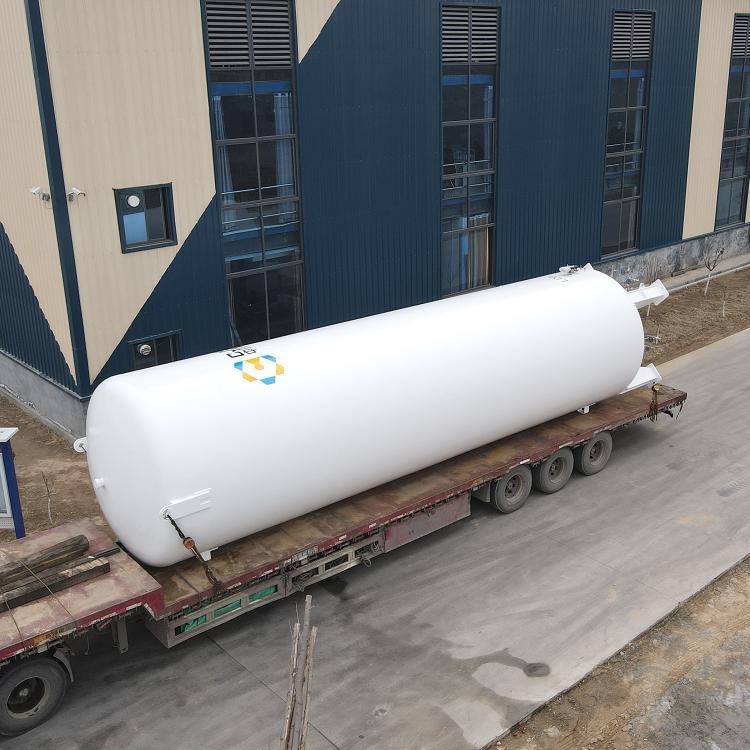
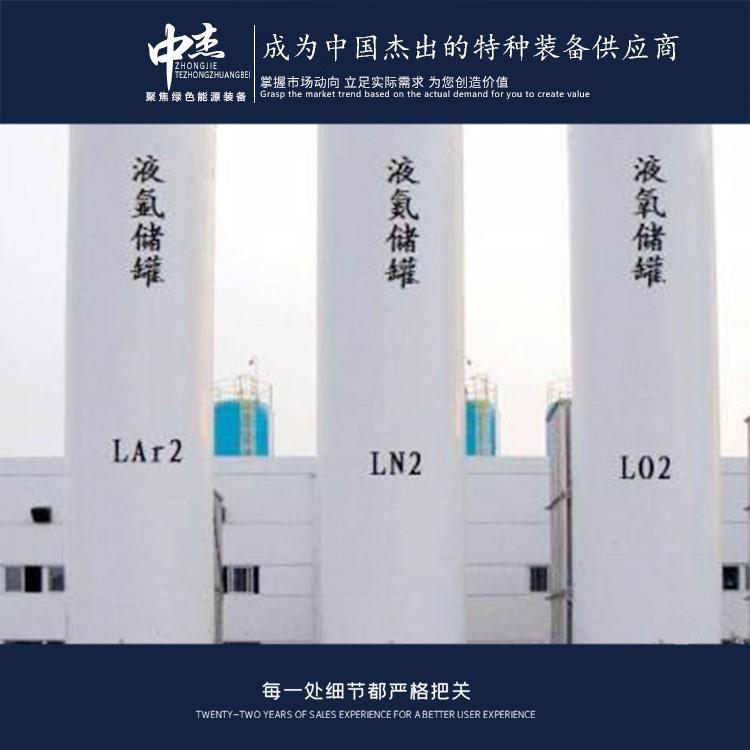
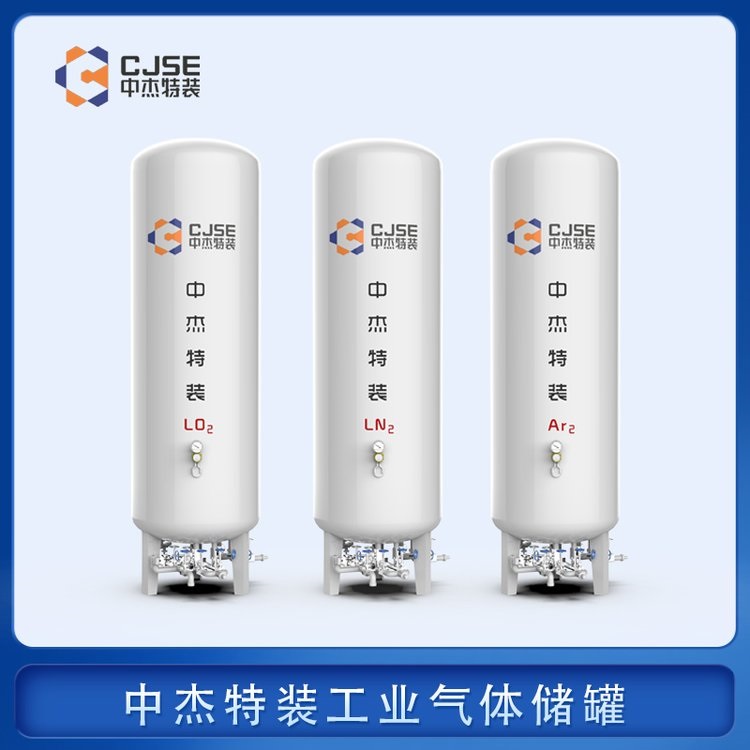
Shandong Zhongjie Special Equipment (formerly Heze Boiler Factory Co., Ltd.) was established in 2001, located at No. 2218 Jinnan Road, Economic and Technological Development Zone, Heze City. With a registered capital of 50 million yuan and total assets of 500 million yuan, the company has 7 business centers: boilers, deep-freeze containers, pressure vessels, central air conditioning, engineering installation, international trade, and Internet of Things. It has three factory sites on Jinnan Road, East Changjiang Road, and Bohai Road, covering a total of 200,000 square meters, with the main workshop area being 83,000 square meters. It currently employs 710 people, including 247 engineers and technicians, and 82 intermediate-level technical personnel. In December 2016, it was recognized as a "High-tech Enterprise" by the Science and Technology Department. In June 2021, it was identified as a "Specialized and New Enterprise in Shandong Province" by the Ministry of Industry and Information Technology. In June 2022, it was recognized as a "Gazelle Enterprise in Shandong Province" and in August 2022, as a "Specialized and New Small Giant Enterprise" by the Ministry of Industry and Information Technology.
Before using a CO2 storage tank, the following preparations must be made:
Safety Inspection: Conduct a safety check of the tank before use to ensure there are no obvious damages, corrosion, or leaks. Inspect the tank's exterior, valves, and connecting pipelines to ensure they are intact and undamaged.
Tank Cleaning: Ensure the tank is clean both internally and externally. Remove any debris, dirt, and residues to ensure no substances could affect the quality or safety of the CO2 inside.
Connecting Pipelines: Check the connections between the tank and associated pipelines to ensure they are securely fastened and sealed. Verify the valve and pipeline's on/off positions to ensure they are in the correct position.
Pressure Check: Inspect the tank's pressure to ensure it is within a safe range. If necessary, use a pressure gauge or other pressure detection equipment for the check.
Ventilation and Safety Measures: Ensure there is adequate ventilation around the tank to prevent CO2 accumulation. During operation, follow relevant safety procedures and measures, such as wearing personal protective equipment and avoiding open flames.
Tank Labeling: Label the tank with relevant information, such as the type of gas stored, pressure rating, and capacity. This aids operators in correctly identifying and handling the tank.
Note that these preparations may vary depending on the specific type of tank and usage scenario. Before using a CO2 storage tank, it is recommended to refer to the relevant safety operation manuals and guidelines to ensure safe and correct operation.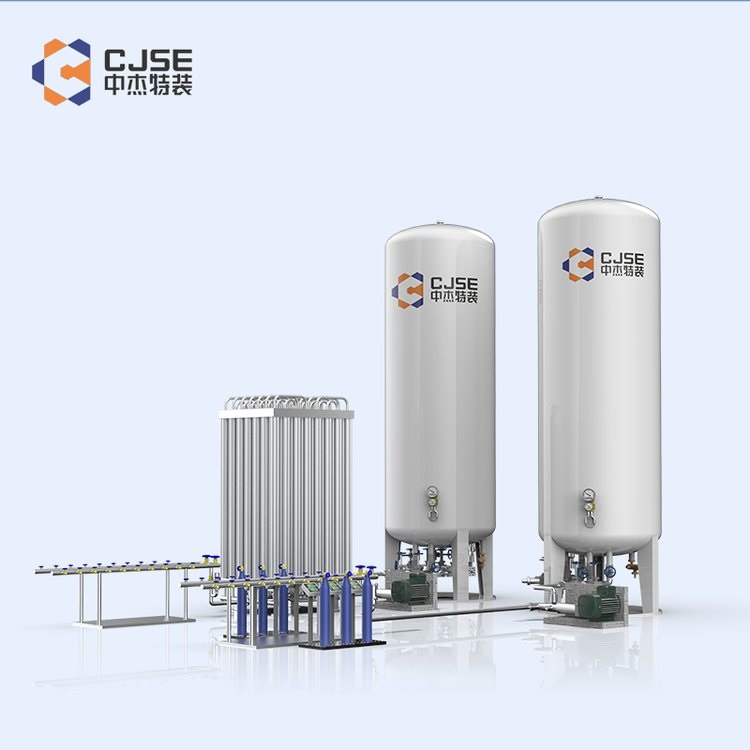
Before using a CO2 storage tank, certain inspection and filling points must be addressed. Here are some common precautions:
- Inspect the tank exterior: Check for any visible damage, corrosion, or leakage signs. Ensure the tank shell is undamaged.
- Check valves and fittings: Verify that the tank's valves and fittings are securely fastened and there are no leaks. Ensure proper operation.
- Inspect the pressure gauge: Confirm that the tank's pressure gauge is functioning correctly and readings are accurate. Replace or repair if abnormal.
- Check the level indicator: Ensure the tank's level indicator is working properly and accurately displays the level. Repair or replace if abnormal.
- Inspect the pressure relief device: Verify that the tank's pressure relief device (e.g., safety valve) is functioning correctly and set to the required pressure. Repair or replace if abnormal.
- Inspect filling equipment: Check that the filling equipment (e.g., filling pipes, pumps) is operating properly with no leaks or blockages. Ensure safety and reliability.
- Filling operation: During the filling process, note the following:
- Control the filling speed to avoid too fast or too slow.
- Control the filling pressure to prevent exceeding the tank's rated pressure.
- Monitor the level to ensure proper filling.
- Regularly inspect filling equipment and valves to ensure proper operation.
- Safety measures: Adhere to relevant safety regulations and procedures during the filling process. Operators should wear appropriate protective gear, such as static-resistant clothing, gloves, etc.
- Note that specific inspection and filling points may vary depending on the tank type and application. Before using a CO2 storage tank, inspect and operate according to relevant specifications and standards, and consult with experts to ensure safety and effectiveness.
The installation of a safety valve on a CO2 storage tank is a crucial measure to ensure the tank can safely release pressure in the event of overpressure. The following are general installation steps:
1. Selecting the Appropriate Safety Valve: Choose a suitable safety valve based on the tank's design pressure and flow requirements. Ensure the rated pressure and flow of the safety valve meet the tank's specifications.
2. Installation Location: Select a proper location for the safety valve, typically on the top or side of the tank. Ensure the safety valve can release pressure smoothly and is not obstructed by other equipment or structures.
3. Preparations: Clean the tank surface at the installation location, ensuring there are no debris or dirt. Check the tightness of the safety valve and connecting piping, ensuring there are no damages or leaks.
4. Installing the Safety Valve: Connect the safety valve to the tank using appropriate fittings and sealing materials. Follow the installation instructions for the safety valve to ensure a secure and reliable connection with the tank.
5. Adjusting and Testing: Adjust and test the safety valve according to its specifications and requirements. Ensure the safety valve operates normally within the set pressure range and can release pressure promptly.
6. Labeling and Recording: Label the safety valve and tank with relevant information, such as the rated pressure and flow of the safety valve, installation date, etc. Record the installation process and test results for future reference and maintenance.
Please note that installing a CO2 storage tank safety valve must follow relevant safety operation procedures and standards. If you do not have the necessary knowledge and experience, it is recommended to consult professionals or manufacturers for installation.
Carbon dioxide storage tanks feature the following characteristics: High-pressure Storage: These tanks are commonly used for high-pressure storage and can withstand significant pressure. The carbon dioxide inside the tank exists in a gaseous or liquid state, with pressure typically ranging from tens to hundreds of megapascals (MPa). High-Density Storage: When stored in a liquid state, carbon dioxide has a higher storage density. Compared to gaseous storage, liquid storage allows for more carbon dioxide to be stored in a relatively smaller tank, enhancing storage efficiency. Corrosiveness: Carbon dioxide is somewhat corrosive and can erode certain materials. Therefore, carbon dioxide storage tanks are usually made from corrosion-resistant materials like stainless steel or alloy steel to ensure durability and safety. Temperature Sensitivity: Carbon dioxide is gaseous at room temperature but can condense into a liquid at lower temperatures. Consequently, carbon dioxide storage tanks often require insulation to maintain low internal temperatures. Safety Protection: The tanks are equipped with safety valves and pressure relief devices to control internal pressure and temperature, ensuring the safety of the storage process. Additionally, they must have good sealing properties to prevent leaks. Wide Application: Carbon dioxide storage tanks are widely used in various industries, including food and beverage, pharmaceutical, and chemical industries. They can be used for freezing food, refrigeration equipment, and gas supply, meeting diverse industry needs. In summary, carbon dioxide storage tanks possess high-pressure storage, high-density storage, corrosiveness, temperature sensitivity, safety protection, and wide application characteristics. These features make them crucial equipment for storing and using carbon dioxide in many industries.
Zhongjie Special Equipment adheres to the grand vision of "realizing employees' dreams, creating value for customers, and striving for the prosperity and strength of our motherland," and is dedicated to the development of the green energy equipment industry. We offer society high-quality products and services with competitive pricing!
Heilongjiang Carbon Dioxide Tank Prices - Over 20 Years of Experience for Your Peace of Mind
