


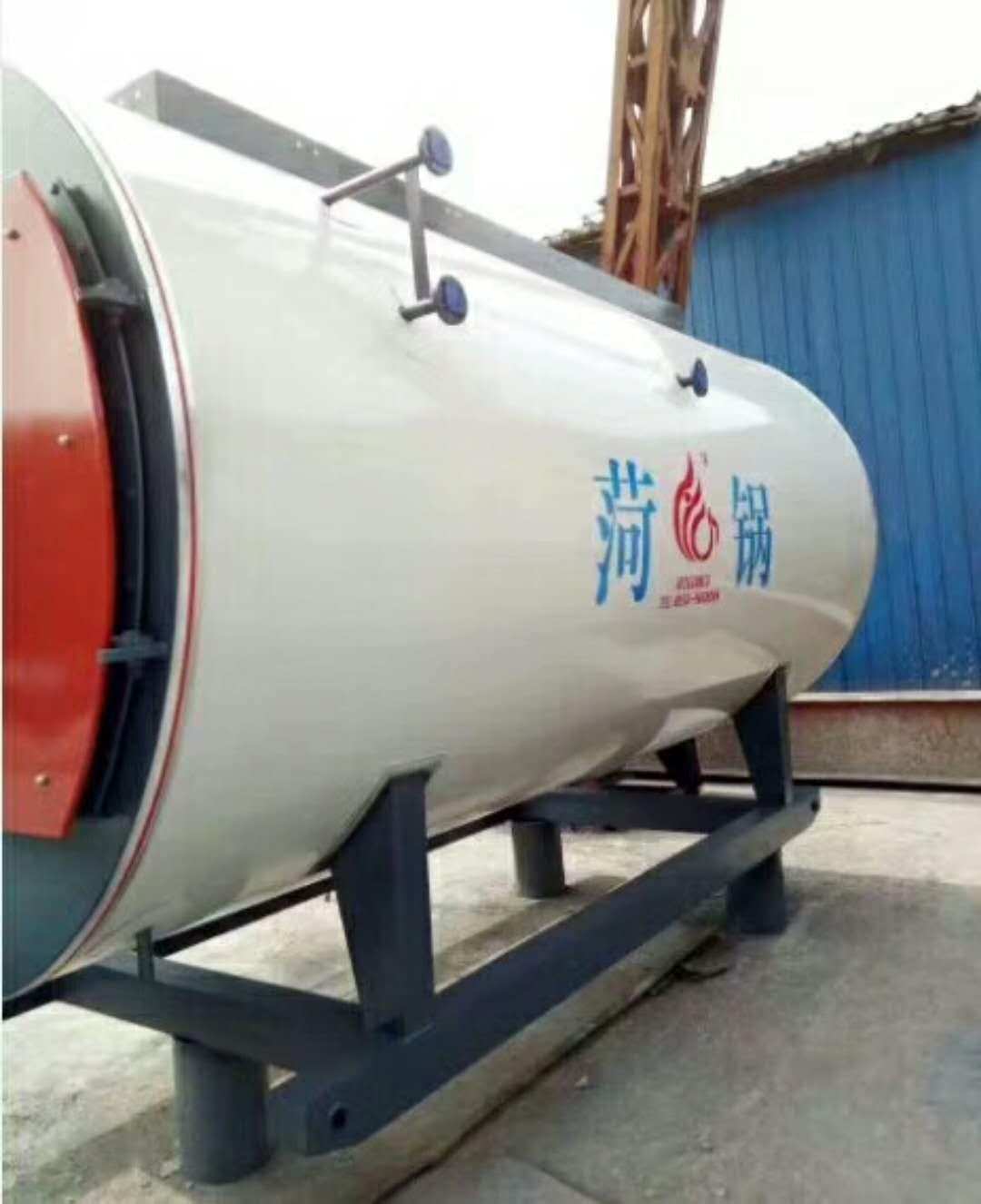
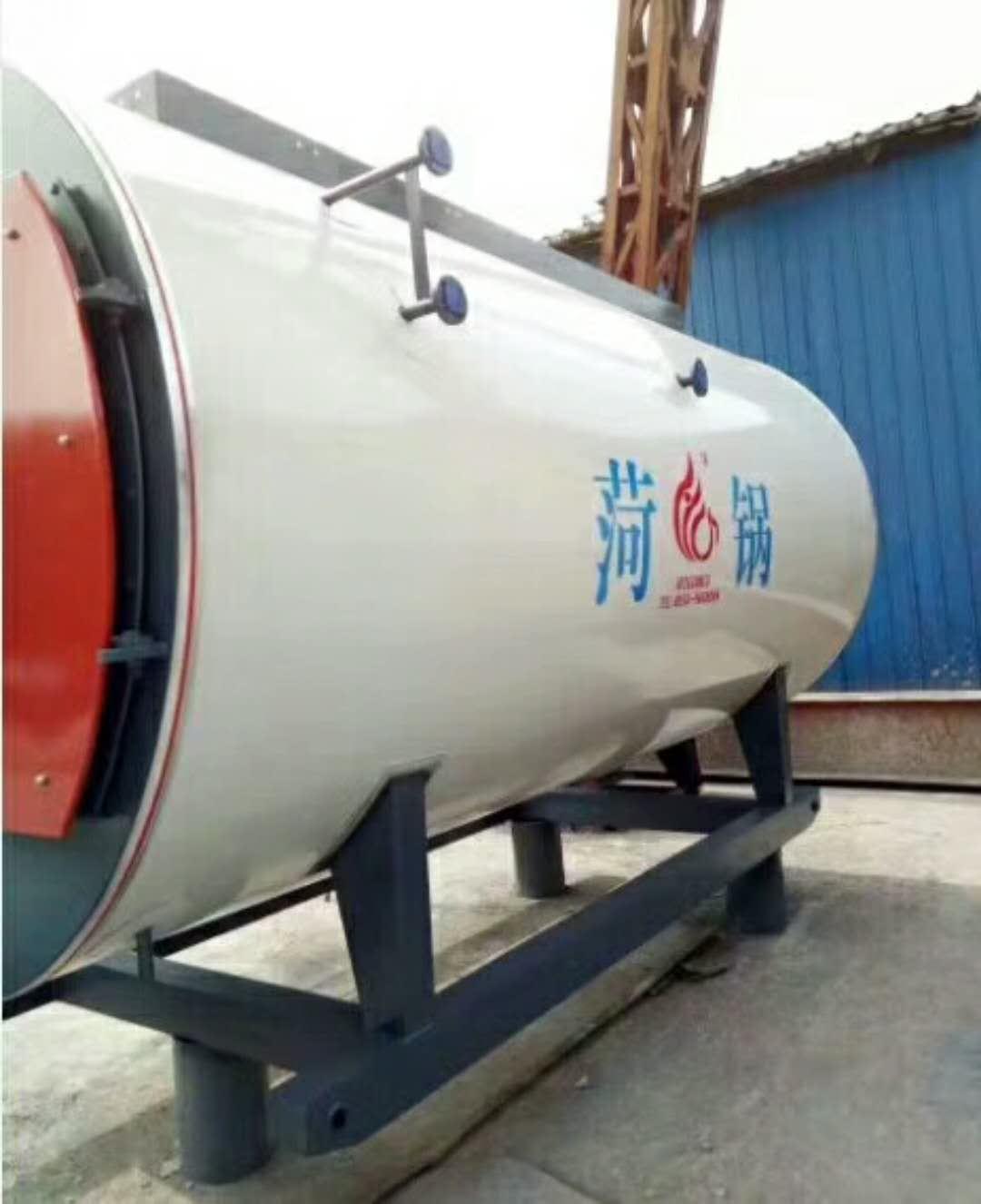
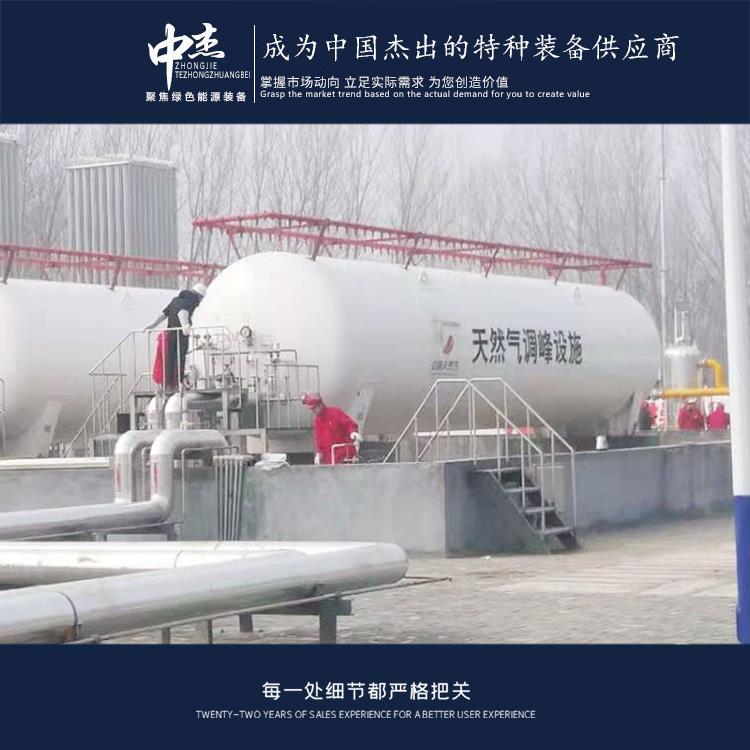
Shandong Zhongjie Special Equipment (formerly Heze Boiler Factory Co., Ltd.) was established in 2001, located at No. 2218 Jinnan Road, Development Zone, Heze City. With a registered capital of 50 million yuan and total assets of 500 million yuan, the company has seven business centers: boilers, deep-freeze containers, pressure vessels, central air conditioning, engineering installation, international trade, and the Internet of Things. It has three factory areas on Jinnan Road, East Changjiang Road, and Bohai Road, covering a total of 200,000 square meters, with the main workshop spanning 83,000 square meters. The company currently employs 710 people, including 247 engineers and technicians and 82 intermediate-level technicians. In December 2016, it was recognized as a "High-tech Enterprise" by the Science and Technology Department. In June 2021, it was identified as a "Specialized and New Enterprise in Shandong Province" by the Department of Industry and Information Technology. In June 2022, it was recognized as a "Gazelle Enterprise in Shandong Province" and in August 2022, as a "Specialized and New Small Giant Enterprise" by the Ministry of Industry and Information Technology.
The use of liquid nitrogen storage tanks in rapid freezing technology offers several advantages:
Quick Freezing Speed: Liquid nitrogen has a low temperature of about -196 degrees Celsius. Using a liquid nitrogen tank for rapid freezing can quickly reduce the surface temperature of food, achieving fast freezing. Compared to traditional freezing methods, liquid nitrogen rapid freezing can significantly shorten the freezing time while preserving the quality and texture of the food.
Uniformly Frozen Effect: The liquid nitrogen quick-freezing technology achieves rapid and even freezing of food. Liquid nitrogen is喷射ed onto the food surface in a gaseous form, quickly absorbing heat and transforming into a liquid, thereby ensuring even freezing of the food and avoiding crystallization and clumping during the freezing process.
Maintain Food Quality: Liquid nitrogen quick-freezing rapidly chills food, reducing crystallization and agglomeration during the freezing process, thereby preserving the quality and texture of the food. During the quick-freezing process, liquid nitrogen swiftly lowers the surface temperature of the food, forming minute freezing structures, effectively retaining the food's moisture and nutritional content.
Flexibility and Adaptability: Liquid nitrogen tanks can be adjusted and controlled according to different types of food and freezing requirements. The speed and angle of liquid nitrogen喷射 can be adjusted based on the size, shape, and freezing needs of the food to achieve optimal freezing results.
Environmental Protection and Energy Saving: Liquid nitrogen rapid freezing technology, compared to traditional freezing methods, can save more energy and resources. Liquid nitrogen evaporates quickly during the freezing process, causing environmental pollution and generating waste water and gas.
Note that when using liquid nitrogen tanks for rapid freezing, it is essential to follow the relevant safety operating procedures and guidelines. Ensure that operators have the necessary safety awareness and operational skills to prevent accidents. Additionally, consult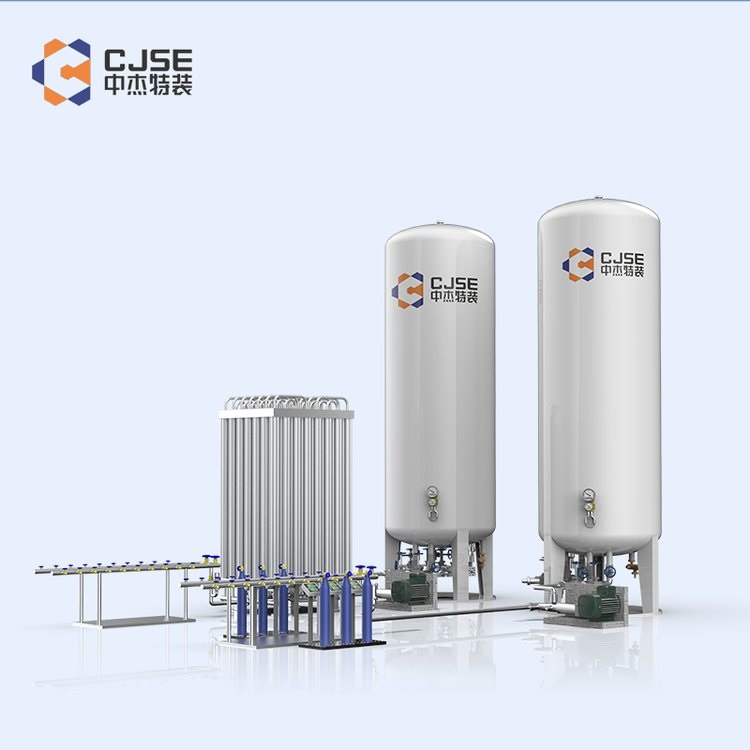
Low-temperature liquid oxygen storage tanks typically require certain safety accessories to ensure safe operation and to address potential risks. Here are some common safety accessories for low-temperature liquid oxygen storage tanks:
Pressure sensor: Used to monitor pressure changes within storage tanks. If the pressure exceeds the set range, it will trigger an alarm or automatically stop the filling process to prevent overpressure in the tank.
Safety Valve: Designed to automatically release gas when the pressure inside the storage tank exceeds the set value, preventing overpressure. The safety valve should be selected and installed based on the design pressure and capacity of the tank.
Pressure Relief Device: Used to release gas into a safe area when the pressure inside the storage tank is too high, thereby reducing the pressure on the tank. The pressure relief device typically includes relief valves, relief pipes, etc.
Level sensor: Used to monitor the level change of liquid oxygen inside storage tanks, ensuring sufficient liquid oxygen and preventing overfilling.
Temperature Sensor: Used to monitor temperature changes within storage tanks to ensure the temperature of liquid oxygen inside remains within a safe range.
Fire Detection and Fire Extinguishing Systems: Designed to monitor fire risks around storage tanks and activate fire extinguishing systems as needed, to prevent the spread of fire to surrounding areas.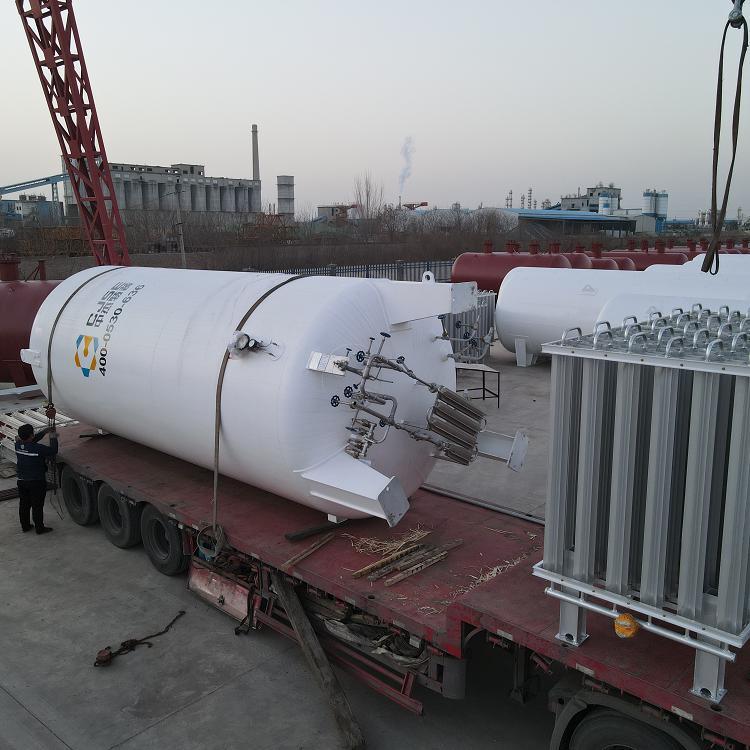
In the welding process of low-temperature liquid storage tanks, controlling the occurrence of welding cracks is crucial. The following are some methods and measures for controlling welding cracks:
Appropriate Welding Techniques: Select the appropriate welding process and parameters to minimize welding heat input and thermal stress. Employ low heat input welding methods, such as pulse welding, laser welding, etc., to reduce the temperature gradient and residual stress in the heat-affected zone.
Preheating and post-heat treatment: Perform proper preheating before welding to enhance material toughness and reduce thermal stress. After welding, carry out appropriate post-heat treatment, such as annealing or stress-relieving heat treatment, to minimize residual stress and improve the toughness of the weld.
Select the appropriate welding material: Choose welding materials with good toughness and crack resistance to minimize the occurrence of welding cracks. Select suitable welding materials based on the storage tank's operating conditions and requirements, such as low-alloy steel, stainless steel, etc.
Control Welding Process: Regulate parameters and operations during the welding process to minimize the risk of welding cracks. Pay attention to factors such as welding speed, current, voltage, and welding sequence to avoid overheating or rapid welding, reducing the accumulation of thermal and residual stresses.
Non-destructive Inspection and Evaluation: Conduct non-destructive tests on weld seams, such as ultrasonic testing and radiographic testing, after welding to assess the quality of the weld and the presence of cracks. Promptly detect and repair weld cracks to ensure the integrity and safety of the weld joints.
It's important to note that controlling welding cracks is a complex process requiring a comprehensive consideration of factors such as material, welding techniques, and operations. When welding low-temperature liquid storage tanks, it's advisable to consult with a welding engineer or relevant institutions for guidance to ensure welding quality and the safety of the tank.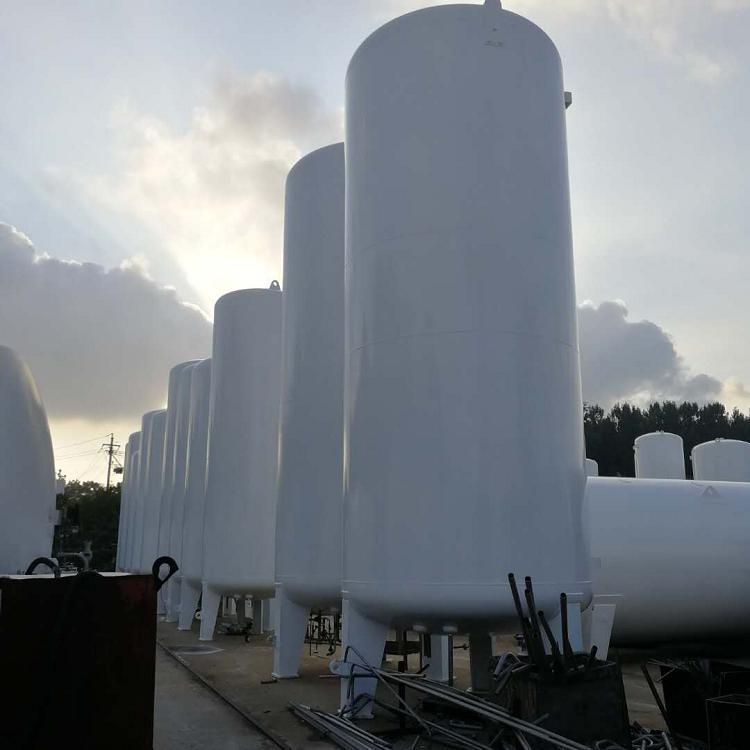
The liquid nitrogen tank boasts the following features during the construction process:
Low-Temperature Construction: Construction of liquid nitrogen tanks must be carried out in low-temperature environments due to the low boiling point of liquid nitrogen, approximately -196 degrees Celsius. Construction personnel must take appropriate protective measures, such as wearing insulated clothing and gloves, to protect themselves from low-temperature injuries.
Welding Technology: Extensive welding is required during the manufacturing process of liquid nitrogen tanks, including the connection of the tank walls, bottom, top, and seams. Welding technology is crucial for the quality and safety of the tank, necessitating the use of appropriate welding methods and materials to ensure the strength and sealing of the welds.
Insulation Layer Installation: Liquid nitrogen tanks must have excellent insulation properties to minimize heat conduction and retain low temperatures. The installation of the insulation layer requires materials such as polyester foam and glass wool, ensuring the thickness and quality of the insulation layer.
Proper installation steps for liquid nitrogen tanks are as follows:
Site Preparation: Select an appropriate site for tank installation, ensuring it is level, sturdy, and capable of supporting adequate weight. The site should be located away from flammable, explosive materials, and other hazards.
Basic Construction: Construction of the foundation based on the tank's dimensions and weight, including excavation of the foundation pit and pouring of concrete foundation. The design and construction of the foundation should comply with relevant standards and specifications.
Tanks Installation: Transport the tank to the site and perform vertical installation. Appropriate lifting equipment and safety measures are required during the installation process to ensure the tank's stability and safety.
Pipe connections: Connect the storage tank to the relevant pipeline system as required, including intake pipes, exhaust pipes, and liquid supply pipes, etc. Sealing and testing must be performed during the connection process to ensure the safety of the pipes.
Zhongjie Special Equipment upholds the grand vision of "realizing employees' dreams, creating value for customers, and striving for the prosperity and strength of our motherland," focusing solely on the development of green energy equipment. We dedicate products and services with high cost-performance to the society!
昌都液氩储罐 生产厂家
