


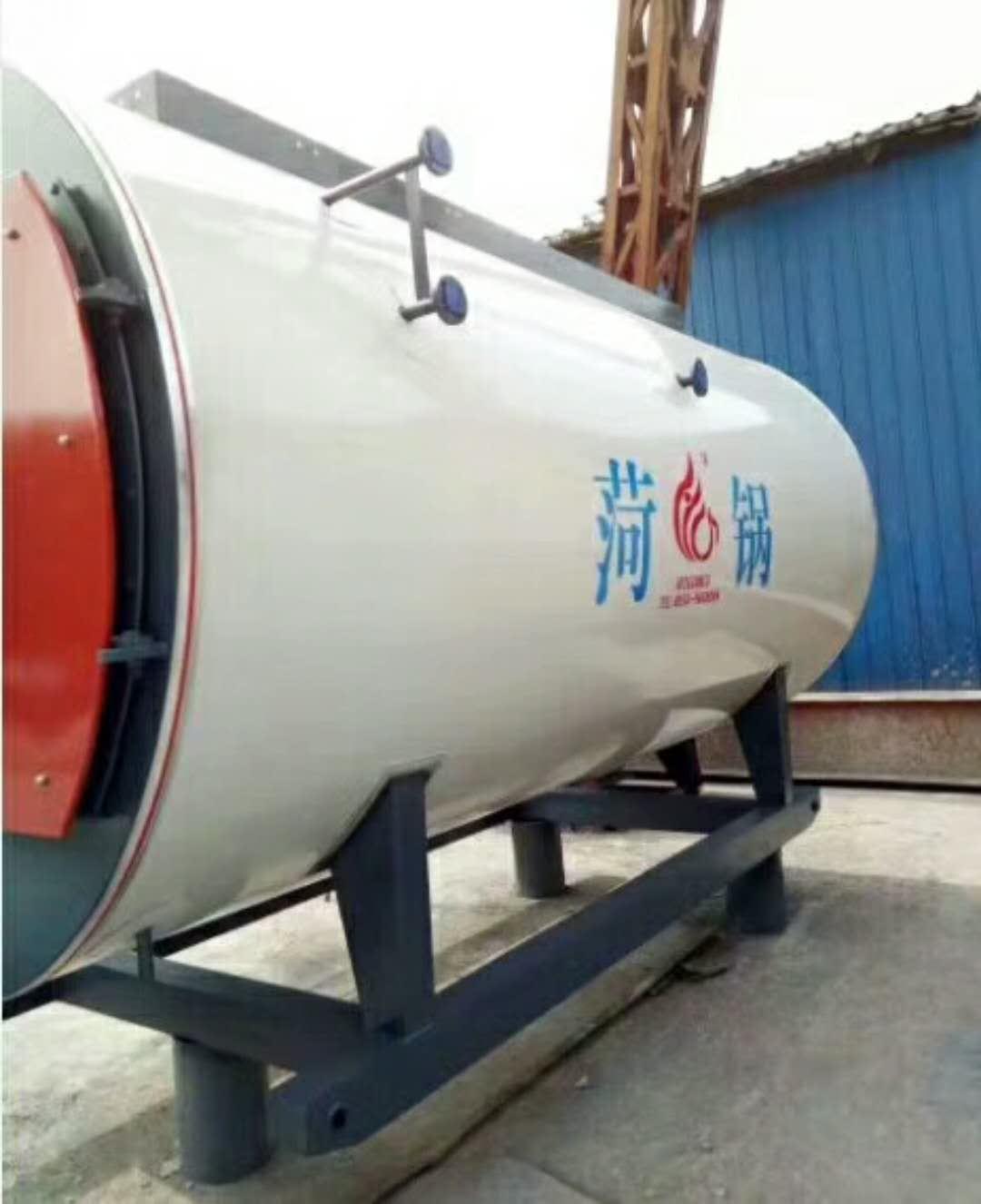

Shandong Zhongjie Special Equipment's main products include: fuel (gas) boilers, organic heat carrier boilers, biomass boilers, waste heat recovery boilers, and other boiler products; vacuum insulation cryogenic pressure vessels such as LNG tanks, oxygen/nitrogen/argon tanks, and CO2 tanks; pressure vessel products such as denitrification engineering equipment, heat storage and energy storage equipment, and complete chemical equipment; central air conditioning and ventilation equipment such as ground (water) source heat pumps, air source units, water-cooled screw units, and air-cooled modular units. Planned products include large-scale energy centers, LNG transport vehicles, LNG tank containers, and other green energy equipment.
To prevent the explosion of liquid oxygen storage tanks, the following measures can be taken:
Regular inspections and maintenance: Conduct regular inspections and maintenance on liquid oxygen tanks, including checking the tank's appearance, welds, valves, and fittings, to ensure they are intact and undamaged. Regularly clean the tank to remove any impurities and dirt adhering to its surface.
Pressure Control: Storage tanks should be equipped with pressure control devices to ensure internal pressure remains within safe limits. Regularly inspect and adjust the pressure control devices to ensure proper operation.
Temperature Control: The liquid oxygen tank should be maintained within an appropriate temperature range to prevent excessive heat from causing pressure increase. Ensure the insulation layer of the tank is intact to minimize heat conduction and loss.
Fire Prevention Measures: Liquid oxygen has a high oxygen content and flammability, so strict fire prevention measures must be taken. A fire-resistant buffer zone should be established around the storage tank, and smoking and open flames are prohibited. Ensure that the storage tank maintains a certain distance from other facilities for fire prevention.
Pressure relief devices and safety valves: Liquid oxygen storage tanks should be equipped with pressure relief devices and safety valves to prevent overpressure and sudden pressure increases. Regularly inspect and test the operational status of the pressure relief devices and safety valves to ensure proper functioning.
Tank Operation Standards: Adhere strictly to the operational specifications and safety requirements for liquid oxygen tanks. Operators must be trained and familiar with the tank's characteristics and operating techniques. Avoid operational errors and violations.
Emergency Preparedness: Establish emergency response plans and conduct drills to address potential accidents. Train operators in emergency response capabilities to ensure timely and effective actions.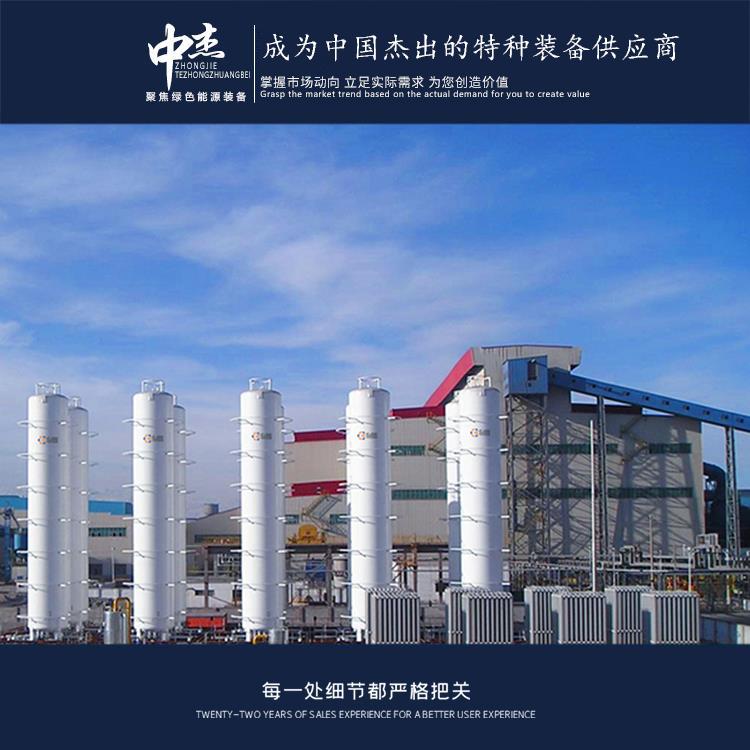
In pressure vessel design, several common "thickness" parameters need to be considered:
Wall Thickness: Refers to the actual thickness of the pressure vessel wall. The selection of wall thickness must consider factors such as the design pressure, material strength, and corrosion resistance to ensure the vessel's strength and safety.
Bend Allowance: The bend allowance refers to the additional thickness added to the wall thickness during the manufacturing process to ensure the strength and shape of the container's bending sections. The calculation and selection of the bend allowance must consider factors such as the container's bending radius and the material's bendability.
Corrosion Allowance: The corrosion allowance refers to the additional thickness added to the wall to counteract the corrosive effects on either the interior or exterior of the container. The selection of corrosion allowance must consider the working environment of the container and the corrosive properties of the medium to ensure that the container can resist corrosion throughout its service life.
These "thickness" parameters play a crucial role in pressure vessel design, affecting the container's strength, corrosion resistance, and safety. During the design process, it is necessary to select and calculate these thickness parameters rationally, based on relevant standards and specifications, in conjunction with the container's usage conditions and requirements, to ensure that the design and manufacturing meet the requirements.
Low-temperature storage tanks possess several advantages:
Storage: Low-temperature storage tanks can store liquefied low-temperature substances (such as liquid nitrogen, liquid oxygen, etc.) at low temperatures, maintaining their liquid state. Compared to gas storage, liquid storage significantly increases storage density and saves space.
Long-Term Storage: Low-temperature storage tanks are designed for long-term storage of低温 materials, extending their service life. By controlling the temperature within the tank and the performance of the insulation layer, the evaporation and oxidation of the liquid material can be slowed down, maintaining its stability and purity.
Safety: The low-temperature storage tank boasts excellent safety features. The tank is constructed with special materials and design, capable of withstanding low temperatures and high pressure environments. Additionally, the tank is equipped with safety devices, such as pressure relief valves and level alarms, ensuring safe operation and use.
Wide Range of Applications: Low-temperature storage tanks are extensively used in various fields. They can be used for storing liquid oxygen and providing oxygen supply; in industrial applications, they are suitable for storing liquefied natural gas (LNG) and other process gases like liquid nitrogen; in scientific research, they are used for storing low-temperature experimental samples.
Environmental Protection & Energy Efficiency: Low-temperature storage tanks enable effective storage and utilization of low-temperature materials, reducing energy waste and environmental pollution. During the storage and transportation of liquid substances, energy loss is minimized, leading to improved energy utilization efficiency.
In summary, low-temperature storage tanks offer advantages such as storage, long-term storage, safety, multi-industry applications, and environmental protection and energy-saving. This makes low-temperature storage tanks a crucial equipment for storing and supplying low-temperature materials, playing a significant role in various fields.
The oxygen filling process for liquid oxygen tanks must adhere to specific operational procedures and safety measures. Here are the steps for filling a liquid oxygen tank:
Preparation: Ensure the tanks and oxygen-filling equipment are in good working order, check the tank's seal integrity and the proper functioning of the safety valves.
Connect Equipment: Link the aeration equipment to the storage tank, ensuring a secure and sealed connection.
Prepare liquid oxygen: Transfer the liquid oxygen from the storage container to the oxygen storage tank of the oxygen-filling equipment. During the transfer, be cautious to avoid any leakage of liquid oxygen or contact with it.
Oxygen Filling Operation: Open the valve of the oxygen filling equipment and fill liquid oxygen into the storage tank from the oxygen storage tank. During the filling process, control the oxygen filling speed and pressure to avoid excessive pressure and temperature rise in the tank.
Monitoring and Control: During the aeration process, the tank's pressure and temperature must be monitored to ensure they remain within safe limits. In the event of any anomalies, the aeration should be halted immediately and appropriate actions taken.
Oxygen Filling Completed: Close the valve of the oxygen filling equipment and stop the filling operation once the tank reaches the required oxygen level or pressure.
Safety Handling: After the oxygenation is complete, safety handling is required, including closing relevant valves and draining any remaining liquid oxygen from the oxygenation equipment.
Note that liquid oxygen is highly oxidizing and flammable. The oxygen filling process must strictly adhere to relevant safety operation procedures and standards. Operators should receive training and strictly follow the operational procedures and safety measures to ensure the safety and reliability of the oxygen filling process.
Our company attaches great importance to technological innovation and R&D design. We have 1 municipal-level enterprise technology center in Heze City, with testing facilities for non-destructive testing, physical and chemical testing, welding testing, hydrostatic testing, etc. We are equipped with over 600 various instruments and equipment, including CNC machine tools, X-ray flaw detectors, digital ultrasonic flaw detectors, mechanical property testing machines, chemical analyzers, spectrometers, tensile testing machines, plasma welding machines, and more. The key products and technologies we have developed, such as temperature and pressure vessel welding, biomass boiler emission reduction, and waste heat utilization, have successively been selected for multiple Shandong Provincial Department of Industry and Information Technology science and technology innovation projects, Shandong Provincial key projects, and Heze City innovation and excellence projects. We have cumulatively obtained 27 authorized utility models, 16 authorized inventions, participated in drafting 2 standards, 2 industry standards, and registered 15 trademarks. The technical team of our company, in collaboration with Professor Yajiang Li of Shandong University, has developed deep cryogenic container processing technology using the internationally recognized plasma arc + filler wire tungsten inert gas arc welding (PAW-GTAW) technology. After provincial-level scientific and technological achievement appraisal, the technological level has reached international standards in the field of deep cryogenic container manufacturing. Choose Zhongjie Special Equipment, and let's create brilliance together!
Jiangxi 5 cubic oxygen storage tank - Trustworthy
