



Shandong Zhongjie Special Equipment (formerly Heze Boiler Factory Co., Ltd.) was established in 2001, located at No. 2218 Jinnan Road, Development Zone, Heze City, with a registered capital of 50 million yuan and total assets of 500 million yuan. The company has 7 business centers: boilers, deep-freezing containers, pressure vessels, central air conditioning, engineering installation, international trade, and Internet of Things. It has three factory sites on Jinnan Road, East Changjiang Road, and Bohai Road, covering a total of 200,000 square meters, with the main workshop area being 83,000 square meters. It currently employs 710 people, including 247 engineers and technicians and 82 intermediate-level technicians. In December 2016, it was recognized as a "High-tech Enterprise" by the Science and Technology Department. In June 2021, it was identified as a "Specialized and New Enterprise in Shandong Province" by the Ministry of Industry and Information Technology. In June 2022, it was recognized as a "Gazelle Enterprise in Shandong Province" and in August 2022, it was identified as a "Specialized and New Small Giant Enterprise" by the Ministry of Industry and Information Technology.
To enhance the thermal efficiency of biomass boilers, consider the following aspects:
Optimize the combustion system: Reasonably adjust the biomass boiler's combustion system, including parameters such as air volume, combustion temperature, and combustion time, to achieve complete fuel combustion and utilization. Adopted combustion technologies, such as fluidized bed combustion and gasification combustion, can enhance combustion efficiency.
Regulate Excess Air: Properly control the air supply during the combustion process of biomass boilers to prevent excessive air from entering the furnace, thereby reducing fuel oxidation and heat loss. Adjust the combustion air flow and distribution to achieve optimal fuel-air mixture, enhancing combustion efficiency.
Enhanced Waste Heat Recovery: Flue gas from biomass boiler combustion contains a significant amount of heat energy, which can be recovered and utilized through waste heat recovery systems such as cost-effective air preheaters and economizers, thereby improving the boiler's thermal efficiency.
Optimize boiler operating parameters: Reasonably adjust the operating parameters of biomass boilers, such as boiler water temperature and steam pressure, to enhance thermal efficiency. Adjust the boiler operating mode based on actual demand and load changes, to avoid over-supply or under-supply of heat, and improve energy utilization efficiency.
Regular cleaning and maintenance: Schedule regular cleaning and maintenance for biomass boilers to remove ash and soot from the furnace chamber, ensuring efficient heat exchange and reducing thermal resistance and loss.
Utilize equipment and materials: Selected biomass boiler equipment and materials, such as burners, heat exchangers, etc., to enhance thermal conduction and heat exchange efficiency.
By integrating these measures, the thermal efficiency of biomass boilers can be significantly improved, achieving energy utilization.
To prevent and mitigate corrosion issues in biomass boilers, the following methods can be adopted:
Regular Cleaning and Maintenance: Regularly clean the boiler's interior of accumulated dust and dirt to maintain its cleanliness. During the cleaning process, use appropriate cleaning agents and tools to remove interior dirt, preventing corrosion from occurring.
Water Quality Control: The water quality of biomass boilers significantly affects corrosion. Regular testing and adjustment of the chemical composition of the boiler water are necessary to maintain the pH value, hardness, oxygen content, and other parameters within appropriate ranges. Water treatment equipment, such as water softeners and deaerators, can be used to improve water quality.
Prevent Oxygen Corrosion: Oxygen corrosion is one of the common forms of corrosion in biomass boilers. This can be mitigated by installing an oxygen scavenger in the boiler's feedwater pipes to remove oxygen from the water, thereby reducing the occurrence of oxygen corrosion. Additionally, chemical measures such as corrosion inhibitors can also be employed to prevent oxygen corrosion.
Regulate the combustion process: High temperatures during combustion and acidic substances in the flue gas can also lead to corrosion. To control the combustion process, ensure that the combustion temperature and acidic substances in the flue gas are within the appropriate range. This can be achieved by adjusting the air-to-fuel ratio, fuel supply quantity, and fuel distribution.
Prevent Local Corrosion: Certain parts of the boiler, such as the furnace and flue, are prone to corrosion. Reinforcement with corrosion-resistant materials or coating protection can be applied to these areas, extending their service life.
Regular inspections and maintenance: Regularly inspect and maintain biomass boilers to promptly identify and address corrosion issues. Delegate maintenance personnel for regular inspections and maintenance tasks.
Biomass boilers feature the following characteristics:
Renewable Energy: Biomass boilers utilize biomass fuels such as wood chips and straw, which are renewable. Compared to traditional fossil fuels, these fuels offer lower carbon emissions and environmental friendliness.
Diverse fuel options: Biomass boilers are adaptable to various biomass fuels such as wood chips, straw, and husks, offering strong fuel versatility. This allows biomass boilers to be widely used in different regions and industries.
Energy Utilization: Biomass boilers employ advanced combustion technology and heat recovery systems to achieve high energy utilization efficiency. By optimizing the combustion process and heat recovery, energy utilization efficiency can be maximized and energy consumption minimized.
Flexible operational modes: Biomass boilers can be operated flexibly to meet specific needs, such as manual control, automatic control, or remote monitoring. This allows the biomass boilers to fulfill requirements in various scenarios and provide a stable energy supply.
Superior environmental performance: Biomass boiler emissions are relatively low during the combustion process, resulting in less environmental impact. With reasonable combustion control and flue gas treatment facilities, the emission content can be further reduced to meet higher environmental protection standards.
Broad Application Range: Biomass boilers are widely used in industries, agriculture, greenhouses, HVAC, and more. They provide a stable energy supply to meet the needs of various industries and sectors.
In summary, biomass boilers feature renewable energy, diverse fuel options, efficient energy utilization, flexible operation, superior environmental performance, and wide applicability, making them a sustainable and eco-friendly thermal energy supply solution.
The brief steps for biomass boiler drying oven are as follows:
Prepare fuel: Select suitable biomass fuel such as wood chips and straw, and conduct pre-treatment like drying and sieving to ensure the quality of the fuel and its suitability for the furnace.
Ignition and Ignition Adjustment: Place the fuel into the combustion chamber of the biomass boiler, ignite, and adjust the ignition. Adjust parameters such as the oxygen supply, fuel supply, and combustion temperature in the combustion chamber to ensure stable combustion.
Heating and Temperature Control: As the fuel burns, biomass boilers produce high-temperature flue gases, which transfer their thermal energy to the oven through a heat exchanger. During the heating process, it is necessary to control the oven's temperature to ensure that the material inside the oven receives adequate heating.
Furnace operation and monitoring: During the furnace heating process, operation and monitoring of the furnace are required. Operations include controlling fuel supply, heat transfer, and movement of materials inside the furnace. Monitoring involves tracking parameters such as furnace temperature, pressure, and combustion efficiency to ensure normal operation and safety.
Furnace shutdown and cleaning: Once the furnace heating is complete or the desired effect is achieved, stop the fuel supply and heating, and perform the furnace shutdown operation. After completion, the furnace and biomass boiler, combustion chamber, and flue need to be cleaned.
Our company attaches great importance to technological innovation and R&D design, boasting 1 city-level enterprise technology center in Heze City, and has established testing facilities for non-destructive testing,理化 testing, welding testing, hydrostatic testing, etc. We are equipped with over 600 types of instruments and equipment, including CNC machine tools, X-ray flaw detectors, digital ultrasonic flaw detectors, mechanical property testing machines, chemical analyzers, spectrometers, tensile testing machines, plasma welding machines, and more. Our key products and technologies, such as welding for temperature and pressure vessels, biomass boiler emission reduction, and waste heat utilization, have successively been shortlisted for multiple Shandong Provincial Department of Industry and Information Technology science and technology projects, Shandong Provincial key projects, and Heze City innovative and excellent projects. We have accumulated a total of 27 authorized utility model patents, 16 authorized invention patents, participated in drafting 2 standards, 2 industry standards, and registered 15 trademarks. The technical team of our company, in collaboration with Professor Yajiang Li of Shandong University, has jointly developed deep cryogenic container processing technology, utilizing the internationally recognized plasma arc + filler wire tungsten inert gas arc welding (PAW-GTAW) technology. After provincial technological achievement appraisal, the technical level has reached an international standard in the field of deep cryogenic container manufacturing. Choose Zhongjietech, and let's create brilliance together!
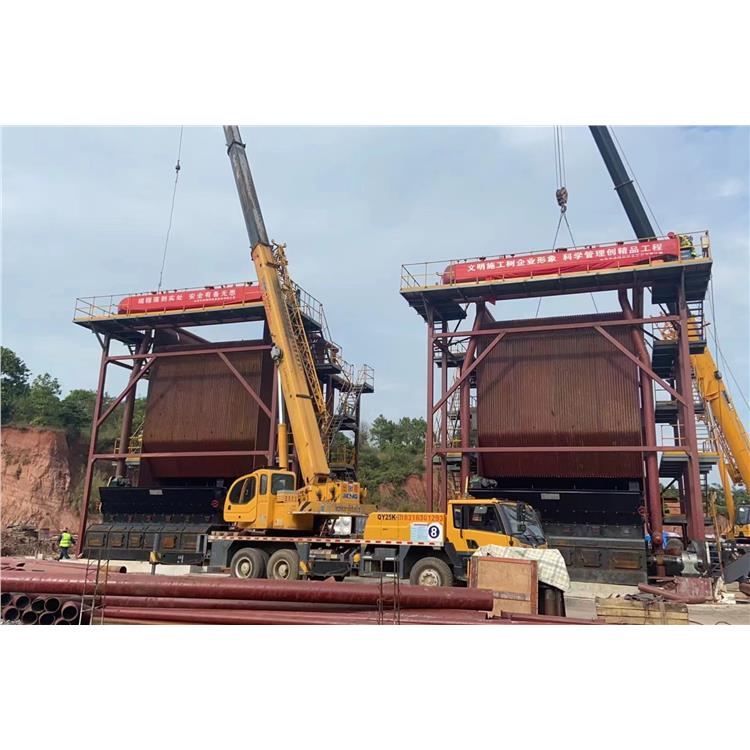
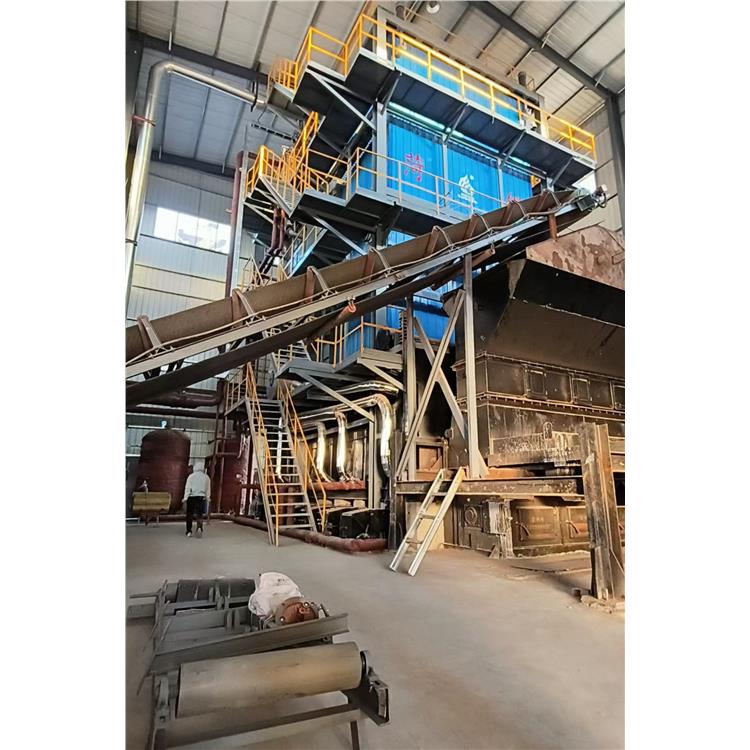
Xiantao biomass boiler, made of 304 stainless steel
