


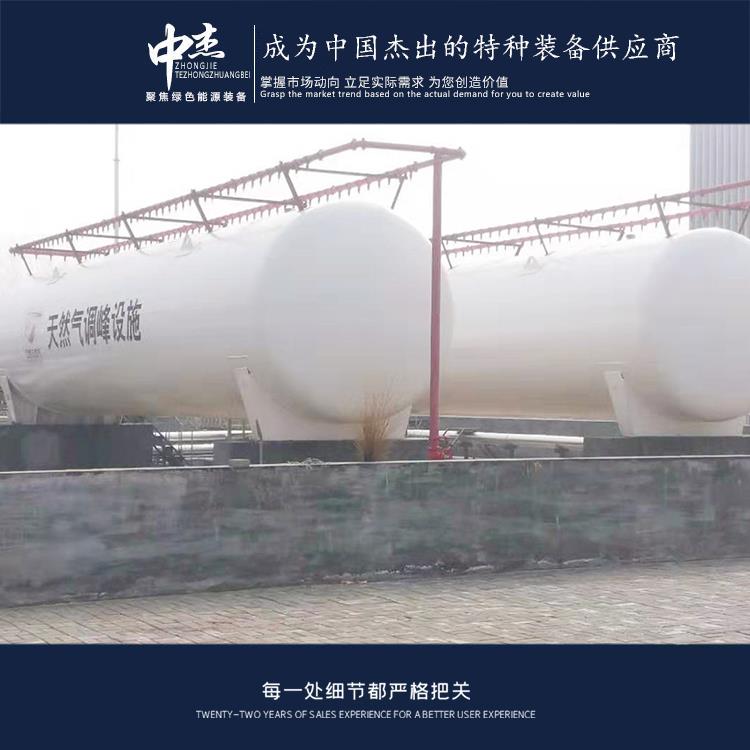
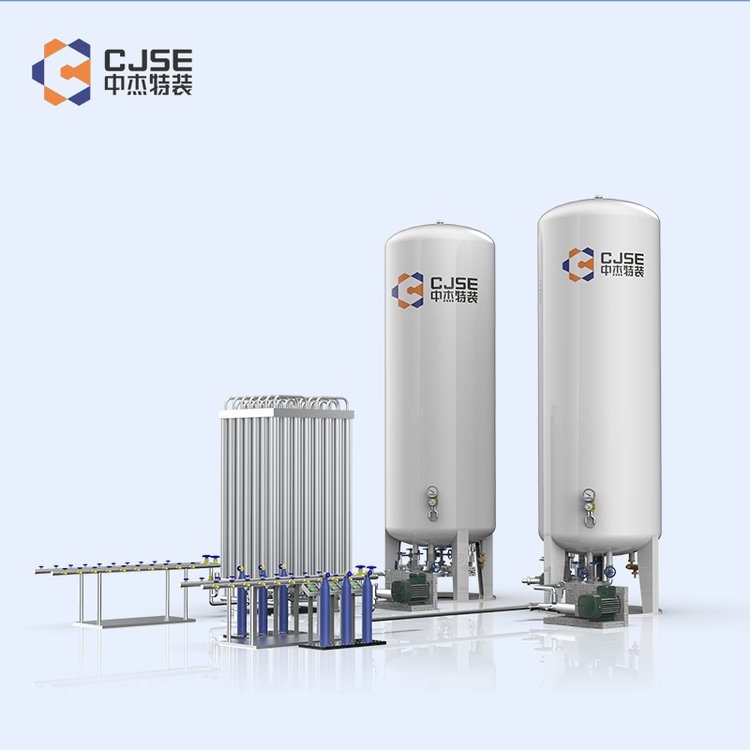
Shandong Zhongjie Special Equipment (formerly Heze Boiler Factory Co., Ltd.) was established in 2001, located at No. 2218 Jinnan Road, Development Zone, Heze City, with a registered capital of 50 million yuan and total assets of 500 million yuan. The company has 7 business centers: boilers, deep-freeze containers, pressure vessels, central air conditioning, engineering installation, international trade, and Internet of Things. It has three factory sites on Jinnan Road, East Changjiang Road, and Bohai Road, covering a total of 200,000 square meters, with the main workshop area at 83,000 square meters. It currently employs 710 people, including 247 engineers and technicians, and 82 intermediate-level technicians. In December 2016, it was recognized as a "High-tech Enterprise" by the Science and Technology Department. In June 2021, it was identified as a "Specialized and New Enterprise in Shandong Province" by the Ministry of Industry and Information Technology. In June 2022, it was recognized as a "Gazelle Enterprise in Shandong Province" and in August 2022, it was identified as a "Specialized and New Small Giant Enterprise" by the Ministry of Industry and Information Technology.
If a leak in the CO2 storage tank is detected, the following procedures should be taken immediately:
Confirm the leak location: First, identify the exact location of the leak, which can be done through hearing, observation, or using gas detection equipment.
Emergency response: In case of a leak, take immediate emergency measures to ensure personnel safety. Evacuate people to a safe area and notify relevant personnel and emergency agencies.
Cut off the gas supply: As soon as possible, shut off the CO2 supply source by closing valves or cutting off power to stop the supply.
Locate the leak: In a safe environment, use gas detection equipment or visual inspection to find the leak. Apply soap water or other leak detection agents to potential leak areas and observe for bubble formation.
Seal the leaks: Once the leak location is confirmed, temporary sealing measures can be taken, such as using tape, sealant, or other reliable sealing materials for temporary repair. Ensure that the sealing measures are secure and can effectively prevent gas leakage.
Repair and maintenance: In a safe environment, further repair and maintenance work can be carried out. Depending on the specific situation of the leak, it may be necessary to replace gaskets, repair or replace valves, etc. Repair and maintenance work should be performed by qualified personnel.
Inspection and testing: After repairs and maintenance, conduct leak detection and testing to ensure that the leaks have been fully repaired and the tank's safety performance has returned to normal.
It is important to handle CO2 storage tank leak issues with caution and follow relevant safety regulations and procedures. If you do not have the necessary knowledge and skills, contact a professional for assistance.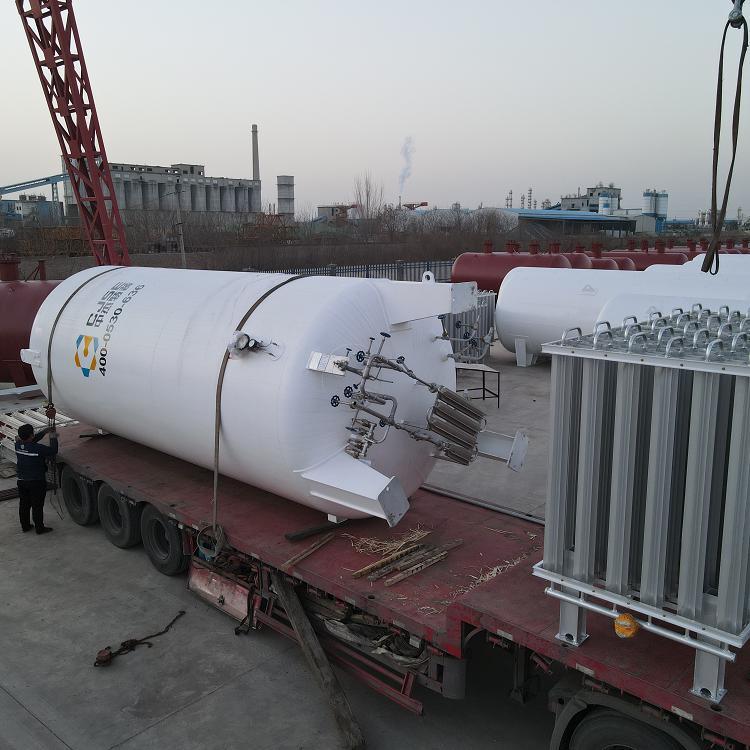
Carbon dioxide storage tank standard parameters may vary depending on different design and application requirements. Here are some common standard parameters:
- Tank Capacity: The capacity of carbon dioxide storage tanks is typically expressed in kiloliters (L) or cubic meters (m). Common capacity ranges vary from a few thousand to tens of thousands of liters.
- Working Pressure: The working pressure of carbon dioxide storage tanks is usually around 20 to 25 MPa (megapascals) at room temperature, with the specific pressure determined by application needs and design standards.
- Design Temperature: The design temperature of carbon dioxide storage tanks is generally in the low-temperature range, typically between -40°C and -60°C, to accommodate the liquefaction and storage requirements of carbon dioxide.
- Material: Carbon dioxide storage tanks are usually made of high-strength steel or alloy materials to withstand the stresses and loads under high pressure and low-temperature environments.
- Insulation Layer: The interior of the tank is equipped with an insulation layer to reduce heat conduction and liquid evaporation. The insulation layer is typically a multi-layer structure, including thermal insulation materials and an external protective layer.
- Safety Valve and Pressure Relief Device: The tank is equipped with a safety valve and pressure relief device to control the internal pressure of the tank, preventing overpressure and explosion.
- Level Monitoring and Control: The tank is equipped with level monitoring devices to monitor the liquid level inside the tank. Timely monitoring and control of the level ensure that the liquid storage volume within the tank remains within a safe range.
It should be noted that the specific standard parameters of carbon dioxide storage tanks may vary due to different design standards, application requirements, and manufacturers. When selecting and using carbon dioxide storage tanks, it is important to consider these factors.
Common CO2 Cylinder Management Guidelines:
- Safety Management: Establish comprehensive safety management systems, including operational procedures, emergency plans, and incident handling protocols. Ensure operators possess necessary safety knowledge and skills, and conduct regular safety training and drills.
- Cylinder Inspection and Maintenance: Regularly inspect the cylinder's appearance, valves, and connections to ensure integrity. Conduct regular leak detection and pressure tests to ensure compliance with safety performance requirements.
- Level Monitoring and Control: Regularly monitor the cylinder's internal liquid level to ensure adequate CO2 supply. Perform filling or emptying operations as needed to maintain appropriate levels.
- Waste Gas Treatment: Treat waste gases produced by CO2 cylinders to prevent environmental pollution. Implement appropriate waste gas treatment measures, such as collection and treatment.
- Fire and Explosion Prevention Measures: Take fire and explosion prevention measures to ensure safety around the cylinders. Maintain a safe distance from fire sources, high-temperature areas, and flammable materials, and regularly inspect and maintain fire protection equipment.
- Identification and Warning Signs: Clearly mark the cylinders with information such as the type of gas stored and pressure. Set up warning signs around the area to remind personnel of the cylinder's presence and relevant safety precautions.
- Storage Records: Record the cylinder's usage, including filling dates, quantities, and inspection records. Regularly conduct inspections and maintenance of the cylinders and retain relevant records.
- Regular Review and Improvement: Regularly review cylinder management systems and operational processes, promptly identify and address issues for improvement. Conduct risk assessments and management based on actual conditions to enhance management levels and safety performance.
- Note: Specific management guidelines may vary depending on cylinder types and applications. When managing CO2 cylinders, operate according to relevant regulations and standards, and consult with experts to ensure safety and effectiveness.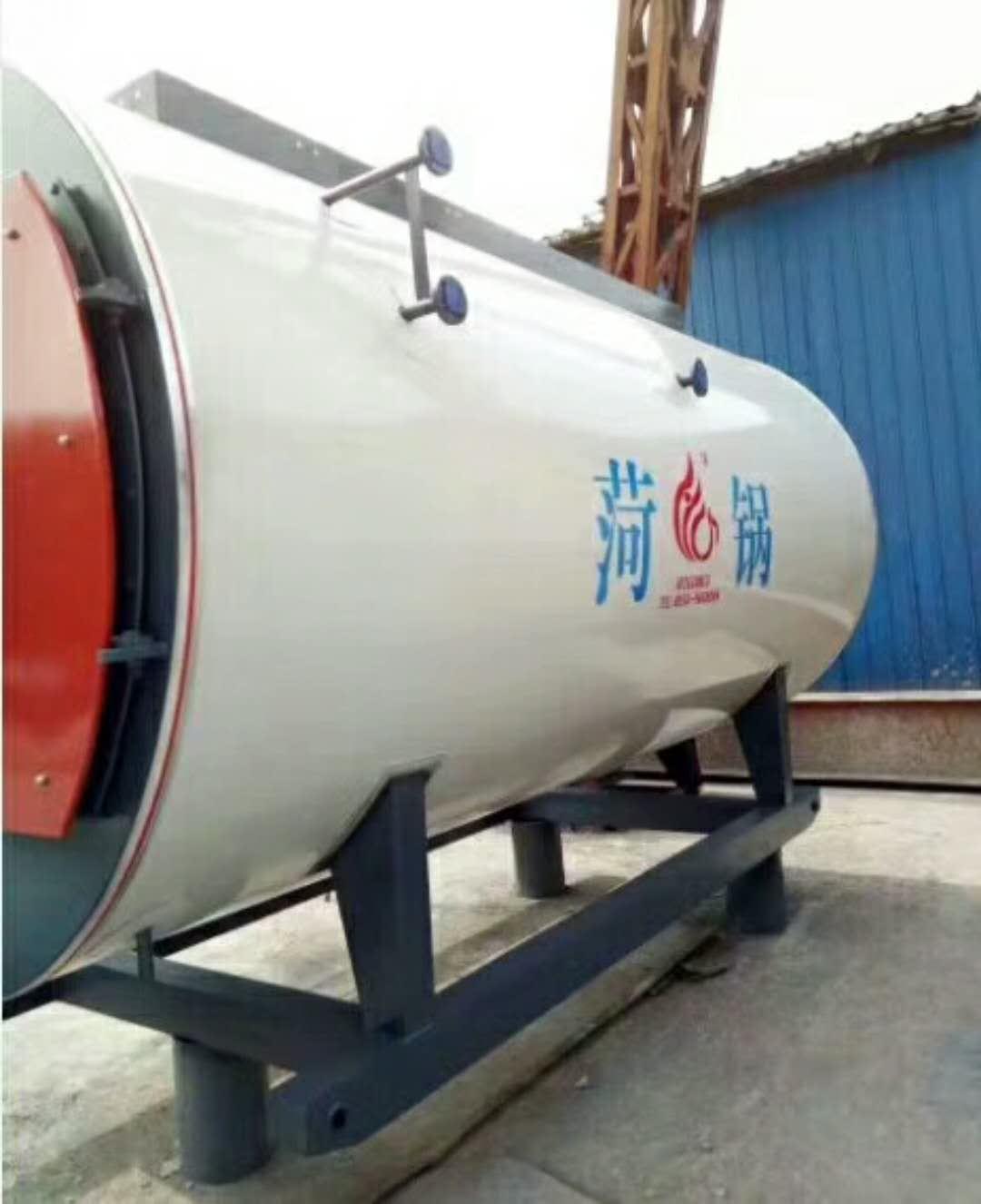
When using carbon dioxide tanks, the following safety procedures must be adhered to ensure safety:
Tank Operator Training: All operators must receive training to understand the characteristics, operational requirements, and safety measures of carbon dioxide tanks. Training should include safe tank operation, leak handling, emergency response plans, etc.
Safety Operating Procedures: Establish and comply with relevant safety operating procedures, including tank start-up, shutdown, inspection, and maintenance. Operators should operate according to the procedures to ensure safe tank operation.
Leak Handling: Establish a leak handling program, including leak detection, emergency shutdown, and isolation of the leak source. Operators should be familiar with the leak handling procedures and be able to respond quickly and correctly to leak incidents.
Fire Prevention Measures: Carbon dioxide is flammable; fire prevention measures must be taken during use. Smoking, open flame operations, or placing flammable items near the tank are prohibited. Ensure that fire protection equipment around the tank is in good condition and fire drills are conducted regularly.
Waste Gas Emission: Properly discharge waste gases produced during the use of carbon dioxide tanks to avoid accumulation of carbon dioxide in enclosed spaces, which can lead to asphyxiation and safety risks. Ensure the waste gas emission system is unobstructed and functioning properly.
Regular Inspection and Maintenance: Regularly inspect the tank's appearance, sealing, valves, and pipeline connections. If any abnormalities or damage are found, repair or replacement should be done promptly. Also, regularly inspect and maintain safety valves, pressure sensors, and other accessories.
Emergency Response Plan: Develop and implement an emergency response plan, including the handling of leak incidents, evacuation procedures, and first aid measures. Operators should be familiar with the emergency response plan and conduct drills regularly.
Monitoring and Alarm Systems: Install and maintain monitoring and alarm systems for the tank.
Our company highly values technological innovation and R&D design. We possess one city-level enterprise technology center in Heze City, equipped with test facilities for non-destructive testing,理化 testing, welding, and hydrostatic testing. We have over 600 pieces of equipment, including CNC machine tools, X-ray flaw detectors, digital ultrasonic flaw detectors, mechanical property testing machines, chemical analyzers, spectrometers, tensile testing machines, plasma welding machines, and more. The key products we have developed, such as temperature and pressure vessel welding, biomass boiler emission reduction, and waste heat utilization, have successively been included in multiple Shandong Province Ministry of Industry and Information Technology scientific and technological innovation projects, key provincial projects, and Heze City innovative and excellent projects. We have累计 obtained 27 authorized utility model patents, 16 authorized invention patents, participated in drafting 2 standards, 2 industry standards, and registered 15 trademarks. Our technical team, in collaboration with Professor Li Yajiang of Shandong University, has jointly developed deep cryogenic container processing technology, utilizing the international plasma arc + wire-fed tungsten inert gas arc welding (PAW-GTAW) technology. This technology has been appraised as internationally competitive at the provincial level, reaching international standards in the field of deep cryogenic container manufacturing. Choose Zhongjie Special Equipment, let's create brilliance together!
20-cubic-meter Baixi CO2 storage tank, in stock supply
