


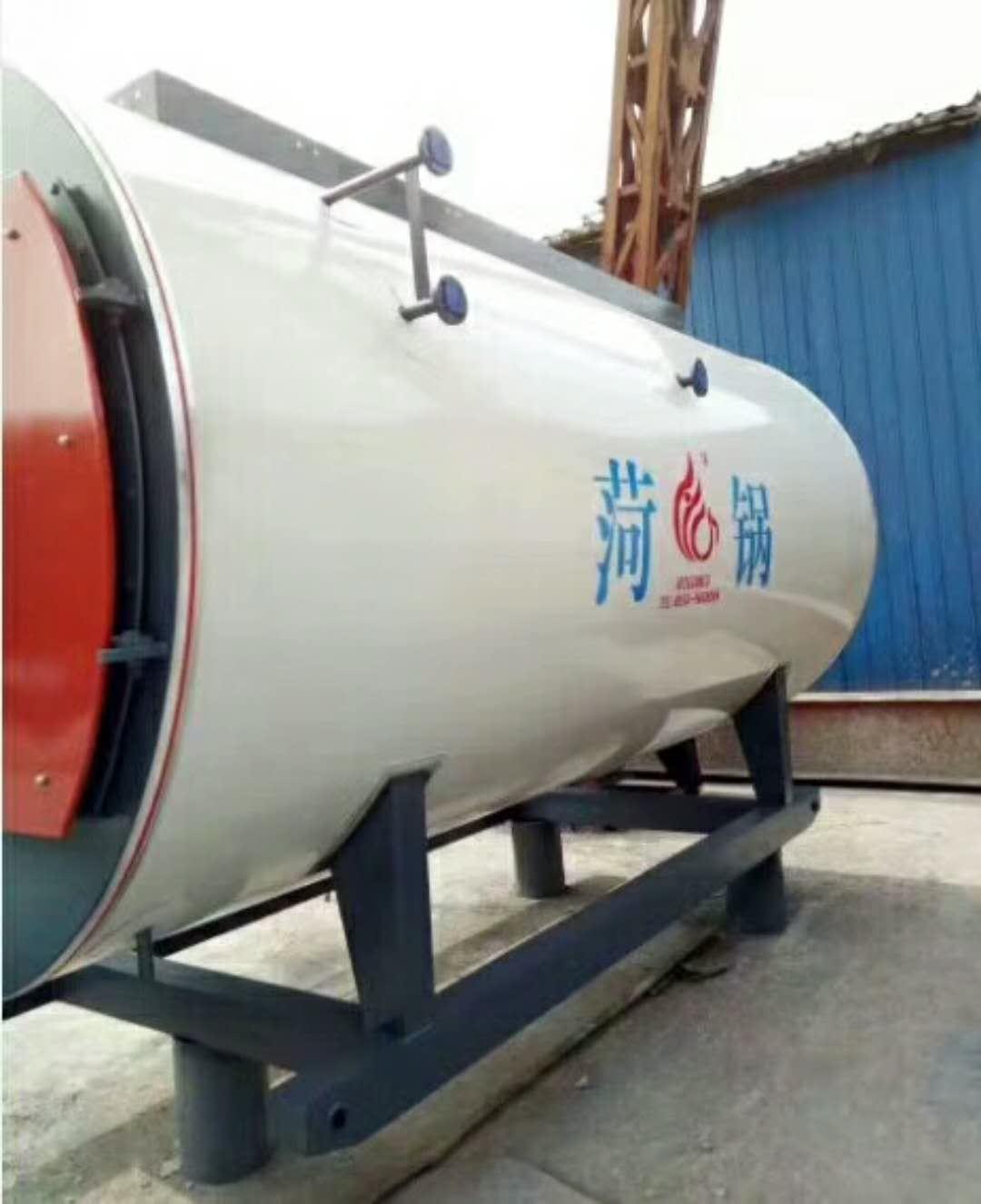
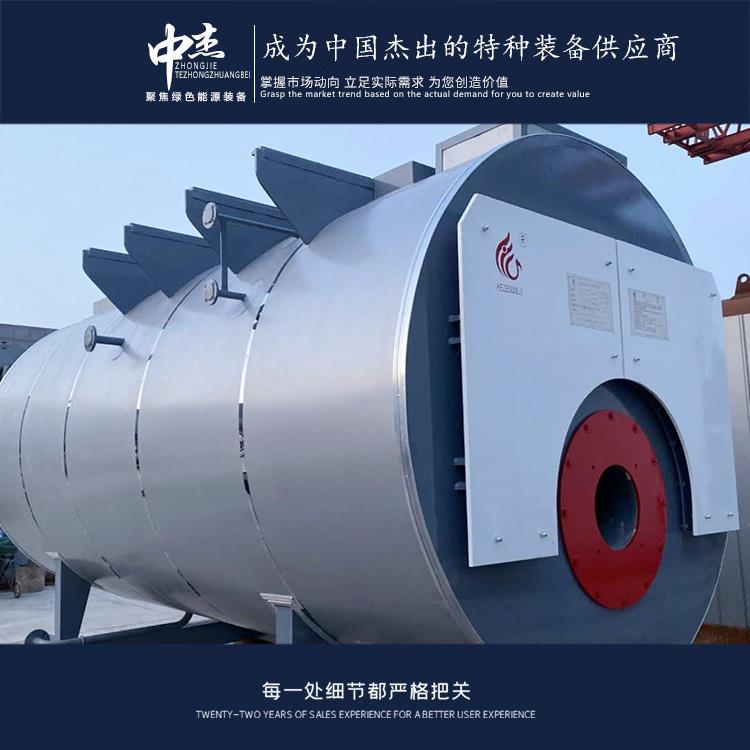
Shandong Zhongjie Special Equipment (formerly Heze Boiler Factory Co., Ltd.) holds an A-grade boiler manufacturing license, an A2-grade pressure vessel manufacturing license, an A2-grade pressure vessel design license, a B-grade boiler installation license, and GB2/Class and GC2/Class pressure pipeline installation licenses, as well as a qualification for electromechanical equipment installation contracting. It is a member of the China Boiler and Water Treatment Association, the China Chemical Equipment Association, and the director unit of the Shandong Equipment Manufacturing Association. The company has also passed the ISO9001 Quality Management System, ISO14001 Environmental Management System, OHSAS18001 Occupational Health and Safety Management System certifications, and the American ASME/U2 certification.
If the thermal oil furnace circulating pump encounters issues, follow these steps for troubleshooting:
1. Shutdown and Inspection: First, stop the thermal oil furnace and disconnect the power. Check for any obvious signs of failure in the pump, such as unusual noises, oil leaks, or leaks. Inspect the motor for normal operation and any abnormal heat generation.
2. Clean the Pump Body: If sediment or impurities are found in the pump body, clean them. Use appropriate tools and cleaning agents to remove dirt and obstructions from inside the pump. Ensure safe operation to avoid damaging the pump body.
3. Check Pump Connections: Inspect the pump's connections, including inlet and outlet pipes, valves, and seals. Ensure they are securely fastened, valves operate smoothly, and seals are intact. Repair or replace any loose or damaged parts promptly.
4. Inspect the Pump Motor: Check the motor for normal operation, unusual sounds, or overheating. Inspect the power lines and control system of the motor to ensure normal power supply and correct control signals.
5. Check the Pump's Lubrication and Cooling System: Ensure the pump's lubrication and cooling systems are functioning properly. Check the supply of lubricating oil or grease, and the circulation and temperature control of cooling water or coolant.
6. Adjust Pump Parameters: Depending on the situation, you may need to adjust the pump parameters, such as flow rate and head. Adjust the pump speed or valve opening according to the equipment requirements and operating conditions to meet the thermal energy needs of the furnace.
7. Seek Repair if Necessary: If the above steps do not resolve the issue or if more extensive repair and maintenance are required, it is recommended to seek repair services. Contact a repair technician or manufacturer's technical support for further troubleshooting and repair.
It is crucial to prioritize safety when dealing with thermal oil furnace circulating pump issues and adhere to relevant operational procedures and safety requirements. If unsure about the process or if there are safety concerns, seek assistance promptly.
Clean and environmentally friendly gas boilers offer several advantages:
- Low emissions: Gas combustion produces lower levels of exhaust emissions, with fewer pollutants such as nitrogen oxides and particulates. Compared to coal or oil-fired boilers, gas boilers have lower emissions and cause less environmental pollution.
- High thermal efficiency: Gas combustion has a higher thermal efficiency, maximizing fuel energy utilization and reducing energy waste. Compared to other traditional fuels like coal and oil, gas combustion is more efficient, providing more heat energy.
- Clean combustion: Gas combustion does not produce ash or soot, reducing carbon and dirt accumulation inside the boiler and in the flue. This reduces cleaning and maintenance efforts, extending the boiler's lifespan.
- Stable combustion: Gas combustion is stable, minimizing flame fluctuations and explosion risks during operation. This makes gas boilers safer and more reliable.
- Fast start-up and shutdown: Gas boilers have quicker and more flexible start-up and shutdown processes compared to other fuels. This makes them suitable for scenarios requiring frequent start-ups and shutdowns, such as seasonal heating and hot water needs.
- Renewable energy integration: As a clean fuel, gas can be combined with renewable energy sources like solar hot water systems and biomass fuels. This integration can further enhance energy efficiency and environmental friendliness.
Industrial boilers, during long-term operation, can accumulate scale and deposits, affecting heat exchange efficiency and the normal operation of the boiler. Here are some effective descaling methods:
1. Mechanical Cleaning: Utilizing cleaning equipment and tools, this method employs high-pressure water or mechanical brushes to remove scale and deposits from within the boiler. It is suitable for lighter scale and deposits.
2. Chemical Cleaning: Using chemical cleaning agents, this method dissolves scale and deposits through chemical reactions. Select an appropriate cleaning agent based on the composition and nature of the scale, and follow the instructions provided. Safety operation is crucial to avoid damage to equipment and the environment.
3. Acid Cleaning: Acid cleaning is a common descaling method for hard-to-dissolve scale and deposits. Common acid cleaning agents include various types, and the appropriate agent and concentration should be selected based on the specific situation. Safety operation is essential to prevent harm to equipment and personnel.
4. Alkaline Cleaning: Alkaline cleaning is a descaling method for specific types of scale, suitable for alkaline scale. Common alkaline cleaning agents include various types, and the appropriate agent and concentration should be selected based on the specific situation. Safety operation is essential to prevent harm to equipment and personnel.
5. Physical Descaling: Physical descaling methods include ultrasonic cleaning and electro-dissolution. Ultrasonic cleaning uses the vibration effect of ultrasound to shake the scale into pieces. Electro-dissolution utilizes the principle of electrolysis to dissolve scale through the action of electricity. These methods are suitable for special situations and specific types of scale.
When choosing a descaling method, consider the specific conditions of the boiler.
When selecting a steam boiler, several key factors should be taken into account:
- Steam Demand: First, determine the steam requirements of the factory or project, including steam pressure, flow rate, and quality. Choose an appropriate boiler model and specification based on actual needs to ensure it meets process and production requirements.
- Boiler Type: There are various types of steam boilers, such as fire-tube boilers, water-tube boilers, and gas boilers. Select the suitable type based on the factory's actual conditions and needs. Also, consider the fuel type of the boiler, such as coal, gas, or biomass, and choose a fuel type that complies with the factory's energy supply and environmental protection requirements.
- Boiler Efficiency: The efficiency of the boiler directly impacts energy utilization efficiency and operating costs. Understand the boiler's thermal and combustion efficiency, and choose a high-efficiency steam boiler to reduce energy consumption and operating costs.
- Quality and Reputation: Choose a supplier with a good reputation to ensure the quality and reliability of the steam boiler. Refer to customer reviews, industry certifications, and third-party assessments to understand the supplier's reputation and product quality.
- Technical Support and After-Sales Service: Select a supplier that can provide comprehensive technical support and after-sales service. Ensure the supplier can offer installation guidance, training, maintenance, and troubleshooting support to ensure the normal operation and maintenance of the steam boiler.
- Cost and Budget: Finally, select a steam boiler that meets your budget and economic considerations. Consider the purchase cost, operating cost, and maintenance cost to choose a steam boiler with a high cost-performance ratio.
It should be noted that the above factors are just some of the key considerations when purchasing a steam boiler, and the specific choice should be determined based on the actual conditions and needs of the factory. It is recommended to communicate and compare with multiple suppliers to obtain more information and advice for an informed decision.
Shandong Zhongjie Special Equipment, welcome customers to our factory for business discussions.
Yuncheng 8-ton gas boiler
