


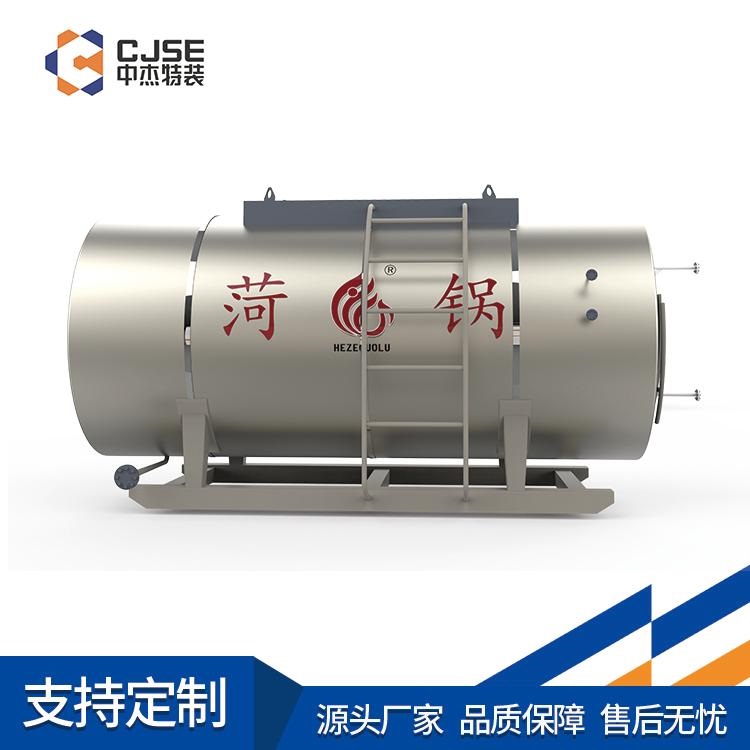
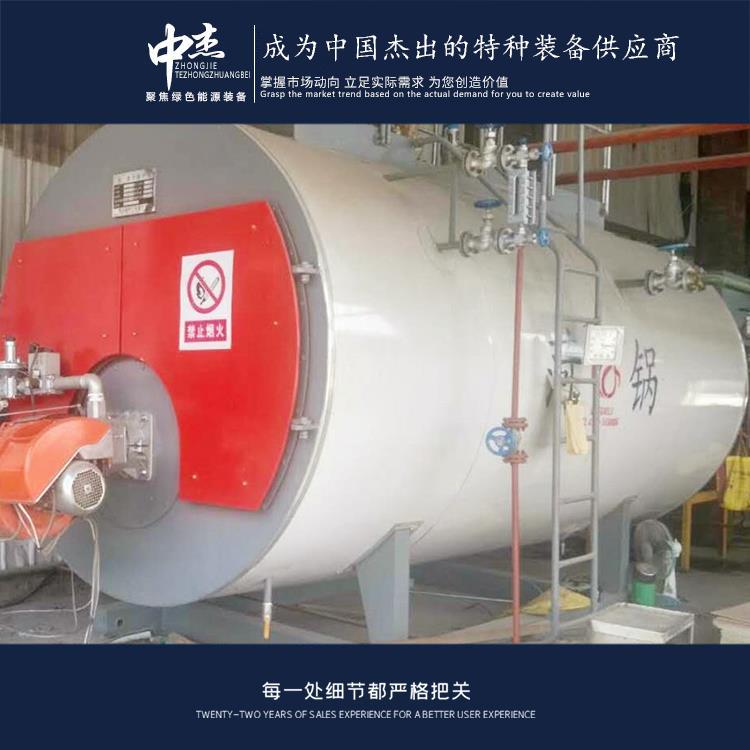
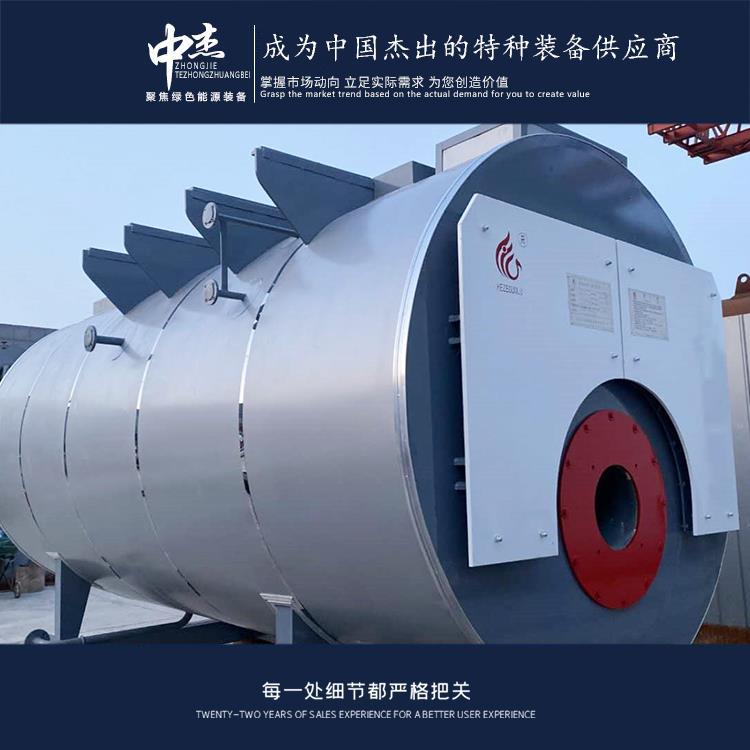
Shandong Zhongjie Special Equipment's main products include: fuel (gas) boilers, organic heat carrier boilers, biomass boilers, waste heat boilers, and other boiler products; vacuum insulation deep-freeze pressure vessels such as LNG storage tanks, oxygen-nitrogenargon storage tanks, and CO2 storage tanks; pressure vessel products like denitrification engineering equipment, heat storage and energy storage equipment, and complete chemical equipment; as well as central air conditioning and HVAC equipment such as ground (water) source heat pumps, air source units, water-cooled screw units, and air-cooled modules. Planned products include large-scale energy centers, LNG transport vehicles, LNG tank containers, and other green energy equipment.
To ensure safe operations of industrial boilers, attention should be given to the following aspects:
- Comply with laws and regulations: Understand and adhere to relevant laws, regulations, and standards, including those governing boiler safety management and standards for boiler use and maintenance, to ensure compliance throughout the operation process.
- Establish a comprehensive management system: Develop a robust industrial boiler safety management system, clearly defining responsibilities and authorities, standardizing operational procedures and safety measures. Create operational guidelines and emergency response plans to ensure orderly and safe operations.
- Training and education: Provide training and education for personnel involved in industrial boiler safety operations to enhance their safety awareness and skill levels. This includes boiler operators, maintenance staff, and management personnel, all of whom should undergo appropriate training.
- Regular inspections and maintenance: Conduct regular inspections and maintenance on industrial boilers to ensure proper equipment operation and safety performance. This includes checking and maintaining key components such as the combustion system, water level control, safety valves, and pressure gauges.
- Safety equipment and facilities: Equip necessary safety equipment and facilities, such as safety valves, pressure gauges, water level indicators, and burners, ensuring their proper functioning and effectiveness.
- Regular inspections and evaluations: Conduct regular inspections and evaluations of industrial boilers to ensure compliance with safety requirements. This includes regular pressure tests, water quality inspections, and combustion efficiency assessments.
- Safety records and档案 management: Establish a comprehensive system for safety records and document management, documenting the operation of industrial boilers, maintenance records, and accident reports. Ensure timely updates and preservation of relevant safety information.
- Regular drills and emergency response plans: Organize regular safety drills and emergency response training to enhance the ability to respond to emergencies and improve the efficiency of emergency response.
These are some basic points to ensure safe operations of industrial boilers. Specific procedures should be adapted based on actual conditions and relevant requirements.
Energy-saving in steam boilers is crucial for the following main reasons: Energy Costs: Steam boilers typically use fuels (such as coal, gas, oil, etc.) to generate steam, with energy costs accounting for a significant portion of the boiler's operational expenses. Energy-saving can reduce energy consumption and lower costs. Environmental Protection: The combustion process of steam boilers produces waste gases and smoke dust, polluting the environment. Energy-saving can decrease fuel consumption, lower emissions, and have a positive impact on environmental protection. Sustainable Development: Energy-saving is one of the key aspects of sustainable development. By reducing energy consumption and extending the lifespan of the boiler, resources can be conserved and wasted, achieving sustainable development. Measures for energy-saving include: Enhancing Boiler Thermal Efficiency: Improve the boiler's combustion system, optimize combustion parameters, and increase heat exchange efficiency to raise the boiler's thermal efficiency and reduce energy waste. Utilizing Waste Heat Recovery: Employ waste heat recovery devices to recover and utilize the excess heat from the flue gas emitted by the boiler, which can be used to heat water or other processes requiring heat, thereby improving energy utilization efficiency. Application of Energy-saving Equipment: Using energy-saving equipment such as variable frequency drives, energy-saving burners, and heat pumps can reduce energy consumption and improve energy efficiency.
If the thermal oil furnace circulating pump encounters issues, follow these steps for troubleshooting:
- Shutdown and Inspect: First, stop the thermal oil furnace and disconnect the power. Check for any evident faults in the pump, such as unusual noises, oil leaks, or leaks. Verify that the pump motor is operating normally and not producing excessive heat.
- Clean the Pump: If sediment or debris is found in the pump body, it can be cleaned. Use appropriate tools and cleaning agents to remove dirt and obstructions from within the pump. Exercise caution to prevent damage to the pump body.
- Inspect Pump Connections: Check the pump's connections, including inlets and outlets, valves, and seals. Ensure they are securely fastened, valves operate smoothly, and seals are intact. Repair or replace immediately if loose or damaged.
- Check the Pump Motor: Verify the pump motor's operation and look for any abnormal sounds or overheating. Inspect the power lines and control system of the motor to ensure normal power supply and correct control signals.
- Inspect the Pump's Lubrication and Cooling Systems: Ensure the pump's lubrication and cooling systems are functioning properly. Check the supply of lubricating oil or grease and the circulation and temperature control of cooling water or coolant.
- Adjust Pump Parameters: Depending on the situation, adjustments to pump parameters like flow rate and head may be necessary. Adjust the pump's speed or valve opening according to equipment requirements and operating conditions to meet the thermal oil furnace's energy needs.
- Seek Repair if Necessary: If the above steps do not resolve the issue or if more in-depth repair and maintenance are needed, it is recommended to seek professional repair services. Contact the maintenance personnel or manufacturer's technical support for further fault diagnosis and repair.
- Safety is Key: When dealing with issues in the thermal oil furnace circulating pump, always prioritize safe operation and follow relevant operational procedures and safety requirements. If unsure how to proceed or if there are safety concerns, seek assistance immediately.
A condensing steam boiler is an energy-saving boiler equipment with the following working principles and features:
Working Principle:
- Steam Generation: The condensing steam boiler produces high-temperature flue gas by burning gas. This flue gas exchanges heat with the water pipes inside the boiler, heating the water to produce steam.
- Steam Condensation: After steam is generated, it enters the condenser where it exchanges heat with the condensing medium (usually cold water or recycled water), releasing heat from the steam and condensing it back into water.
- Flue Gas Reuse: The condensed flue gas still contains some heat, which can be recovered and reused by the flue gas reuse system to improve the boiler's thermal efficiency.
Features:
- Energy-Saving: The condensing steam boiler utilizes the principle of steam condensation to fully utilize the heat in the steam, improving the efficiency of heat energy use and saving energy consumption.
- Low Emission: Due to the recovery of most heat during the flue gas condensation process, the flue gas temperature is lower, resulting in a relatively lower emissions of pollutants, with a smaller environmental impact.
- Compact Structure: The condensing steam boiler typically features a compact structural design, occupying less space, making it suitable for places with limited space.
- Fast Startup: The condensing steam boiler has the characteristics of quick startup and shutdown, allowing for flexible adjustments and operation based on actual needs.
- Wide Application Range: The condensing steam boiler is suitable for heating and steam requirements in industrial production processes, such as power plants, chemical factories, and textile mills.
- Maintenance Note: It is important to note that proper maintenance and care should be taken when using the condensing steam boiler, including regular cleaning of the condenser and flue gas reuse system to ensure normal operation and performance.
Shandong Zhongjie Special Equipment, welcome customers to our factory for business discussions.
Lüliang 6-ton gas boiler
