


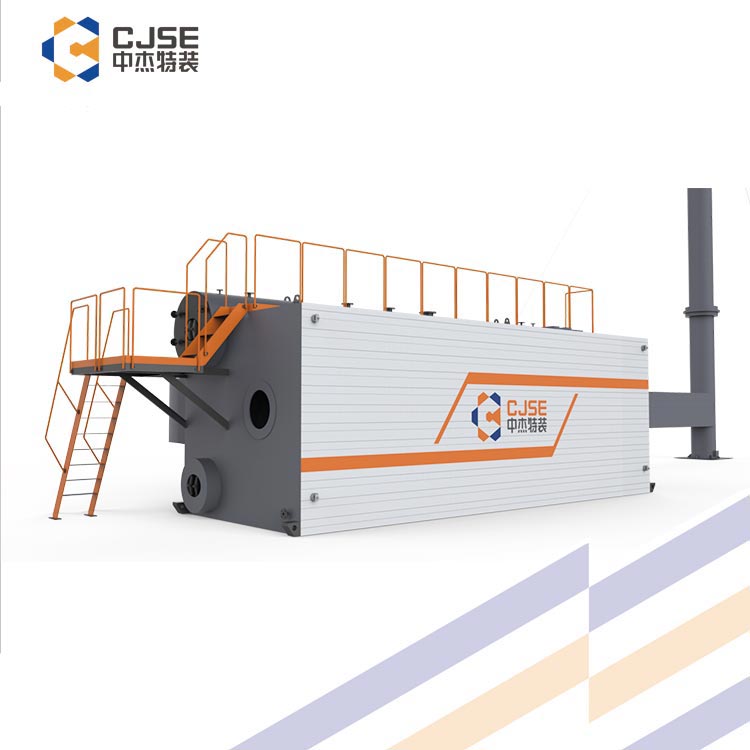
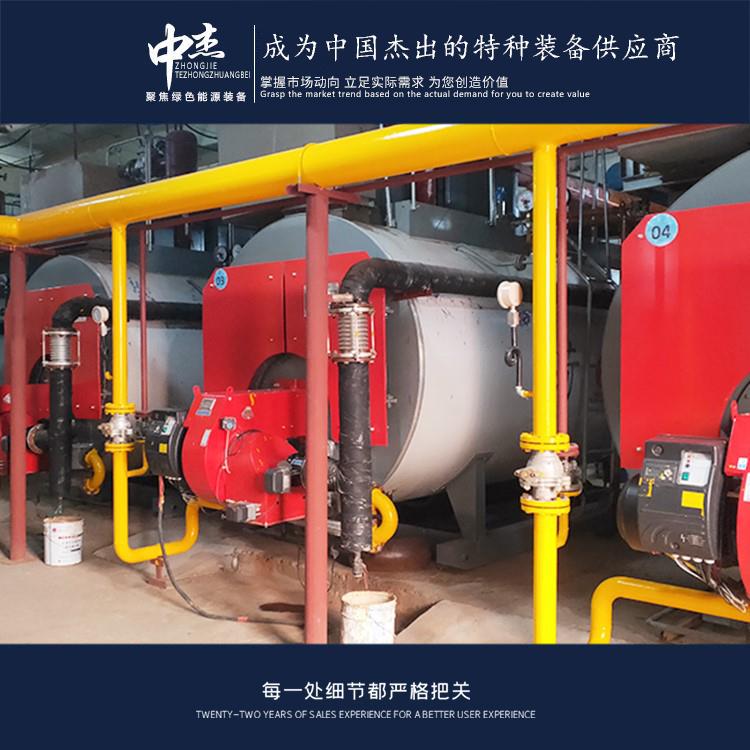
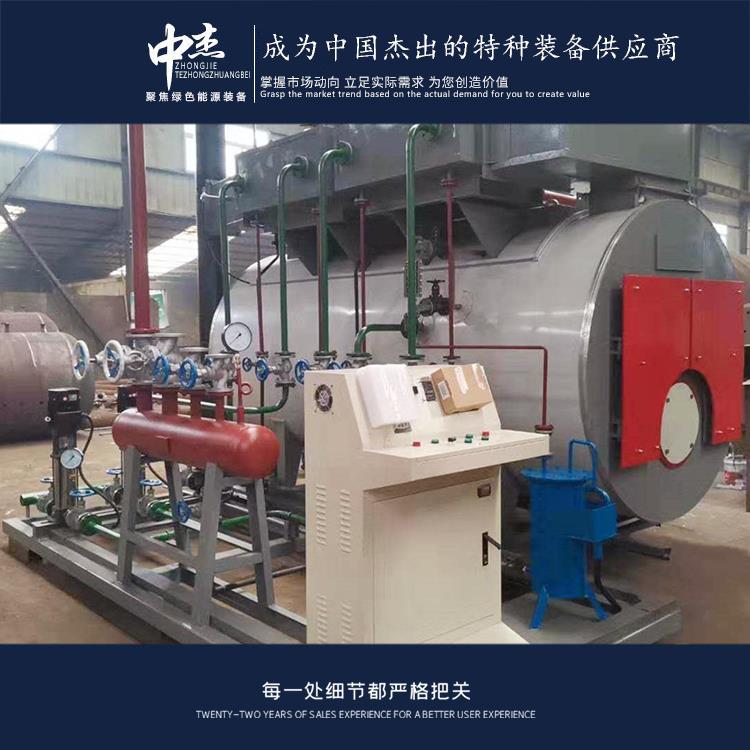
Shandong Zhongjie Special Equipment Co., Ltd. specializes in the following products: fuel (gas) boilers, organic heat carrier boilers, biomass boilers, waste heat recovery boilers, and other boiler products; vacuum insulation cryogenic pressure vessels such as LNG storage tanks, oxygen/nitrogen/argon storage tanks, and CO2 storage tanks; pressure vessel products including denitrification engineering equipment, heat storage and energy storage equipment, and complete chemical equipment; central air conditioning and ventilation equipment such as ground (water) source heat pumps, air source units, water-cooled screw units, and air-cooled modular units. Planned products include large-scale energy centers, LNG transport vehicles, LNG tank containers, and other green energy equipment.
In addressing issues with gas boilers during the heating process, consider the following aspects:
- Check gas supply: Ensure the gas supply is normal and inspect for any blockages or leaks in the gas pipeline. If issues are found, promptly repair or replace the gas pipeline.
- Clean burners and combustion chambers: Regularly clean burners and combustion chambers to remove accumulated dust and grime. This enhances combustion efficiency and reduces gas waste.
- Check and adjust the gas-to-air ratio: Ensure the gas-to-air ratio is appropriate for optimal combustion. An incorrect ratio can lead to incomplete combustion or excessive exhaust emissions.
- Inspect and clean heat exchangers: Regularly inspect and clean heat exchangers to remove dust and grime. This improves heat exchange efficiency and ensures heat is effectively transferred to the heating system.
- Check and maintain circulating pumps and valves: Ensure circulating pumps and valves operate correctly to allow smooth flow of hot water or steam into the heating system.
- Inspect and maintain the control system: Ensure the gas boiler's control system operates properly, with accurate control over parameters such as temperature, pressure, and flow. If problems arise, promptly repair or replace the controller.
- Regular maintenance: Conduct regular maintenance on gas boilers, including cleaning, lubricating, and tightening bolts. This extends the boiler's lifespan and reduces the occurrence of malfunctions.
- Training and awareness: Provide staff training to enhance awareness of operating and maintaining gas boilers. Employee knowledge and skill development aids in effective management and problem-solving related to boiler heating processes.
- If issues cannot be resolved or safety concerns arise, consult a professional.
The Zhongjie Modular Thermal Oil Heater is a common industrial thermal energy equipment with the following product features: High thermal efficiency: The Zhongjie Modular Thermal Oil Heater utilizes advanced combustion technology and heat exchanger design, effectively transferring the heat energy produced by fuel combustion to the thermal oil, achieving high energy utilization and improving thermal efficiency. Stable and reliable: Made with materials and precision manufacturing processes, this heater has excellent high-temperature resistance and stable operational performance, ensuring long-term stable operation with high reliability. Temperature control: Equipped with a temperature control system, the Zhongjie Modular Thermal Oil Heater can monitor and adjust the temperature of the thermal oil in real-time, ensuring temperature accuracy and stability in the process. Safety protection: The heater is equipped with multiple safety protection devices such as overheat protection, pressure protection, and burner fault protection, effectively preventing accidents. Additionally, the heater uses clean combustion technology, with minimal emissions, making it environmentally friendly. Easy operation: The Zhongjie Modular Thermal Oil Heater features an intelligent control system with a user-friendly interface and easy parameter adjustments, simplifying operation and reducing operational complexity and labor costs. Overall, the Zhongjie Modular Thermal Oil Heater is characterized by stability and reliability, suitable for many industrial fields such as chemical, textile, and food processing, providing users with reliable thermal energy supply and process temperature control.
After the hot water boiler is shut down, here are some common maintenance measures:
1. Clean the boiler: After shutdown, clean the boiler first. Dust, dirt, and sediment inside the boiler can be cleaned with appropriate cleaning tools and detergents. Pay special attention to cleaning the combustion chamber, flue, and heat exchanger, among other critical areas.
2. Drain the water: Empty the water from the boiler to prevent the accumulation of scale and corrosive substances. Open the drain valve to release water until the interior is completely drained.
3. Anti-corrosion treatment: Before shutdown, apply anti-corrosion treatment to prevent internal metal corrosion. Use suitable anti-corrosion agents or coatings on key areas of the boiler.
4. Inspection and maintenance: During shutdown, regularly inspect all parts and connections of the boiler to ensure there are no loose, damaged, or leaking issues. Repair or replace promptly if any problems are found.
5. Keep dry: After shutdown, maintain the dryness of the boiler interior. Open the boiler's ventilation and exhaust ports to maintain air circulation, preventing dampness and mold growth.
6. Regular inspections: Regularly check the boiler's condition to ensure no abnormalities. Develop a corresponding inspection schedule based on the boiler's usage and requirements, such as a comprehensive check every quarter or year.
7. Preparations before startup: Before restarting the boiler, prepare accordingly. This includes cleaning the boiler, checking the connections of equipment and pipes, and verifying fuel supply.
A thermal oil furnace is a device that uses thermal oil as a heat medium, transferring heat energy produced by combustion or electric heating to the equipment or process that requires heating. The working principle of a thermal oil furnace involves heating the thermal oil to a certain temperature and then circulating it through a pump to the heated equipment or process, transferring the heat energy to the heated object. The thermal oil exchanges heat with the heated object in the heat exchanger, raising the object's temperature while cooling the oil, which then returns to the furnace for reheating in a continuous cycle. The heat transfer process in a thermal oil furnace primarily relies on the thermal conductivity of the oil. With high thermal conductivity, the oil can rapidly transfer heat energy to the heated object, achieving effective heating. Additionally, thermal oil has high thermal stability, allowing it to operate stably at high temperatures without decomposition or oxidation.
A thermal oil furnace typically consists of the furnace body, combustion system, flue gas system, heat exchanger, circulating pump, and control system. The furnace body is the main part of the thermal oil furnace, used to contain the thermal oil and the combustion system. The combustion system is responsible for burning fuel to produce heat energy and heat the thermal oil. The flue gas system is used to exhaust the combustion gases. The heat exchanger is the equipment where the thermal oil exchanges heat with the heated object. The circulating pump is responsible for circulating the thermal oil back to the furnace for reheating. The control system is used to monitor and control the operation of the thermal oil furnace, ensuring safe and stable operation.
Thermal oil furnaces offer high temperature control accuracy, fast heating speed, low energy consumption, and easy operation, and are widely used in industrial fields such as chemicals, textiles, food processing, papermaking, as well as in some special heating processes.
ZJ Special Equipment adheres to the great vision of "realizing employees' dreams, creating customer value, and striving for the prosperity and strength of our motherland," focusing on the development of green energy equipment industry, and dedicating high-value products and services to society!
Zhangzhou 30-ton gas boiler
