


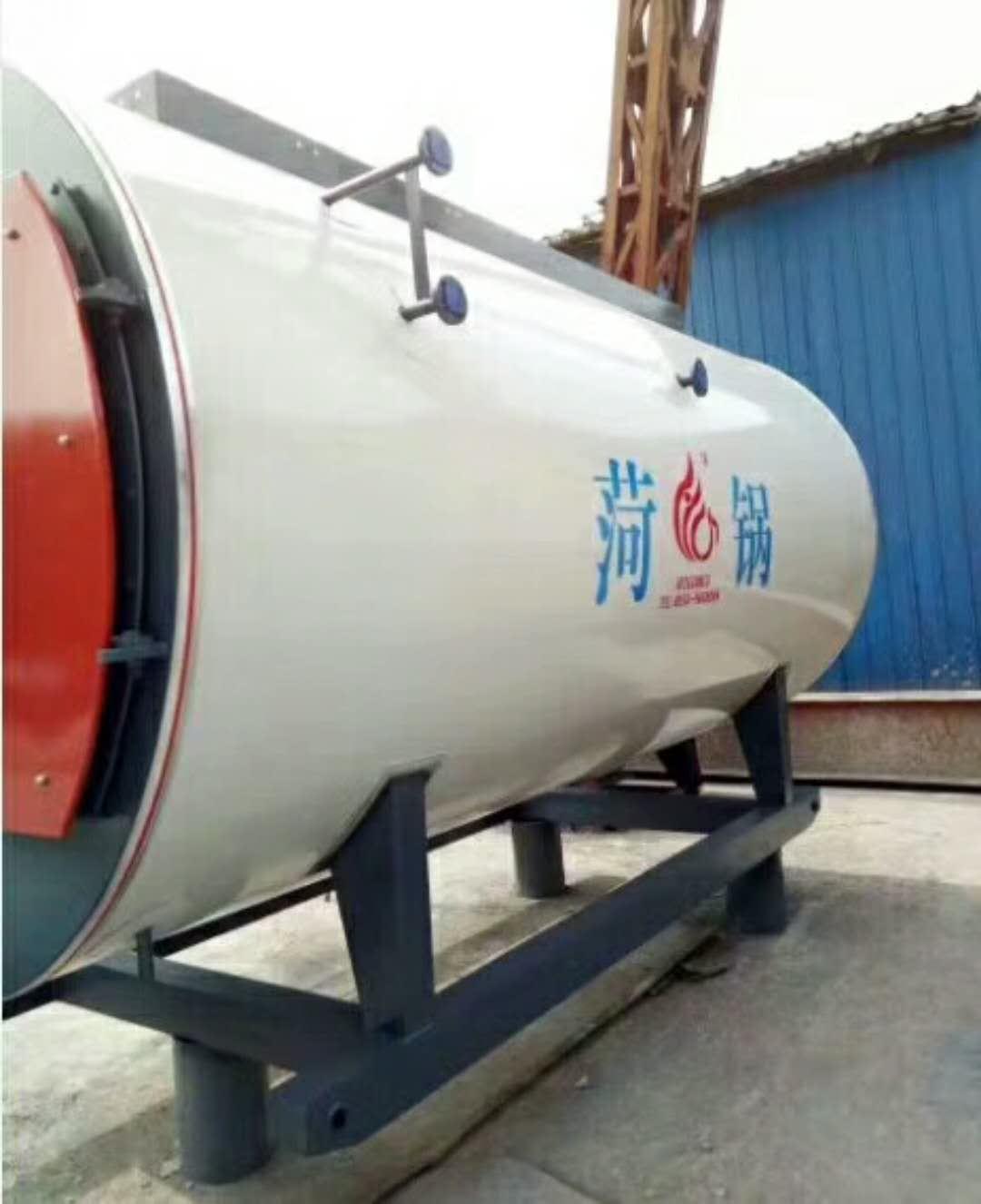
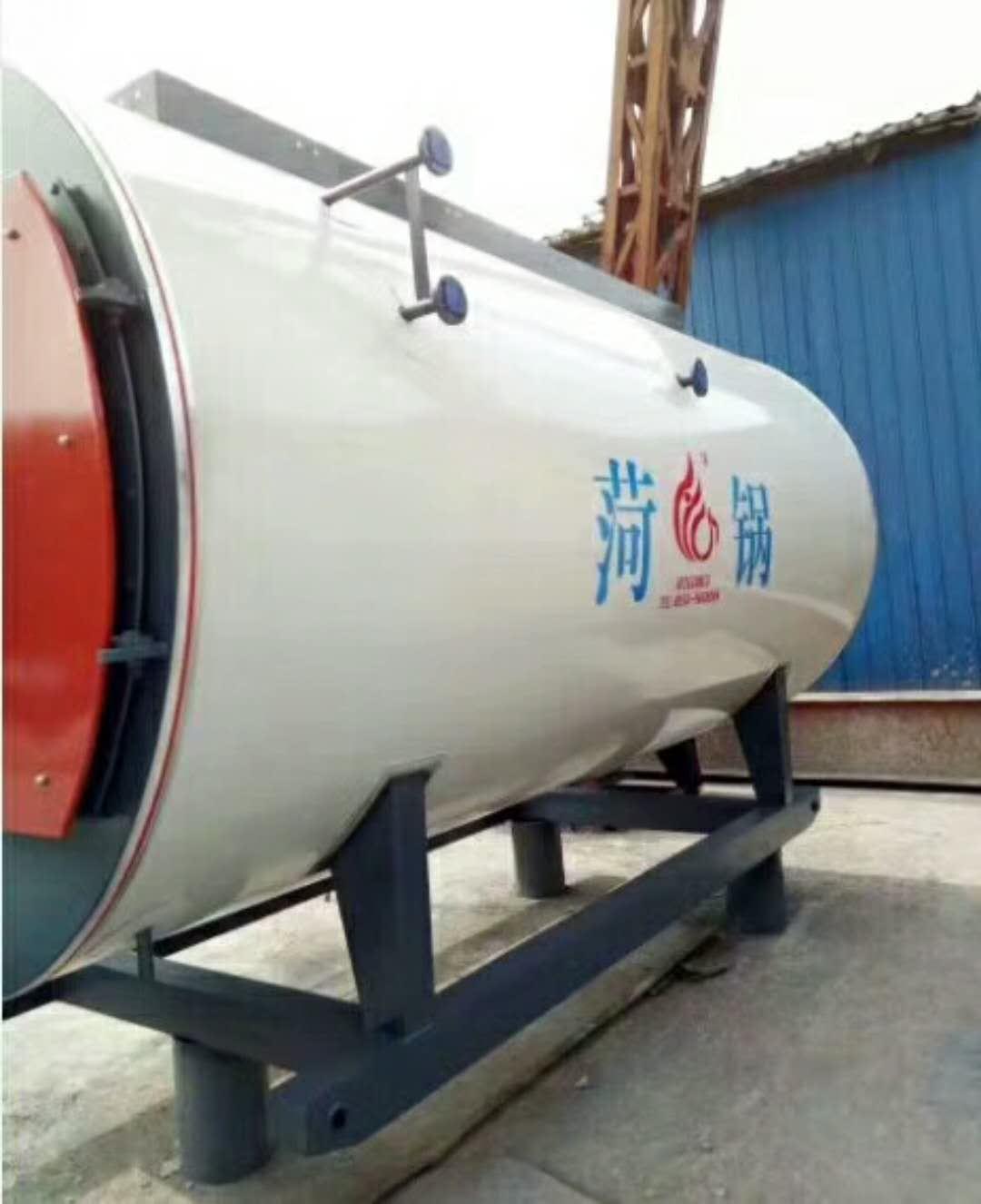
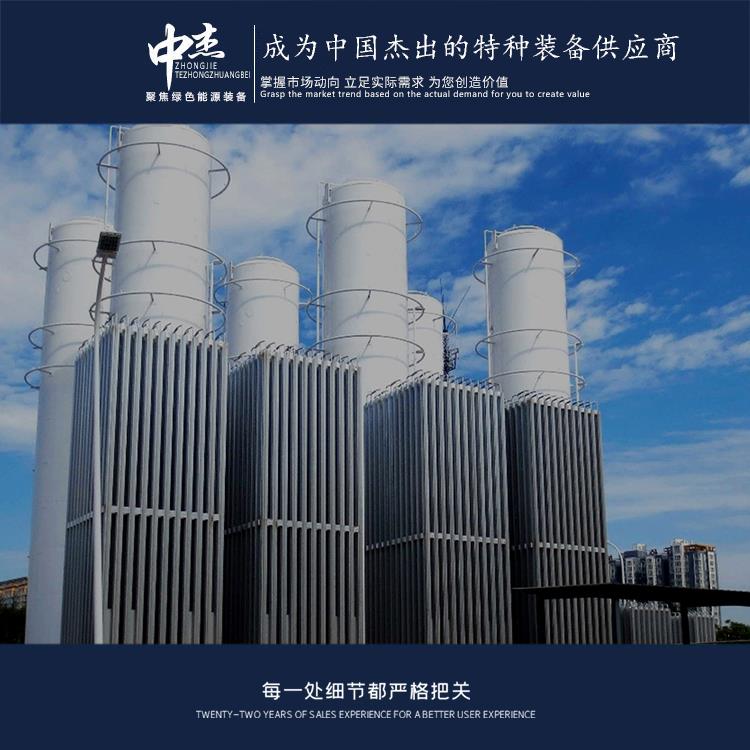
Shandong Zhongjie Special Equipment (formerly Heze Boiler Factory Co., Ltd.) was established in 2001, located at No. 2218 Jinnan Road, Economic and Technological Development Zone, Heze City. With a registered capital of 50 million yuan and total assets of 500 million yuan, the company operates seven business centers: boilers, deep-freeze containers, pressure vessels, central air conditioning, engineering installation, international trade, and Internet of Things. It has three factory sites on Jinnan Road, East Changjiang Road, and Bohai Road, covering a total area of 200,000 square meters, with the main workshop spanning 83,000 square meters. Currently, there are 710 employees, including 247 engineers and technicians, and 82 middle-level technical personnel. In December 2016, it was recognized as a "High-Tech Enterprise" by the Science and Technology Department. In June 2021, it was identified as a "Specialized and New Enterprise in Shandong Province" by the Ministry of Industry and Information Technology. In June 2022, it was recognized as a "Gazelle Enterprise in Shandong Province," and in August 2022, it was identified as a "Specialized and New Small Giant Enterprise" by the Ministry of Industry and Information Technology.
Liquid Oxygen Tanks are equipment used for storing and supplying liquid oxygen. Liquid oxygen is obtained by cooling oxygen below its boiling point, converting it into a liquid state. Liquid oxygen tanks are typically designed with double or multi-layer structures, filled with insulating material in the middle to reduce heat transfer and evaporation of the liquid oxygen.
Liquid Oxygen Storage Tank Features:
High Purity: The liquid oxygen tanks store high purity liquid oxygen, typically achieving a purity of over 99.5%. This makes the liquid oxygen tanks essential in applications requiring high purity oxygen, such as medical, aerospace, and research fields.
Low Temperature: Since the boiling point of liquid oxygen is -183°C, the liquid oxygen storage tank must have excellent thermal insulation properties to maintain the low temperature state of the liquid oxygen. Tanks are typically designed with double or multi-layer structures, filled with insulating material in between to minimize heat transfer and evaporation of the liquid oxygen.
High Pressure: Liquid oxygen tanks typically need to withstand high pressure to maintain their liquid state. The design and material selection of the tank must consider the pressure requirements of liquid oxygen to ensure the tank's safety and reliability.
Flammability: Liquid oxygen is highly flammable and supports combustion. Therefore, during the design and use of liquid oxygen storage tanks, fire prevention measures must be implemented to ensure there are no ignition sources nearby, and appropriate fire extinguishing equipment is provided.
High Density: Liquid oxygen has a higher density, allowing liquid oxygen tanks to store more oxygen compared to gaseous oxygen. This gives liquid oxygen tanks an advantage in applications requiring large oxygen supplies, such as in the field.
The use of liquid oxygen tanks must strictly adhere to relevant safety regulations and operational guidelines to ensure safe operation and use of the tank.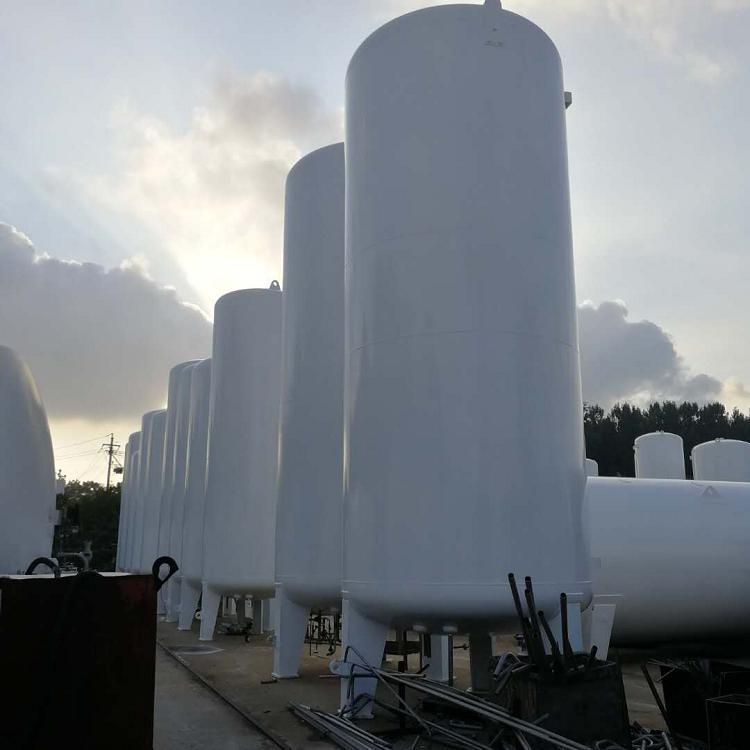
Routine inspection of liquid nitrogen tanks refers to the periodic checks and maintenance of the tanks to ensure their safe operation and efficient use. Here is a common introduction to the routine inspection of liquid nitrogen tanks:
Appearance Inspection: Regularly inspect the exterior of the storage tank, including the tank body, insulation layer, valves, and pipelines, etc. Note any cracks, corrosion, wear, or other damage. Also, check if the insulation layer is intact without any damage or detachment.
Level Check: Regularly inspect the liquid nitrogen tank's level to ensure it remains within the normal range. This can be done using a level gauge or a liquid level ruler, etc.
Pressure Check: Inspect the tank's pressure to ensure it's within the safe range. Pressure gauges or pressure sensors can be used for the check.
Leak Inspection: Check for signs of liquid nitrogen leakage around the storage tank, such as vapor mist, frost, or freezing. If a leak is detected, take immediate action to repair it.
Valve and Pipeline Inspection: Verify that the valves and pipelines of the storage tank are functioning properly without any gas leaks or blockages. Ensure the tightness and unobstructed flow of the valves and pipelines.
Safety Device Inspection: Examine the safety devices of the storage tank, such as pressure relief valves, temperature sensors, and liquid level alarms, to ensure they are functioning properly.
Maintenance Records: Timely record the inspection results and maintenance records of the storage tank, including liquid levels, pressure, insulation condition, leakage situations, etc. These records help monitor the storage tank's operational status and identify issues promptly.
It's important to note that the inspection of liquid nitrogen tanks should comply with relevant safety regulations and operational guidelines. Liquid nitrogen is highly flammable at low temperatures, so operators must wear appropriate personal protective equipment and ensure the operation area is free of any ignition sources. Regular inspections help identify issues promptly and take corrective measures, ensuring the safe and efficient operation of the tank.
The reason for occasional venting of liquid oxygen tanks is primarily to maintain the safe pressure range within the tank and prevent excessive pressure buildup. The following are several scenarios where liquid oxygen tanks may occasionally vent:
Pressure Control: During the operation of the liquid oxygen tank, due to evaporation of the liquid oxygen and temperature changes, the pressure inside the tank will vary. To maintain a safe pressure range within the tank, regular venting is required to control the tank's pressure within the safe limits.
Prevent Overpressure Accumulation: During oxygen filling or usage, external factors or operational errors may cause the pressure inside the liquid oxygen tank to exceed safe levels. To prevent overpressure accumulation, timely venting is required to alleviate the pressure within the tank.
Prevent Gas Accumulation: There may be some gas impurities in the liquid oxygen storage tank, such as air and water vapor. These gases will condense into liquids or solids at the low temperature of liquid oxygen, potentially blocking pipes or affecting the normal operation of the tank. Regularly releasing gas can expel these impurities, maintaining the tank's cleanliness and unobstructed flow.
Note that the degassing operation of liquid oxygen should be performed by authorized personnel and strictly adhere to the relevant operational procedures and safety measures. During the degassing process, care should be taken to prevent any leakage of liquid oxygen and contact with it, ensuring the safety and reliability of the operation.
The safety distance for liquid oxygen storage tanks refers to the distance that must be maintained around the tank to ensure the safety of personnel and equipment. The specific requirements for safety distances may vary depending on different regions and application sites. Here are some common principles for safety distances:
- Buildings and Equipment: Liquid oxygen storage tanks should be kept at a certain safe distance from buildings, equipment, and other storage tanks to prevent the spread of fires, explosions, and leaks. The specific safety distance requirements should be assessed and determined according to local regulations and standards.
- Ignition and Heat Sources: Liquid oxygen is highly oxidizing and can easily cause fires and explosions. Therefore, liquid oxygen storage tanks should be kept at a sufficient safe distance from ignition sources, heat sources, and flammable materials to prevent fires and explosions.
- Ventilation and Exhaust: Good ventilation and exhaust should be maintained around liquid oxygen storage tanks to prevent the accumulation of evaporated liquid oxygen and the formation of explosive mixtures. The design and operation of ventilation and exhaust systems should comply with relevant safety standards and regulations.
- Personnel and Traffic: Personnel and traffic around liquid oxygen storage tanks should be restricted and controlled to ensure the safety of personnel and the normal operation of the tank. Warning signs, safety fences, and restricted areas should be established to prevent unauthorized personnel from entering the tank area.
It is important to note that the safety distance for liquid oxygen storage tanks should be assessed and determined based on the specific application site and safety requirements. When designing, installing, and operating liquid oxygen storage tanks, relevant regulations, standards, and safety guidelines should be followed to ensure the safety and reliability of the tanks.
Zhongjie Special Equipment adheres to the great vision of "realizing employees' dreams, creating value for customers, and striving for the prosperity and strength of our motherland," focusing on the development of the green energy equipment industry, and dedicating high-value products and services to society!
Shouzhou Liquid Oxygen Storage Tank - Genuine Manufacturer
