


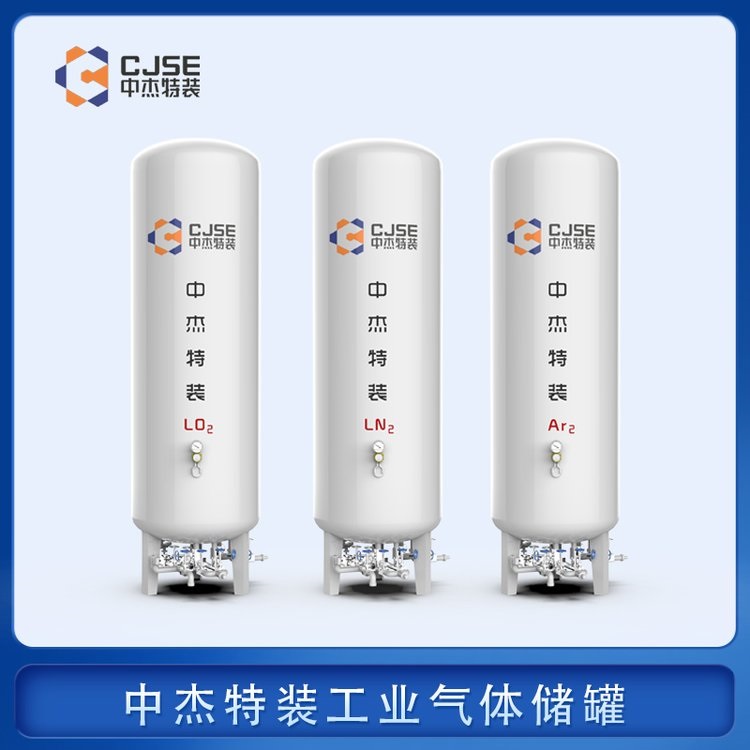


Shandong Zhongjie Special Equipment's main products include: fuel (gas) boilers, organic heat carrier boilers, biomass boilers, waste heat boilers, and other boiler products; vacuum insulation cryogenic pressure vessels such as LNG tanks, oxygen/nitrogen/argon tanks, and CO2 tanks; pressure vessel products such as denitrification engineering equipment, heat storage and energy storage equipment, and complete chemical equipment; central air conditioning and HVAC equipment such as ground (water) source heat pumps, air source units, water-cooled screw units, and air-cooled modular units. Planned products include large-scale energy centers, LNG transport vehicles, LNG tank containers, and other green energy equipment.
Carbon dioxide storage tanks possess the following features: High-pressure Storage: These tanks are commonly used for high-pressure storage and can withstand significant pressure. The carbon dioxide inside the tank exists in a gaseous or liquid state, with pressure typically ranging from tens to hundreds of MPa. High-density Storage: When stored in a liquid state, carbon dioxide has a higher storage density, allowing for more CO2 to be stored in a relatively smaller tank compared to gaseous storage, thereby enhancing storage efficiency. Corrosiveness: Carbon dioxide is somewhat corrosive and can erode certain materials. Hence, storage tanks are usually made of corrosion-resistant materials like stainless steel or alloy steel to ensure durability and safety. Temperature Sensitivity: Carbon dioxide is gaseous at room temperature but can condense into a liquid at lower temperatures. Therefore, carbon dioxide storage tanks typically need to have good thermal insulation to maintain a low internal temperature. Safety Protection: These tanks are equipped with safety valves and pressure relief devices to control internal pressure and temperature, ensuring the safety of the storage process. Additionally, they must have excellent sealing performance to prevent leaks. Wide Application: Carbon dioxide storage tanks are widely used in various industries such as food and beverage, pharmaceutical, and chemical industries. They can be used for freezing food, refrigeration equipment, gas supply, and more, meeting diverse industry needs. In summary, carbon dioxide storage tanks feature high-pressure and high-density storage, corrosion resistance, temperature sensitivity, safety protection, and wide application. These characteristics make them essential equipment for storing and using carbon dioxide in numerous industries.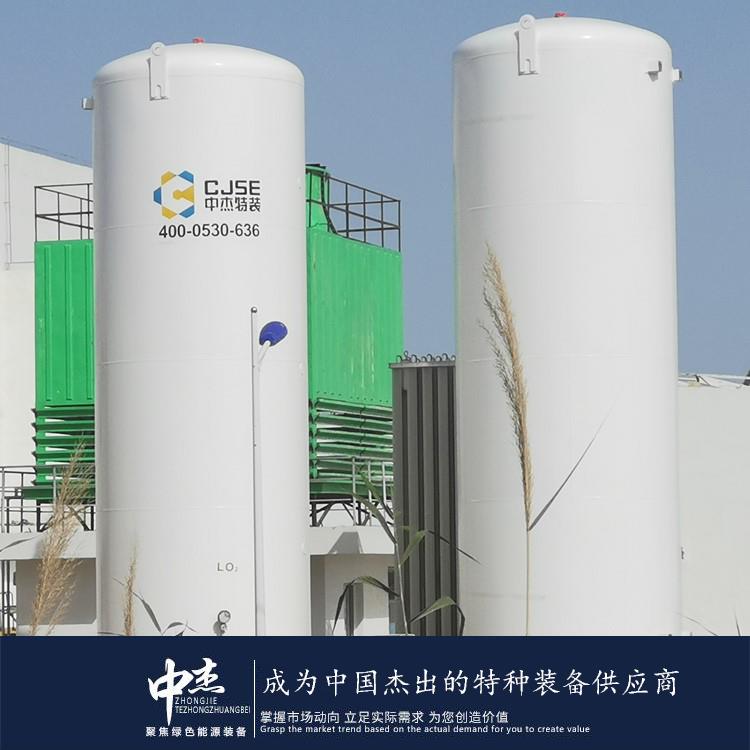
In recent years, the expansion of low-temperature liquid storage tanks has reached its peak for several reasons:
1. Increased energy demand: As the economy grows and the population expands, the demand for energy continues to rise. Low-temperature liquid storage tanks are primarily used for storing liquefied natural gas (LNG), liquid oxygen (LOX), liquid nitrogen (LIN), and other low-temperature liquid energy sources to meet the growing energy needs.
2. Greenhouse gas emission reduction: These tanks can store and transport liquid carbon dioxide (CO2), used in carbon capture and storage (CCS) technology to reduce greenhouse gas emissions. With heightened awareness of environmental protection and climate change, the demand for low-temperature liquid storage tanks in the CCS field has also increased.
3. Industrial development needs: The application of low-temperature liquid storage tanks in the industrial sector is also on the rise. For instance, in industries such as chemicals, pharmaceuticals, food and beverage, there is a need to store and transport low-temperature liquid raw materials or products, like liquid nitrogen, liquid oxygen, and liquid ethylene. As these industries develop, so does the demand for low-temperature liquid storage tanks.
4. Technological advancement and innovation: In recent years, there have been continuous advancements and innovations in the design, manufacturing, and transportation of low-temperature liquid storage tanks. The application of new materials, optimization of tank structures, and improvements in safety control systems have made these tanks safer and more reliable, further propelling their expansion to a peak.
In summary, factors such as increased energy demand, greenhouse gas emission reduction, industrial development needs, and technological advancement and innovation have collectively driven the expansion of low-temperature liquid storage tanks to a peak in recent years. As related industries develop and technology advances, the demand for these tanks is expected to continue growing.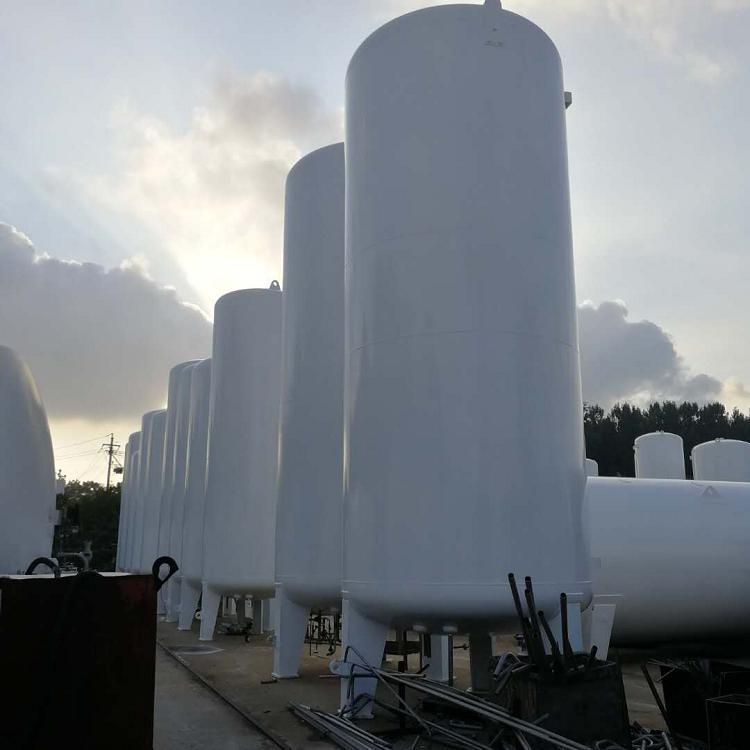
Carbon dioxide storage tanks are equipment used for storing and transporting carbon dioxide gas, operating on the principles of pressure vessels and the physical properties of carbon dioxide. Pressure Vessel Principle: A carbon dioxide storage tank is a pressure vessel capable of withstanding the pressure of the internal gas. It is typically made of high-strength materials like steel. The tank's design and structure are engineered to withstand high pressure, ensuring safe storage and transportation of the gas. Compressed Gas Storage: Carbon dioxide is a gas at room temperature but can be compressed into a liquid under high pressure. Storage tanks use high pressure to compress the gas into a liquid, achieving higher storage density. The volume occupied by liquid carbon dioxide is relatively small, allowing for more gas to be stored. Level Control: The tank is equipped with a level control system to monitor and control the level of liquid carbon dioxide. This system usually includes level sensors and control valves, ensuring the tank's level remains within a safe range. Pressure Control: The tank also features a pressure control system to monitor and control the internal gas pressure. This system typically includes pressure sensors and safety valves, ensuring the pressure within the tank stays within a safe range, preventing damage or safety risks due to excessive or low pressure. Through these principles, carbon dioxide storage tanks can safely store and transport carbon dioxide gas to meet the needs of various fields, such as food processing, beverage manufacturing, and fire suppression. When using carbon dioxide storage tanks, it is necessary to follow relevant safety operation procedures and guidelines to ensure safe operation and use.
When cooling carbon dioxide storage tanks, be mindful of the following points and familiarize yourself with the basic steps of the cooling process:
Points to Note:
- Safety: Pay attention to safety during the cooling process to ensure the safety of the operators and the surrounding environment. Adhere to relevant safety operation procedures and standards, and use appropriate personal protective equipment.
- Equipment Selection: Choose the appropriate cooling equipment and tools, such as cooling media (e.g., liquid nitrogen), coolers, and cooling systems. Select the suitable cooling equipment based on the tank's size and requirements.
- Temperature Control: Control the temperature during the cooling process to avoid overcooling or insufficient temperature. Determine the appropriate cooling temperature range based on the tank's design requirements and operating conditions.
Cooling Process Analysis:
- Preparation: Ensure there are no residual gases or impurities inside the tank to avoid affecting the cooling effect. Check the tank's sealing and the operation of the safety valve.
- Cooling Media Injection: Inject the cooling media (e.g., liquid nitrogen) into the tank to lower the tank's temperature. Control the injection rate and volume during the process to avoid over-injection leading to excessive pressure.
- Cooling Time: Determine the cooling time based on the tank's size and requirements. The cooling time typically needs to be long enough to ensure the carbon dioxide inside the tank is adequately cooled and liquefied.
- Temperature Monitoring: Regularly monitor the tank's temperature during the cooling process to ensure it remains within the appropriate range. Use temperature sensors or infrared thermometers for monitoring.
- Cooling Completion: The cooling process is complete when the tank's temperature reaches the predetermined cooling requirements. At this point, the carbon dioxide inside the tank should be in a liquid state.
It should be noted that the specific cooling process and steps may vary depending on the tank design and usage scenarios. When performing cooling operations, adhere to relevant safety operation procedures and standards to ensure safety and effectiveness.
Shandong Zhongjie Special Equipment, welcome customers to visit our factory for business negotiations.
Xuan-cheng 15 cubic CO2 storage tank - Trusted
