


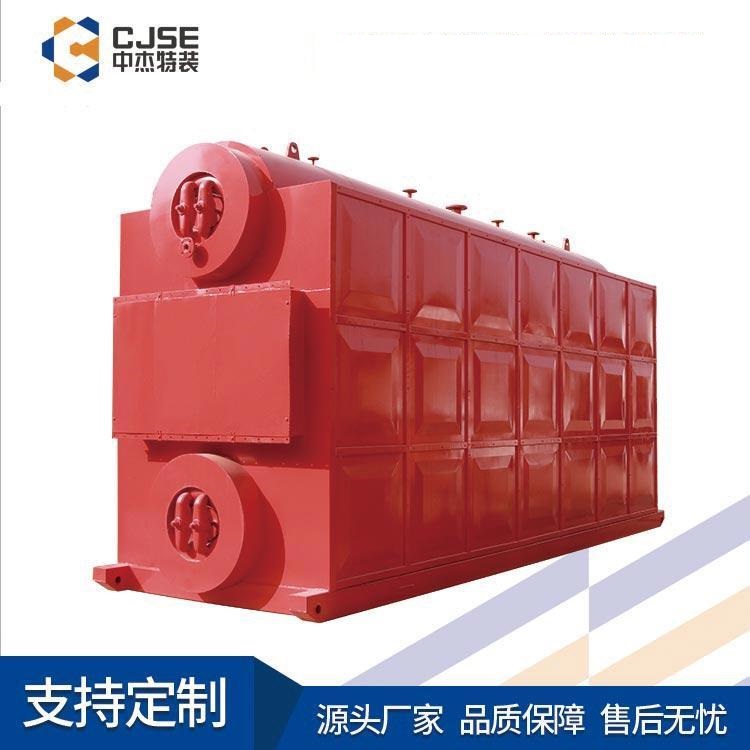
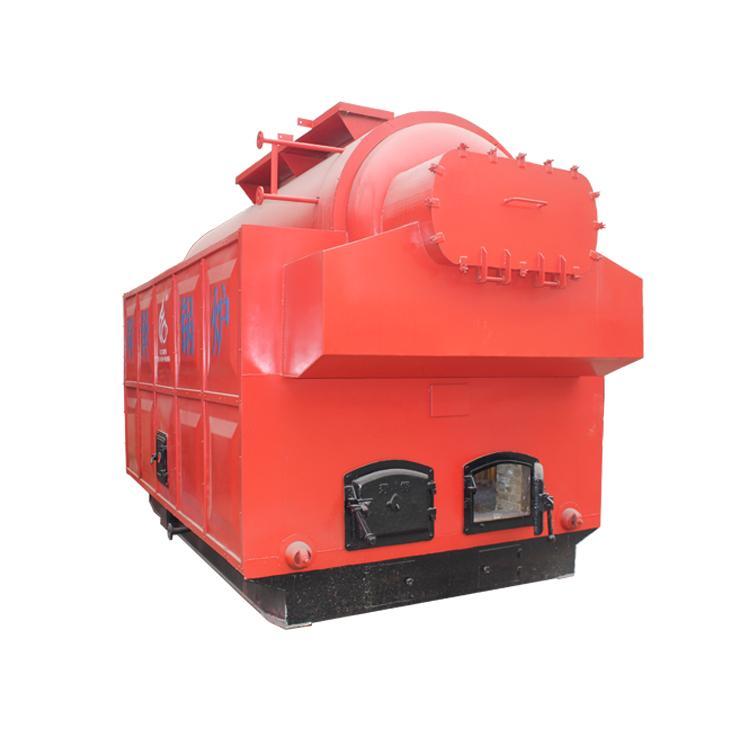

Shandong Zhongjie Special Equipment (formerly Heze Boiler Factory Co., Ltd.) holds an A-grade boiler manufacturing license, an A2-grade pressure vessel manufacturing license, an A2-grade pressure vessel design license, a B-grade boiler installation license, and GB2/GB3-grade pressure pipeline installation licenses, as well as a qualification for mechanical and electrical equipment installation contracts. It is a member of the China Boiler and Water Treatment Association, the China Chemical Equipment Association, and the director unit of the Shandong Equipment Manufacturing Association. The company has also passed the ISO9001 Quality Management System, ISO14001 Environmental Management System, OHSAS18001 Occupational Health and Safety Management System certifications, and the American ASME/U2 certification.
The operation methods for biomass boilers can be selected and adjusted according to specific application needs and scenarios. Here are some common operation methods:
Heating Systems: Biomass boilers can be used in heating systems to provide hot water or steam for buildings, industrial plants, etc. Heat energy can be transmitted through pipelines to the areas requiring heating, meeting needs for heating and hot water.
Industrial Production: Biomass boilers can be used for heat supply in industrial production processes, such as food processing, pulp and papermaking, and chemical industries. The thermal energy provided by biomass boilers meets the heating and steam requirements in industrial production.
Greenhouse Heating: Biomass boilers can be used in greenhouse heating systems to provide hot water or steam for greenhouses, maintaining suitable temperature and humidity within the greenhouse to promote plant growth.
Rural Heating: Biomass boilers can be used in rural heating systems to provide heating and hot water for rural residents. They can meet the heating needs of rural areas through either centralized or decentralized heating.
Hot Water Pump Drying: Biomass boilers can be used in hot water pump drying systems for drying wood, grain, and other materials. By providing hot water or steam, the drying process is accelerated, enhancing efficiency.
Biomass Power Generation: Biomass boilers can be integrated with power generation equipment for biomass power generation. By burning biomass fuel to produce steam, it drives the generator to generate electricity, achieving energy utilization and conversion.
Above are some common application methods for biomass boilers. Depending on specific requirements and scenarios, you can choose a suitable application approach and combine it with relevant equipment and systems for configuration and adjustment.
To enhance the thermal efficiency of biomass boilers, the following measures can be taken:
Optimize the combustion system: Ensure the biomass boiler's combustion system operates effectively with high combustion efficiency. Adoption of combustion technologies such as fluidized bed combustion and chain grate combustion can enhance combustion efficiency and thermal energy utilization.
Control fuel quality: Select biomass fuels by volume, such as dry wood chips, straw, etc., and avoid fuels with high moisture content. High-moisture fuels consume additional heat for water evaporation, reducing combustion efficiency.
Properly Adjust Fuel Supply: Adjust the fuel supply quantity according to actual needs to avoid over-supply or under-supply. Over-supply leads to fuel waste, while under-supply affects combustion efficiency.
Control combustion temperature: Maintain an appropriate range of combustion temperature to avoid excessively high or low temperatures. Excessively high temperatures can lead to heat loss in the fuel, while excessively low temperatures can affect the combustion efficiency.
Regular cleaning and maintenance: Regularly clean the combustion chamber, flue, heat exchanger, and other components of the biomass boiler to keep them clean and unobstructed. Accumulated ash and dirt can affect heat conduction and heat exchange efficiency, reducing thermal efficiency.
Utilize waste heat recovery technology: Employ waste heat recovery units to utilize the excess heat generated from combustion for heating systems or other applications.
Blowing dust refers to the process of removing dust and scale from the boiler flue, furnace, and heat exchange surfaces during the operation of a boiler, by means of high-pressure steam or compressed air injection. The function of blowing dust and its impact on the operation of biomass boilers are as follows:
Function:
Dust and soot: The combustion of biomass produces a significant amount of dust and soot, which can adhere to the flue, furnace, and heat exchange surfaces of the boiler, affecting the efficiency of heat transfer. Blowing dust can remove these accumulations, keeping the boiler clean.
Enhance Heat Transfer Efficiency: Ash and dirt buildup on the boiler flue, furnace, and heat exchange surfaces create thermal resistance, hindering heat transfer. Blowing off the soot can eliminate this resistance, improving heat transfer efficiency and reducing energy waste.
Prevent Scaling and Corrosion: Ash and dirt accumulation on boiler flues and furnace walls can lead to excessively high local temperatures, causing scaling and corrosion issues. Blowing ash can lower local temperatures and prevent the occurrence of scaling and corrosion.
Impact:
Boiler thermal efficiency: Blowing ash can remove accumulated dust and dirt from the flue, furnace, and heat exchange surfaces, enhancing the efficiency of heat transfer, thereby improving the boiler's thermal efficiency.
Boiler safety: Blowing ash prevents scaling and corrosion in the boiler flue and furnace, reducing safety hazards and ensuring the safe operation of the boiler.
Boiler Stability: Blowing ash helps maintain the boiler's cleanliness, reducing the impact of accumulated dust and dirt on the boiler's operation, thereby enhancing the boiler's performance.
The fully automatic biomass boiler boasts the following features:
Automated Control: The fully automatic biomass boiler is equipped with an automated control system that enables automatic ignition, fuel supply, and automatic adjustment of combustion parameters. Through the coordination of sensors and controllers, intelligent control of the boiler and monitoring of its operating status are achieved.
Energy-saving: The fully automatic biomass boiler utilizes advanced combustion technology and heat recovery techniques to maximize the thermal energy of biomass fuel, enhancing energy efficiency. Additionally, the automated control system can intelligently adjust to actual demand, reducing energy waste.
Low Emission Environmental Protection: The combustion process of fully automatic biomass boilers produces relatively low levels of pollutants. Through reasonable combustion adjustment and auxiliary pollution control equipment such as dust collectors and nitrogen oxide control devices, the emission of pollutants like particulates and nitrogen oxides in flue gas can be further reduced.
Multiple Fuel Adaptability: The fully automatic biomass boiler boasts strong fuel adaptability, suitable for a variety of biomass fuels such as wood chips, straw, wheat straw, fruit shells, etc. This allows for the selection of the appropriate fuel based on actual conditions, enhancing flexibility and sustainability.
Safety and Reliability: Our fully automatic biomass boilers are designed and manufactured with safety and reliability in mind, featuring multiple safety protection devices such as overheat protection, pressure protection, and burner failure protection. Additionally, the automated control system can monitor and alarm in real-time, ensuring the safe operation of the boiler.
In summary, fully automatic biomass boilers feature automated control, energy-saving, low emissions for environmental protection, versatility in fuel types, and safety and reliability.
Shandong Zhongjie Special Equipment, welcome customers to our factory for business talks.
Guangxi, 50-ton biomass boiler, high cost-performance ratio
