


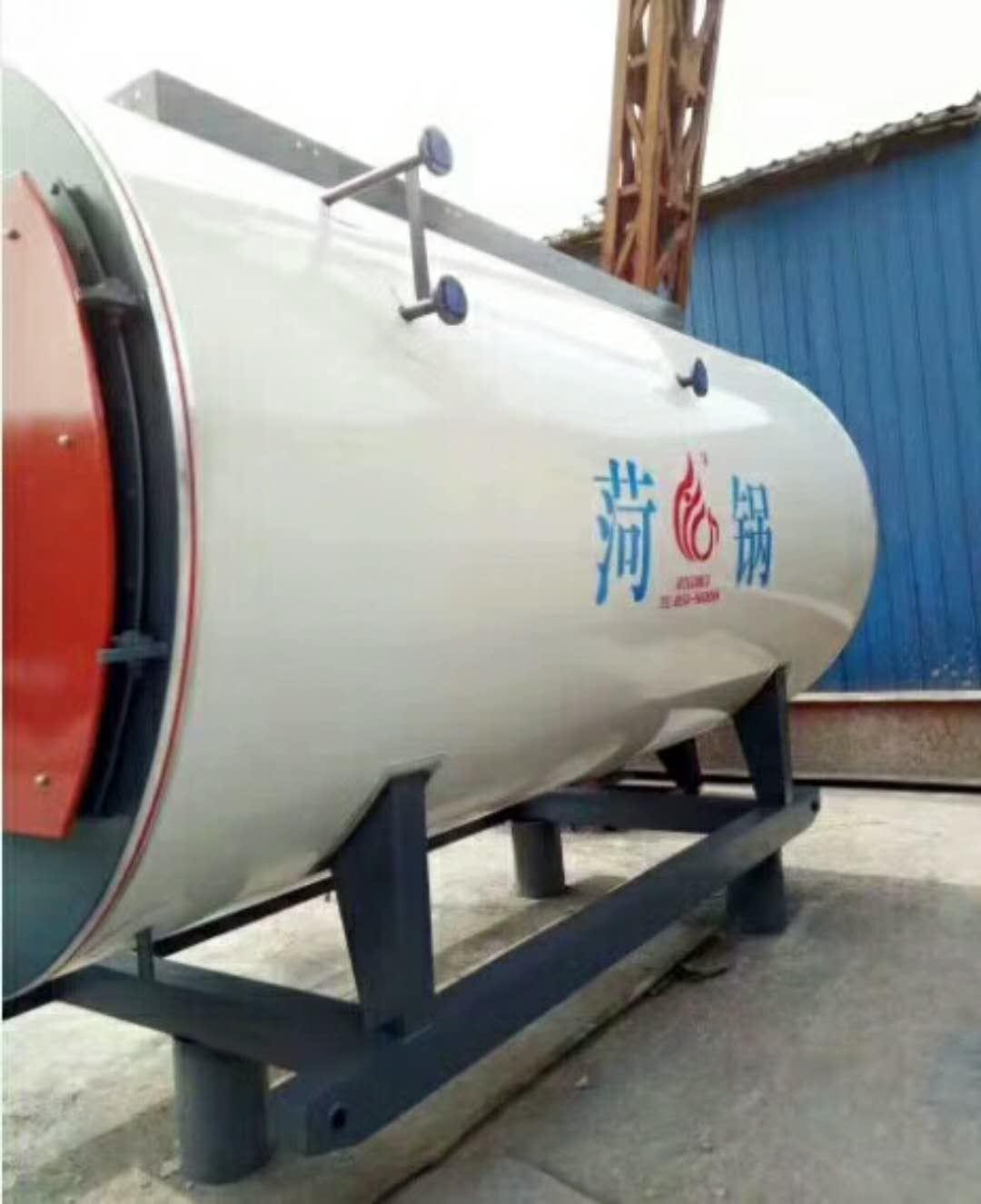


Shandong Zhongjie Special Equipment (formerly Heze Boiler Factory Co., Ltd.) holds an A-grade boiler manufacturing license, an A2-grade pressure vessel manufacturing license, an A2-grade pressure vessel design license, a B-grade boiler installation license, and GB2/Class and GC2/Class pressure pipeline installation licenses, as well as a mechanical and electrical equipment installation contracting qualification. It is a member of the China Boiler and Water Treatment Association, the China Chemical Equipment Association, and the理事 unit of the Shandong Equipment Manufacturing Association. The company has also passed the ISO9001 Quality Management System, ISO14001 Environmental Management System, OHSAS18001 Occupational Health and Safety Management System certifications, and the American ASME/U2 certification.
The leak treatment methods for liquid argon storage tanks mainly include the following steps:
Identified Leaks: Leaks in liquid argon storage tanks are detected through odors, gas detection instruments, or abnormal pressure in liquid argon tanks.
Confirm air leakage location: Use gas detection equipment or foam leak detection agents, etc., to pinpoint the exact location of air leakage. Check tank interfaces, valves, pipe connections, and other areas to locate the air leakage points.
Cease Air Leaks: Take appropriate measures to stop the source of air leaks based on the location of the leaks. For instance, with leaks at interfaces, inspect and adjust sealing washers or tighten bolts; for valve air leaks, check and replace seals.
Isolate Air Leaks: During the process of dealing with air leaks, it is necessary to isolate the leaky areas to ensure personnel safety. Set up warning signs, restrict access to the area, and take necessary protective measures, such as wearing protective masks, gloves, etc.
Empty liquid argon: If a leak cannot be repaired immediately or the leak rate is high, consider emptying the liquid argon. By gradually reducing the pressure of liquid argon in the storage tank, convert it into gas to minimize the risk of leakage.
Ventilation Treatment: During the air leak treatment, ensure good ventilation and promptly exhaust the gases produced by the evaporation of liquid argon. This can be achieved by natural ventilation or the use of ventilation equipment to expel the vaporized gases to the outdoors.
Safety Assessment and Repairs: After the air leakage treatment is completed, conduct a safety assessment to ensure the tank's safety. Based on the assessment results, perform necessary repairs and maintenance to prevent further air leakage.
Note that liquid argon is a low-temperature liquid with a low boiling and freezing point. Caution is required when dealing with air leaks to prevent contact with liquid argon, which can cause coldness. When handling air leaks in liquid argon storage tanks, the operation should be performed by personnel and follow the relevant safety operation procedures and standards.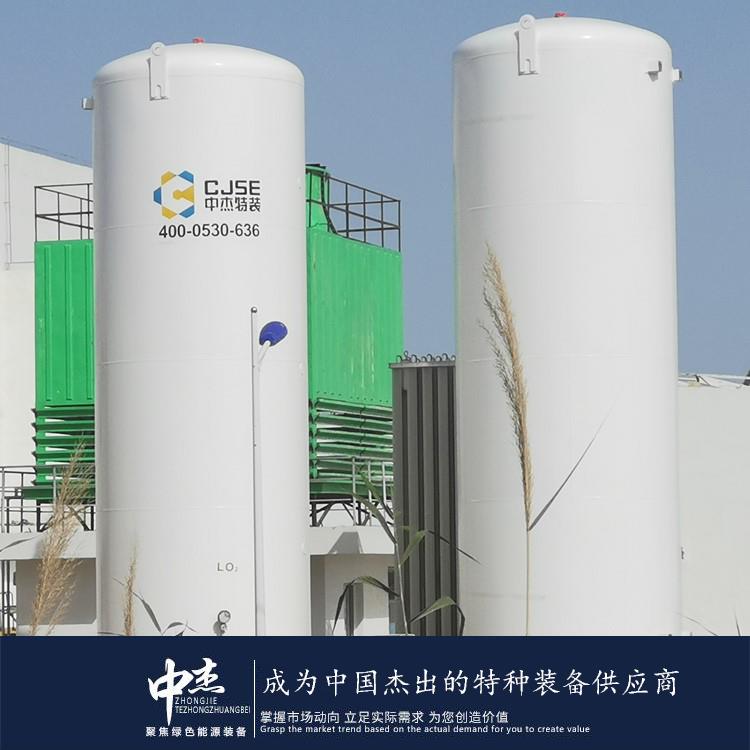
Safe operation of low-temperature liquid storage tanks is primarily crucial in the following aspects:
Tank design and material selection: The tank design must comply with relevant safety standards and regulations, capable of withstanding the pressure and temperature of low-temperature liquids. Choose suitable materials, such as stainless steel and aluminum alloys, to ensure the tank's corrosion resistance and low-temperature performance.
Insulation and Protection Measures: Low-temperature liquid storage tanks should be equipped with an effective insulation layer to reduce heat transfer and evaporation of the liquid. The selection and installation of the insulation layer should comply with relevant standards and requirements. In addition, protective measures such as anti-freezing and explosion-proof measures should be implemented to ensure the safe operation of the tank.
Pressure Control and Safety Valves: Low-temperature liquid storage tanks should be equipped with a reliable pressure control system and safety valves to ensure that the pressure inside the tank remains within a safe range. The pressure control system should be capable of promptly detecting and adjusting the pressure inside the tank to prevent risks from excessive or low pressure.
Leak and Fire Protection: Low-temperature liquids are highly flammable, so measures should be taken to prevent leaks and fires. Storage tanks and related pipelines must have good sealing and regular inspections and maintenance to prevent leaks. Additionally, appropriate fire protection equipment and firefighting tools should be provided to address fire risks.
Safety Operation and Training: Operators must undergo relevant safety training, familiarize themselves with the safety operation procedures and emergency response measures for low-temperature liquid storage tanks. Adhere to correct operational steps to ensure safe operation.
Regular inspections and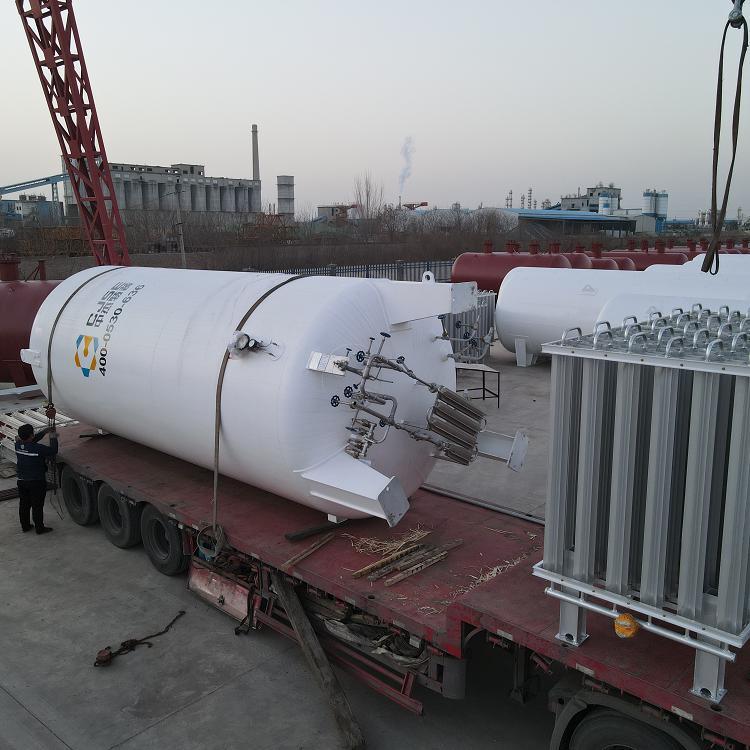
When selecting a liquid oxygen storage tank with a medical oxygen concentrator, consider the following factors:
Requirement: First, determine the oxygen demand of the institution or individual. Select the appropriate oxygen concentrator model and specification based on the required oxygen flow rate and pressure.
Safety and Reliability: Ensure the selected oxygen concentrator has high levels of safety and reliability. Choose products that comply with relevant standards and regulations, featuring safety functions such as over-pressure protection, leakage protection, and overload protection.
Operational ease: Select an oxygen concentrator that is simple to operate and user-friendly. Consider the methods for adjusting oxygen flow and concentration, as well as the clarity and readability of the operating interface.
Quality and Reputation: Choose an oxygen concentrator with excellent quality and reliability. Refer to customer reviews, word-of-mouth, and institutional endorsements when selecting a product.
Maintenance and After-Sales Service: Understand the maintenance requirements and after-sales support for the oxygenator. Ensure timely access to repairs and technical assistance to guarantee the normal operation and maintenance of the oxygenator.
Cost-Effective: When selecting an oxygenator, consider the price, performance, and features for a product with a good cost-performance ratio. Choose an oxygenator that suits your actual needs and budget.
Be mindful that when selecting liquid oxygen storage tanks with medical oxygen generators, adhere to the relevant equipment procurement regulations and standards. It's advisable to consult with equipment suppliers or relevant organizations to ensure the chosen oxygen generator meets your requirements and safety standards.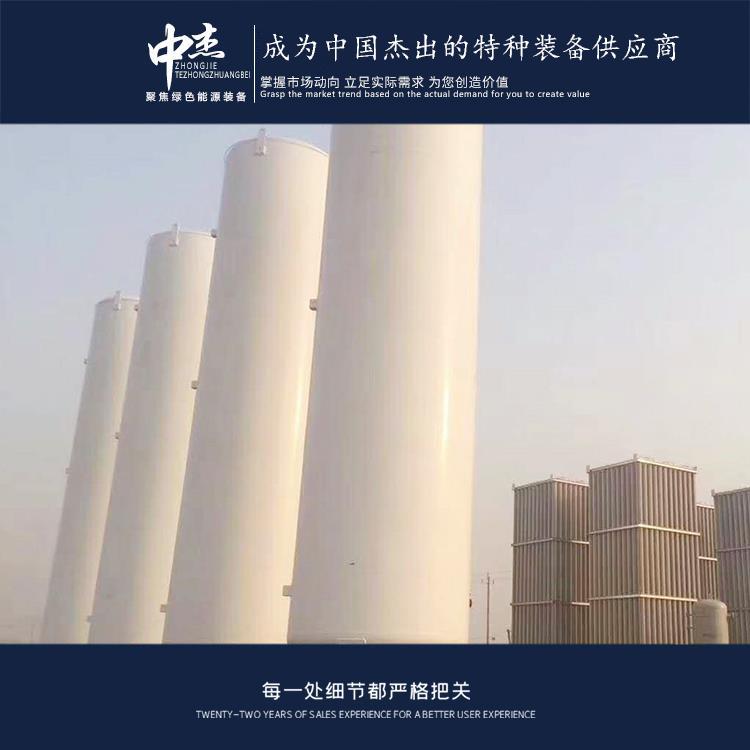
The medical oxygen steel cylinder filling area, in addition to the liquid oxygen storage tank, includes the following components:
Oxygen Compressor: Oxygen compressors are used to compress gaseous oxygen into high-pressure oxygen. These compressors are typically made with special materials and design to ensure safe handling and compression of oxygen.
Oxygen Purification System: The oxygen purification system is designed to remove impurities and contaminants from oxygen, ensuring the purity and quality of the supplied oxygen. The system typically includes filters, adsorbents, and molecular sieves.
Oxygen Storage Systems: In addition to liquid oxygen tanks, an oxygen filling facility may also include a gaseous oxygen storage system for temporary storage and supply of gaseous oxygen. The gaseous oxygen storage system typically consists of high-pressure oxygen cylinders or gas storage tanks.
Filling Equipment: Filling equipment is used to transfer oxygen from liquid oxygen storage tanks or gaseous oxygen storage systems into medical oxygen steel cylinders. The filling equipment typically includes filling machines, filling pipelines, and filling control systems.
Oxygen Quality Monitoring System: The oxygen quality monitoring system is used to monitor the quality and purity of oxygen being filled. Quality testing and supervision of the filled oxygen are conducted through an oxygen analyzer or other detection equipment.
Safety Facilities: The filling area should be equipped with corresponding safety facilities, such as fire alarm systems, oxygen leak detection systems, ventilation systems, etc., to ensure the safety and protective measures of the filling process.
It is important to note that the design and equipment configuration of a medical oxygen cylinder filling area should comply with relevant regulations, standards, and specifications. During the filling process, strict adherence to operational procedures and safety requirements is essential to ensure the safe supply of oxygen.
Our company attaches great importance to technological innovation and R&D design, boasting one municipal-level enterprise technology center in Heze City. We have established testing facilities for non-destructive testing, physical and chemical testing, welding testing, hydrostatic testing, and more. We are equipped with over 600 pieces of various instruments and equipment, including CNC machine tools, X-ray flaw detectors, digital ultrasonic flaw detectors, mechanical property testing machines, chemical analyzers, spectrometers, tensile testing machines, plasma welding machines, and others. The key products and technologies we have developed, such as welding for temperature-pressure vessels, emissions reduction in biomass boilers, and waste heat utilization, have successively been selected for multiple Shandong Provincial Department of Industry and Information Technology science and technology innovation projects, Shandong Provincial key projects, and Heze City innovative and excellent projects. We have accumulated a total of 27 authorized utility models, 16 authorized inventions, participated in drafting 2 standards, 2 industry standards, and registered 15 trademarks. Our technical team, in collaboration with Professor Yajiang Li from Shandong University, has developed deep cryogenic container processing technology using the international plasma arc + filler wire tungsten inert gas arc welding (PAW-GTAW) technology. The provincial-level scientific and technological achievement appraisal has determined that our technology level in deep cryogenic container manufacturing has reached an international standard. Choose Zhongjie Special Equipment, and let's create brilliance together!
Jiamusi Nitrogen Storage Tank - High Product Safety
