


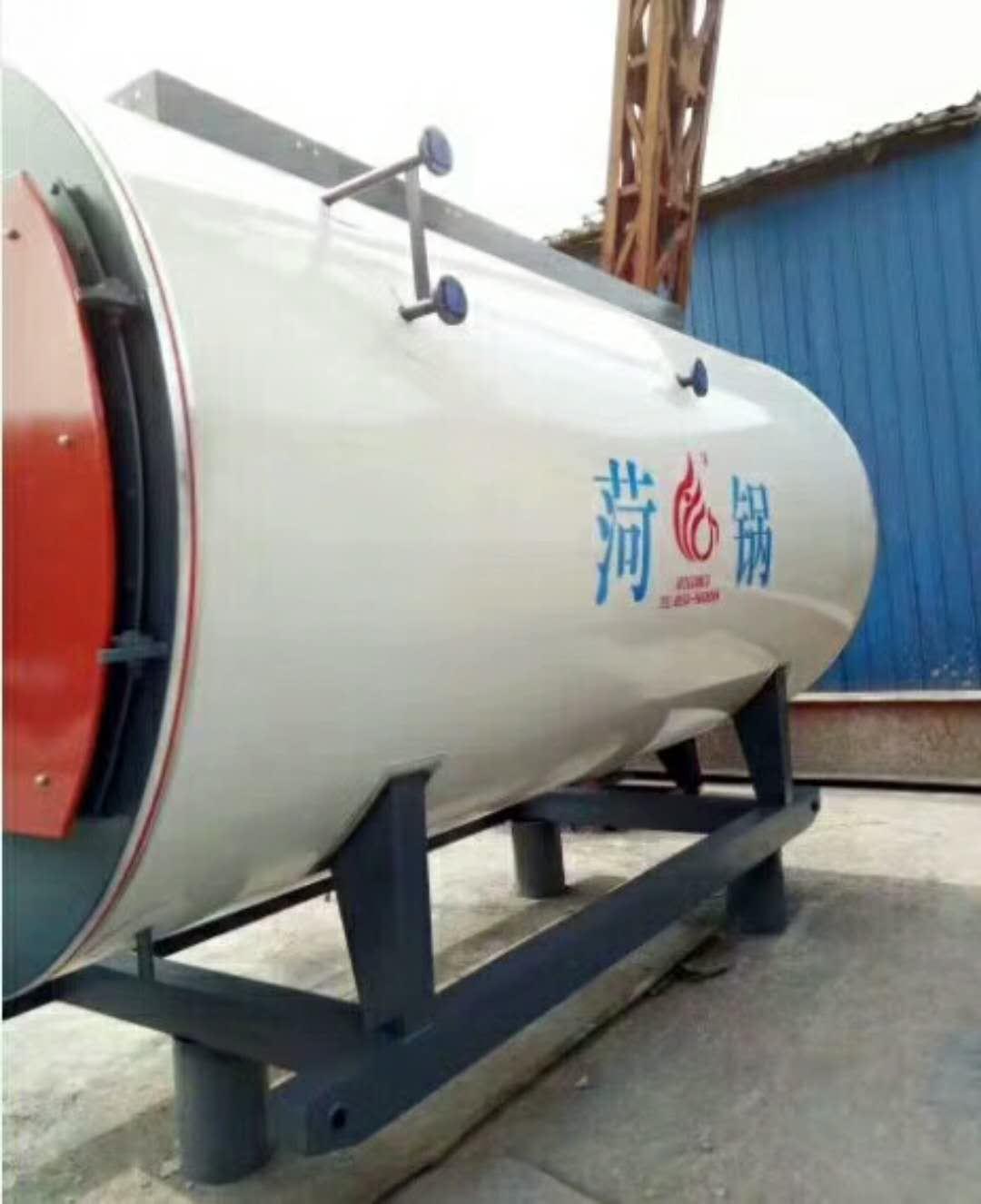

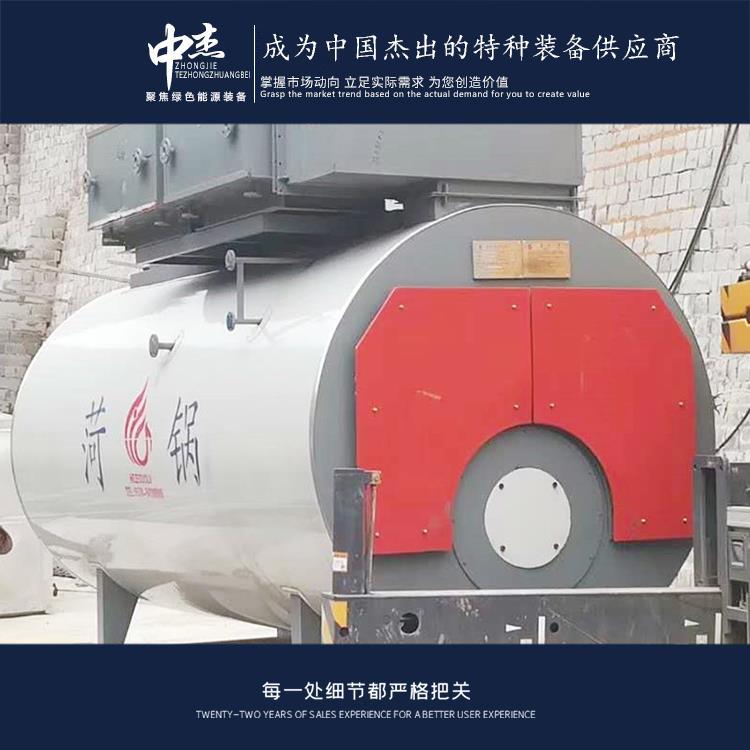
Shandong Zhongjie Special Equipment Co., Ltd. (formerly Heze Boiler Factory Co., Ltd.) was established in 2001, located at No. 2218 Jinnan Road, Development Zone, Heze City. With a registered capital of 50 million yuan and total assets of 500 million yuan, the company has 7 business centers: boilers, deep-freezing containers, pressure vessels, central air conditioning, engineering installation, international trade, and the Internet of Things. It has three manufacturing sites on Jinnan Road, East Changjiang Road, and Bohai Road, covering a total of 200,000 square meters, with the main workshop spanning 83,000 square meters. The company currently employs 710 staff, including 247 engineers and technicians, and 82 intermediate-level technicians. In December 2016, it was recognized as a "High-tech Enterprise" by the Science and Technology Department. In June 2021, it was named a "Specialized and New Enterprise in Shandong Province" by the Ministry of Industry and Information Technology. In June 2022, it was identified as a "Gazelle Enterprise in Shandong Province" and in August 2022, it was recognized as a "Specialized and New Small Giant Enterprise" by the Ministry of Industry and Information Technology.
Possible reasons for uneven heat distribution in steam boilers may include the following aspects:
- Uneven combustion: During the combustion process, an uneven mixture of fuel and air, or an improperly designed and adjusted burner, can lead to uneven combustion. This results in some areas producing more heat while others produce less.
- Pipe blockage: The presence of blockages or scale in the steam boiler's transmission pipes can cause uneven heat transfer. Blockages or scale impede steam flow, limiting heat transfer in certain areas while allowing it to be relatively better in others.
- Heat exchanger issues: If the heat exchanger in the steam boiler has scaling, corrosion, or blockages, it can lead to uneven heat transfer. These problems affect the heat conduction efficiency of the heat exchanger, impacting heat transfer in some areas.
- Water level problems: Inaccurate or unstable water level control in the steam boiler can lead to uneven steam generation. Both high and low water levels can affect steam production and distribution, resulting in uneven heat.
- Boiler load changes: Changes in the boiler load can also cause uneven heat distribution. Sudden increases or decreases in load may prevent the boiler from adjusting heat production and distribution in time, leading to uneven heat.
To address the issue of uneven heat distribution in steam boilers, regular inspection and maintenance of the boiler equipment are necessary to ensure the normal operation of combustion and heat exchange processes. Additionally, adjusting burners and control systems, maintaining stable water levels, cleaning pipes and heat exchangers, and improving...
When designing a fuel-gas boiler room, the following points should be taken into consideration:
Safety Considerations: Ensure the design of the boiler room complies with relevant safety standards and regulations. Consider fire risks and install appropriate firewalls, fire doors, and fire isolation facilities. Ensure good ventilation in the boiler room, and set up suitable ventilation equipment and flue systems to expel harmful gases produced by combustion.
Space and Layout: Plan the space and layout of the boiler room based on the number and size of the boilers. Ensure there is sufficient space for operation, maintenance, and cleaning. Arrange the boilers, fuel storage equipment, flue systems, and pipeline layouts in a manner that facilitates operation and maintenance.
Fuel Supply and Storage: Consider the needs for fuel supply and storage. Ensure the safety and reliability of fuel supply pipelines and equipment to prevent leaks and contamination. Plan the capacity and location of fuel storage equipment reasonably to ensure adequate fuel supply and compliance with relevant safety requirements.
Emission and Exhaust Gas Treatment: Consider the emission and treatment of exhaust gases produced by combustion. Set up appropriate flue systems and exhaust gas treatment equipment to minimize the impact of emissions on the environment. Ensure the design and layout of the flue system are reasonable and can effectively expel smoke and exhaust gases.
Control and Monitoring Systems: Design suitable control and monitoring systems to ensure the safety and operation of the boiler. This includes monitoring and control equipment for parameters such as temperature, pressure, and flow, as well as alarm and automatic shutdown devices. Ensure operators can promptly understand the operating status of the boiler and take appropriate actions.
A thermal oil heater is a device that uses thermal oil as the heat medium, transferring heat energy produced by combustion or electric heating to the equipment or process that requires heating. The working principle of a thermal oil heater involves heating the thermal oil to a certain temperature and then circulating it through a pump to the heated equipment or process, transferring heat to the heated object. The thermal oil exchanges heat with the heated object in the heat exchanger, raising the object's temperature while cooling the oil, which then returns to the furnace for reheating in a continuous cycle. The heat transfer process in a thermal oil heater primarily relies on the thermal conductivity of the oil. Thermal oil has a high thermal conductivity, enabling it to rapidly transfer heat to the heated object, achieving effective heating. Additionally, it boasts high thermal stability, allowing it to operate stably at high temperatures without decomposition or oxidation. A thermal oil heater typically consists of the furnace body, combustion system, flue gas system, heat exchanger, circulating pump, and control system. The furnace body is the main component, housing the thermal oil and combustion system. The combustion system is responsible for burning fuel to generate heat and heat the thermal oil. The flue gas system is used to exhaust the combustion gases. The heat exchanger is the equipment where the thermal oil exchanges heat with the heated object. The circulating pump is tasked with circulating the thermal oil back to the furnace for reheating. The control system monitors and controls the operation of the thermal oil heater to ensure safe and stable operation. Thermal oil heaters offer advantages such as high temperature control accuracy, fast heating speed, low energy consumption, and easy operation, and are widely used in industries like chemicals, textiles, food processing, papermaking, and in special heating processes.
The inspection of the heat-conducting oil boiler tube plates is to ensure the safe operation of the boiler and prevent potential issues. The following are general steps for inspecting heat-conducting oil boiler tube plates:
- Visual Inspection: Conduct a visual examination to check for any obvious corrosion, cracks, deformation, or other anomalies on the surface of the tube plates. Pay special attention to checking for cracks or leaks at the welds and connections.
- Clean the Tube Plates: Clean the surface of the tube plates thoroughly to remove dirt and deposits for proper inspection.
- Ultrasonic Testing: Use an ultrasonic testing device to inspect the tube plates to detect any possible cracks or other defects. Ultrasonic testing helps determine the integrity and reliability of the tube plates.
- Pressure Test: Perform a pressure test to verify the sealing and pressure resistance of the tube plates. Gradually increase the pressure during the test, observe for any leakage, and ensure the tube plates can withstand the designed pressure.
- Tube Plate Thickness Measurement: Use an ultrasonic thickness gauge to measure the thickness of the tube plates to ensure they meet design requirements. Pay particular attention to the corrosion condition to ensure it is within a safe range.
- Weld Inspection: Inspect the welds on the tube plates to ensure the quality of the welds meets relevant standards and specifications. Check the integrity of the welds, the quality of the welding, and whether the welding process meets requirements.
- Documentation and Reporting: Document and report the inspection results of the tube plates, including any issues found, corrective measures, and recommendations. These records and reports can serve as references for future maintenance and management.
It is important to note that the inspection of heat-conducting oil boiler tube plates should be carried out by qualified personnel and strictly in accordance with relevant standards and specifications. If any issues or anomalies are found, appropriate repair and maintenance measures should be taken promptly to ensure the safe operation of the boiler.
Shandong Zhongjie Special Equipment, welcome customers to our factory for business discussions.
Xiangxi 2-ton gas boiler, customizable to your requirements
