


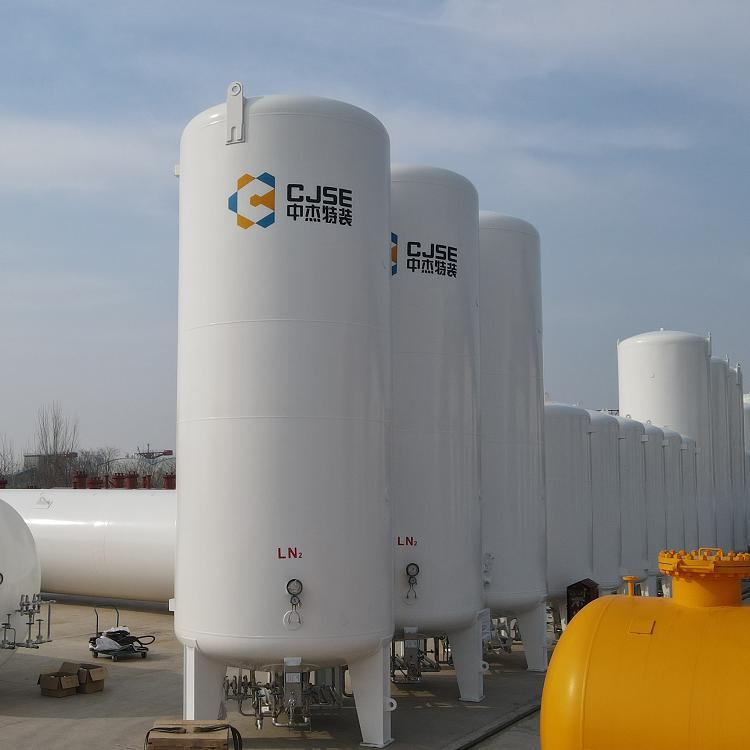
Shandong Zhongjie Special Equipment (formerly Heze Boiler Factory Co., Ltd.) holds an A-grade boiler manufacturing license, A2-grade pressure vessel manufacturing license, A2-grade pressure vessel design license, B-grade boiler installation, and GB2/Class, GC2/Class pressure pipeline installation licenses, as well as equipment and machinery installation contracting qualifications. It is a member of the China Boiler and Water Treatment Association, the China Chemical Equipment Association, and the director unit of the Shandong Equipment Manufacturing Association. The company has also passed certifications for the ISO9001 Quality Management System, ISO14001 Environmental Management System, OHSAS18001 Occupational Health and Safety Management System, and the American ASME/U2 certification.
The testing and maintenance procedures for liquid oxygen storage tanks encompass the following aspects:
Appearance Inspection: Conduct regular visual inspections of liquid oxygen tanks, checking for any signs of corrosion, wear, leakage, and ensure the tank's exterior is in good condition.
Pressure Testing: Regular pressure tests of the liquid oxygen storage tank are conducted to evaluate its pressure resistance. The tests should be carried out in accordance with relevant standards and specifications to ensure the tank can withstand the designed working pressure.
Leak Detection: Regularly conduct leak detection on liquid oxygen storage tanks, including using leak detection equipment to inspect the tanks, to ensure their sealing performance is good and there are no leakage issues.
Cleanliness and Coating Protection: Regularly clean and apply protective coatings to liquid oxygen tanks to prevent corrosion and oxidation. Use appropriate cleaning agents during cleaning and avoid substances that react with liquid oxygen. Protective coatings can be anti-corrosion coatings or protective coatings.
Routine Maintenance: Regular maintenance of liquid oxygen tanks, including inspections and replacement of seals, valves, safety devices, etc., to ensure proper operation and safety reliability.
Safety Training and Operating Procedures: Conduct safety training for personnel using liquid oxygen tanks to ensure they are aware of the safe operating procedures and precautions, preventing operational errors and accidents.
Documentation and Record Management: Establish test and maintenance records for liquid oxygen storage tanks, including test results, maintenance logs, and inspection records, for traceability and management purposes.
It is essential that the testing and maintenance of liquid oxygen tanks be conducted by trained personnel, following relevant safety operating procedures and standards. Additionally, a specific testing and maintenance plan should be developed based on the tank's conditions and usage requirements, and executed as scheduled.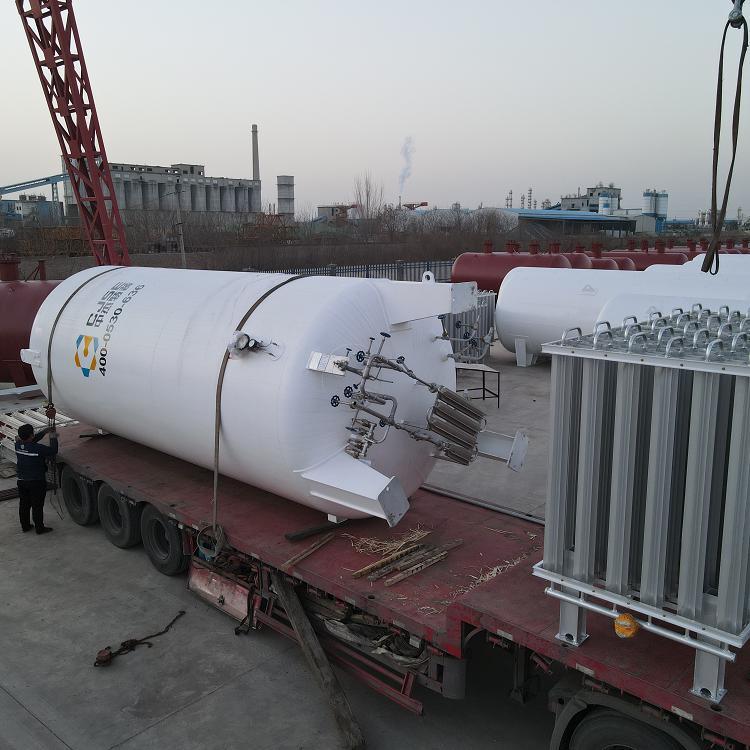
When storing liquid nitrogen in low-temperature storage tanks, please be aware of the following points:
Protective Gear: When operating low-temperature storage tanks, it is mandatory to wear appropriate protective gear, including gloves, protective clothing, and anti-slip shoes. This gear helps protect the skin from the low temperatures of liquid nitrogen and other hazards.
Avoid direct contact: Liquid nitrogen is extremely cold and can cause frostbite. Therefore, it is essential to avoid direct contact with liquid nitrogen, especially with the skin. Use tools or utensils for handling to prevent direct hand contact with liquid nitrogen.
Ventilation Requirements: In the operational area of low-temperature storage tanks, adequate ventilation must be ensured to expel gases produced by the evaporation of liquid nitrogen. Maintain air circulation to avoid excessive oxygen concentration, reducing the risk of fire and explosion.
Prevent Leaks: Regularly inspect low-temperature storage tanks for leaks and equip them with leak detectors and alarm systems. In the event of a leak, take immediate action to contain and repair it. Avoid leaks of liquid nitrogen, as they can pose harm to personnel and the environment.
Fire Prevention Measures: Liquid nitrogen has a low boiling and freezing point, which makes it prone to fire. Measures such as setting up fire barriers around low-temperature storage tanks and using fire-resistant coatings are taken to prevent fires from occurring and spreading.
Static protection: The accumulation of static electricity in low-temperature tanks may cause sparks, increasing the risk of fire. Measures such as using static-conductive materials and anti-static equipment should be taken to reduce the accumulation and release of static electricity.
Regular inspections and maintenance: Conduct regular checks on the condition of low-temperature storage tanks and related equipment, including valves, pipes, pressure gauges, etc. Ensure that the equipment is in good condition without damage, and promptly repair or replace any damaged parts.
Waste Gas Treatment: Low-temperature storage tanks generate waste gas during operation, which requires appropriate waste gas treatment measures to minimize environmental impact.
Above are the precautions to be taken when storing liquid nitrogen in a low-temperature storage tank, ensuring safe operation and normal tank operation. During the operation, strictly follow the relevant operational procedures and safety operation requirements to avoid accidents.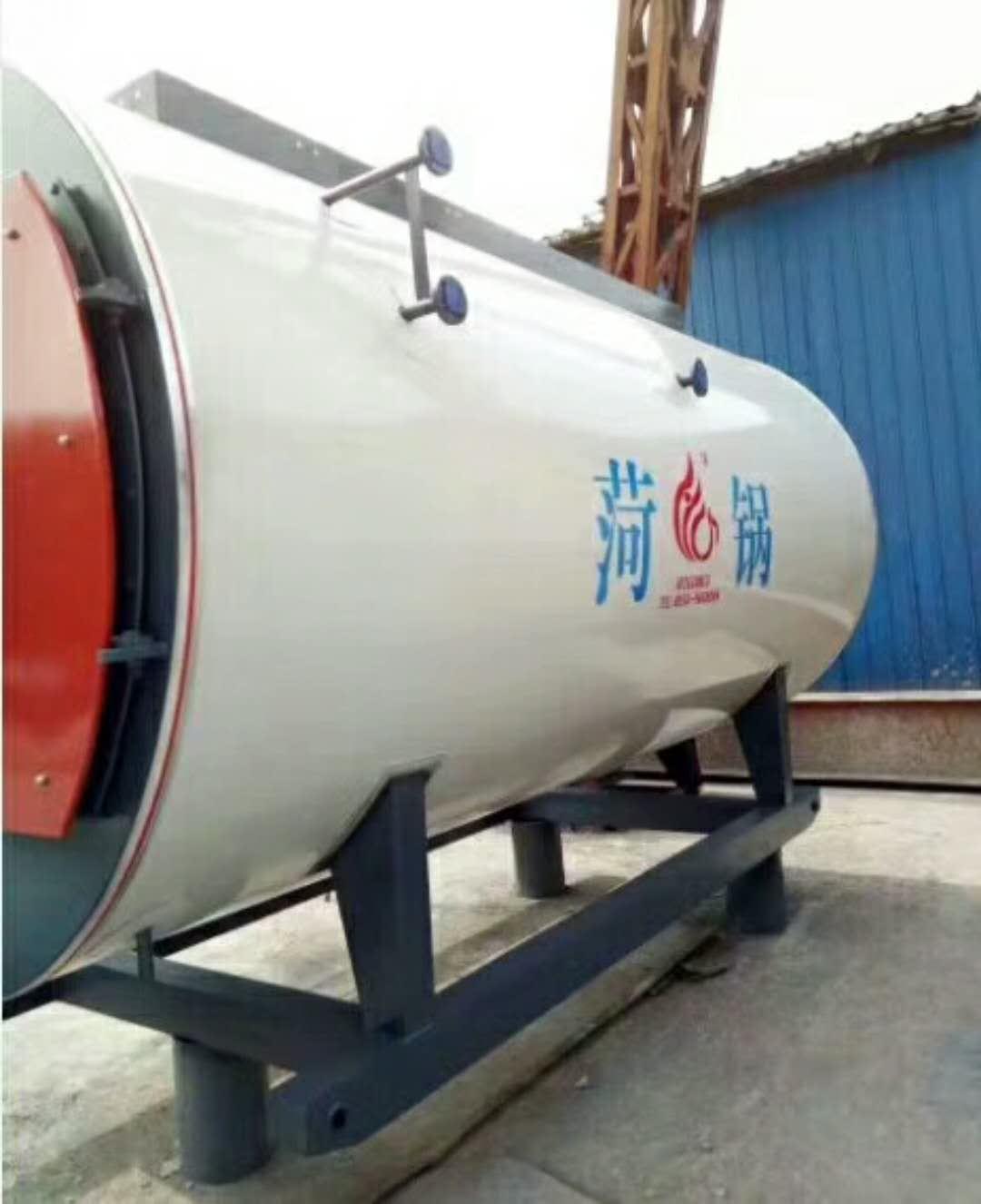
When selecting welding materials for pressure vessels, several factors should be considered:
Material Matching: The selection of welding materials should match the base material of the pressure vessel to ensure the strength and corrosion resistance of the weld joints. Common material matches include carbon steel welding materials with carbon steel base materials, stainless steel welding materials with stainless steel base materials, etc.
Strength Requirement: Select welding materials with sufficient strength based on the design requirements and working conditions of the pressure vessel. The strength of the welding materials should match the base material to ensure that the strength of the weld joint does not become a weakness of the vessel.
Corrosion Resistance: Select welding materials with good corrosion resistance based on the working environment and medium of the pressure vessel. For example, pressure vessels operating in corrosive media may require the use of stainless steel welding materials with enhanced corrosion resistance.
Welding Performance: The selection of welding materials should consider their welding properties, including penetration depth, weld bead shape, crack resistance, etc. The choice of welding materials should meet the requirements of the welding process and ensure the quality of the weld joints.
Relative Standards and Regulations: When selecting welding materials, refer to relevant standards and regulations such as the ASME Boiler and Pressure Vessel Code, AWS (American Welding Society) standards, etc. These standards and regulations provide guidance and requirements for the selection of welding materials.
It's important to note that the selection of welding materials should be done by a welding engineer or a qualified welder. They can choose the appropriate materials based on specific application requirements, working conditions, and safety standards, in conjunction with relevant regulations and specifications. Moreover, manufacturers and suppliers often provide advice on material selection and technical support.
Before filling the liquid nitrogen tank, the following checks must be conducted:
Tank exterior inspection: Check for any obvious damage, deformation, or corrosion on the tank's exterior, including the tank wall, valves, pipes, and joints.
Sealability Inspection: Inspect the storage tank's sealing performance, including checking for any leakage at valves and pipe connections, to ensure the tank maintains good sealing integrity.
Pressure Check: Verify that the tank's pressure gauge is functioning properly and that the pressure is within the normal range to ensure the tank operates normally.
Level Check: Inspect the liquid level in the tank to ensure it's within the normal range, avoiding issues caused by excessive or low levels.
Insulation Layer Inspection: Verify the integrity of the storage tank's insulation layer, checking for any damage or detachment to ensure optimal insulation performance and reduce evaporation losses of liquid nitrogen.
Leak Inspection: Check for signs of liquid nitrogen leakage around the storage tank, including frost, ice, or liquid nitrogen stains on the ground.
Safety Equipment Inspection: Verify that the safety equipment of the storage tank, such as leak detectors, alarm systems, and safety valves, is functioning properly to ensure the tank's safety.
Clean Inspection: Ensure the interior of the tank is clean, free of accumulated impurities and dirt, to maintain the tank's cleanliness and hygiene.
The above lists the checks required prior to filling a liquid nitrogen storage tank, ensuring safe operation of the tank and proper storage of liquid nitrogen. During the inspection process, strictly adhere to the relevant operational procedures and safety requirements to ensure the safety of the operation.
Shandong Zhongjie Special Equipment, welcome customers to visit our factory for cooperation discussions.
Hubei Nitrogen Storage Tank - On-Site Installation
