


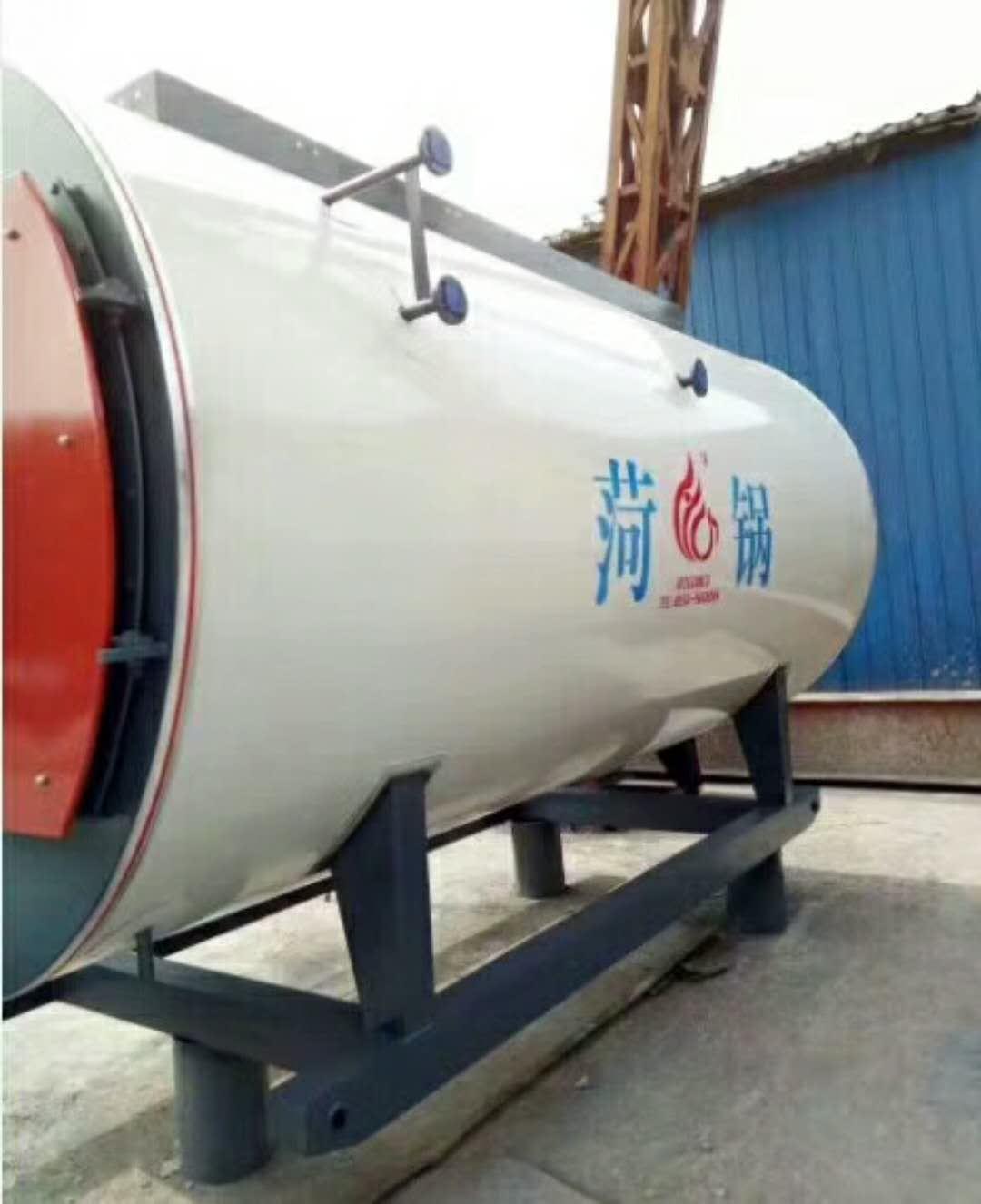

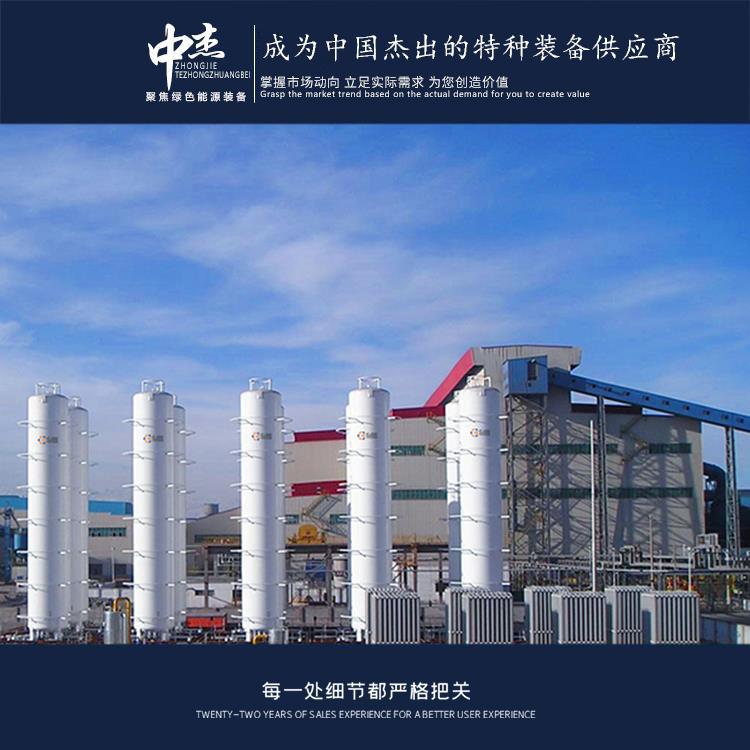
Shandong Zhongjie Special Equipment specializes in: fuel (gas) boilers, organic heat carrier boilers, biomass boilers, waste heat recovery boilers, and other boiler products; vacuum insulation cryogenic pressure vessels such as LNG tanks, oxygen/nitrogen/argon tanks, CO2 tanks; pressure vessel products including denitrification engineering equipment, heat storage and energy storage equipment, and complete chemical equipment; central air conditioning and HVAC equipment such as ground (water) source heat pumps, air source units, water-cooled screw units, and air-cooled modular units. Planned products include large-scale energy centers, LNG transport vehicles, LNG tank containers, and other green energy equipment.
During the process of constructing low-temperature liquid oxygen storage tanks with central oxygen supply, special attention should be paid to the following aspects:
Safe Operation: Strict adherence to safety procedures and standards is mandatory during the storage tank installation process. Operators must be trained, familiar with the properties and safety requirements of liquid oxygen, and knowledgeable about the equipment and operational procedures to ensure safe operations.
Fire Prevention Measures: Liquid oxygen contains a high concentration of oxygen, which is prone to cause fires. During the installation process, necessary fire prevention measures should be taken, such as setting up fire barriers, using fire-resistant coatings, and prohibiting open flames, to prevent fires from occurring and spreading.
Leakage Control: Pay attention to leakage control during the installation process. Oxygen leakage can lead to increased oxygen concentration, raising the risk of fire and explosion. Leak detectors and alarm systems should be equipped to detect and control leaks in a timely manner, and appropriate emergency measures should be taken.
Oxygen Concentration Monitoring: During the installation process, the oxygen concentration around the liquid oxygen storage tank should be monitored regularly. High oxygen concentrations can intensify the combustion of flammable substances, increasing the risk of fire and explosion. Take timely measures to ensure the oxygen concentration remains within a safe range.
Grounding and Static Protection: During the liquid oxygen plant process, ensure proper grounding of storage tanks and related equipment to minimize static buildup and discharge. Use static-conductive materials and anti-static equipment to reduce the risk of static-induced hazards.
Regular inspections and maintenance: After the installation is completed, the liquid oxygen tank should be regularly inspected and maintained. This includes visual inspections, pressure tests, leak detection, etc., to ensure the tank's safety and stability.
Note that during the installation of the central oxygen supply's low-temperature liquid oxygen storage tank, it should be handled by experienced personnel and in accordance with relevant safety operation procedures and standards. Throughout the installation process, close attention should be paid to safety risks and timely measures should be taken to ensure the safety and stability of the installation.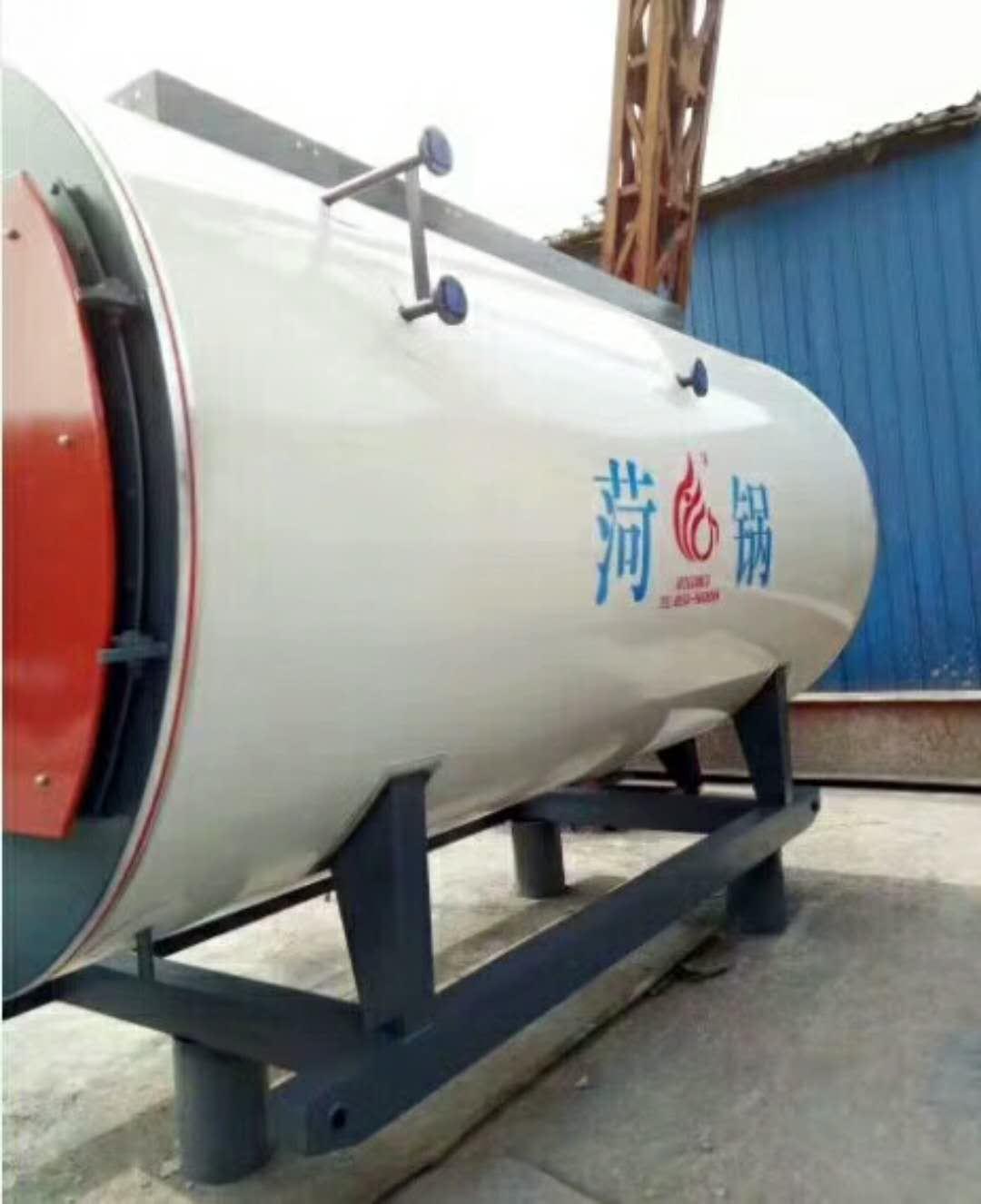
To prevent the dangers caused by static electricity in liquid oxygen tanks, the following measures can be taken:
Grounding: Ensure proper grounding of the liquid oxygen tank and related equipment. Grounding allows the release of static electricity to the ground, reducing the likelihood of static buildup. Metal components such as tanks and pipelines should be connected to a reliable grounding system.
Static Dissipative Materials: Utilize static dissipative materials to reduce the accumulation of static electricity. For instance, apply conductive coatings or materials to the insulating layer of liquid oxygen storage tanks and pipelines to discharge static electricity to the ground.
Antistatic Equipment: Utilize antistatic equipment, such as static-conductive pipes and hoses, to minimize the accumulation and discharge of static electricity. These devices aid in grounding static electricity, reducing the occurrence of static sparks.
Static grounding wire: Install static grounding wires on liquid oxygen storage tanks and related equipment to discharge static electricity to the ground. These grounding wires should be connected to a reliable grounding system and be inspected and maintained regularly.
Electrostatic Discharger: Use an electrostatic discharger to eliminate static electricity. Electrostatic dischargers neutralize static by releasing opposite charges, reducing the buildup of static and the occurrence of sparks.
Electrostatic Safety Training: Conduct electrostatic safety training for personnel using liquid oxygen tanks to enhance their awareness and prevention of electrostatic hazards. The training content can include the principles of electrostatic formation, preventive measures, and emergency response procedures.
It is important to note that the static control measures for liquid oxygen storage tanks should be designed and implemented by personnel, following relevant safety operating procedures and standards. During operation, strict adherence to the prescribed operational procedures is required to prevent the generation of static sparks and ensure the safety of the tank.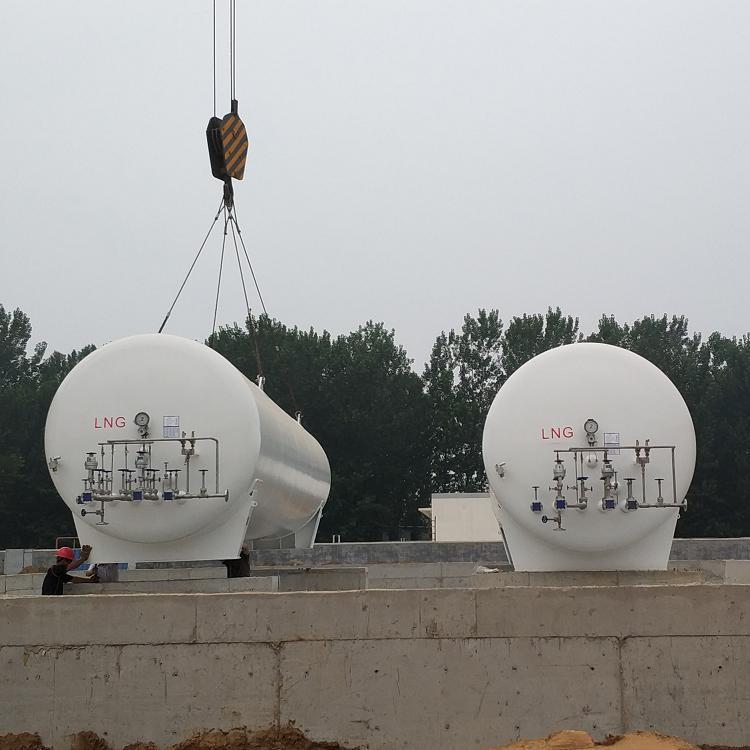
During the use of low-temperature liquid storage tanks, the following points should be noted:
Protective Gear: When handling low-temperature liquid storage tanks, it is mandatory to wear appropriate protective gear, including gloves, protective clothing, and non-slip shoes. This gear helps protect the skin from the harmful effects of low-temperature liquids.
Avoid Direct Contact: Low-temperature liquids can be cold and cause chills. Therefore, it is essential to avoid direct contact with low-temperature liquids, especially with the skin. Use tools or equipment for handling to prevent direct hand contact with low-temperature liquids.
Ventilation Requirements: Ensure adequate ventilation in the operating area of low-temperature liquid storage tanks to expel gases produced by the evaporation of the low-temperature liquid. Maintain air circulation to avoid excessive oxygen concentration, and reduce the risk of fire and explosion.
Prevent Leaks: Regularly inspect low-temperature liquid storage tanks for leaks, and equip with leak detection and alarm systems. In case of a leak, take immediate measures to control and repair it. Avoid harm to personnel and the environment caused by the leakage of low-temperature liquids.
Fire Prevention Measures: Low-temperature liquids have lower boiling and freezing points, making them prone to fires. To prevent and contain fires, fire barriers should be set up around low-temperature liquid storage tanks, and fire-retardant coatings should be used.
Electrostatic Protection: Handling low-temperature liquids may generate static electricity, increasing the risk of sparks causing fires. Measures such as using electrostatic conductive materials and anti-static equipment are taken to reduce the accumulation and discharge of static electricity.
Regular Inspections and Maintenance: Conduct regular checks on the condition of low-temperature liquid storage tanks and related equipment, including valves, pipes, pressure gauges, etc. Ensure that the equipment is in perfect condition without any damage, and promptly repair or replace any damaged parts.
Waste Gas Treatment: During the process of using low-temperature liquids, waste gas is produced, and appropriate waste gas treatment measures must be taken to minimize environmental impact.
The above are the points to be aware of when using low-temperature liquid storage tanks, ensuring safe operation and the normal functioning of the tank. During operation, strictly follow the relevant operational procedures and safety requirements.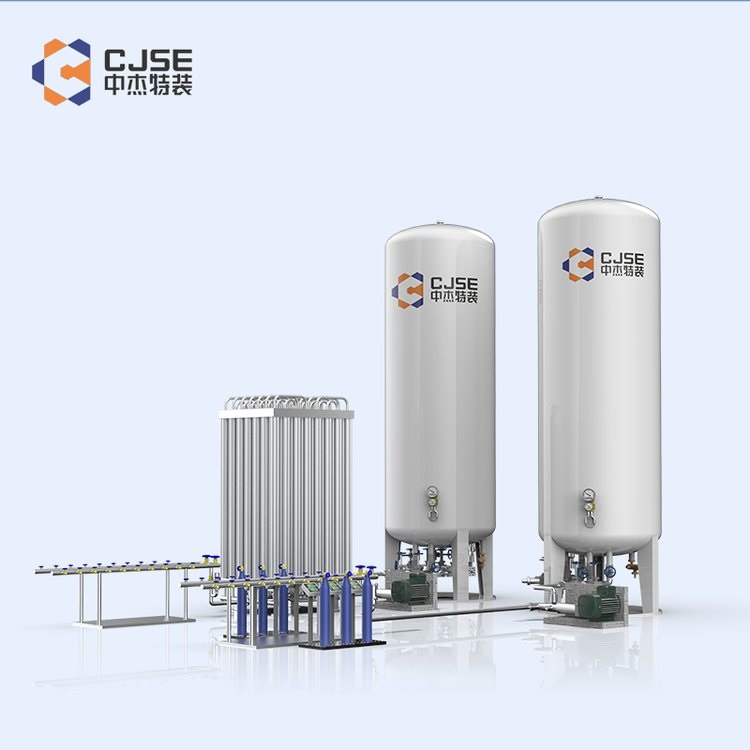
Low-temperature liquid storage tanks are equipment designed for storing low-temperature liquids, commonly used for liquid oxygen, liquid nitrogen, liquid argon, and other low-temperature liquids. These liquids are in a gaseous state at room temperature but are cooled to a liquid state under low temperatures for easier storage and use. These storage tanks are typically made from high-strength materials such as stainless steel or aluminum alloy to withstand low temperatures and high pressures. The interiors usually feature an insulating layer to minimize evaporation and maintain the low-temperature state. Applications of low-temperature liquid storage tanks include but are not limited to: They are widely used in rocket fuel and propulsion systems, such as liquid oxygen, liquid nitrogen, and liquid hydrogen storage tanks. They store and supply low-temperature liquids as fuel and oxidizers to propel rockets and maintain their operation. Industrial Production: Low-temperature liquid storage tanks are used in industrial production for storing and supplying low-temperature liquids like liquid oxygen, nitrogen, and argon. These liquids serve as coolants, feedstocks for gas separation, and reactants in chemical reactions, among other uses. Medical Applications: These tanks are used in the medical field for storing and supplying liquid oxygen, providing oxygen therapy, oxygen inhalation, and operating room applications. Laboratory Research: In scientific research and laboratories, low-temperature liquid storage tanks provide low-temperature liquids as coolants and refrigerants. They are used for cooling laboratory equipment, material research, superconductivity, and low-temperature physics, among other fields. In summary, low-temperature liquid storage tanks are widely used in aerospace, industrial production, and laboratory research to store and supply low-temperature liquids to meet the needs of various fields.
Our company highly values technological innovation and R&D design, boasting one municipal-level enterprise technology center in Heze City. We have established testing facilities for non-destructive testing, physical and chemical testing, welding testing, hydrostatic testing, and more. We are equipped with over 600 pieces of various instruments and equipment, including CNC machine tools, X-ray flaw detectors, digital ultrasonic flaw detectors, mechanical property testing machines, chemical analyzers, spectrometers, tensile testing machines, plasma welding machines, and more. The key products we have developed, such as temperature and pressure vessel welding, biomass boiler emission reduction, and waste heat utilization, have successively been selected for multiple Shandong Provincial Department of Industry and Information Technology science and technology innovation projects, key projects in Shandong Province, and Heze City innovative and excellent projects, etc. We have cumulatively obtained 27 authorized utility model patents, 16 authorized invention patents, participated in drafting 2 standards, 2 industry standards, and registered 15 trademarks. The technical team of our company, in collaboration with Professor Yajiang Li of Shandong University, has developed deep cryogenic container processing technology using the international plasma arc + wire feeding tungsten inert gas arc (PAW-GTAW) technology, which has been appraised as an international-level technology in the field of deep cryogenic container manufacturing at the provincial level. Choose Zhongjietech, let's create brilliance together!
Tongliao 5-ton Argon Storage Tank, made of 304 stainless steel
