


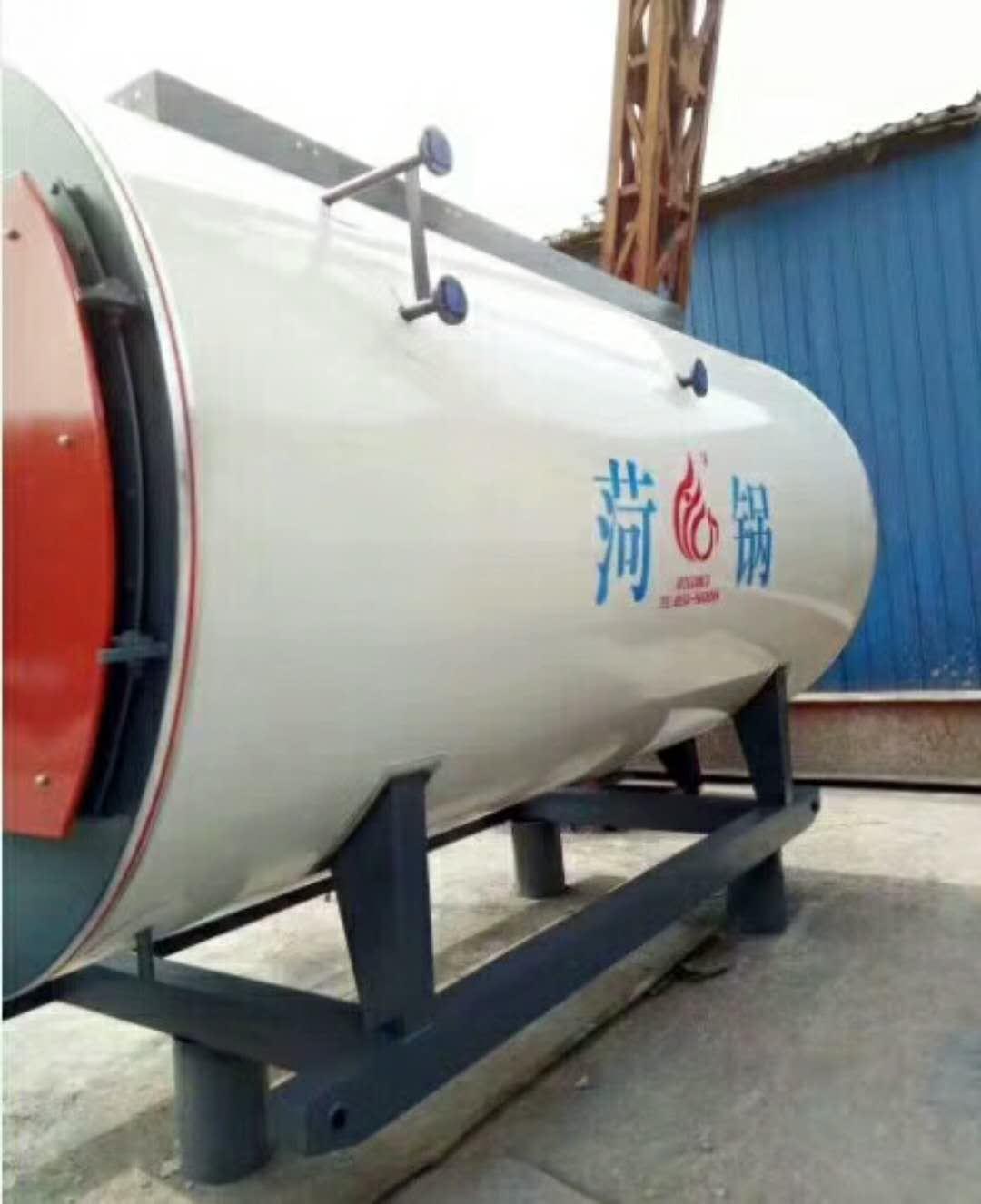
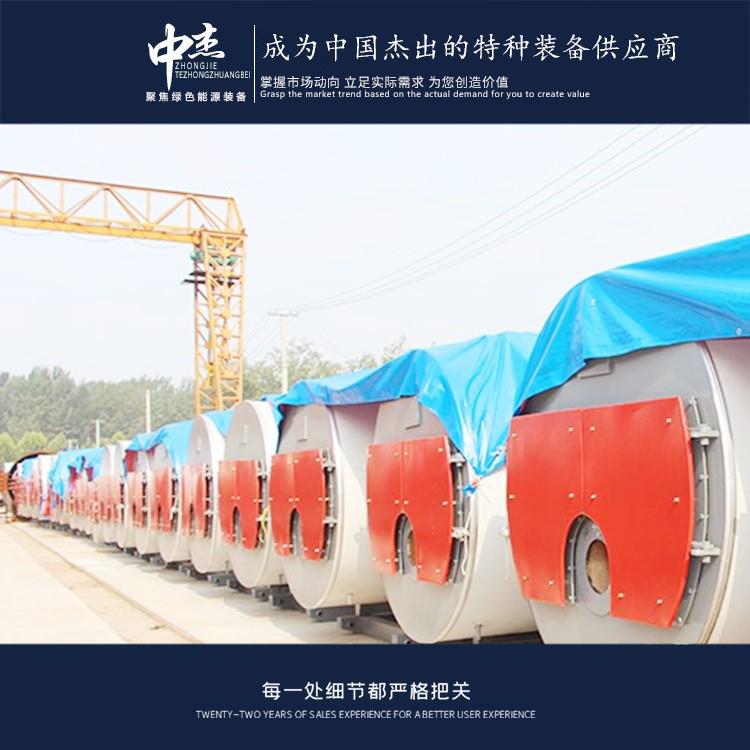
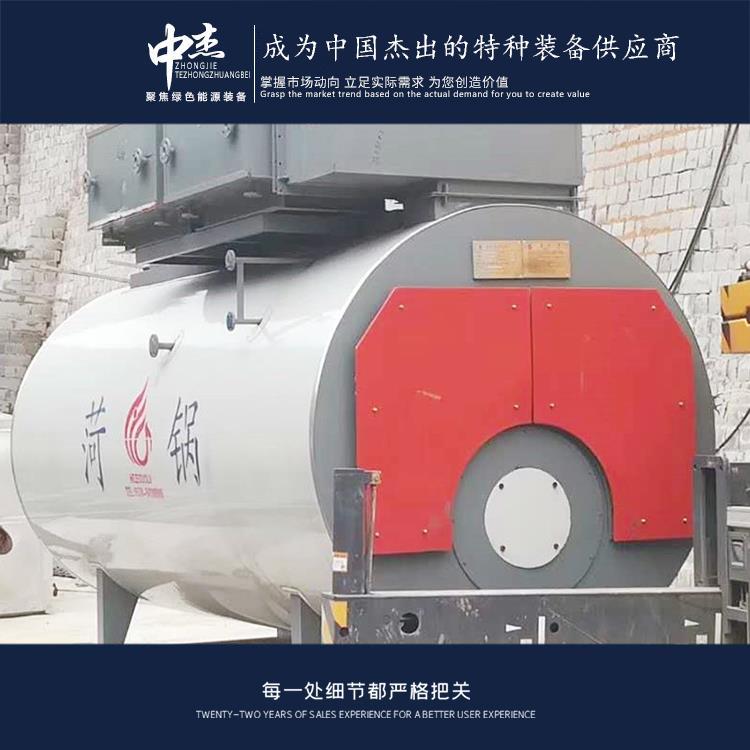
Shandong Zhongjie Special Equipment (formerly Heze Boiler Factory Co., Ltd.) was established in 2001, located at No. 2218 Jinnan Road, Economic and Technological Development Zone, Heze City, with a registered capital of 50 million yuan and total assets of 500 million yuan. The company has 7 business centers: boilers, deep-freezing vessels, pressure vessels, central air conditioning, engineering installation, international trade, and the Internet of Things. It has three factory sites on Jinnan Road, East Changjiang Road, and Bohai Road, covering a total area of 200,000 square meters, with the main workshop spanning 83,000 square meters. It currently employs 710 people, including 247 engineers and technicians and 82 intermediate-level technical personnel. In December 2016, it was recognized as a "High-tech Enterprise" by the Science and Technology Department. In June 2021, it was identified as a "Specialized and New Enterprise in Shandong Province" by the Ministry of Industry and Information Technology. In June 2022, it was recognized as a "Gazelle Enterprise in Shandong Province" and in August 2022, it was identified as a "Specialized and New Small Giant Enterprise" by the Ministry of Industry and Information Technology.
To optimize and improve the planning of gas boiler systems, consider the following aspects:
1. Energy Audit and Assessment: Conduct a comprehensive energy audit and assessment to understand the energy consumption of the gas boiler system and identify potential energy-saving opportunities. Through data analysis and energy measurement, determine the main sources of energy consumption and bottlenecks, providing a basis for subsequent optimization.
2. Combustion System Optimization: Optimize the combustion system of the gas boiler, including adjustments and cleaning of burners, control of the gas-to-air ratio, and maintenance of the combustion chamber. Ensure high combustion efficiency and high gas utilization to minimize energy waste.
3. Heat Recovery Utilization: Consider installing heat recovery devices such as waste heat recovery systems or flue gas heat exchangers. These devices can utilize the excess heat from the flue gases emitted by the gas boiler to heat water or other equipment requiring heat, improving energy efficiency.
4. Pipe Insulation and Leak Inspection: Ensure that the insulation of gas and hot water pipes is effective to reduce energy loss. Regularly inspect for leaks in the pipes and make timely repairs to avoid energy waste and safety hazards.
5. Control System Upgrade: Consider upgrading the control system of the gas boiler with automated control technology. Through precise control and regulation, achieve optimized operation of the gas boiler.
Regular inspections of industrial boilers are crucial for ensuring safe operation, improving efficiency, and extending their lifespan. Here are the key reasons for the importance of regular inspections:
Safety Assurance: Industrial boilers are high-temperature, high-pressure equipment. Without regular inspections, there may be safety hazards. Regular inspections can identify and rectify potential issues within the boiler, such as combustion system failures, water level control malfunctions, and safety valve failures, ensuring safe boiler operation.
Efficiency Enhancement: Regular inspections can detect dirt and deposits inside the boiler, maintaining the cleanliness and thermal transfer efficiency of heat exchangers, and improving the boiler's thermal and energy efficiency. This helps reduce energy consumption and operating costs.
Extended Lifespan: Regular inspections can promptly identify and address corrosion, wear, and fatigue issues within the boiler, preventing further damage and faults, thus extending the boiler's lifespan. Regular maintenance can also prevent and reduce boiler damage and faults.
Legal and Regulatory Requirements: Many regions have established boiler safety management laws, regulations, and standards that require regular inspections and maintenance of industrial boilers. Regular inspections are a crucial part of fulfilling legal and regulatory requirements.
Insurance Requirements: Some insurance companies have specified insurance requirements for industrial boilers, mandating regular inspections and maintenance. Regular inspections can meet insurance company requirements and protect the insurance rights of the enterprise.
In summary, regular inspections of industrial boilers are important for ensuring safety, improving efficiency, extending lifespan, complying with legal and regulatory requirements, and meeting insurance demands. Regular inspections should be conducted by qualified institutions or personnel, following relevant laws, regulations, and standards. Timely inspections and maintenance can ensure the safe operation of industrial boilers.
When a gas steam boiler experiences overpressure, the following immediate measures must be taken:
1. Shut off gas supply: First, immediately close the gas supply to cut off the fuel source and stop the combustion process to prevent further increase in steam pressure.
2. Release pressure: Open the boiler's pressure relief device, typically a safety valve. The safety valve is a crucial safety feature of the boiler that automatically opens when the internal pressure exceeds the set value, releasing overpressure steam to lower the boiler pressure.
3. Reduce burner load: If the overpressure is due to excessive burner load, reduce the burner load to decrease steam production and thereby lower the boiler pressure. Adjust the gas supply to the burner or the burner's control method to match the current load requirements.
4. Inspection and maintenance: After an overpressure event, inspect and maintain the boiler to identify the cause of the overpressure and make repairs. Possible causes include burner failure, control system issues, valve malfunctions, etc. If necessary, consult a boiler maintenance technician for inspection and maintenance.
It is important to note that overpressure is a dangerous condition during boiler operation and must be addressed promptly. When dealing with overpressure, operators should remain calm, follow safety procedures, and ensure their own safety. If unsure how to handle an overpressure situation, immediately contact a boiler maintenance technician or relevant technical support for assistance.
When installing a gas boiler system, the following points should be noted:
Safety: A gas boiler is a device that uses gas as fuel, so it is crucial to ensure safety during installation. First, select an appropriate installation location, away from flammable materials and combustible gases, ensuring good ventilation. Second, install according to relevant safety regulations, including the connection of gas pipes and the installation of gas valves.
Pipe Connection: A gas boiler requires connection to the gas pipeline to ensure a smooth gas supply. During the connection process, use suitable pipes and joints to ensure a secure fit and prevent gas leaks. Additionally, conduct a leak test to ensure there are no leaks.
Exhaust Duct: Gas boilers produce exhaust gases during combustion and require an appropriate exhaust duct. The exhaust duct must be kept clear to prevent the accumulation of exhaust gases indoors, which can pose safety hazards and air pollution.
Electrical Connection: Gas boilers typically require electricity, so electrical connections must be made during installation. Ensure the connections are correct and secure to avoid electrical shorts or other issues.
Water System: Gas boilers usually need to be connected to the water system, including water supply and drainage pipes. During the connection process, ensure the water pipes are securely fastened to prevent leaks or issues with water pressure.
Commissioning and Testing: After installation, commissioning and testing of the gas boiler should be carried out. This includes ignition tests, combustion efficiency tests, and temperature control tests to ensure the boiler operates normally and is safe and reliable.
It is recommended to follow relevant installation specifications and requirements when installing a gas boiler system. If you do not possess the necessary technical knowledge, it is best to have a qualified installer perform the operation to ensure a safe and reliable installation process.
Zhongjie Special Equipment adheres to the great vision of "realizing employees' dreams, creating customer value, and striving for the prosperity and strength of our motherland," focusing on the development of green energy equipment industry, and dedicating high-value products and services to society!
Zhaotong 50-ton gas boiler – Economical and Practical
