


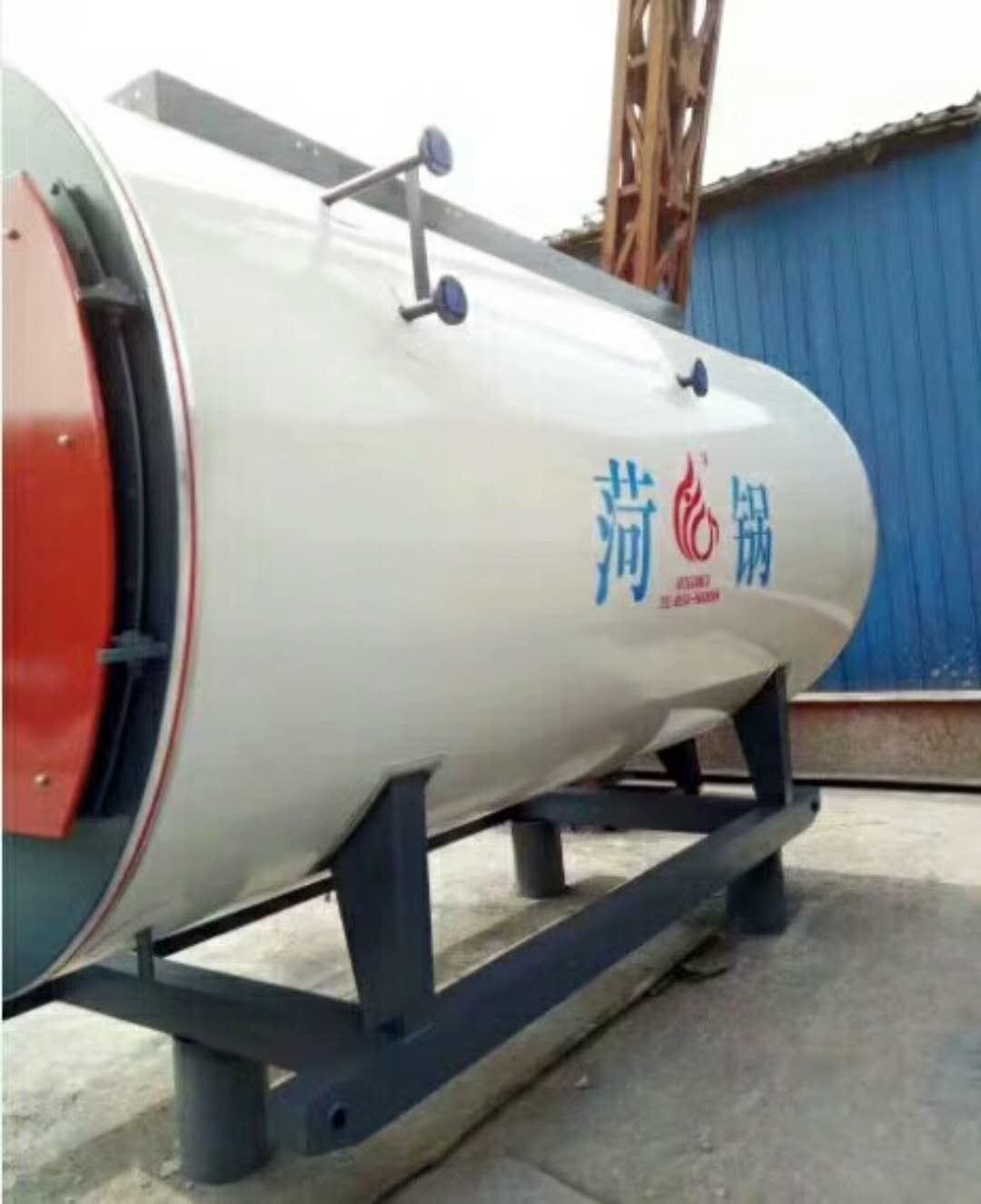
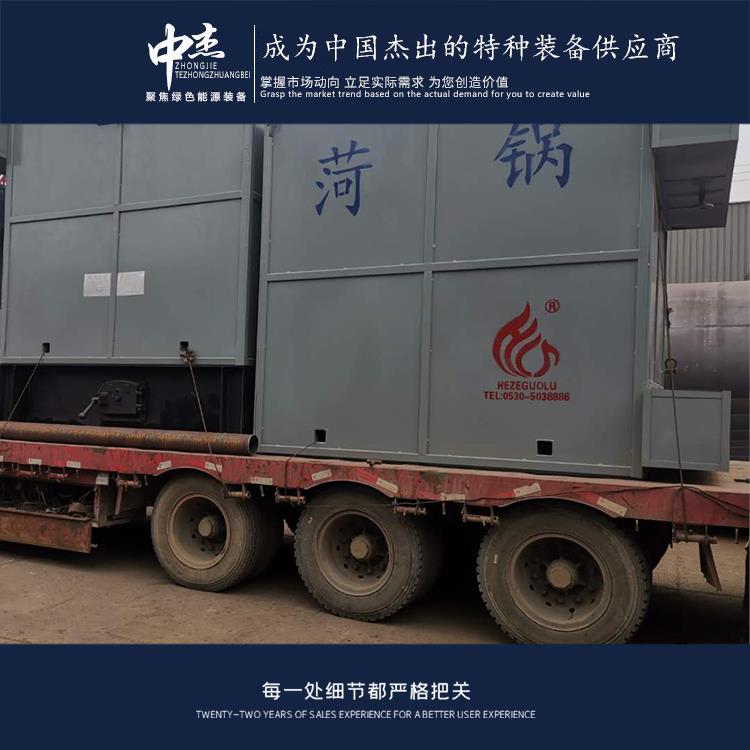

Shandong Zhongjie Special Equipment (formerly Heze Boiler Factory Co., Ltd.) holds an A-grade boiler manufacturing license, A2-grade pressure vessel manufacturing license, A2-grade pressure vessel design license, B-grade boiler installation, GB2 and GC2 pressure pipeline installation licenses, and mechanical and electrical equipment installation contracting qualifications. It is a member of the China Boiler and Water Treatment Association, the China Chemical Equipment Association, and the理事 unit of the Shandong Equipment Manufacturing Association, and has passed certifications for the ISO9001 Quality Management System, ISO14001 Environmental Management System, OHSAS18001 Occupational Health and Safety Management System, and the American ASME/U2 certification.
A thermal oil furnace is a device that utilizes thermal oil as the heat medium, transferring heat energy produced by combustion or electric heating to the equipment or process that requires heating. The working principle of a thermal oil furnace involves heating the thermal oil to a certain temperature and then circulating it through a pump to the heated equipment or process, transferring the heat energy to the heated object. The thermal oil exchanges heat with the heated object in the heat exchanger, raising the temperature of the object while the oil cools down and returns to the furnace for reheating. The heat transfer process in a thermal oil furnace primarily relies on the thermal conductivity of the oil. Thermal oil has a high thermal conductivity, enabling rapid transfer of heat energy to the heated object for effective heating. Additionally, it boasts high thermal stability, allowing stable operation at high temperatures and is resistant to decomposition or oxidation. A thermal oil furnace typically consists of the furnace body, combustion system, flue system, heat exchanger, circulating pump, and control system. The furnace body is the main part, housing the thermal oil and combustion system. The combustion system is responsible for burning fuel to produce heat energy and heat the thermal oil. The flue system is used to exhaust the combustion gases. The heat exchanger is the equipment where the thermal oil exchanges heat with the heated object. The circulating pump is in charge of circulating the thermal oil back to the furnace for reheating. The control system monitors and controls the operation of the thermal oil furnace to ensure safe and stable operation. Thermal oil furnaces offer high temperature control accuracy, fast heating speed, low energy consumption, and simple operation, and are widely used in industries such as chemicals, textiles, food processing, papermaking, and in special heating processes.
1-ton gas-fired steam boiler's gas consumption over a year is dependent on various factors, including the efficiency of the boiler, load conditions, and operating hours. Generally, it can be estimated using the following formula: Gas Consumption (m) = Boiler Efficiency × Rated Thermal Power × Operating Hours. Here, the boiler efficiency refers to the boiler's thermal energy utilization efficiency, usually expressed as a percentage; the rated thermal power is the boiler's rated thermal output, typically measured in kilowatts (kW); and the operating hours are the duration of the boiler's operation, usually in hours.
It's important to note that the boiler's efficiency and rated thermal power can be determined based on the specific model and parameters of the boiler, while the operating hours need to be estimated based on actual usage. Therefore, to accurately calculate the annual gas consumption of a 1-ton gas-fired steam boiler, it is recommended to refer to the technical specifications and operating records of the boiler, or consult the boiler manufacturer or engineer.
Regular inspections of industrial boilers are crucial for ensuring safe operation, improving efficiency, and extending service life. Here are the importance of regular inspections for industrial boilers:
Safety Assurance: Industrial boilers are high-temperature, high-pressure equipment. Without regular inspections, there may be safety hazards. Regular inspections can identify and eliminate potential issues within the boiler, such as combustion system failures, water level control malfunctions, and safety valve failures, ensuring safe boiler operation.
Efficiency Enhancement: Regular inspections can detect dirt and deposits inside the boiler, maintaining the cleanliness and thermal exchange efficiency of heat exchangers, and improving the boiler's thermal and energy utilization efficiency. This helps reduce energy consumption and operating costs.
Extended Service Life: Regular inspections can promptly identify and address issues like corrosion, wear, and fatigue within the boiler, preventing further damage and failures, and extending the boiler's service life. Regular maintenance and care can also prevent and reduce boiler damage and failures.
Legal and Regulatory Requirements: Many regions have established laws, regulations, and standards for boiler safety management, requiring regular inspections and maintenance of industrial boilers. Regular inspections are a critical component of fulfilling legal and regulatory requirements.
Insurance Requirements: Some insurance companies have specified insurance requirements for industrial boilers, mandating regular inspections and maintenance. Regular inspections can meet insurance company requirements and protect the insurance rights of the enterprise.
In summary, regular inspections of industrial boilers are important for ensuring safety, improving efficiency, extending service life, complying with legal and regulatory requirements, and meeting insurance requirements. Regular inspections should be conducted by qualified institutions or personnel, following relevant laws, regulations, and standards. Timely regular inspections and maintenance can ensure the safe operation of industrial boilers.
Proper and reasonable use of fuel-gas boilers can enhance energy utilization efficiency and reduce consumption. Here are some suggestions:
1. Select the Appropriate Boiler Model: Choose a suitable fuel-gas boiler model based on actual needs, considering factors like heat load, fuel type, and combustion efficiency.
2. Regular Inspections and Maintenance: Conduct regular checks and maintenance on fuel-gas boilers to ensure smooth operation. This includes cleaning burners, inspecting the combustion system, adjusting parameters, and promptly repairing or replacing damaged parts.
3. Control the Combustion Process: Properly control the combustion process to ensure complete, stable, and efficient burning. Adjust burner parameters such as air flow and fuel supply to enhance combustion efficiency and reduce energy waste.
4. Heat Recovery Utilization: Employ waste heat recovery systems to capture and utilize the excess heat from flue gases. Use this heat to warm water or other heat-intensive processes, thus improving energy efficiency.
5. Control Operating Parameters: Reasonably control the boiler's operating parameters, like water level, pressure, and temperature, based on actual needs and operational conditions. Avoid excessively high or low parameters to improve efficiency and safety.
6. Regularly Clean Heat Exchangers: Clean the heat exchangers of fuel-gas boilers regularly to remove dirt and sediment, maintaining their heat transfer efficiency and reducing energy loss.
7. Energy Management: Establish an energy management system, monitor and analyze energy consumption, and develop reasonable energy usage plans and energy-saving measures. Scientific management will improve energy efficiency and reduce consumption.
These are common methods and suggestions, but specific application should be determined based on actual conditions and boiler characteristics. Adhere to relevant laws, regulations, and safety procedures to ensure the safe operation of fuel-gas boilers.
Shandong Zhongjie Special Equipment, welcome customers to our factory for business discussions.
Guiyang Custom Gas Boiler
