


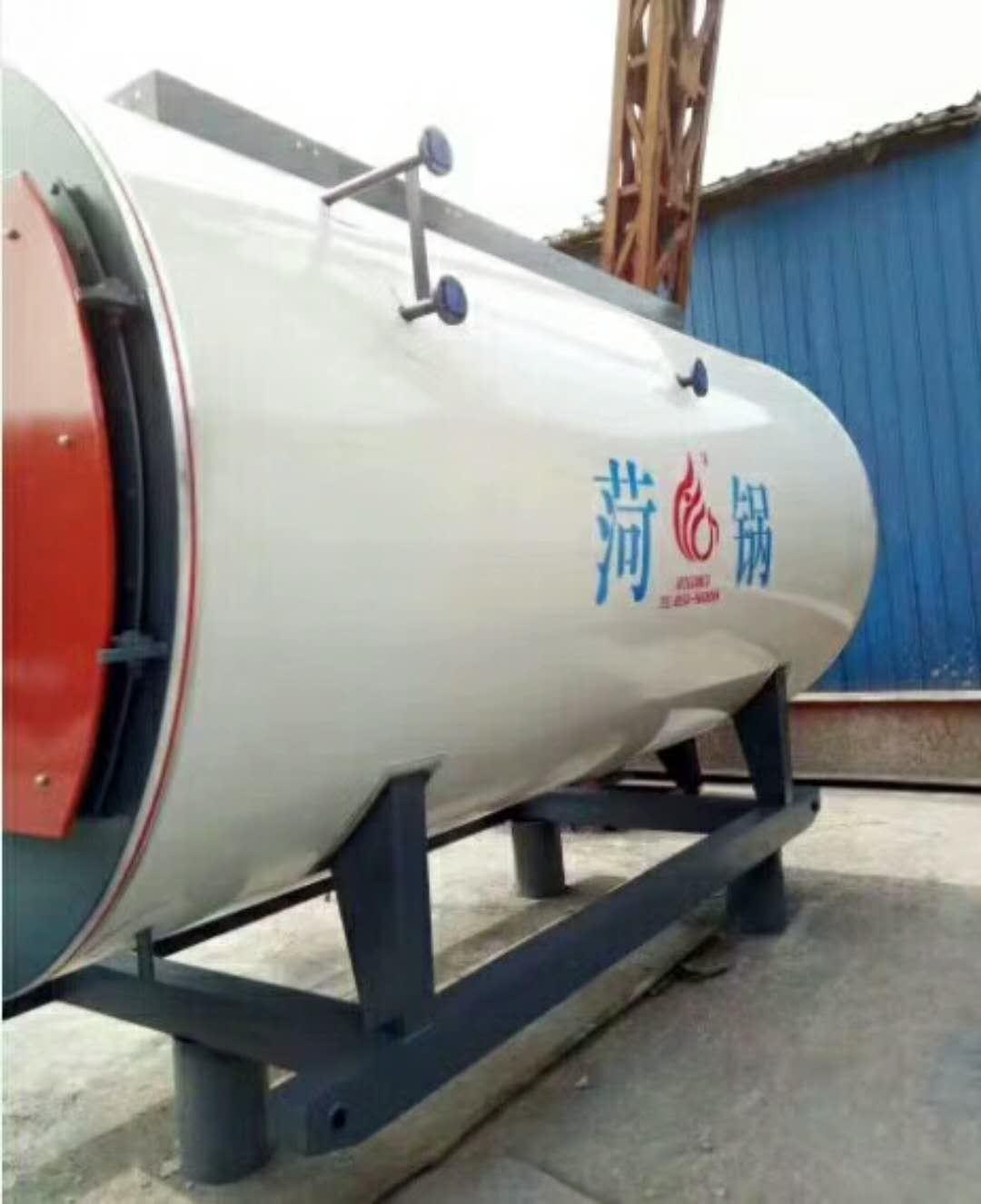
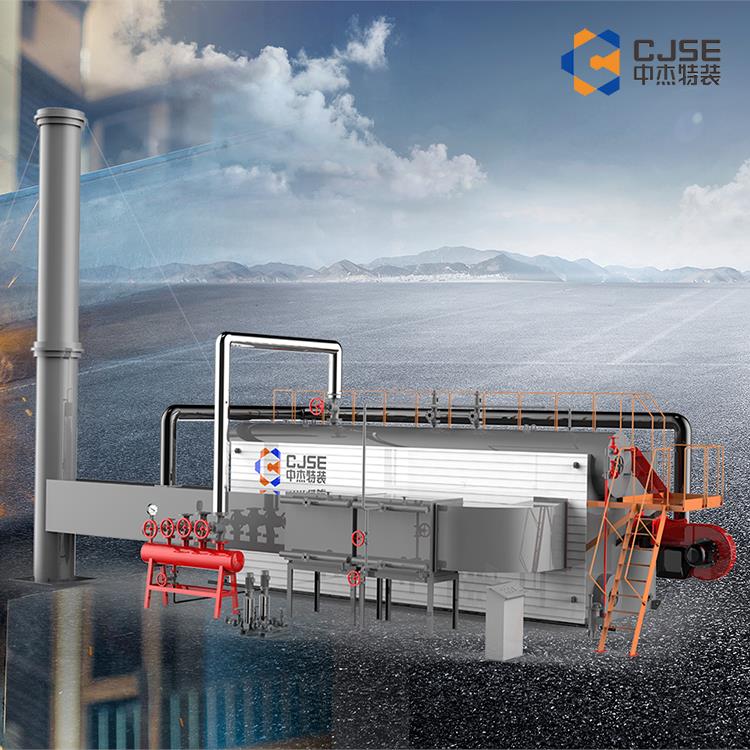
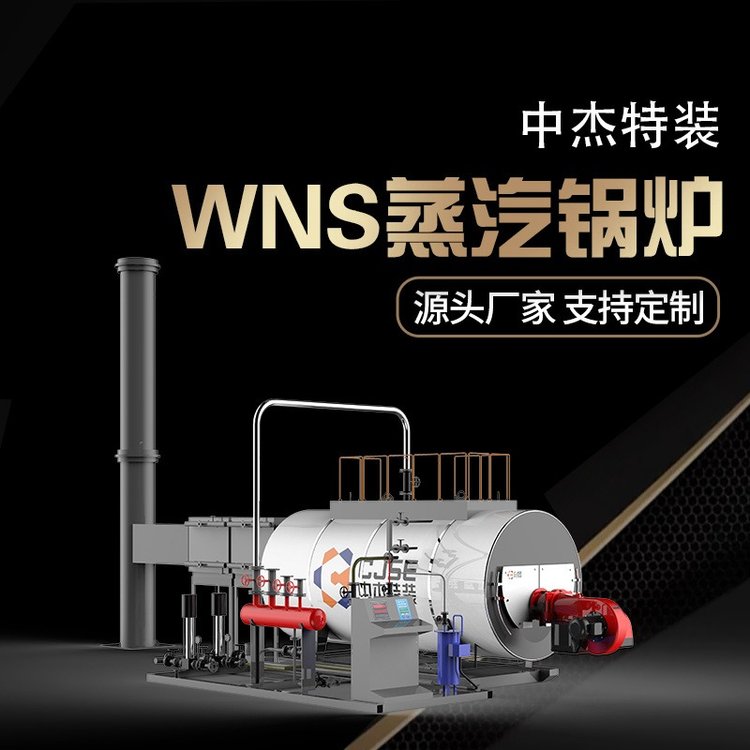
Shandong Zhongjie Special Equipment's main products include: fuel (gas) boilers, organic heat carrier boilers, biomass boilers, waste heat recovery boilers, and other boiler products; vacuum insulation cryogenic pressure vessels such as LNG tanks, oxygen/nitrogen/argon tanks, CO2 tanks; pressure vessel products such as denitrification engineering equipment, heat storage and energy storage equipment, and complete chemical equipment; central air conditioning and ventilation equipment such as ground (water) source heat pumps, air source units, water-cooled screw units, and air-cooled modular units. Planned products include large-scale energy centers, LNG transport vehicles, LNG tank containers, and other green energy equipment.
Clean and environmentally friendly gas boilers offer several advantages:
- Low emissions: Gas combustion produces lower exhaust emissions with reduced pollutants such as nitrogen oxides and particulate matter. Compared to coal or oil-fired boilers, gas boilers have lower emissions, causing less environmental pollution.
- High thermal efficiency: Gas combustion has a higher thermal efficiency, maximizing fuel energy utilization and reducing energy waste. Gas combustion is more efficient than other traditional fuels like coal and oil, providing more heat energy.
- Clean combustion: Gas combustion does not produce ash or soot, minimizing carbon and dirt accumulation inside the boiler and in the flue, thus reducing cleaning and maintenance efforts and extending the boiler's lifespan.
- Combustion stability: Gas combustion performance is stable, eliminating significant flame fluctuations and explosion risks during operation, making gas boilers safer and more reliable.
- Quick start and stop: Gas boilers have faster and more flexible start-up and shutdown processes compared to other fuels, making them suitable for frequent start and stop scenarios, such as seasonal heating and hot water needs.
- Renewable energy integration: As a clean fuel, gas can be combined with renewable energy sources, like solar hot water systems and biomass fuels. This integration can further enhance energy efficiency and environmental friendliness.
After the hot water boiler is shut down, here are some common maintenance measures:
1. Clean the boiler: After shutdown, the boiler should be cleaned first. Dust, dirt, and sediments inside the boiler can be washed with appropriate cleaning tools and detergents. Pay special attention to cleaning the combustion chamber, flue, and heat exchanger, among other critical areas.
2. Drain the water: Empty the water from the boiler to prevent the accumulation of scale and corrosive substances. Open the drain valve to drain the water until the interior of the boiler is completely empty.
3. Corrosion prevention: Before shutdown, apply corrosion prevention to the boiler's internal metal materials to prevent corrosion. Use suitable corrosion inhibitors or coatings and apply them to the key areas of the boiler.
4. Inspection and maintenance: During shutdown, regularly inspect the various components and connections of the boiler to ensure there are no loose, damaged, or leaking issues. If problems are found, repair or replace them promptly.
5. Keep dry: After shutdown, maintain the dryness inside the boiler. Open the ventilation and exhaust ports of the boiler to ensure air circulation, preventing dampness and mold growth.
6. Regular inspections: Regularly check the boiler's condition to ensure there are no abnormal situations. Develop a corresponding inspection plan based on the boiler's usage and requirements, such as a comprehensive check every quarter or year.
7. Preparations before startup: Before restarting the boiler, prepare accordingly. This includes cleaning the boiler, checking the connections of equipment and pipelines, and inspecting fuel supply, among other tasks.
When selecting a steam boiler, several key factors should be taken into account:
- Steam Demand: First, determine the steam requirements of the factory or project, including steam pressure, flow rate, and quality. Choose an appropriate boiler model and specification based on actual needs to ensure it meets process and production requirements.
- Boiler Type: There are various types of steam boilers, such as fire-tube boilers, water-tube boilers, and gas boilers. Select the suitable type based on the factory's specific conditions and needs. Also, consider the fuel type, like coal, gas, or biomass, to choose a fuel type that aligns with the factory's energy supply and environmental requirements.
- Boiler Efficiency: Boiler efficiency directly impacts energy utilization and operating costs. Understand the boiler's thermal and combustion efficiency and choose a high-efficiency steam boiler to reduce energy consumption and operating costs.
- Supplier Reputation: Choose a supplier with a good reputation to ensure the quality and reliability of the steam boiler. Refer to customer reviews, industry certifications, and third-party evaluations to understand the supplier's credibility and product quality.
- Technical Support and After-Sales Service: Select a supplier that offers comprehensive technical support and after-sales service. Ensure the supplier can provide installation guidance, training, maintenance, and troubleshooting support to ensure the normal operation and maintenance of the steam boiler.
- Cost and Budget: Finally, select a steam boiler that meets your budget based on economic considerations. Consider the purchase cost, operating cost, and maintenance cost to choose a cost-effective option.
It's important to note that these factors are just some of the key considerations when purchasing a steam boiler, and the specific choice should be determined based on the factory's actual conditions and needs. It is recommended to communicate and compare with multiple suppliers to gather more information and advice for an informed decision.
For the maintenance of industrial gas boilers, here are some common methods and precautions:
- Clean the burner: Regularly clean the burner's interior and nozzle to ensure normal combustion of gas, prevent carbon accumulation and blockage.
- Check the gas supply system: Regularly inspect the gas supply system, including gas pipes, valves, and pressure regulators, to ensure normal supply without leaks or blockages.
- Clean the flue and heat exchanger: Regularly clean the flue and heat exchanger to remove dust and dirt, maintain heat exchange efficiency, and avoid overheating and energy loss.
- Check water level and pressure: Regularly inspect the boiler's water level and pressure to ensure safe operation within the specified range. Top up water and adjust pressure to avoid issues caused by low or high water levels.
- Check safety devices: Regularly inspect the boiler's safety devices, including safety valves, pressure switches, and water level controllers, to ensure they function properly and ensure safe boiler operation.
- Check the control system: Regularly inspect the boiler's control system, including automatic controllers, sensors, and instruments, to ensure accuracy and reliability, and to promptly detect and fix faults.
- Scheduled maintenance: Regularly perform maintenance tasks, including lubricating parts, replacing worn-out components, and checking electrical connections, to extend the boiler's lifespan and stability.
- Keep records: Document the boiler's operating parameters, maintenance records, and fault situations to help identify problems and analyze operating conditions.
- Train operators: Ensure that operators have adequate
Shandong Zhongjie Special Equipment, welcome customers to our factory for cooperation discussions.
Jinan Gas Boiler Prices
