


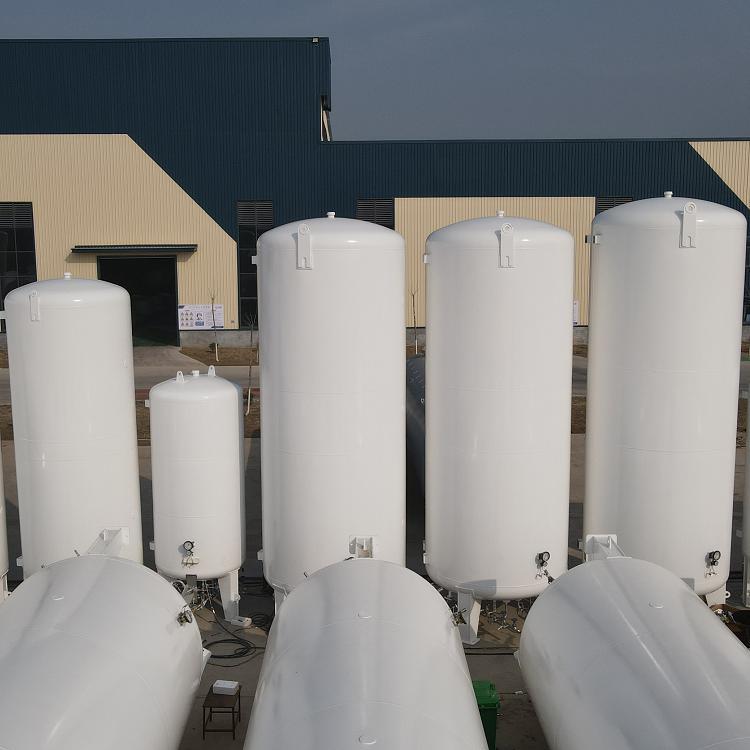
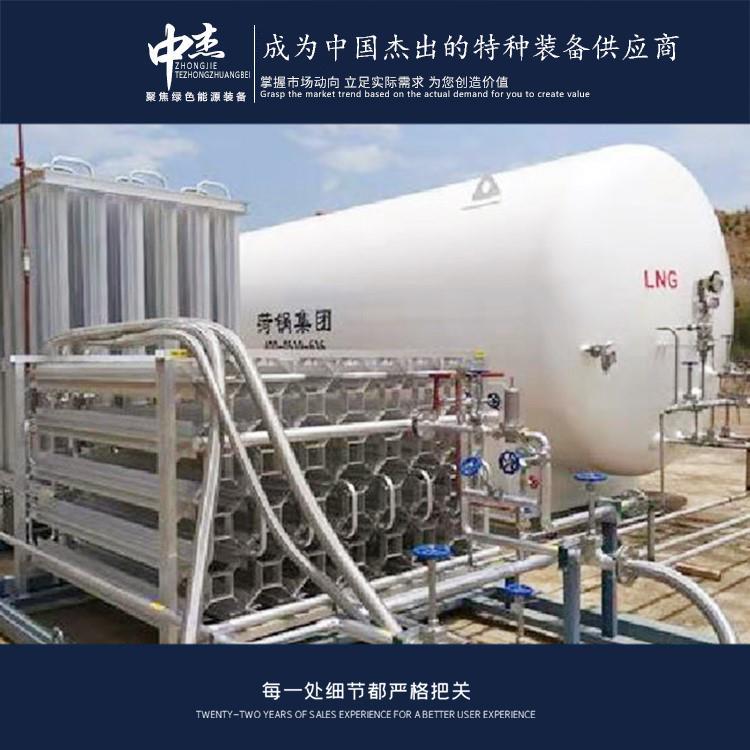
Shandong Zhongjie Special Equipment (formerly Heze Boiler Factory Co., Ltd.) holds an A-grade boiler manufacturing license, an A2-grade pressure vessel manufacturing license, an A2-grade pressure vessel design license, a B-grade boiler installation license, and GB2/Class and GC2/Class pressure pipeline installation licenses, as well as a qualification for the installation and contracting of electromechanical equipment. It is a member of the China Boiler and Water Treatment Association, the China Chemical Equipment Association, and a council member of the Shandong Equipment Manufacturing Association. The company has also passed certifications for the ISO9001 Quality Management System, ISO14001 Environmental Management System, OHSAS18001 Occupational Health and Safety Management System, and the American ASME/U2 certification.
To maintain the stability of CO2 storage tanks, several details should be considered:
- Foundation Design: The tank's foundation design must comply with relevant standards and regulations, ensuring adequate strength and stability. The foundation should account for the tank's weight, pressure, and geological conditions to ensure the tank is securely placed on the foundation.
- Lining and Fastening Devices: Place appropriate linings, such as rubber or steel plates, between the tank and foundation to reduce friction and vibration. Additionally, use fastening devices like bolts or welding to secure the tank to the foundation, preventing movement and tilting.
- Site Leveling: The site for installing the tank should be kept level, without any significant slopes or unevenness. If the site is sloped or uneven, adjustments and corrections are necessary to ensure tank stability.
- Seismic Measures: In areas prone to earthquakes, additional seismic measures are required, such as installing seismic supports and enhancing the tank's seismic resistance, to increase stability.
- Regular Inspections: Conduct regular inspections of the tank's fastening devices and connection points to ensure they are intact. If loose, worn, or damaged conditions are found, repairs or replacements should be made promptly.
- Load Distribution: Place uniformly distributed loads above the tank, such as platforms or pipelines, to balance the weight distribution of the tank, reducing the impact of uneven loads on stability.
- Safety Distance: The tank should maintain sufficient safety distances from other equipment, buildings, and fire sources to prevent accidental collisions or fires from affecting the tank's stability.
It is important to note that the installation of CO2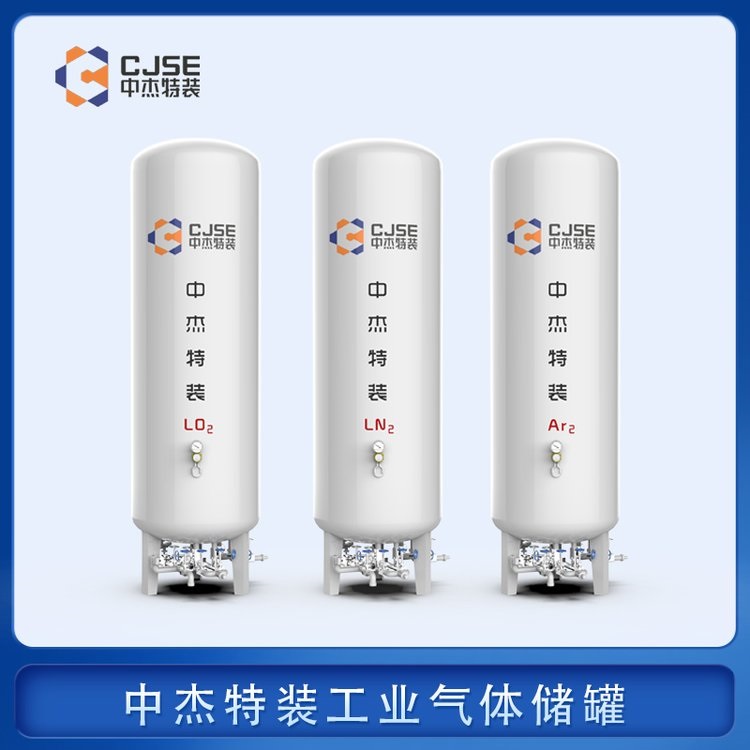
Carbon dioxide tanks are devices used for storing carbon dioxide gas. They are typically made of high-strength materials with sealing capabilities to prevent the leakage of stored CO2. The design and capacity of the tanks can be adjusted as needed to accommodate various applications. Carbon dioxide tanks are widely used across industries, including industrial production and food processing. In the industrial sector, they are commonly used for storing and supplying CO2 gas for welding, gas shielding, fire suppression, and other processes. In the food processing industry, they can be used to produce carbonated beverages and frozen foods. In the medical field, they are used to manufacture medical gases such as breathing gases and anesthetic gases. The development and manufacturing of carbon dioxide tanks involve multiple manufacturers and technologies. Different companies may employ various design and manufacturing processes to meet different customer needs. Additionally, relevant safety standards and regulations must be adhered to ensure the safe operation and use of the tanks.
When using carbon dioxide tanks, the following points should be noted:
- Safe Operation: Prior to operating a carbon dioxide tank, it is essential to familiarize yourself with and adhere to the relevant safety operating procedures and guidelines. Ensure that operators have received necessary training and understand the tank's working principle, operational procedures, and emergency measures.
- Tank Inspection: Regularly inspect the external and internal conditions of the carbon dioxide tank, including checking for corrosion, leaks, and welds on the tank walls. If any abnormalities or damage are found, take immediate corrective or replacement actions.
- Tank Pressure Control: Ensure that the internal pressure of the tank remains within a safe range. Monitor and control the tank's pressure to avoid damage or safety risks from excessive or low pressure.
- Fire Prevention Measures: Carbon dioxide is a flammable gas, so fire prevention measures must be taken when in use. Avoid open flame operations near the tank and ensure the surrounding environment is free of fire hazards.
- Leak Handling: In the event of a carbon dioxide leak, appropriate emergency measures should be taken immediately. Notify relevant personnel promptly, ensure safe evacuation, and take steps to prevent the spread of the leak.
- Tank Maintenance: Regularly maintain and service the tank, including cleaning, lubrication, and corrosion prevention. Follow the manufacturer's recommendations and guidelines to ensure the tank operates normally and has a long service life.
- Compliance: Adhere to local regulations, standards, and specifications to ensure that the tank's design, manufacture, installation, and use meet the corresponding requirements.
- It is crucial to strictly follow safety operating procedures when using carbon dioxide tanks and to cooperate with relevant personnel to ensure the tank's safety and reliability.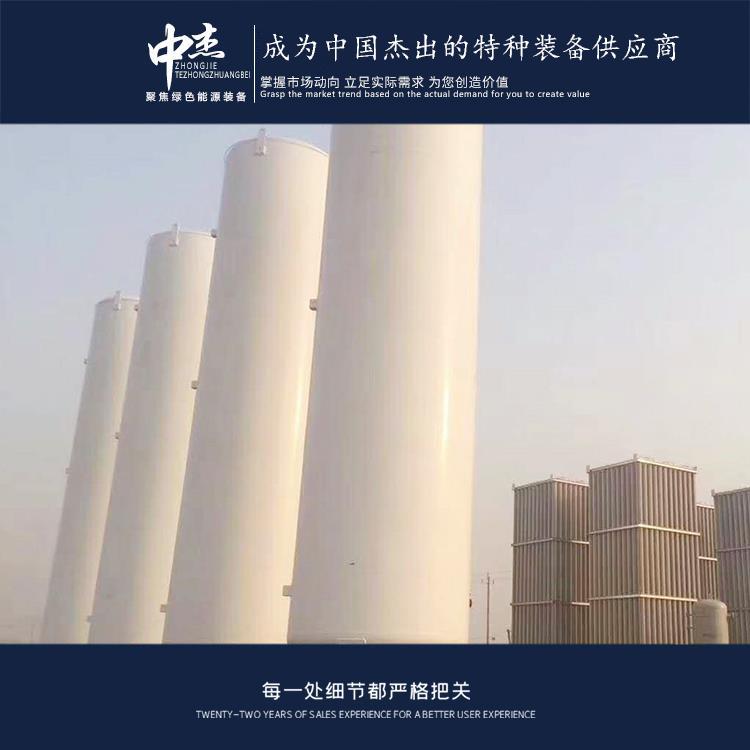
An automated maintenance system for carbon dioxide storage tanks typically includes the following main components:
- Pressure Maintenance System: Monitors and adjusts the internal pressure of the tank to ensure the CO2 within stays within a safe and stable pressure range. This system includes pressure sensors, control systems, pressure regulators, and pressure reserve units.
- Temperature Control System: Monitors and adjusts the internal temperature of the tank to maintain the CO2 within an appropriate temperature range. This system includes temperature sensors, control systems, and temperature regulation devices.
- Level Monitoring System: Measures and monitors the liquid level within the tank to ensure the CO2 level remains within a safe range. The system can utilize float level gauges, pressure level gauges, and ultrasonic level gauges.
- Leak Detection System: Monitors for leaks in the tank and pipeline systems, promptly detecting and alerting to any issues. This system can use gas sensors, liquid sensors, and leak alarms.
- Fire Detection and Extinguishing System: Monitors for fire conditions in the tank area and implements appropriate extinguishing measures. This system includes fire detectors, alarms, and extinguishing equipment.
- Remote Monitoring and Control System: Monitors and controls the operational status and parameters of the tank remotely, enabling remote operation and management. The system connects via network to provide real-time data and remote control features.
These are the primary components of a typical automated maintenance system for carbon dioxide storage tanks. Specific system configurations and functions can be customized according to the tank's design requirements and application scenarios. These automated maintenance systems enhance the tank's safety, stability, and reliability, reducing the need for manual intervention and operational risks.
Shandong Zhongjie Special Equipment, welcome customers to our factory for business discussions.
Longnan Carbon Dioxide Storage Tank Prices - Over 20 Years of Experience for Added Confidence
