


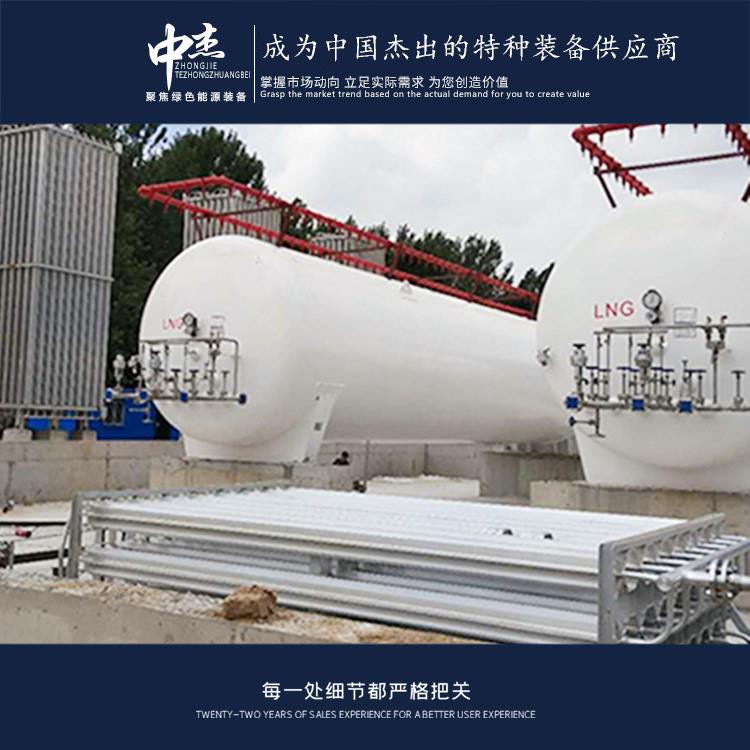

Shandong Zhongjie Special Equipment (formerly Heze Boiler Factory Co., Ltd.) was established in 2001, located at No. 2218 Jinnan Road, Economic and Technological Development Zone, Heze City, with a registered capital of 50 million yuan and total assets of 500 million yuan. The company has 7 business centers: boilers, deep-freeze containers, pressure vessels, central air conditioning, engineering installation, international trade, and the Internet of Things. It has three factory sites on Jinnan Road, East Changjiang Road, and Bohai Road, covering a total area of 200,000 square meters, with the main workshop area being 83,000 square meters. It currently employs 710 people, including 247 engineering and technical staff and 82 middle-level technical personnel. In December 2016, it was recognized as a "High-tech Enterprise" by the Science and Technology Department. In June 2021, it was identified as a "Specialized and New Enterprise in Shandong Province" by the Industrial and Information Technology Department. In June 2022, it was recognized as a "Gazelle Enterprise in Shandong Province" by the department. In August 2022, it was identified as a "Specialized and New Small Giant Enterprise" by the Ministry of Industry and Information Technology.
Daily inspections of liquid nitrogen tanks should include the following aspects:
Level Check: Regularly inspect the liquid nitrogen tank's level to ensure it's within the normal range. This can be done using a level gauge or a level scale, etc.
Pressure Check: Inspect the tank's pressure to ensure it is within the safe range. Pressure gauges or pressure sensors can be used for the inspection.
Insulation Layer Inspection: Ensure the tank's insulation layer is intact without any damage or detachment. The integrity of the insulation layer is crucial for reducing heat transfer and preventing evaporation of liquid nitrogen.
Leak Inspection: Check for signs of liquid nitrogen leakage around the tank, such as vapor雾, frosting, or freezing. If a leak is detected, take immediate action to repair it.
Valve and pipeline inspection: Verify that the valves and pipelines of the storage tank are functioning properly, without any gas leaks or blockages. Ensure the tightness and unobstructed flow of the valves and pipelines.
Safety Device Inspection: Check the storage tank's safety devices, such as pressure relief valves, temperature sensors, and level alarms, to ensure they are functioning properly.
Tank exterior cleaning: Regularly clean the external surface of the tank to remove dust, dirt, and debris. Maintain the tank's appearance for easy inspection and maintenance.
Tank Records and Documentation: Timely record the inspection results and maintenance records of the tank, including liquid levels, pressure, insulation condition, and leakage situations. These records aid in monitoring the tank's operational status and identifying issues promptly.
Above are the daily inspection items for liquid nitrogen tanks. Regularly conducting these checks ensures the safe operation and effective use of the tanks. At the same time, follow relevant safety regulations and operation guidelines to ensure the safety of personnel and equipment.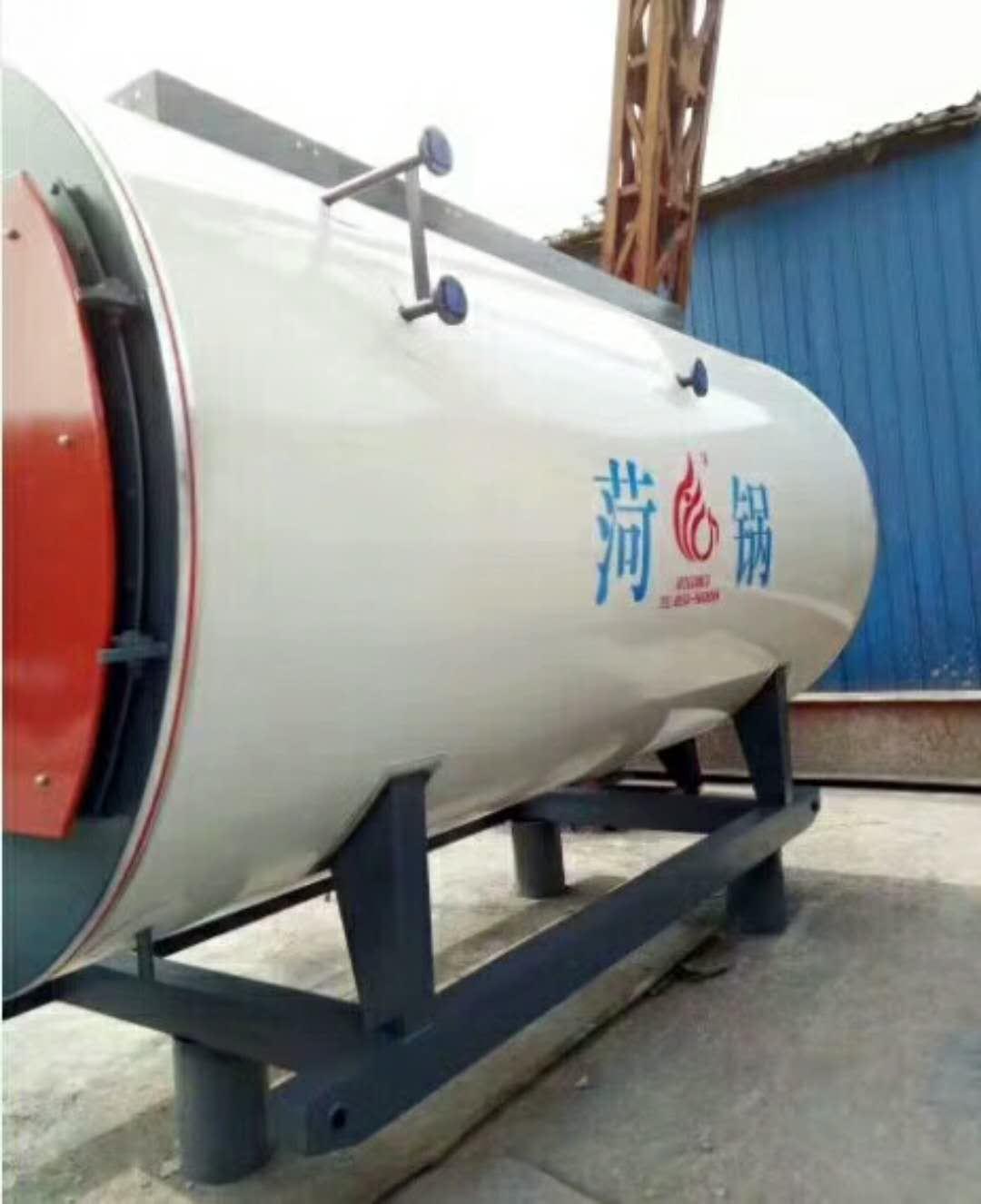
Zhongjie Special Equipment is a company specializing in the manufacturing of low-temperature liquid storage tanks. They offer storage tanks in various specifications and capacities, including liquid nitrogen tanks, liquid oxygen tanks, liquid argon tanks, and more.
The medium-temperature liquid storage tank from Zhongjie is made of high-quality materials and utilizes advanced manufacturing techniques, ensuring the tank's strength and seal integrity. The interior features special insulation materials and structural design, effectively reducing liquid evaporation losses.
The low-temperature liquid storage tank from Zhongjie is characterized by the following features:
High safety: Tanks are made of materials with excellent pressure resistance and sealing properties, capable of safely storing low-temperature liquids.
Low evaporation loss: Insulation materials and structural design inside the tank effectively reduce liquid evaporation loss, enhancing the tank's economic efficiency.
Multiple specifications and capacities available: Zhongjie offers a variety of low-temperature liquid storage tanks in different specifications and capacities to meet diverse customer requirements.
Customized Design: According to the specific requirements of the customer, Zhongjie can offer customized design and manufacturing services to cater to various application scenarios.
Volume Manufacturing Process: Zhongjie's state-of-the-art manufacturing equipment and technical team ensure the quality and performance of the storage tanks.
In summary, our Zhongjie Specialty Tank's low-temperature liquid storage solutions offer high safety, low evaporation loss, and a wide range of specifications, making them suitable for storage and transportation needs of low-temperature liquids.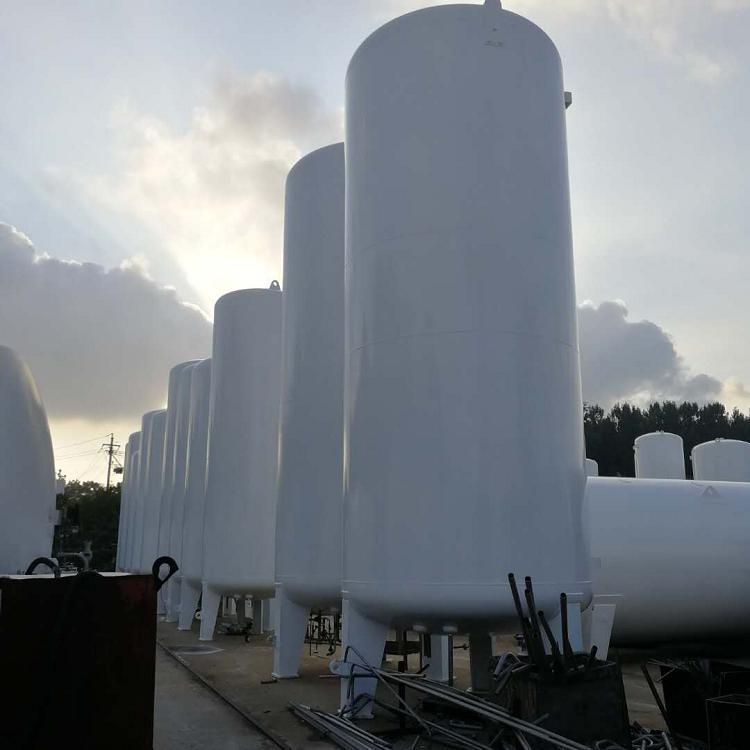
To prevent the hazards associated with liquid oxygen storage tanks, the following precautionary measures can be taken:
Safety Operations and Management: Establish and enforce strict safety operations and management systems, including proper use of storage tanks, operational procedures, and safety training. Ensure that operators possess the necessary safety awareness and skills, adhere to operational procedures, and minimize operational errors and the likelihood of accidents.
Regular inspections and maintenance: Conduct regular checks and maintenance on liquid oxygen tanks, including visual inspections, pressure tests, and leak detection. Promptly identify and address any tank issues to ensure safety and reliability.
Safety Devices and Protective Equipment: Tanks should be equipped with necessary safety devices such as pressure relief valves and level alarms, as well as protective equipment like fire walls and explosion-proof devices. These devices and equipment can take timely actions during abnormal conditions to ensure the safety of the tank.
Fire Prevention Measures: Liquid oxygen contains a high concentration of oxygen, which is prone to causing fires. Therefore, fire prevention measures such as firewalls and fire extinguishers should be set up around the storage tanks to prevent the spread and expansion of fires.
Leakage Control and Emergency Response Plan: Establish a liquid oxygen tank leakage control and emergency response plan, including leakage control measures, emergency response procedures, and evacuation plans. In the event of a leakage incident, the plan allows for rapid measures to control the leak and ensure personnel safety.
Training and Awareness Enhancement: Conduct regular safety training for personnel handling liquid oxygen tanks to enhance their safety awareness and emergency response capabilities. Strengthen safety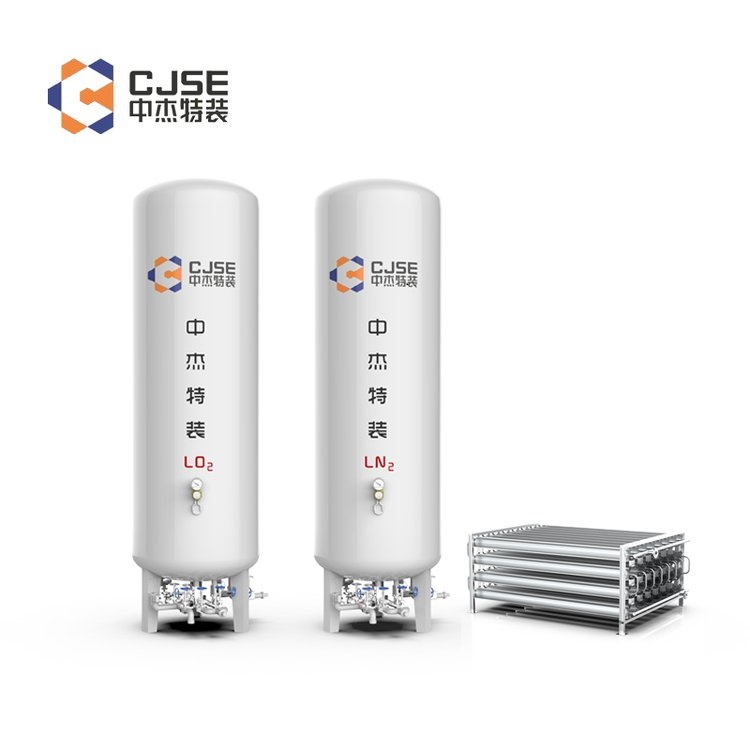
Protection techniques for liquid nitrogen tanks include the following:
Wear protective gear: When operating liquid nitrogen tanks, it is mandatory to wear appropriate protective gear, including protective gloves, suits, and non-slip shoes. This equipment can protect the skin from the low temperature of liquid nitrogen and other hazards.
Avoid direct contact: Liquid nitrogen is extremely cold and can cause frostbite. Therefore, it is essential to avoid direct contact with liquid nitrogen, especially with the skin. Use tools or equipment for handling, and never touch liquid nitrogen with your hands.
Note Ventilation: In the operational area of the liquid nitrogen tank, adequate ventilation must be ensured to expel gases produced by the evaporation of liquid nitrogen. Maintain air circulation to avoid excessive oxygen concentration, and reduce the risk of fire and explosion.
Prevent Leaks: Regularly inspect the liquid nitrogen storage tank for leaks and equip with leak detectors and alarm systems. In case of a leak, take immediate action to control and repair it. Avoid harm to personnel and the environment caused by the leakage of liquid nitrogen.
Fire Prevention Measures: Nitrogen liquid has a low boiling and freezing point, which is prone to fire. To prevent and contain fires, fire-resistant walls and fire-retardant coatings should be installed around nitrogen liquid storage tanks.
Electrostatic Protection: The accumulation of static electricity in liquid nitrogen tanks may cause sparks, increasing the risk of fire. Measures such as using electrostatic conductive materials and anti-static equipment should be taken to reduce the accumulation and release of static electricity.
Regular inspections and maintenance: Conduct regular checks on the condition of liquid nitrogen tanks and related equipment, including valves, pipes, pressure gauges, etc. Ensure the equipment is in perfect condition without any damage, and promptly repair or replace any damaged parts.
Waste Gas Treatment: Nitrogen liquid storage tanks produce waste gas during operation, and proper waste gas treatment must be implemented.
Our company attaches great importance to technological innovation and R&D design. We possess 1 city-level enterprise technology center in Heze City, with testing facilities for non-destructive testing, physical and chemical testing, welding testing, hydrostatic testing, etc. We are equipped with over 600 types of instruments and equipment, including CNC machine tools, X-ray flaw detectors, digital ultrasonic flaw detectors, mechanical property testing machines, chemical analyzers, spectrometers, tensile testing machines, plasma welding machines, and more. The key products we have developed, such as temperature-pressure vessel welding, biomass boiler emission reduction, and waste heat recovery, have successively been selected for multiple Shandong Provincial Department of Industry and Information Technology science and technology projects, Shandong Provincial key projects, and Heze City innovative and excellent projects. We have cumulatively obtained 27 authorized utility model patents, 16 authorized invention patents, participated in drafting 2 standards, 2 industry standards, and registered 15 trademarks. The technical team of our company, in collaboration with Professor Li Yajiang of Shandong University, has developed deep cryogenic container processing technology, utilizing the international plasma arc + filler wire tungsten inert gas arc welding (PAW-GTAW) technology. After provincial-level scientific and technological achievement evaluation, the technology level has reached an international standard in the field of deep cryogenic container manufacturing. Choose Zhongjie Special Equipment, and let's create brilliance together!
Changzhou Liquid Nitrogen Storage Tanks, Various Models Available
