


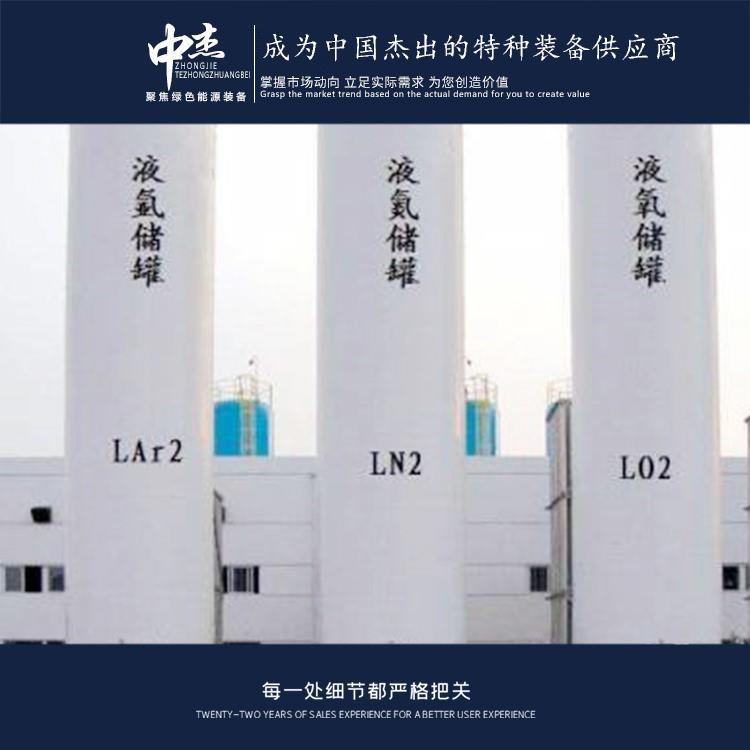

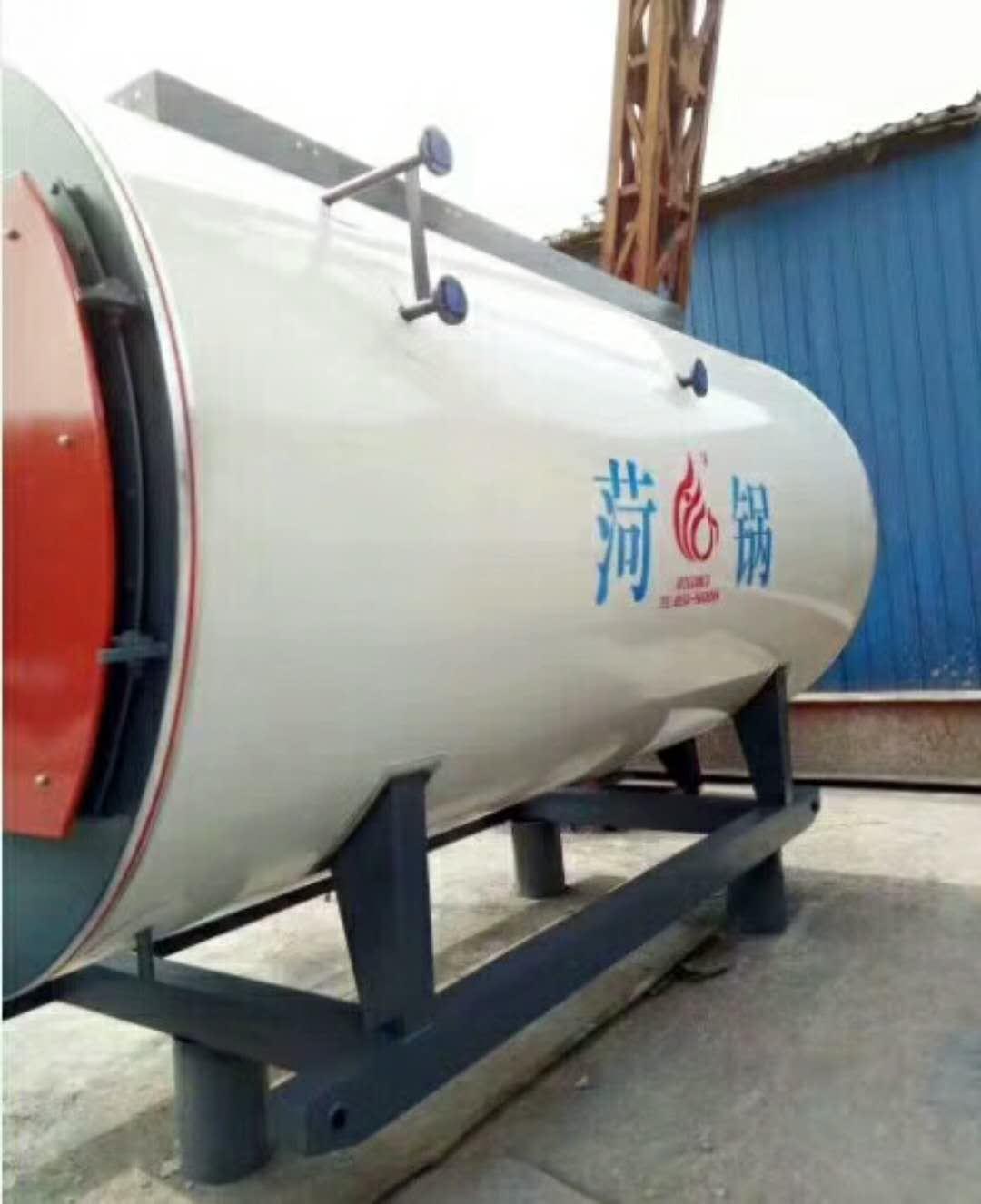
Shandong Zhongjie Special Equipment (formerly Heze Boiler Factory Co., Ltd.) was established in 2001, located at No. 2218 Jinnan Road, Development Zone, Heze City. With a registered capital of 50 million yuan and total assets of 500 million yuan, the company has 7 business centers: boilers, deep-freeze containers, pressure vessels, central air conditioning, engineering installation, international trade, and Internet of Things. It has three manufacturing sites on Jinnan Road, East Yangtze Road, and Bohai Road, covering a total of 200,000 square meters. The main workshop spans 83,000 square meters. Currently, there are 710 employees, including 247 engineering and technical staff and 82 middle-level technical personnel. In December 2016, it was recognized as a "High-tech Enterprise" by the Science and Technology Department. In June 2021, it was named a "Specialized and New Enterprise in Shandong Province" by the Department of Industry and Information Technology. In June 2022, it was recognized as a "Gazelle Enterprise in Shandong Province" and in August 2022, it was identified as a "Specialized and New Small Giant Enterprise" by the Ministry of Industry and Information Technology.
Liquid oxygen storage tanks offer the following advantages:
High Storage Density: Liquid oxygen tanks store oxygen in its liquid form, offering a higher storage density compared to gas storage. This means more oxygen can be stored in a limited space, providing extended supply times.
High Purity Oxygen Supply: Liquid oxygen tanks can provide high purity oxygen supply. After undergoing refrigeration and purification processes, liquid oxygen can yield high purity oxygen to meet the demands of applications such as industry and scientific research.
User-friendly: The liquid oxygen tank features ease of use. It is equipped with devices such as level gauges and pressure gauges inside, allowing for convenient monitoring of the liquid level and pressure. Additionally, the liquid oxygen tank is fitted with safety devices like pressure relief valves and level alarms to ensure safe operation and usage.
Long-Term Storage: Liquid oxygen tanks are suitable for long-term storage of oxygen. The low-temperature properties of liquid oxygen can slow down the evaporation and oxidation of oxygen, extending its storage life. This is beneficial for applications requiring long-term oxygen storage, such as institutions, laboratories, and industrial production.
Overall, liquid oxygen tanks offer advantages such as high storage density, pure oxygen supply, ease of use, and long-term storage. This makes them a reliable choice for oxygen supply, widely used in industrial and scientific research fields.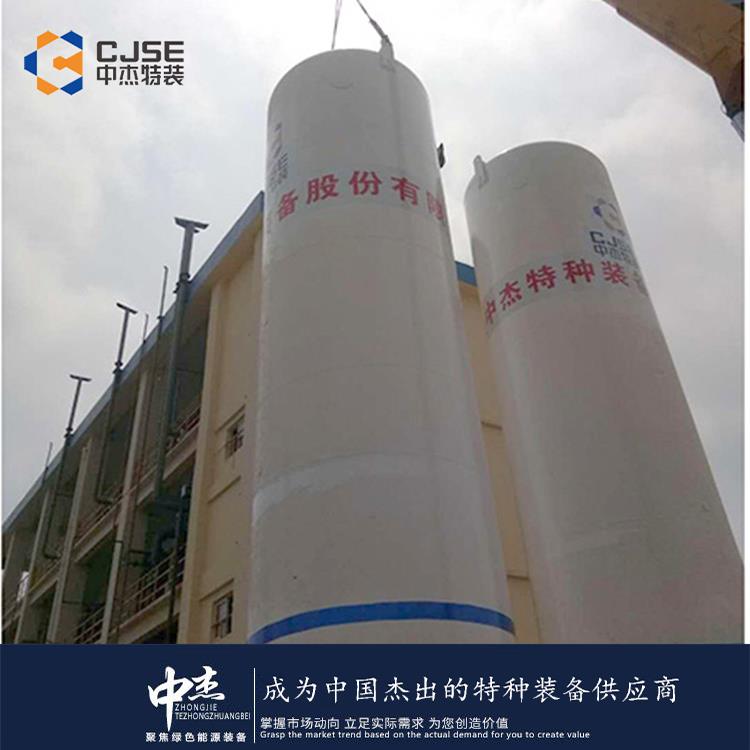
During the operation of low-temperature storage tanks, it is indeed necessary to avoid wrinkling. Wrinkling refers to the occurrence of creases or deformation in the tank walls, which can lead to a decrease in the structural integrity of the tank, and may even cause leaks or ruptures.
Below are some precautions to avoid tank squeezing during low-temperature storage:
Tank Design: Select an appropriate tank design to ensure it can withstand the pressure and weight of low-temperature liquids. The tank's wall thickness and supporting structure should comply with relevant standards and regulations.
Material Selection: Choose materials suitable for low-temperature environments, with adequate strength and low-temperature resistance. Common materials include low-temperature steel, stainless steel, etc.
Insulation Layer for Storage Tanks: The design and construction of the insulation layer must meet the requirements to ensure effective reduction of heat conduction and temperature variation. The materials and thickness of the insulation layer should be selected based on the specific situation.
Tank Operation: During the loading and unloading of liquids in the tank, it is essential to avoid rapid or excessive fluid flow to minimize impact and stress concentration on the tank walls.
Tank Maintenance: Regularly inspect and maintain the structure and insulation of the tanks to ensure they remain undamaged. Any abnormalities or damage should be promptly repaired or replaced.
Temperature Control: During the operation of low-temperature liquid storage tanks, it is crucial to strictly control the temperature difference between the inside and outside of the tank to avoid excessive temperature fluctuations and thermal stress.
In summary, preventing tank deformation at low temperatures hinges on proper design, material selection, insulation installation and maintenance, as well as strictly controlling temperature variations. Regular inspections and maintenance are crucial for ensuring the safe operation of the tank.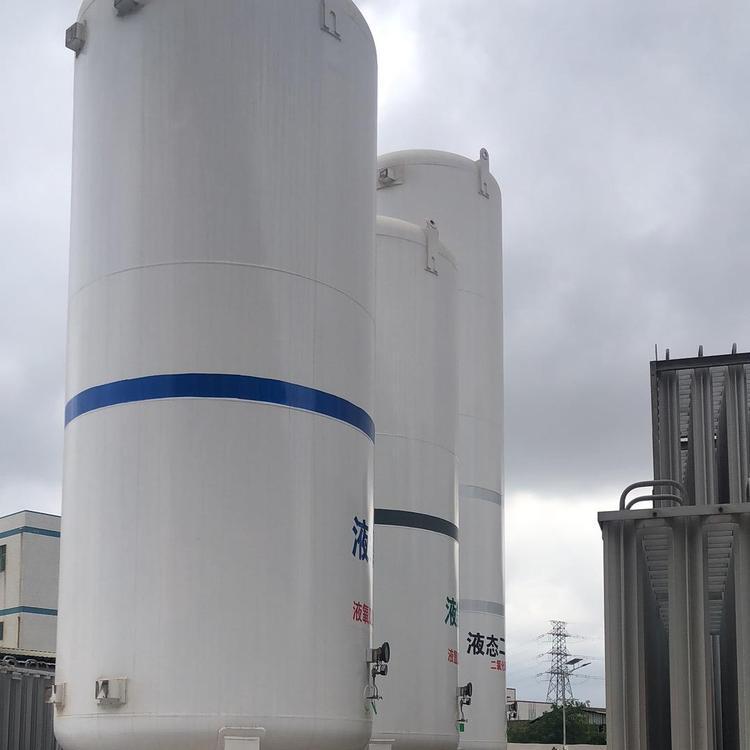
Leakage issues with liquid argon storage tanks may be caused by the following reasons:
Design or Manufacturing Defects: Defects in the design or manufacturing process of the tank, such as loose welding, improper material selection, and poor sealing, lead to leakage issues in the tank.
Corrosion and Oxidation: Long-term exposure of liquid argon tanks to low temperatures can lead to corrosion and oxidation. These can damage the tank's surface protective layer, causing leakage issues.
Fatigue and stress cracking: Over time, due to temperature and pressure fluctuations, storage tanks may experience fatigue and stress cracking. These cracks can degrade the tank's sealing performance, leading to leaks.
Improper Operation: Failure to follow proper procedures during the storage tank's operation, such as overfilling with liquid argon or excessive pressure, can lead to tank damage and leakage.
External Damage: The tank may sustain damage from external factors such as mechanical impacts or objects.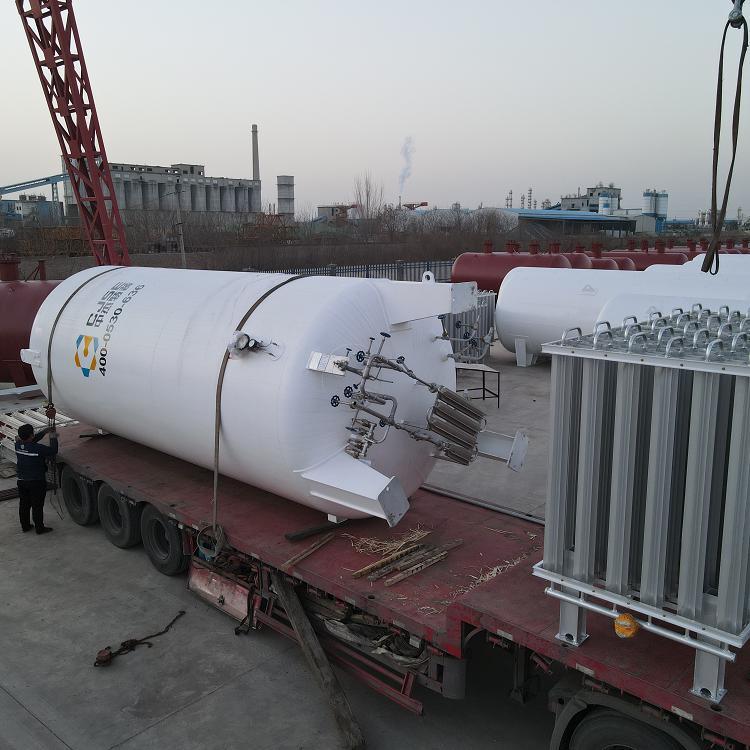
Stabilization design for a 15-cubic-meter liquid argon tank requires considering the following aspects:
Tank Pressure: Determine the design pressure of the tank to meet the storage and supply requirements for liquid argon. Establish an appropriate design pressure range based on the properties and usage conditions of liquid argon.
Stabilization System: Select an appropriate stabilization system to maintain stable pressure within the storage tank. The stabilization system typically includes components such as pressure regulators, pressure sensors, and control valves, which are used for monitoring and adjusting the pressure inside the tank.
Pressure Sensors: Install pressure sensors to monitor the pressure changes inside the storage tank in real-time. The sensors transmit pressure signals to the voltage regulation system, enabling timely adjustment of the control valve's opening to maintain stable pressure within the tank.
Control Valve: Select a suitable control valve for regulating the gas flow and pressure within the storage tank. The control valve should possess excellent regulating performance and stability to ensure that the pressure within the tank remains within the set range.
Safety Valve: Install a safety valve to automatically release gas when the pressure inside the storage tank exceeds the set value, preventing overpressure. The safety valve should be selected and installed based on the design pressure and capacity of the storage tank.
Voltage Stabilization System Control: Equipped with a suitable control system for monitoring and regulating the operation of the voltage stabilization system. The control system can achieve automatic adjustments and alarm functions to ensure stable and safe pressure within the storage tank.
Be mindful that the design of the voltage regulation should be tailored to the specific engineering requirements and the operational conditions of the liquid argon storage tank, adhering to relevant local regulations, standards, and specifications. When designing and installing the voltage regulation system, it is advisable to consult with an engineer or seek guidance from relevant institutions to ensure the reliability and safety of the system.
Shandong Zhongjie Special Equipment, welcome customers to visit our factory for business discussions.
Xing'an League Argon Storage Tank - Reliable
