


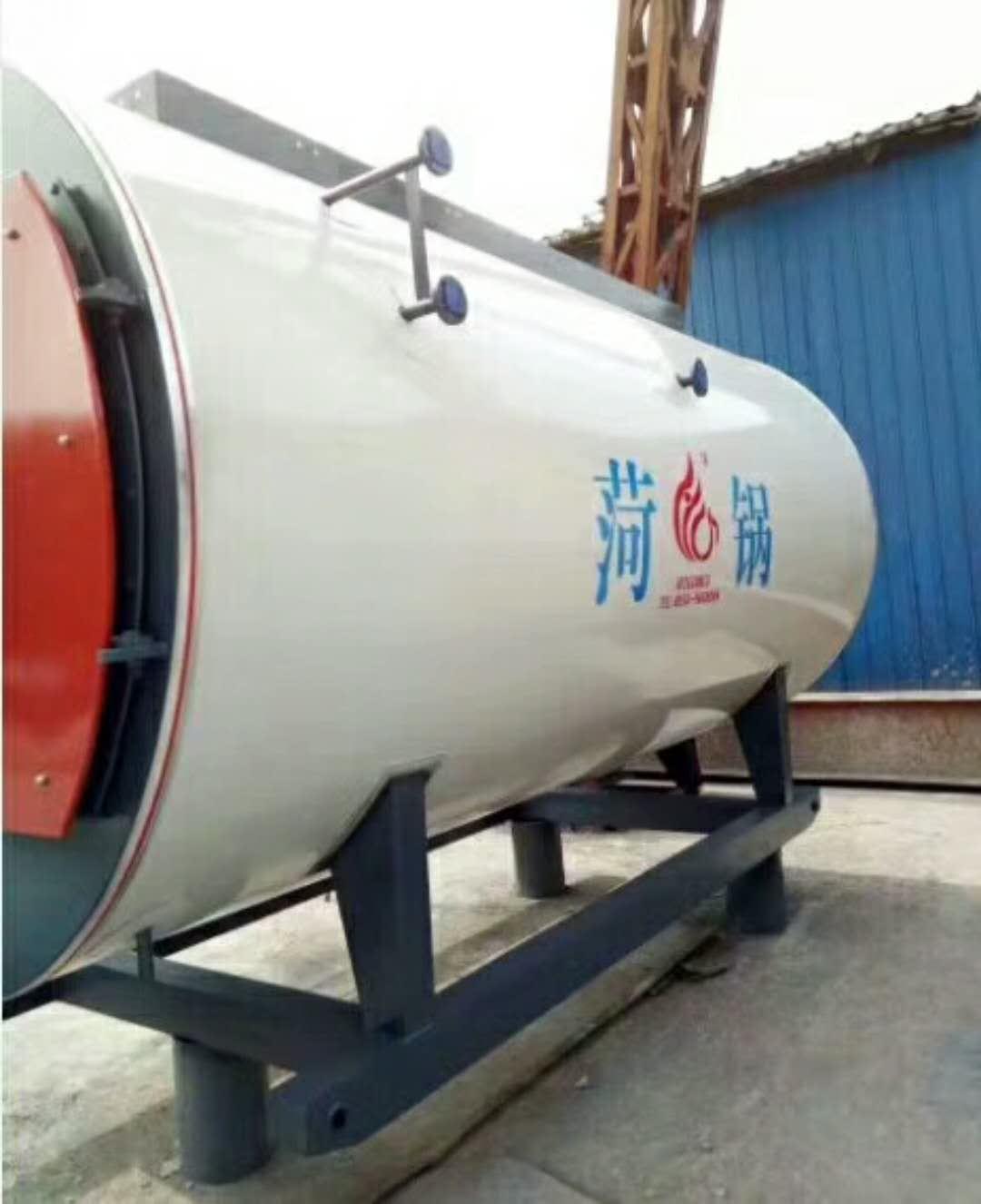
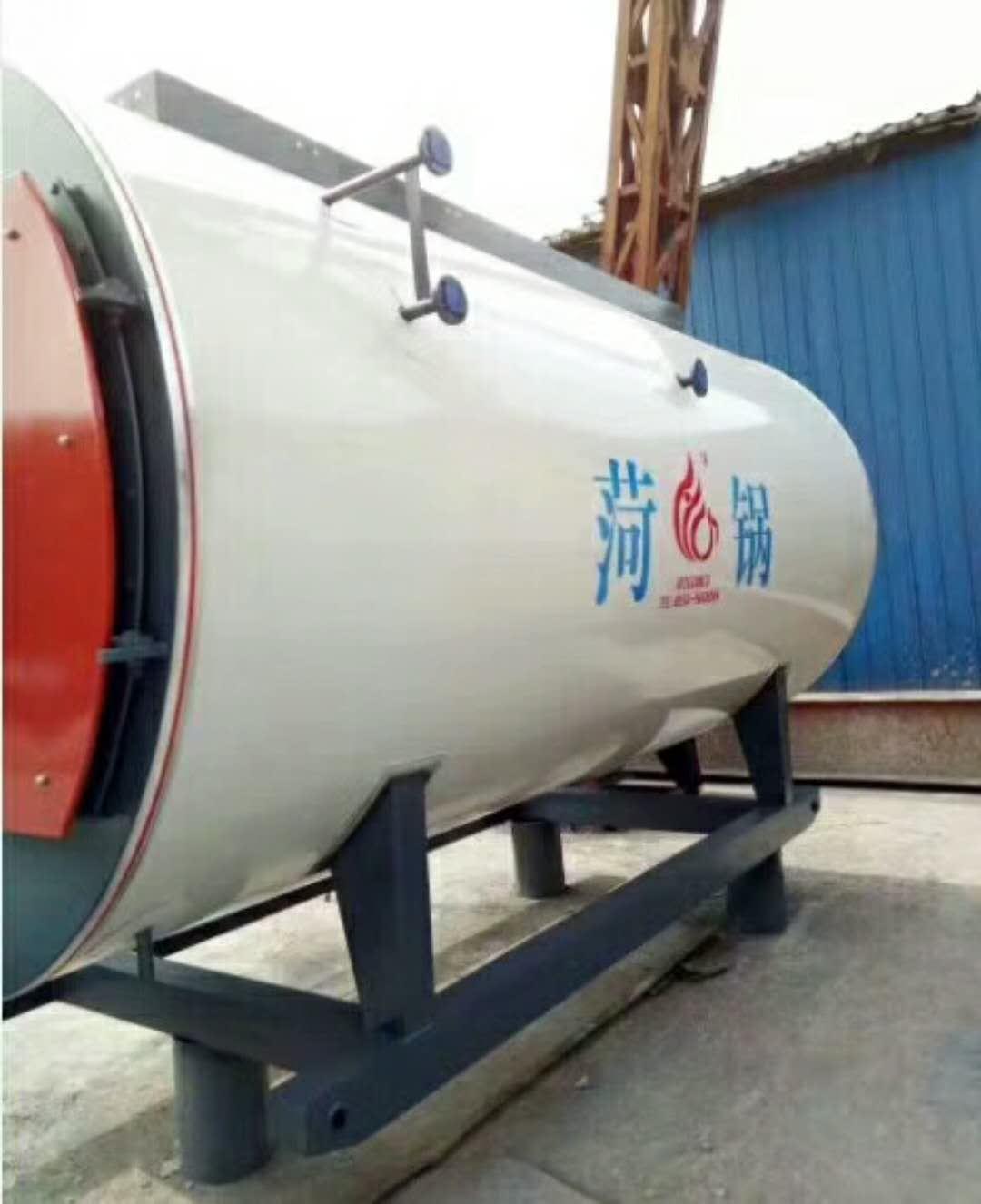

Shandong Zhongjie Special Equipment (formerly Heze Boiler Factory Co., Ltd.) was established in 2001, located at No. 2218 Jinnan Road, Economic and Technological Development Zone, Heze City, with a registered capital of 50 million yuan and total assets of 500 million yuan. The company has 7 major business centers: boiler, deep-freeze containers, pressure vessels, central air conditioning, engineering installation, international trade, and Internet of Things. It operates three factories on Jinnan Road, East Changjiang Road, and Bohai Road, covering a total of 200,000 square meters, with the main workshop area of 83,000 square meters. It currently employs 710 staff, including 247 engineering and technical personnel and 82 intermediate-level technical staff. In December 2016, it was recognized as a "High-Tech Enterprise" by the Science and Technology Department. In June 2021, it was identified as a "Specialized, Fine, and New Enterprise of Shandong Province" by the Department of Industry and Information Technology. In June 2022, it was recognized as a "Gazelle Enterprise of Shandong Province" and in August 2022, as a "Specialized, Fine, and New Small Giant Enterprise" by the Ministry of Industry and Information Technology.
Low-temperature liquid storage tanks feature the following characteristics and usage advantages:
Features:
Low-Temperature Storage: Low-temperature liquid storage tanks can store low-temperature liquids (such as liquid nitrogen, liquid oxygen, etc.) at low temperatures, maintaining their liquid state. Liquid storage significantly increases storage density and saves space.
Insulation: The low-temperature liquid storage tank is equipped with special insulation materials and structural design, effectively reducing heat conduction and heat loss to maintain a stable temperature for the low-temperature liquid. This helps to minimize energy loss and liquid evaporation.
Safety: The low-temperature liquid storage tank boasts excellent safety performance. Constructed with special materials and design, it can withstand low temperatures and high-pressure environments. Additionally, the tank is equipped with safety devices such as pressure relief valves and liquid level alarms, ensuring safe operation and usage.
Utilization Advantages:
High Purity Supply: Low-temperature liquid storage tanks can provide high purity liquid substances. Through refrigeration and purification processing, high purity liquid gases can be obtained to meet application needs in fields such as industry and scientific research.
Long-term Storage: Low-temperature liquid storage tanks are designed for long-term storage of low-temperature liquids, extending their service life. By controlling the temperature within the tank and the performance of the insulation layer, the evaporation and oxidation of the liquid can be slowed down, maintaining its stability and purity.
Wide Range of Applications: Low-temperature liquid storage tanks are extensively used in fields such as industry and scientific research. They can be used for storing liquid oxygen, providing oxygen supply; in the industrial sector, they are suitable for storing liquefied natural gas (LNG) and other process gases like liquid nitrogen; in scientific research, they can store low-temperature experimental samples.
Environmental Protection and Energy Conservation: Low-temperature liquid storage tanks enable effective storage and utilization of low-temperature liquids, reducing energy waste and environmental pollution. Storage of liquid substances
Liquid Oxygen Storage Tanks Feature the Following Safety Technical Characteristics:
High-pressure Vessel: Liquid Oxygen Tanks are high-pressure vessels capable of withstanding high pressure. Their design and manufacture must comply with relevant standards and specifications to ensure the tank's strength and seal integrity.
Low-Temperature Storage: Liquid oxygen tanks are used to store liquid oxygen, with operating temperatures typically around -183 degrees Celsius. The materials and insulation of the tank must be able to withstand low-temperature conditions, preventing evaporation of the liquid oxygen and the penetration of external heat.
Fireproof Design: Liquid oxygen has a high oxygen content and is prone to causing fires. The design of liquid oxygen storage tanks must consider fire prevention measures, such as setting up fire walls and using fire-retardant coatings, to prevent the occurrence and spread of fires.
Leak Control: Leaks in liquid oxygen storage tanks can lead to increased oxygen concentrations, heightening the risk of fire and explosion. Tanks must be equipped with leak detection and alarm systems to promptly detect and control leaks, and to implement appropriate emergency measures.
Static protection: Electrostatic buildup in liquid oxygen tanks can cause sparks, increasing the risk of fire. Tanks must be equipped with antistatic conductive materials and antistatic devices to reduce the accumulation and release of static electricity.
Safety valves and pressure control: Liquid oxygen storage tanks must be equipped with safety valves and pressure control devices to ensure that the internal pressure of the tank remains within a safe range. In the event of pressure exceeding the set value, the safety valve will automatically release pressure to protect the tank's safety.
Regular inspections and maintenance: Liquid oxygen tanks require regular inspections
The application of strain-hardening in austenitic stainless steel on low-temperature pressure vessels is a common method, which can enhance the strength and durability of the material. Below are some details regarding the application of strain-hardening in austenitic stainless steel on low-temperature pressure vessels:
Principle of Strain Hardening: Strain hardening is achieved by introducing plastic deformation into the material, which alters the crystal structure and thereby increases the material's strength. In Austenitic stainless steel, strain can be introduced through methods such as cold working (e.g., cold rolling, cold drawing) or heat treatment (e.g., solution treatment and cold deformation), leading to dislocations and grain boundary sliding in the crystal structure, thereby enhancing the material's strength.
Low-Temperature Application Advantages: Austenitic stainless steel exhibits excellent corrosion resistance and low-temperature toughness in cold environments. Strain hardening further enhances the strength and durability of Austenitic stainless steel, enabling it to perform in low-temperature pressure vessels. Under low-temperature conditions, strain hardening effectively resists plastic deformation and fracture, improving the material's tensile strength and impact resistance.
Application Cases: Austenitic stainless steel's strain-hardening is widely used in low-temperature pressure vessels. For instance, in cryogenic tanks such as liquid nitrogen, liquid oxygen, and liquid argon tanks, strain-hardened austenitic stainless steel is commonly used as structural material. These vessels must withstand high pressure and impact loads at low temperatures. Strain-hardening enhances the material's strength and durability, ensuring safe operation of the vessels.
It should be noted that the strain hardening of austenitic stainless steel must be carried out at the appropriate temperature and deformation conditions to avoid excessive deformation and material embrittlement. When designing and manufacturing low-temperature pressure vessels, it is necessary to reasonably select and apply the strain hardening of austenitic stainless steel based on specific engineering requirements and material characteristics.
The use of liquid oxygen storage tanks requires particular attention to the following safety matters:
Training: Operators of liquid oxygen tanks must undergo training to understand the properties of liquid oxygen, safety operating procedures, and emergency response measures. Only trained personnel are authorized to operate liquid oxygen tanks.
Safety Operating Procedures: Establish and adhere to the safety operating procedures for liquid oxygen tanks, including proper operational procedures, protective measures, and emergency response plans. Ensure operators follow the procedures to minimize accident risks.
Protective Measures: When using liquid oxygen tanks, it is mandatory to take necessary protective measures, such as wearing protective gloves and suits. Avoid direct contact with liquid oxygen to prevent frostbite.
Leak Control: Regularly inspect the liquid oxygen storage tank for leaks and equip with leak detectors and alarm systems. In case of a leak, immediate measures should be taken to control the leak and carry out repairs.
Fire Prevention Measures: Liquid oxygen has a high oxygen content, which is prone to causing fires. Measures such as installing firewalls around the liquid oxygen storage tanks and using fire-retardant coatings are taken to prevent fires from occurring and spreading.
Electrostatic Protection: The accumulation of static electricity in liquid oxygen tanks may cause sparks, increasing the risk of fire. Measures such as using electrostatic conductive materials and anti-static equipment are taken to reduce the accumulation and release of static electricity.
Ventilation Requirements: Ensure adequate ventilation within the enclosed space of the liquid oxygen storage tank to expel vapors produced by the evaporation of liquid oxygen.
Shandong Zhongjie Special Equipment, welcome customers to our factory for business talks.
Yingtan Liquid Argon Storage Tank, Factory Direct Supply
