


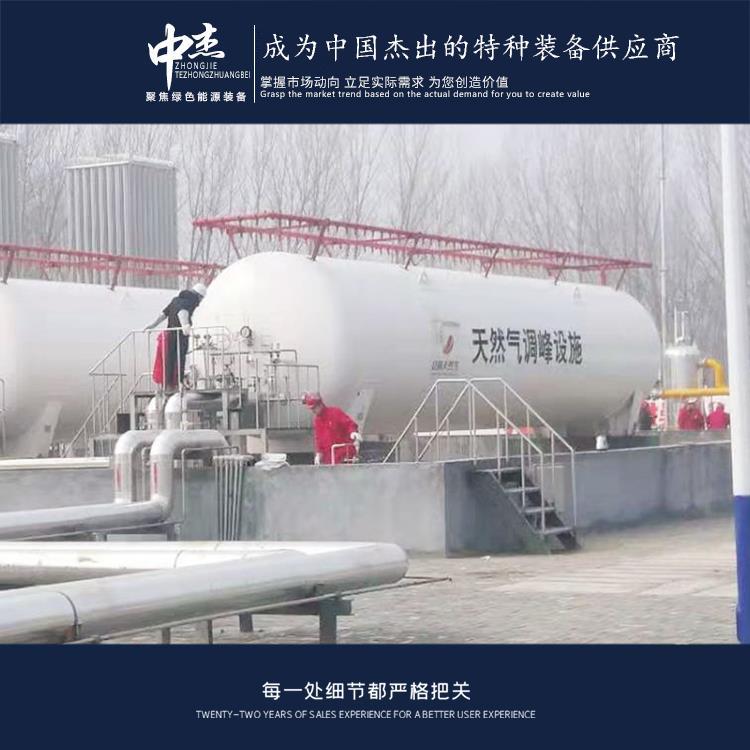
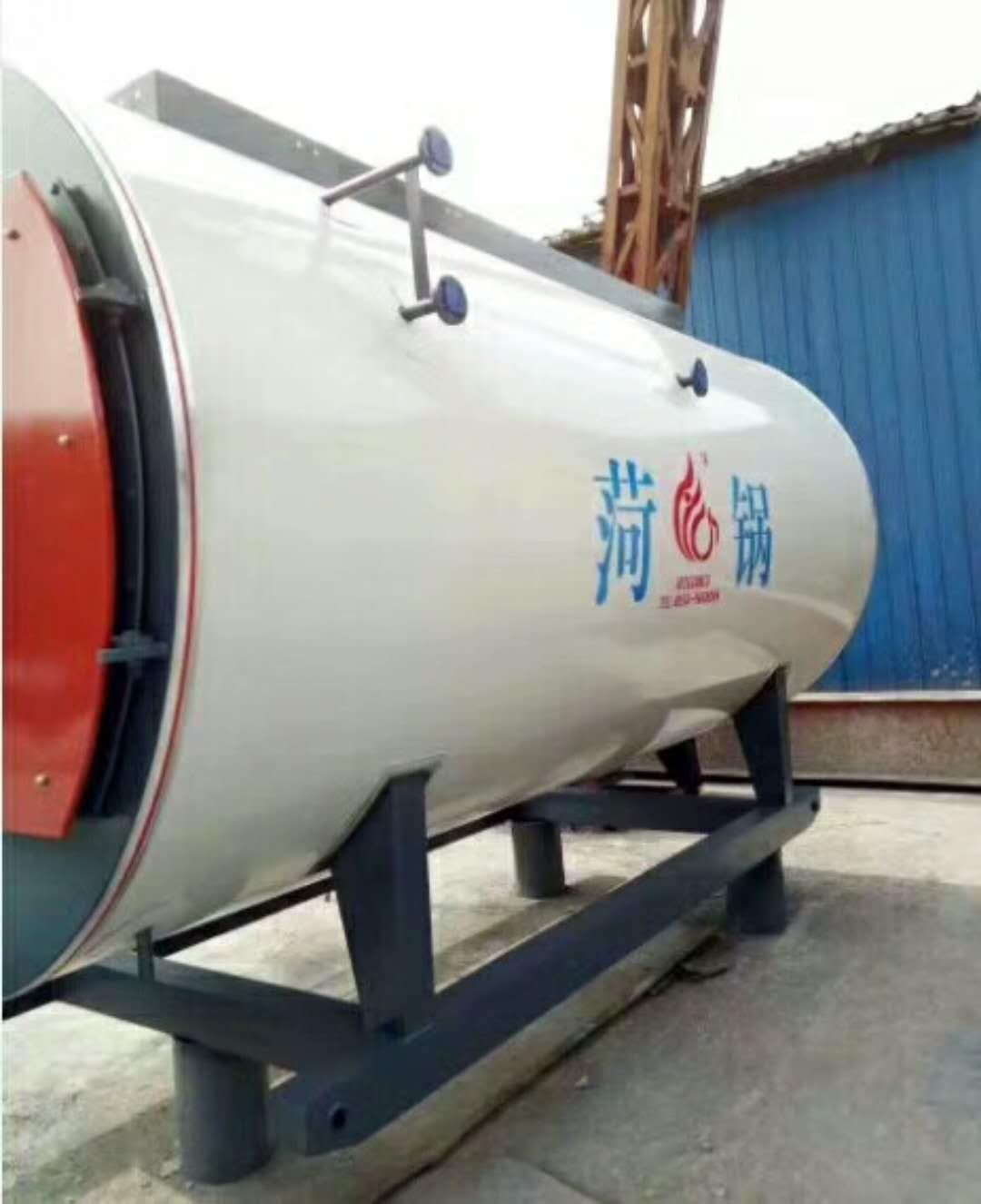
Shandong Zhongjie Special Equipment (formerly Heze Boiler Factory Co., Ltd.) was established in 2001, located at No. 2218 Jinnan Road, Development Zone, Heze City. With a registered capital of 50 million yuan and total assets of 500 million yuan, the company has 7 business centers: boilers, deep-freezing containers, pressure vessels, central air conditioning, engineering installation, international trade, and the Internet of Things. It has three factory sites on Jinnan Road, East Changjiang Road, and Bohai Road, covering a total of 200,000 square meters. The main workshop spans 83,000 square meters. The company currently employs 710 people, including 247 engineers and technicians and 82 intermediate-level technicians. In December 2016, it was recognized as a "High-tech Enterprise" by the Science and Technology Department. In June 2021, it was identified as a "Specialized and New Enterprise in Shandong Province" by the Ministry of Industry and Information Technology. In June 2022, it was recognized as a "Gazelle Enterprise in Shandong Province" and in August 2022, it was identified as a "Specialized and New Small Giant Enterprise" by the Ministry of Industry and Information Technology.
The installation of a safety valve on a CO2 storage tank is a crucial measure to ensure the tank can safely release pressure in the event of overpressure. Below are general installation steps:
1. Select the appropriate safety valve: Choose a safety valve that meets the tank's design pressure and flow requirements. Ensure the rated pressure and flow of the safety valve align with the tank's specifications.
2. Installation location: Select a suitable location for the safety valve, typically on the top or side of the tank. Ensure the valve can easily release pressure and is not obstructed by other equipment or structures.
3. Preparations: Clean the tank surface at the installation location to ensure no debris or dirt. Check the seal integrity of the safety valve and connecting pipes, ensuring there are no damages or leaks.
4. Install the safety valve: Connect the safety valve to the tank using the appropriate fittings and sealing materials. Follow the installation instructions for the safety valve to ensure a secure and reliable connection with the tank.
5. Adjustment and testing: Adjust and test the safety valve according to its specifications and requirements. Ensure the valve operates normally within the set pressure range and can release pressure promptly.
6. Identification and record: Mark relevant information on the safety valve and tank, such as the rated pressure and flow of the safety valve, installation date, etc. Record the installation process and test results for future reference and maintenance.
Please note that installing a CO2 storage tank safety valve must follow relevant safety operation procedures and standards. If you do not have the necessary knowledge and experience, it is recommended to consult with personnel or manufacturers for installation.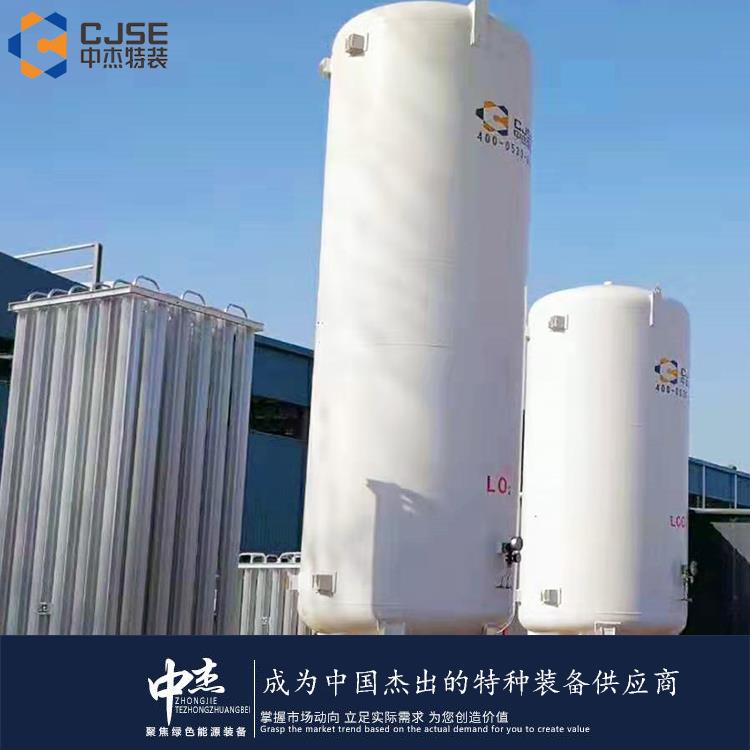
Carbon dioxide (CO2) and liquid oxygen (LOX) storage tanks are devices used for storing different gases, with some differences in their physical properties:
- Physical State: CO2 is a gas at room temperature and requires low temperatures and high pressure to become liquid. LOX is a liquid at room temperature and can maintain its liquid state without special conditions.
- Storage Temperature: The liquid storage temperature for CO2 is typically between -40°C and -78.5°C, whereas for LOX, it is usually between -183°C and -183.15°C. The storage temperature for LOX is lower and requires more stringent insulation measures.
- Storage Pressure: The liquid storage pressure for CO2 is generally between 5-20 MPa, while for LOX, it is typically between 0.2-2 MPa. The storage pressure for LOX is lower.
- Density: The density of liquid CO2 is approximately 0.8 g/cm³, while that of liquid oxygen is about 1.14 g/cm³. The density of liquid oxygen is greater.
- Safety: LOX has a high oxygen content, making it highly flammable and oxidizing, necessitating stricter safety measures. CO2 is relatively safe but can still pose health risks at high concentrations.
Carbon dioxide storage tanks come in various sizes and configurations to meet specific application and capacity requirements. Here are some common dimensions and structures:
Dimensions: The size of carbon dioxide storage tanks can range from small to large, varying with capacity. Common sizes include thousands to tens of thousands of liters.
Structure: Typically, carbon dioxide storage tanks feature a double-walled design, with the inner wall for storing liquid CO2 and the outer wall for insulation. The inner wall is usually made of stainless steel or aluminum alloy, offering excellent corrosion resistance.
Insulation: To maintain the low temperature of liquid CO2, the outer wall of the tank is insulated to reduce heat transfer and maintain低温. Insulation can be a multi-layered structure, such as polyester foam or glass wool.
Pressure Relief Devices: Carbon dioxide storage tanks are usually equipped with pressure relief devices, like safety valves, to control internal pressure. The set pressure of these devices should comply with relevant requirements and be inspected and maintained regularly.
Connecting Pipes: The connection between the tank and pipes is typically made using appropriate methods, such as flange or threaded connections. The connecting pipes should meet relevant standards and regulations to ensure a tight and reliable fit, with no leaks.
Support Structure: Large carbon dioxide storage tanks often require a support structure to bear their weight. These can be steel or concrete structures, ensuring stability and safety.
It's important to note that the specific dimensions and structures of carbon dioxide storage tanks may vary depending on different applications and requirements. When selecting and using carbon dioxide storage tanks, one should consider...
The reasons for not leaving a CO2 storage tank empty for extended periods are mainly as follows:
1. Safety Risks: CO2 is a high-pressure gas and must maintain a certain pressure within the tank to remain in a liquid state. Releasing CO2 from the tank into the atmosphere over a long period can lead to a drop in tank pressure, potentially causing structural failure or explosions, posing safety hazards.
2. Resource Wastage: CO2 is a valuable resource with extensive uses in industry and other applications. Keeping the CO2 storage tank empty for long durations results in resource waste, which is not in line with sustainable development principles.
3. Environmental Impact: CO2 is a greenhouse gas, and long-term emptying of CO2 storage tanks increases atmospheric CO2 concentration, exacerbating climate change and environmental issues.
Therefore, to ensure safety, conserve resources, and protect the environment, CO2 storage tanks should be used and managed according to specified procedures and requirements, avoiding long-term emptiness. When CO2 in the tank is no longer needed, appropriate disposal methods should be employed, such as recycling, reuse, or safe discharge.
Shandong Zhongjie Special Equipment, welcome customers to visit our factory for business discussions.
Handan 60-cubic-meter CO2 storage tank, high product safety
