


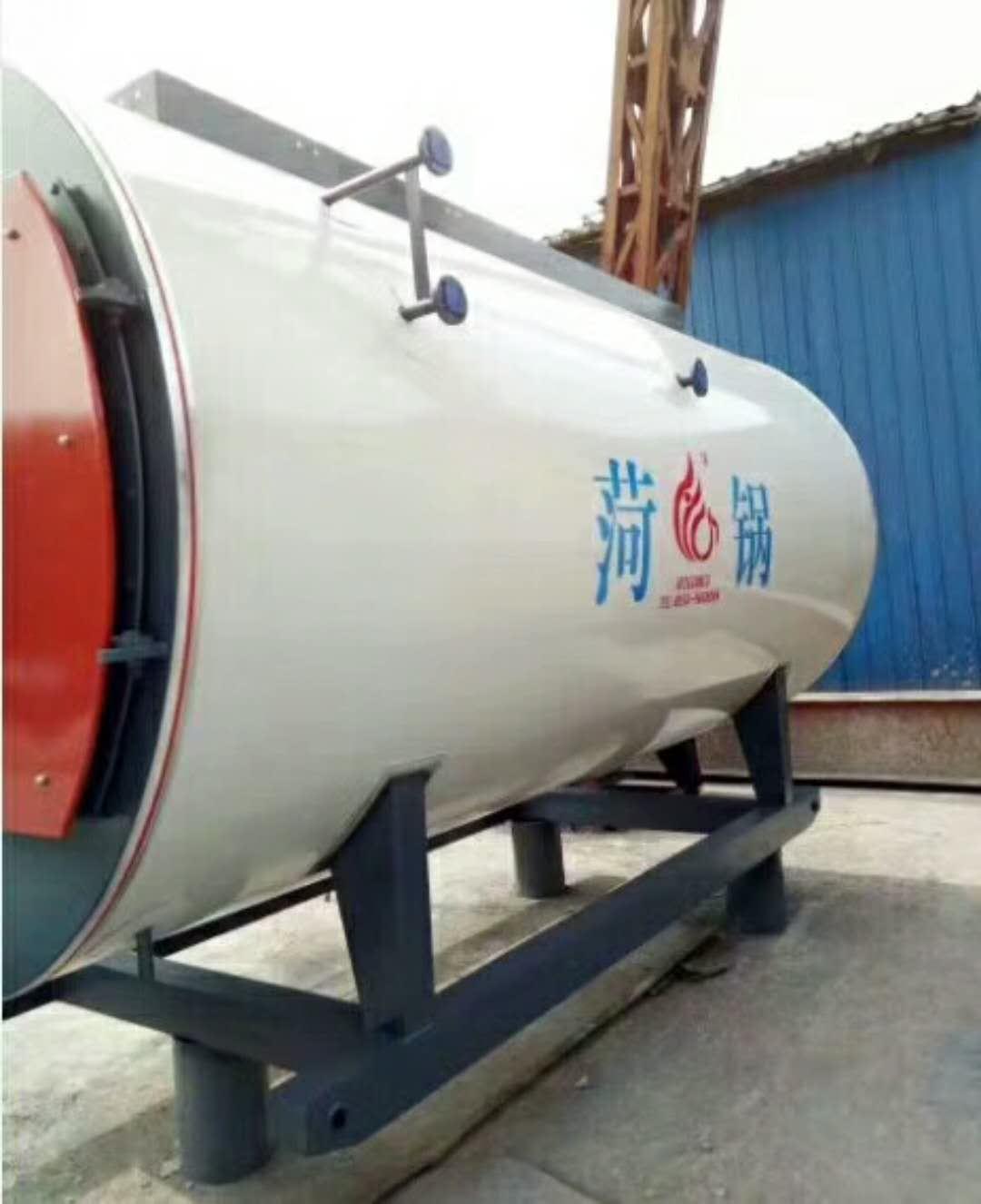
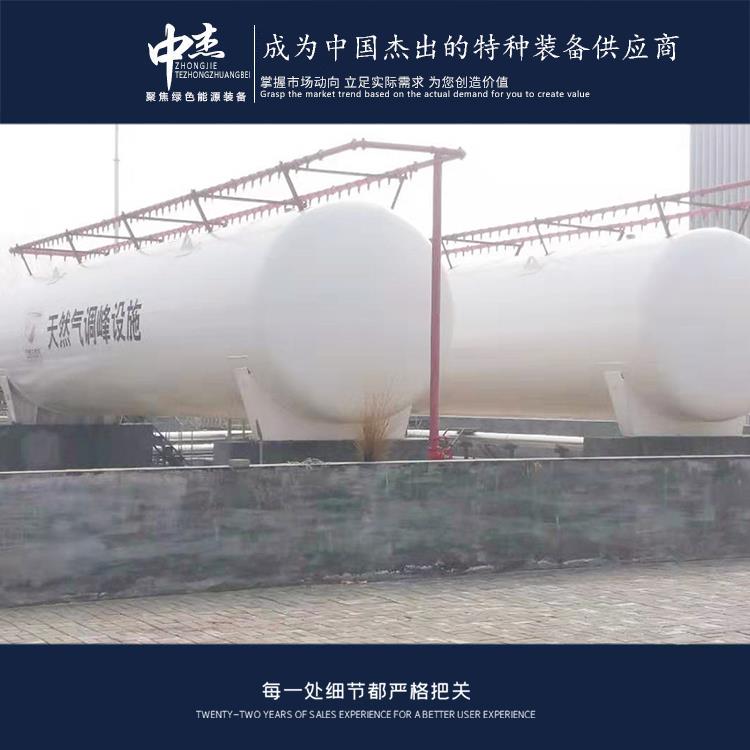
Shandong Zhongjie Special Equipment (formerly Heze Boiler Factory Co., Ltd.) holds an A-grade boiler manufacturing license, an A2-grade pressure vessel manufacturing license, an A2-grade pressure vessel design license, a B-grade boiler installation license, and GB2/Class GC2 pressure pipeline installation licenses, as well as a mechanical and electrical equipment installation contracting qualification. It is a member of the China Boiler and Water Treatment Association, the China Chemical Equipment Association, and the director unit of the Shandong Equipment Manufacturing Association. The company has also passed the ISO9001 Quality Management System, ISO14001 Environmental Management System, OHSAS18001 Occupational Health and Safety Management System certifications, and the American ASME/U2 certification.
The use of liquid oxygen storage tanks requires special attention to the following safety matters:
Training: Operators of liquid oxygen tanks must undergo training to understand the properties of liquid oxygen, safety operating procedures, and emergency response measures. Only trained personnel are authorized to handle liquid oxygen tanks.
Safety Operating Procedures: Establish and adhere to the safety operating procedures for liquid oxygen storage tanks, including proper operational processes, protective measures, and emergency response plans. Ensure that operators follow the procedures to minimize accident risks.
Protective Measures: When using liquid oxygen tanks, necessary protective measures must be taken, such as wearing protective gloves and suits. Avoid direct contact with liquid oxygen to prevent coldness.
Leak Control: Regularly inspect the liquid oxygen storage tank for leaks and equip with leak detection and alarm systems. In case of a leak, immediate action should be taken to control the leak and carry out repairs.
Fire Prevention Measures: Liquid oxygen contains a high concentration of oxygen, which is prone to causing fires. Measures such as setting up firewalls around liquid oxygen storage tanks and using fire-resistant coatings are taken to prevent the occurrence and spread of fires.
Static Protection: Electrostatic buildup in liquid oxygen tanks may cause sparks, increasing the risk of fire. Measures such as using static-conductive materials and anti-static equipment are taken to reduce the accumulation and release of static electricity.
Ventilation Requirements: Ensure adequate ventilation within the enclosed space of the liquid oxygen storage tank to exhaust vapors produced by the evaporation of liquid oxygen.
Low-temperature liquid storage tanks feature the following characteristics and advantages for use:
Features:
Low-Temperature Storage: Low-temperature liquid storage tanks can store low-temperature liquids (such as liquid nitrogen, liquid oxygen, etc.) at low temperatures, maintaining their liquid state. Liquid storage significantly increases storage density and saves space.
Insulation: Low-temperature liquid storage tanks are equipped with special insulation materials and structural design, effectively reducing heat conduction and retention, maintaining a stable temperature for low-temperature liquids. This helps to minimize energy loss and liquid evaporation.
Safety: The low-temperature liquid storage tank boasts excellent safety performance. It is made of special materials and designed with a structure that can withstand low temperatures and high pressures. Additionally, the tank is equipped with safety devices such as pressure relief valves and level alarms to ensure safe operation and usage.
Usage Advantages:
High Purity Supply: Low-temperature liquid storage tanks can provide high-purity liquid substances. Through refrigeration and purification processes, high-purity liquid gases can be obtained to meet application requirements in fields such as industry and scientific research.
Long-term Storage: Low-temperature liquid storage tanks are designed for long-term storage of low-temperature liquids, extending their service life. By controlling the temperature inside the tank and the performance of the insulation layer, the evaporation and oxidation of the liquid can be slowed down, maintaining its stability and purity.
Wide Range of Applications: Low-temperature liquid storage tanks are extensively used in various fields such as industry and scientific research. They can be used for storing liquid oxygen and providing oxygen supply; in the industrial sector, they are suitable for storing liquid natural gas (LNG) and other process gases like liquid nitrogen; in the scientific research field, they can store low-temperature experimental samples.
Environmental Protection and Energy Saving: Low-temperature liquid storage tanks enable effective storage and utilization of low-temperature liquids, reducing energy waste and environmental pollution. Storage of liquid substances
Standard specifications for liquid oxygen storage tanks may vary by region. Here are examples of some common standards:
US Standards: The American National Standards Institute (ANSI) and the American Petroleum Institute (API) have issued a series of standards for liquid oxygen storage tanks, such as ANSI/API Standard 2510 "Design and Construction of Liquid Oxygen Storage Tanks" and ANSI/API Standard 2510A "Supplement to the Design and Construction of Liquid Oxygen Storage Tanks."
European Standards: The European Committee for Standardization (CEN) has issued a series of standards for liquid oxygen storage tanks, such as EN 13458 "Liquid Oxygen Storage Tanks. Design and Construction" and EN 14015 "Vertical Welded Steel Fixed Storage Tanks. Design and Construction."
Chinese Standards: The Standardization Administration of the People's Republic of China (SAC) has issued a series of standards for liquid oxygen storage tanks, such as GB/T 18442 "Design Code for Liquid Oxygen Storage Tanks" and GB/T 18443 "Construction and Acceptance Code for Liquid Oxygen Storage Tanks."
These standards typically cover requirements for the design, manufacturing, installation, operation, maintenance, and inspection of liquid oxygen storage tanks. They encompass provisions for the tank's structure, materials, safety valves, insulation, leak control, fire protection measures, and safety distances to ensure the safety and reliability of the storage tanks.
When designing, manufacturing, and using liquid oxygen storage tanks, it is essential to follow applicable standards and regulations and collaborate with local regulatory authorities and personnel to ensure compliance with relevant safety requirements and regulations.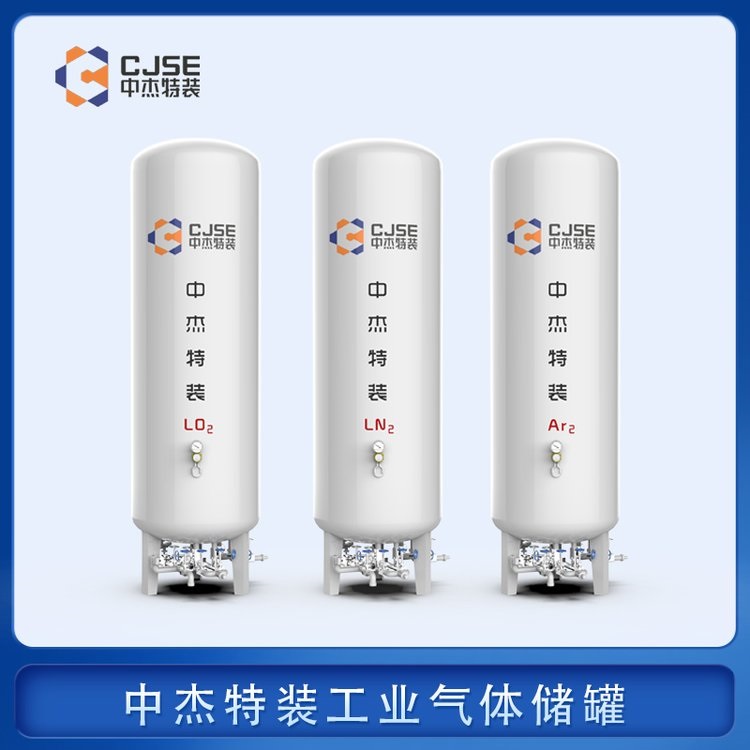
The primary reason for pre-cooling a liquid oxygen tank before use is to lower the tank's internal temperature to below the boiling point of liquid oxygen, facilitating the conversion of oxygen into a liquid state.
The boiling point of liquid oxygen is -183°C, and at room temperature, oxygen exists in a gaseous state. Liquid oxygen tanks require cooling the oxygen below its boiling point to convert it into a liquid for storage and supply.
The pre-cooling process generally involves the following steps:
Clean Storage Tank: First, the tank must be thoroughly cleaned to ensure there are no impurities or contaminants inside, in order to avoid any impact on liquid oxygen.
Drainage and Exhaust: To empty the gas inside the tank and expel it through the exhaust system to reduce the gas content within the tank.
Add Liquid Nitrogen: Inject liquid nitrogen into the tank, which can rapidly cool the air and walls inside the tank due to its low temperature, thus lowering the tank's temperature.
Waiting for cooling: The liquid nitrogen in the tank will gradually lower the tank's temperature through the process of heat conduction until it reaches below the boiling point of liquid oxygen.
The purpose of pre-cooling is to ensure the tank's temperature is sufficiently low to meet the storage and supply requirements of liquid oxygen. Pre-cooling reduces the evaporation and loss of liquid oxygen and also aids in maintaining the tank's safety and stability.
ZJ Special Equipment adheres to the great vision of "realizing employees' dreams, creating customer value, and striving for the prosperity and strength of our motherland," focusing on the development of green energy equipment industry, dedicating high-quality, cost-effective products and services to society!
Jiyuan Low-Temperature Liquid Nitrogen Storage Tank, Custom Orders Available
