


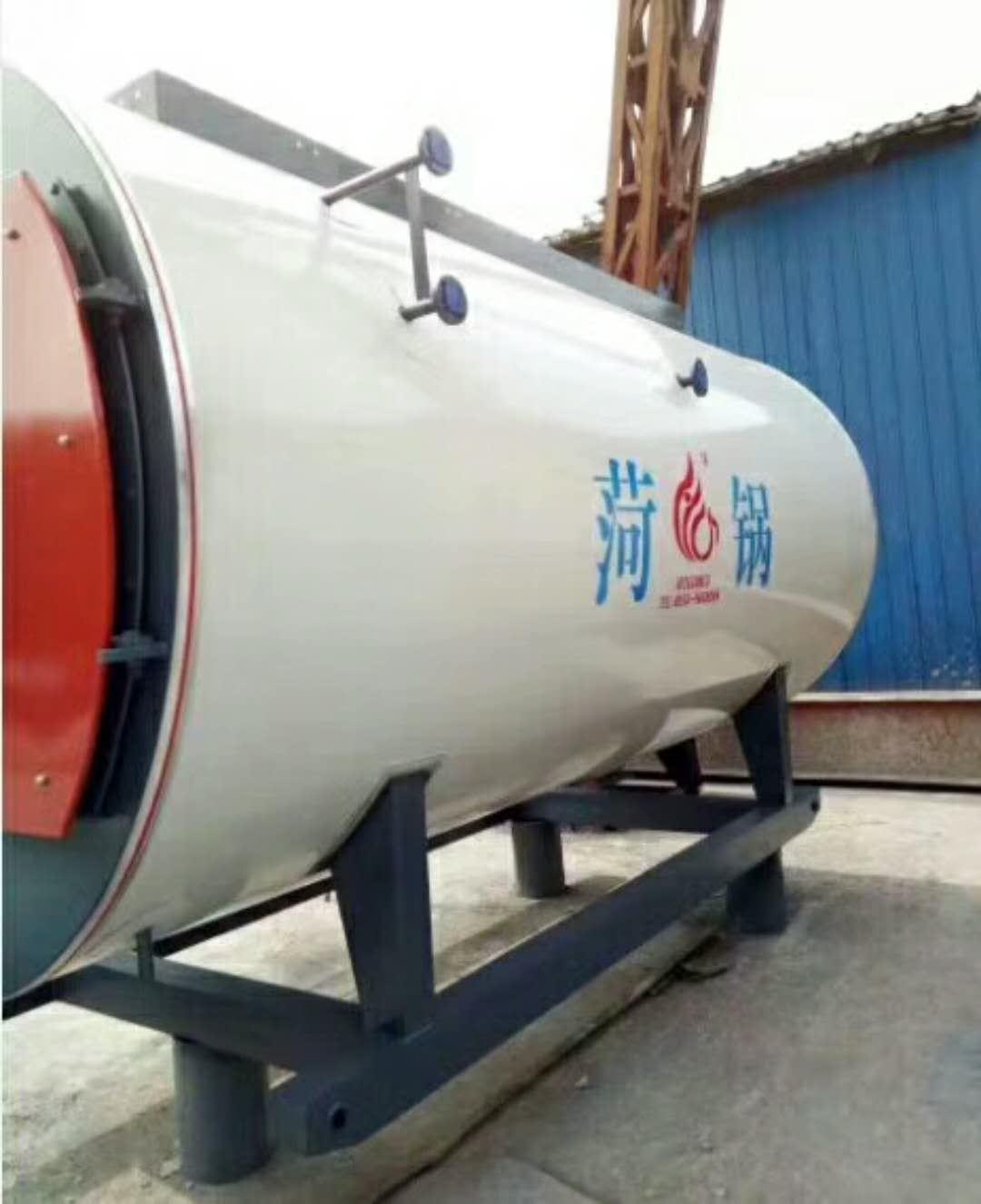
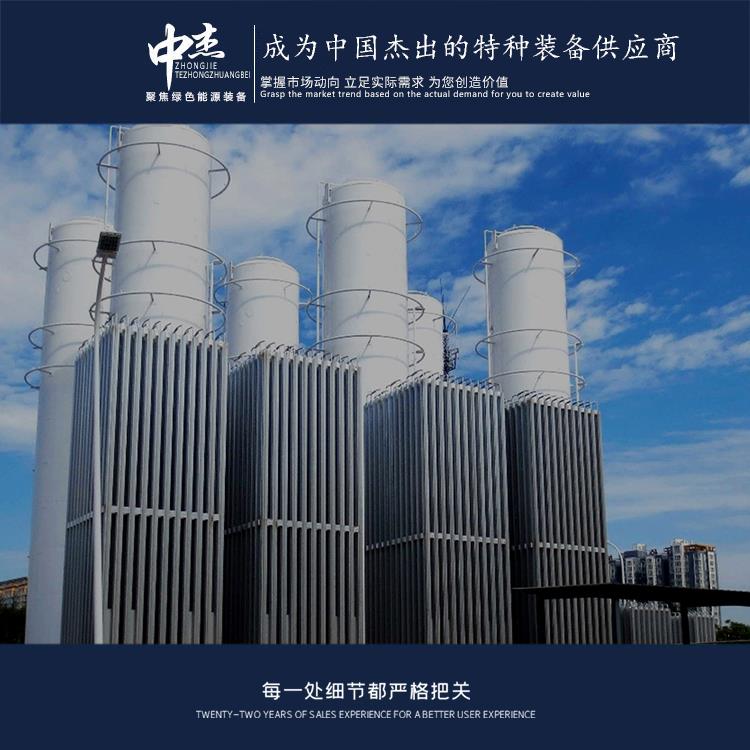
Shandong Zhongjie Special Equipment (formerly Heze Boiler Factory Co., Ltd.) was established in 2001, located at No. 2218 Jinnan Road, Economic and Technological Development Zone, Heze City. With a registered capital of 50 million yuan and total assets of 500 million yuan, the company has seven business centers: boilers, deep-freeze containers, pressure vessels, central air conditioning, engineering installation, international trade, and Internet of Things. It operates three factory sites on Jinnan Road, East Changjiang Road, and Bohai Road, covering a total of 200,000 square meters. The main workshop spans 83,000 square meters. It currently employs 710 staff, including 247 engineers and technicians and 82 intermediate-level technicians. In December 2016, it was recognized as a "High-tech Enterprise" by the Science and Technology Department. In June 2021, it was named a "Specialized and New Enterprise in Shandong Province" by the Department of Industry and Information Technology. In June 2022, it was identified as a "Gazelle Enterprise in Shandong Province" and in August 2022, it was recognized as a "Specialized and New Small Giant Enterprise" by the Ministry of Industry and Information Technology.
The liquid level of a carbon dioxide tank varies depending on specific design and usage requirements. Generally, the liquid level in a carbon dioxide tank is typically maintained between 80% and 95%. There are several reasons for keeping the tank level within this range: Space retention: Maintaining a certain level of liquid provides steam space within the tank to prevent over-pressurization and the risk of tank explosion. Storage capacity: Keeping a higher level maximizes the tank's capacity, allowing for more carbon dioxide storage. Stable supply: Maintaining an appropriate level ensures a stable supply of carbon dioxide to meet usage demands. However, specific level requirements may vary depending on different applications and industries. When using a carbon dioxide tank, follow the manufacturer's recommendations and relevant regulations and standards to ensure the tank's level is controlled within a safe and appropriate range.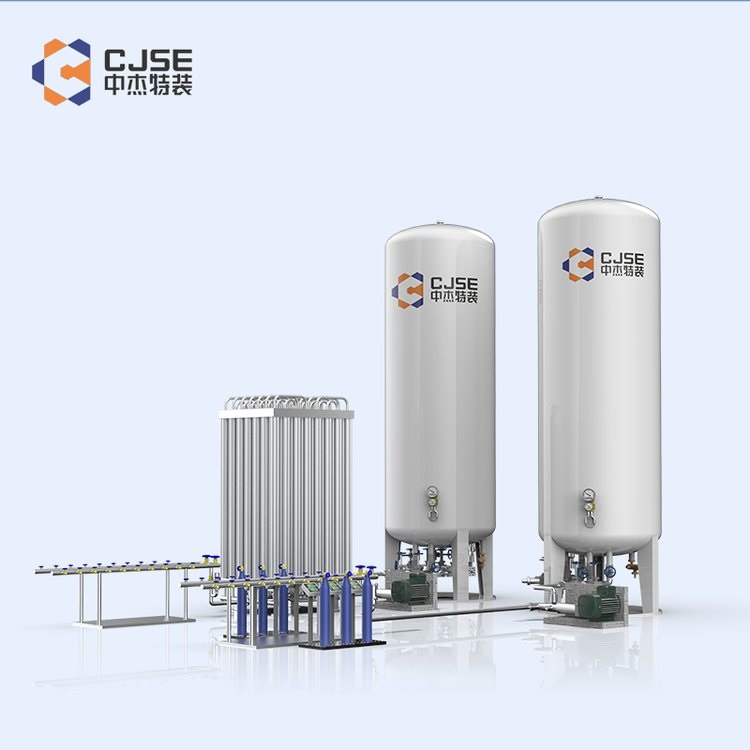
Carbon dioxide has several key applications in carbonated beverages:
1. Bestowing bubbles and mouthfeel: Carbon dioxide is the key ingredient responsible for the formation of bubbles and effervescence in carbonated drinks. When dissolved in the beverage, it creates bicarbonate ions, resulting in a fizzy and bubbly texture. These bubbles and mouthfeel contribute to the distinct taste and flavor of carbonated drinks.
2. Adjusting pH levels: Carbon dioxide reacts with water to form carbonic acid, thereby regulating the pH of carbonated beverages. By controlling the amount of dissolved carbon dioxide, the acidity of the drink can be adjusted to achieve an ideal mouthfeel and taste.
3. Providing refreshment: The carbon dioxide bubbles in carbonated beverages can impart a refreshing sensation. As you drink, the bubbles stimulate the taste buds on your tongue, creating a cool and tingling feeling that enhances the drink's taste and mouthfeel.
4. Extending shelf life: Carbon dioxide in carbonated drinks serves as a preservative. Due to its acidity and properties, it can inhibit the growth of microorganisms, thereby extending the shelf life of carbonated beverages.
It's important to note that excessive consumption of carbonated beverages may have negative health effects, such as tooth erosion and osteoporosis. Therefore, moderate consumption is recommended.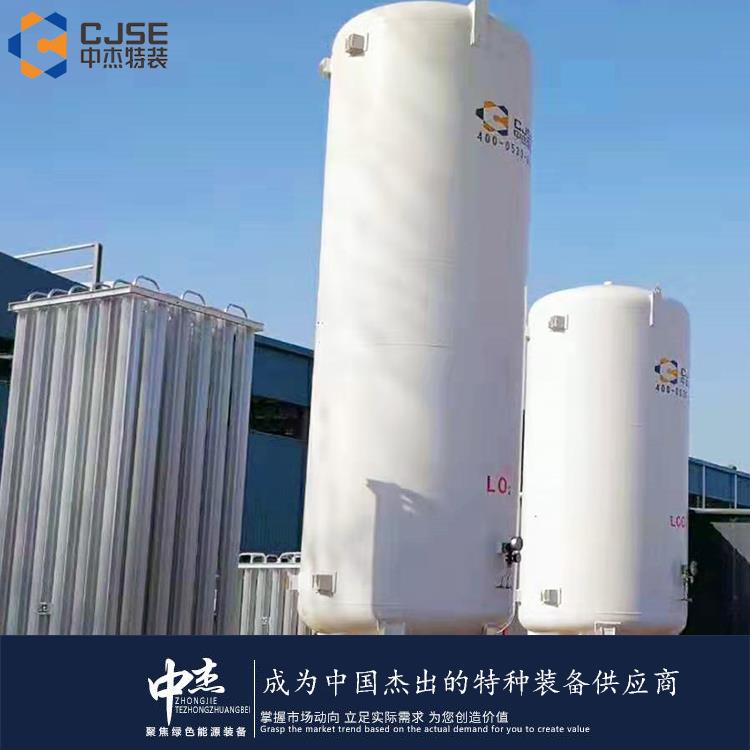
Carbon dioxide tanks are devices used for storing carbon dioxide gas. They are typically made of high-strength materials with sealing capabilities to prevent the leakage of stored CO2. The design and capacity of the tanks can be adjusted as needed to accommodate various applications. Carbon dioxide tanks are widely used across industries, including industrial production, food processing, and more. In the industrial sector, they are commonly used for storing and supplying CO2 gas for processes like welding, gas shielding, and fire suppression. In the food processing industry, they can be used to produce carbonated beverages and frozen foods. In the medical field, they are used to manufacture medical gases such as breathing gases and anesthetic gases. The development and manufacturing of carbon dioxide tanks involve multiple manufacturers and technologies. Different companies may employ various design and manufacturing processes to meet the diverse needs of users. Additionally, relevant safety standards and regulations must be adhered to ensure the safe operation and use of the tanks.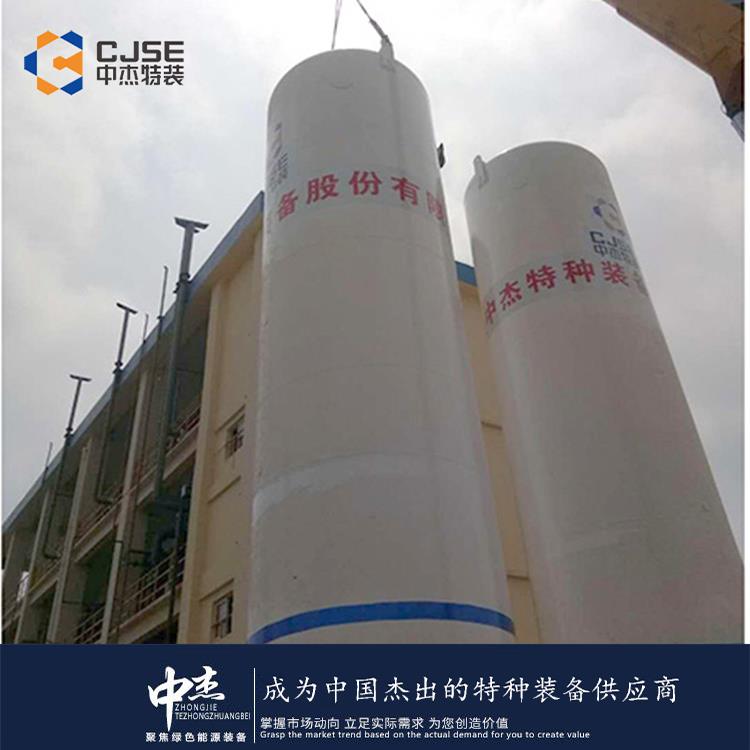
A Carbon Dioxide Storage Tank Pressure Maintenance System is a system designed to maintain the internal pressure of a CO2 storage tank. As CO2 is a gas at room temperature, it needs to be compressed into a liquid state for storage to increase density. The primary function of the pressure maintenance system is to monitor and regulate the internal pressure of the tank, ensuring the CO2 remains within a safe and stable pressure range. The system typically consists of the following components:
- Pressure Sensors: Installed inside the tank, these sensors monitor the pressure in real-time and transmit pressure signals to the control system.
- Control System: Receives signals from the pressure sensors and controls them based on pre-set pressure ranges. When the pressure inside the tank exceeds or falls below the set range, the control system triggers corresponding control measures.
- Pressure Regulating Valve: Adjusts the pressure inside the tank according to the control system's instructions. When the pressure is too high, the valve opens to release some gas to lower the pressure. When the pressure is too low, the valve closes to prevent further gas release, increasing the pressure.
- Pressure Reservoir: Usually a pressure vessel used to store additional gas for providing extra pressure support when needed. When the pressure inside the tank drops, the reservoir releases gas to maintain the tank's pressure.
Through the coordinated work of these components, the CO2 Storage Tank Pressure Maintenance System ensures that the pressure inside the tank remains within a safe and stable range. This is crucial for the normal operation and safety of the tank.
Our company places great emphasis on technological innovation and R&D design. We possess 1 municipal-level enterprise technology center in Heze City, equipped with non-destructive testing, physical and chemical testing, welding testing, hydrostatic testing, and other testing facilities. We have over 600 types of equipment, including CNC machine tools, X-ray flaw detectors, digital ultrasonic flaw detectors, mechanical property testing machines, chemical analyzers, spectrometers, tensile testing machines, plasma welding machines, and more. The key products we have developed, such as temperature and pressure vessel welding, biomass boiler emission reduction, and waste heat utilization, have successively been selected for multiple Shandong Provincial Department of Industry and Information Technology science and technology innovation projects, Shandong Provincial key projects, and Heze City innovative and excellent projects. We have accumulated 27 authorized utility models, 16 authorized inventions, participated in drafting 2 standards, 2 industry standards, and registered 15 trademarks. Our technical team, in collaboration with Professor Li Yajiang of Shandong University, has developed deep cryogenic container processing technology using the international plasma arc + wire filling argon arc welding (PAW-GTAW) technology. This technology has been appraised as reaching international standards in the field of deep cryogenic container manufacturing at the provincial level. Choose Zhongjie Special Equipment, and let's create brilliance together!
50-cubic-meter CO2 storage tank in Dali - Reliable
