


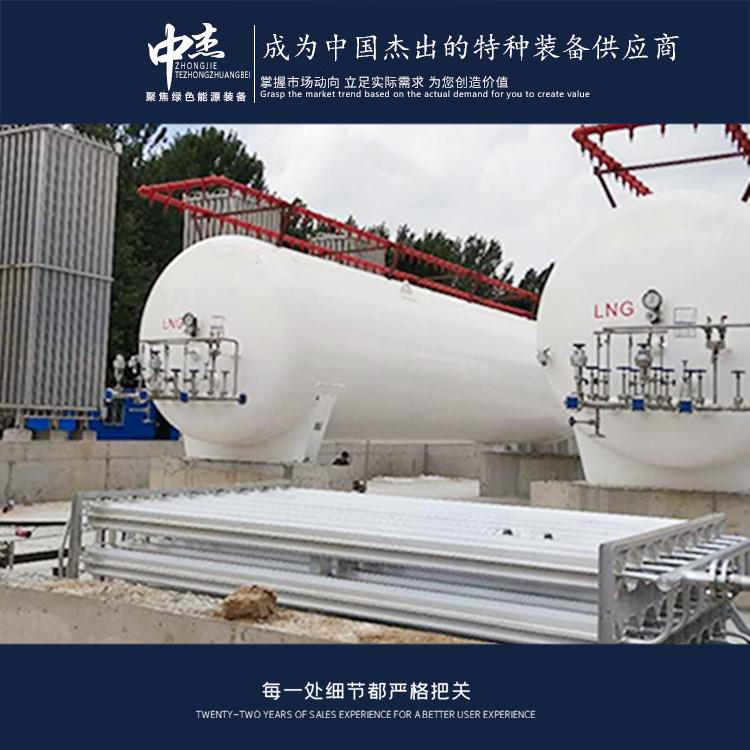

Shandong Zhongjie Special Equipment (formerly Heze Boiler Factory Co., Ltd.) was established in 2001, located at No. 2218 Jinnan Road, Development Zone, Heze City. With a registered capital of 50 million yuan and total assets of 500 million yuan, the company has seven business centers: boilers, deep-freeze containers, pressure vessels, central air conditioning, engineering installation, international trade, and the Internet of Things. It operates three factory sites at Jinnan Road, East Changjiang Road, and Bohai Road, covering a total of 200,000 square meters. The main workshop spans 83,000 square meters. Currently, there are 710 employees, including 247 engineers and technicians and 82 intermediate-level technicians. In December 2016, it was recognized as a "High-Tech Enterprise" by the Science and Technology Department. In June 2021, it was identified as a "Specialized and New Enterprise in Shandong" by the Ministry of Industry and Information Technology. In June 2022, it was recognized as a "Gazelle Enterprise in Shandong." In August 2022, it was identified as a "Specialized and New Small Giant Enterprise" by the Ministry of Industry and Information Technology.
The testing and maintenance of liquid oxygen storage tanks are crucial for ensuring safe operation and extending their lifespan. Below is a general outline of the testing and maintenance procedures for liquid oxygen storage tanks:
- Visual Inspection: Regularly inspect the exterior of the liquid oxygen storage tank for signs of corrosion, wear, and cracks. Promptly repair or replace any abnormalities found.
- Internal Cleaning: Regularly clean the interior of the liquid oxygen storage tank to remove accumulated impurities and dirt. Use appropriate cleaning agents and tools to prevent damage to the tank.
- Level Measurement: Regularly measure the level to ensure the liquid oxygen within the tank is within a safe range. Use level gauges or other measurement devices, and record the results.
- Pressure Testing: Regularly conduct pressure tests to verify the tank's pressure resistance. Control pressure and time during testing to ensure safety and accuracy.
- Leak Detection: Regularly perform leak detection to ensure the tank's seal integrity. Use leak detection instruments such as gas detectors or foam leak detectors.
- Valve and Pipeline Inspection: Regularly check the valves and pipeline connections of the liquid oxygen storage tank to ensure proper sealing and no leakage. Promptly repair or replace any issues found.
- Maintenance Records: Document the testing and maintenance activities, including inspection dates, contents, and results. Records help track the tank's maintenance history and issue resolution.
- Scheduled Maintenance: Develop a regular maintenance plan based on the tank's usage and requirements. This includes lubrication, bolt tightening, and replacing seals to ensure normal operation.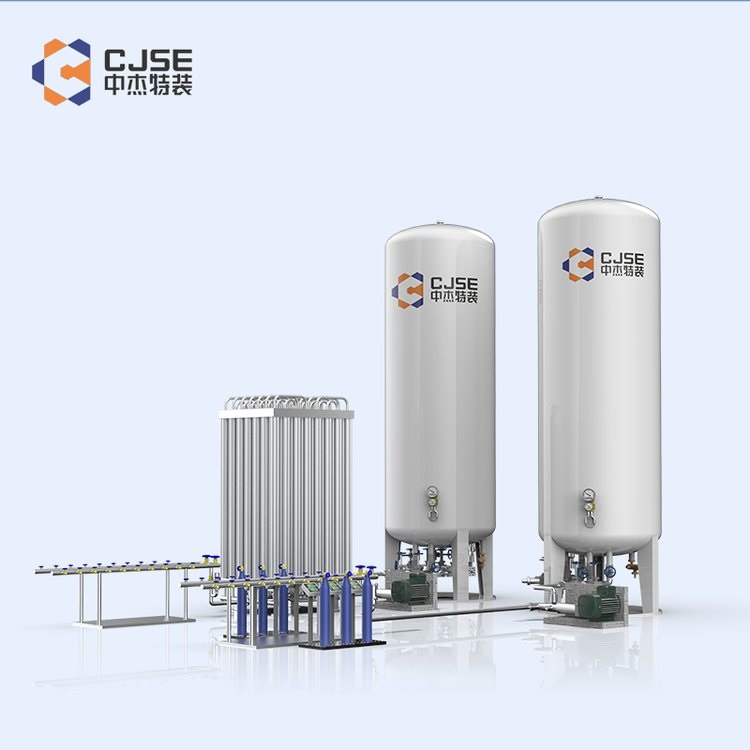
When using a 50-cubic-meter liquid oxygen tank, the following safety issues should be noted:
- Fire and Explosion Prevention: Liquid oxygen is highly oxidizing and can support combustion. Therefore, avoid contact and ensure there are no open flames or other ignition sources nearby.
- Ventilation: Evaporation of liquid oxygen produces a large amount of oxygen, so good ventilation around the tank is necessary to prevent oxygen accumulation and the risk of explosion.
- Avoid High Temperatures: Liquid oxygen may cause combustion or explosion when in contact with high-temperature objects. Thus, avoid exposing the liquid oxygen tank to high-temperature environments or contact with hot objects.
- Prevent Overpressure: Use the liquid oxygen tank according to its designed pressure and flow rate to avoid exceeding its capacity. Regularly inspect and maintain the safety valve to ensure proper operation and prevent overpressure.
- Prevent Corrosion: Regularly inspect and maintain the liquid oxygen tank to prevent corrosion issues. Especially, keep the tank surface and contact areas dry and clean to avoid corrosion.
- Safe Operation: Operators should receive relevant training to understand the safe operation procedures and standards for liquid oxygen tanks. Follow the correct procedures, wear personal protective equipment, and ensure safety during operations.
- Emergency Preparedness: Establish an emergency plan and equip with appropriate fire-fighting and first-aid equipment when using a liquid oxygen tank. Operators should be familiar with emergency procedures and able to respond quickly to emergencies.
Please note that the above safety issues are general recommendations. Specific safe operation should be based on the design and usage requirements of the liquid oxygen tank. Before using the liquid oxygen tank, it is recommended to refer to relevant safety operation manuals and guidelines to ensure operational safety.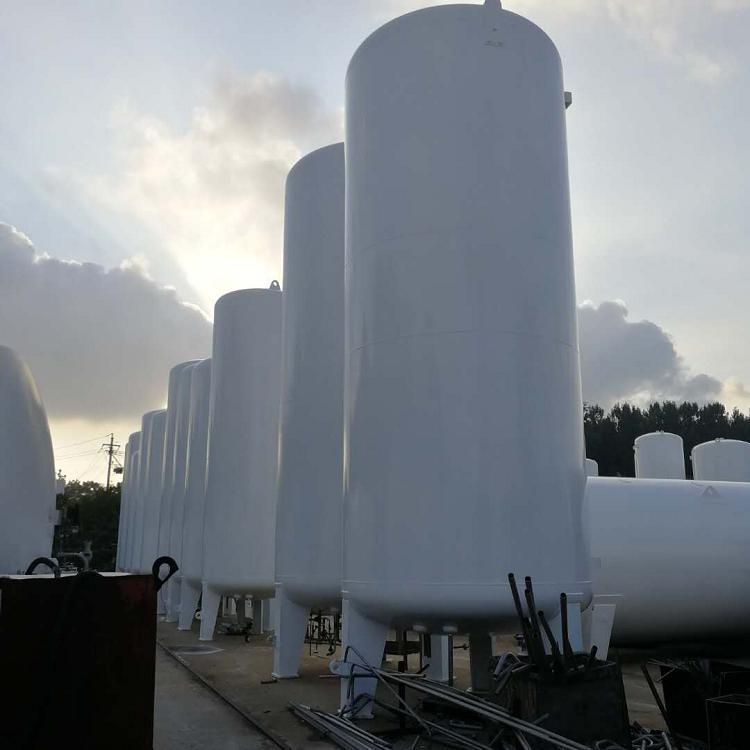
In recent years, the surge in the development of low-temperature liquid storage tanks can be attributed to the following factors:
- Increased energy demand: As the economy grows and the population expands, there's a rising need for energy. Low-temperature liquid storage tanks are primarily used for storing liquid gases (LNG), liquid oxygen (LOX), liquid nitrogen (LIN), and other low-temperature liquid energy sources to meet the growing energy needs.
- Greenhouse gas emission reduction: These storage tanks can store and transport liquid carbon dioxide (CO2) for carbon capture and storage (CCS) technologies, aiding in reducing greenhouse gas emissions. With heightened awareness of environmental protection and climate change, the demand for low-temperature liquid storage tanks in the CCS field has also increased.
- Industrial development requirements: The application of low-temperature liquid storage tanks in the industrial sector is also on the rise. For instance, in industries like chemicals, pharmaceuticals, food and beverages, there's a need to store and transport low-temperature liquid raw materials or products, such as liquid nitrogen, liquid oxygen, and liquid ethylene. As these industries grow, so does the demand for low-temperature liquid storage tanks.
- Technological advancement and innovation: In recent years, there have been continuous advancements and innovations in the design, manufacturing, and transportation of low-temperature liquid storage tanks. The application of new materials, optimization of tank structures, and improvements in safety control systems have made these tanks safer and more reliable, further propelling their peak development.
In summary, factors such as increased energy demand, greenhouse gas emission reduction, industrial development needs, and technological advancement and innovation have collectively driven the peak development of low-temperature liquid storage tanks in recent years. As related industries and technologies continue to evolve,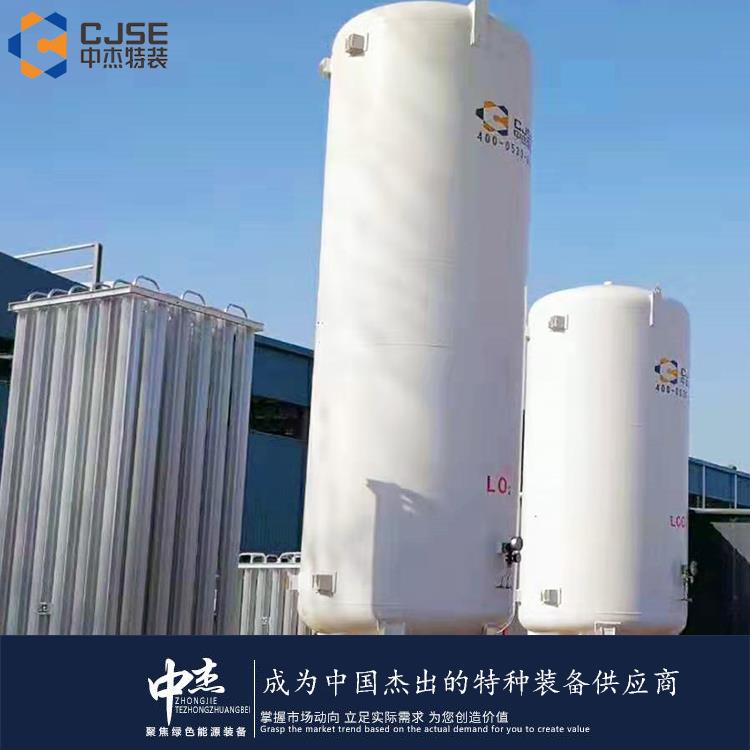
Carbon dioxide storage tanks are devices used for storing carbon dioxide gas. They are typically made of high-strength materials with sealing capabilities to prevent the leakage of stored CO2. The design and capacity of the tanks can be adjusted as needed to accommodate various applications. Carbon dioxide storage tanks are widely used across various fields, including industrial production, food processing, and more. In the industrial sector, they are commonly used for storing and supplying CO2 gas for processes such as welding, gas shielding, and fire suppression. In the food processing industry, they can be used to manufacture carbonated beverages and frozen foods. In the medical field, they are used to produce medical gases like breathing gases and anesthetic gases. The development and manufacturing of carbon dioxide storage tanks involve multiple manufacturers and technologies. Different companies may employ various design and manufacturing processes to meet different user requirements. Additionally, safety standards and regulations must be adhered to ensure the safe operation and use of the tanks.
Shandong Zhongjie Special Equipment, welcome customers to our factory for business discussions.
Xinzhou 150 cubic CO2 storage tank, on-site installation
