


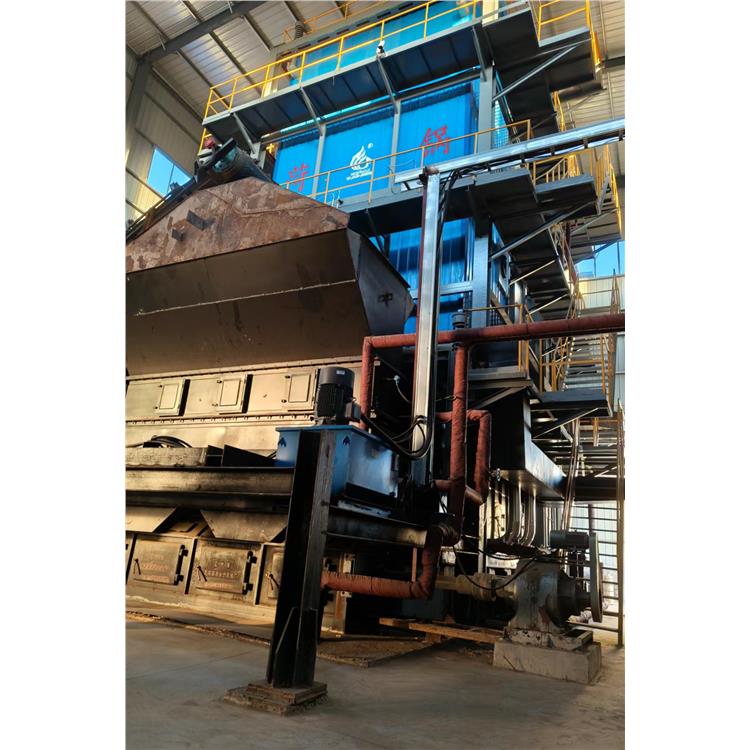

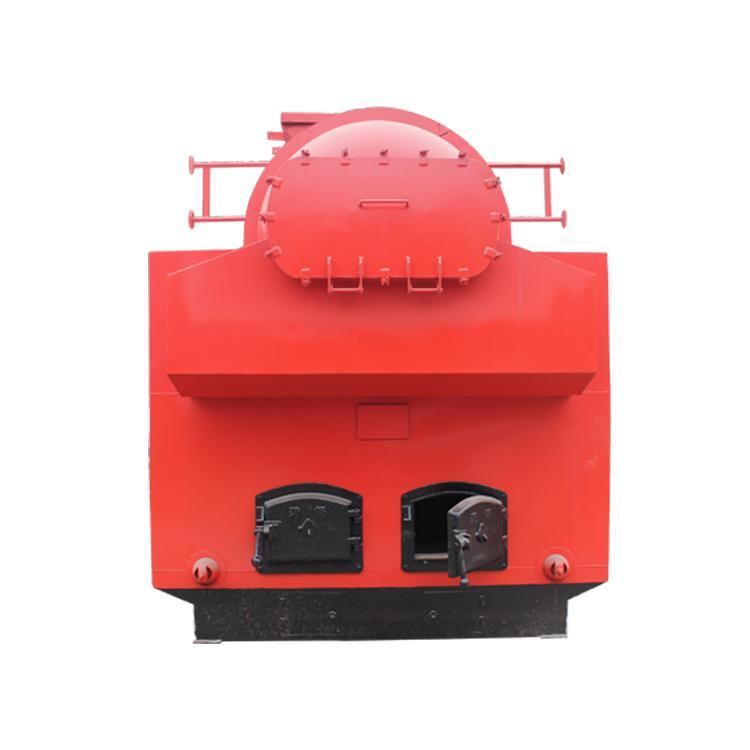
Shandong Zhongjie Special Equipment's main products include: fuel (gas) boilers, organic heat carrier boilers, biomass boilers, waste heat boilers, and other boiler products; vacuum insulation deep-freeze pressure vessels such as LNG tanks, oxygen/nitrogen/argon tanks, and CO2 tanks; pressure vessel products like denitrification engineering equipment, heat storage and energy storage equipment, and complete chemical equipment; central air conditioning and HVAC equipment such as ground (water) source heat pumps, air source units, water-cooled screw units, and air-cooled modular units. Planned products include large-scale energy centers, LNG transport vehicles, LNG tank containers, and other green energy equipment.
Horizontal biomass steam boilers feature the following performance advantages:
Low footprint: The horizontal design allows for a lower overall height of the boiler, resulting in a smaller占地面积, making it suitable for use in spaces with limited space.
High thermal efficiency: The horizontal biomass steam boiler utilizes advanced combustion technology and heat exchange design, maximizing the thermal energy of biomass fuel, enhancing thermal efficiency, and reducing energy consumption.
Combustion Stability: The horizontal biomass steam boiler utilizes a combustion system that ensures even and stable fuel combustion, minimizing fluctuations and instability during the burning process.
Operation and maintenance are user-friendly: The horizontal biomass steam boiler is designed for ease of operation and maintenance, featuring manholes and inspection doors for convenient internal inspection, cleaning, and maintenance.
Environmental Protection and Energy Saving: Biomass fuel is a renewable energy source. The use of horizontal biomass steam boilers can reduce dependence on traditional fossil fuels and decrease emissions of carbon dioxide and other pollutants, offering excellent environmental performance.
Adaptable: The horizontal biomass steam boiler is suitable for various biomass fuels such as wood chips, straw, etc., and has strong fuel adaptability.
In summary, horizontal biomass steam boilers feature small footprint, high thermal efficiency, stable combustion, and easy operation and maintenance.
To prevent and alleviate corrosion issues in biomass boilers, the following methods can be adopted:
Regular cleaning and maintenance: Regularly clean the accumulated dust and dirt inside the boiler to keep it clean. During the cleaning process, use appropriate cleaning agents and tools to remove internal dirt and prevent corrosion.
Regulate Water Quality: The water quality of biomass boilers significantly affects corrosion. Regularly test and adjust the chemical composition of the boiler water to maintain appropriate levels of pH, hardness, and oxygen content. Utilize water treatment equipment, such as water softeners and oxygen removers, to enhance water quality.
Preventing Oxygen Corrosion: Oxygen corrosion is one of the common forms of corrosion in biomass boilers. It can be mitigated by installing an oxygen scavenger in the boiler's water intake pipeline to remove oxygen from the water, thereby reducing the occurrence of oxygen corrosion. Additionally, chemical measures such as corrosion inhibitors can also be used to prevent oxygen corrosion.
Regulate Combustion Process: High temperatures during combustion and acidic substances in the flue gas can also lead to corrosion. To regulate the combustion process, ensure that the combustion temperature and acidic substances in the flue gas are within the appropriate range. The combustion process can be controlled by adjusting the combustion air flow, fuel supply quantity, and fuel distribution.
Prevent Local Corrosion: Certain areas of the boiler, such as the furnace and flue, are prone to corrosion. Reinforcement or coating with corrosion-resistant materials can be applied to these areas to extend their service life.
Regular inspections and maintenance: Regularly inspect and maintain biomass boilers to promptly identify and address corrosion issues. Delegate to a maintenance crew for regular check-ups and maintenance work.
When selecting an appropriate atmospheric pressure hot water boiler, consider the following factors:
Heating Area: First, determine the size of the area to be heated, which will decide the heat power required for the hot water boiler. Generally speaking, the larger the heating area, the greater the required heat power.
Thermal Load Calculation: Conduct a thermal load calculation, taking into account factors such as the insulation performance of the heating area, indoor temperature requirements, and external climate conditions, to determine the required thermal power. You may request a thermal load calculation to ensure the selected hot water boiler can meet the heating needs.
Fuel Type: Atmospheric pressure hot water boilers can use various fuels such as gas, coal, etc. Choose the appropriate fuel type based on the local fuel supply conditions and cost considerations.
Boiler Efficiency: Focus on the energy efficiency level of hot water boilers and choose products with higher efficiency. High-efficiency hot water boilers can provide superior heating performance while reducing energy consumption and operational costs.
Boilers and Quality: Choose hot water boilers produced by reputable manufacturers to ensure reliable product quality and comprehensive after-sales service.
Safety & Environmental Protection: Focus on the safety and environmental performance of hot water boilers, choosing products with safety protection features and low emissions.
Budget Considerations: Select an appropriate hot water boiler based on budget constraints. Consider not only the purchase cost but also the subsequent operation and maintenance costs.
Considering the above factors, a suitable atmospheric pressure hot water boiler can be chosen to meet heating requirements and achieve good performance in terms of energy efficiency, safety, and environmental protection. It is recommended to consult with experts or hot water boiler professionals during the selection process.
The YGL series organic heat carrier boiler is a boiler equipment that utilizes organic heat carriers to transfer heat energy. Its main components and features are as follows:
Composition:
Furnace Body: The furnace body is the main component of the organic heat carrier furnace, including the combustion chamber, combustion chamber, and flue. Made of steel, it boasts excellent high-temperature resistance.
Combustion System: The combustion system includes burners, combustion fans, and combustion control systems, etc. The burners are responsible for injecting fuel into the furnace for combustion. The combustion fans provide the oxygen required for combustion. The combustion control system achieves automatic control of the combustion process.
Heat Exchange System: The heat exchange system includes heat carrier circulating pumps, heat carrier heaters, and heat carrier coolers, etc. The heat carrier circulating pump is responsible for circulating the heat carrier to the heater, where it is heated before returning to the furnace, thereby transferring heat energy. The heat carrier cooler is used to cool the heat carrier to ensure the stability of its circulation.
Control System: The control system encompasses temperature controllers, pressure controllers, and safety protection devices. The temperature controller is used for monitoring and adjusting the furnace temperature, the pressure controller for monitoring and adjusting the pressure of the heat carrier, and the safety protection devices for ensuring the safe operation of the furnace and heat exchange system.
Features:
High Heat Efficiency: The YGL series organic thermal carrier furnace utilizes organic thermal carriers as the heat transfer medium, offering high heat transfer efficiency. Organic thermal carriers can achieve liquid-phase heat transfer at low temperatures, resulting in minimal heat loss and better fuel utilization.
Our company places great emphasis on technological innovation and R&D, boasting one municipal-level enterprise technology center in Heze City. We have established testing facilities for non-destructive testing, physical and chemical testing, welding testing, hydrostatic testing, and more, equipped with over 600 units of various instruments and equipment including CNC machine tools, X-ray flaw detectors, digital ultrasonic flaw detectors, mechanical property testing machines, chemical analyzers, spectrometers, tensile testing machines, plasma welding machines, and others. The key products we have developed, such as welding for temperature and pressure vessels, emission reduction for biomass boilers, and waste heat utilization, have successively been selected for multiple Shandong Provincial Department of Industry and Information Technology science and technology innovation projects, key projects in Shandong Province, and Heze City innovation and excellence projects. We have accumulated a total of 27 authorized utility models, 16 authorized inventions, participated in drafting 2 standards, 2 industry standards, and registered 15 trademarks. The technical team of our company, in collaboration with Professor Li Yajiang of Shandong University, has developed deep cryogenic container processing technology using the internationally recognized plasma arc + wire filling tungsten inert gas arc welding (PAW-GTAW) technique. After provincial-level scientific and technological achievement appraisal, the technology level has reached international standards in the field of deep cryogenic container manufacturing. Choose Zhongjie Special Equipment, and let's create brilliance together!
Guangdong 4-ton biomass boiler, in stock supply
