


Shandong Zhongjie Special Equipment's main products include: fuel (gas) boilers, organic heat carrier boilers, biomass boilers, waste heat recovery boilers, and other boiler products; vacuum insulation cryogenic pressure vessels such as LNG tanks, oxygen/nitrogen/argon tanks, and CO2 tanks; pressure vessel products such as denitrification engineering equipment, heat storage and energy storage equipment, and complete chemical equipment; central air conditioning and ventilation equipment such as ground (water) source heat pumps, air source units, water-cooled screw units, and air-cooled modular units. Planned products include large-scale energy centers, LNG transport vehicles, LNG tank containers, and other green energy equipment.
Carbon dioxide storage tanks possess the following safety technical characteristics:
- High-strength Materials: Carbon dioxide storage tanks are typically made of high-strength steel or alloy materials to withstand stress and load under high pressure and low-temperature conditions.
- Safety Valve and Pressure Relief Devices: The tanks are equipped with safety valves and pressure relief devices to control internal pressure and prevent overpressure and explosion. When the internal pressure exceeds the set value, the safety valve will automatically open to release pressure.
- Insulation Layer: The tanks have an insulation layer internally to reduce heat transfer and liquid evaporation. The insulation layer usually consists of a multi-layer structure, including thermal insulation materials and an external protective layer, to maintain a stable internal temperature.
- Level Monitoring and Control: The tanks are fitted with level monitoring devices to monitor the liquid level within. Timely monitoring and control of the level ensure the liquid stored in the tank remains within a safe range.
- Fire and Explosion Prevention Measures: The tanks adopt fire and explosion prevention measures such as fire-resistant coatings, fire-isolation areas, and explosion-proof devices to prevent fires and explosions.
- Leak Detection and Alarm System: The tanks are equipped with leak detection and alarm systems to promptly detect and alert of any leakage. Quick response and handling can minimize the safety risks caused by leaks.
- Regular Inspections and Maintenance: Tanks require regular inspections and maintenance, including external inspections, valve repairs, and pressure tests. Regular maintenance ensures the safety and reliability of the tanks.
- It should be noted that the specific safety technical characteristics of carbon dioxide storage tanks may vary depending on the type and application of the tanks. When using carbon dioxide storage tanks, one should follow relevant regulations and guidelines.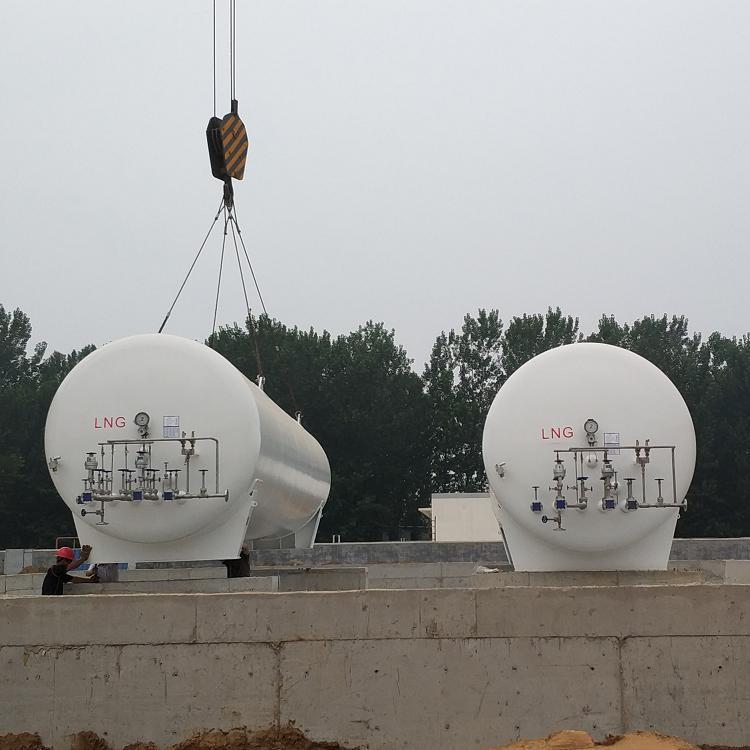
Pressure Vessel Standards: Liquid carbon dioxide storage tanks are generally considered pressure vessels, and their design, manufacturing, and use should comply with the relevant pressure vessel standards. In China, common pressure vessel standards include GB150 "Steel Pressure Vessels" and GB18435 "Storage Tanks." Safety Standards: The use of liquid carbon dioxide storage tanks should adhere to relevant safety standards and regulations. For instance, in China, the safe operation of liquid carbon dioxide storage tanks should follow standards such as GB50028 "Design Codes for Petroleum and Chemical Industry Enterprises" and GB50016 "Building Design Fire Prevention Code." Inspection and Testing Standards: The inspection and testing of liquid carbon dioxide storage tanks should comply with the corresponding standards and regulations. For example, regular inspections of liquid carbon dioxide storage tanks can refer to standards like GB/T 19638 "Regulations for Periodic Inspection of Pressure Vessels." Environmental Protection Standards: The use of liquid carbon dioxide storage tanks should comply with relevant environmental protection standards and regulations. For instance, in China, the exhaust emissions from liquid carbon dioxide storage tanks should meet standards like "Air Pollutant Emission Standards."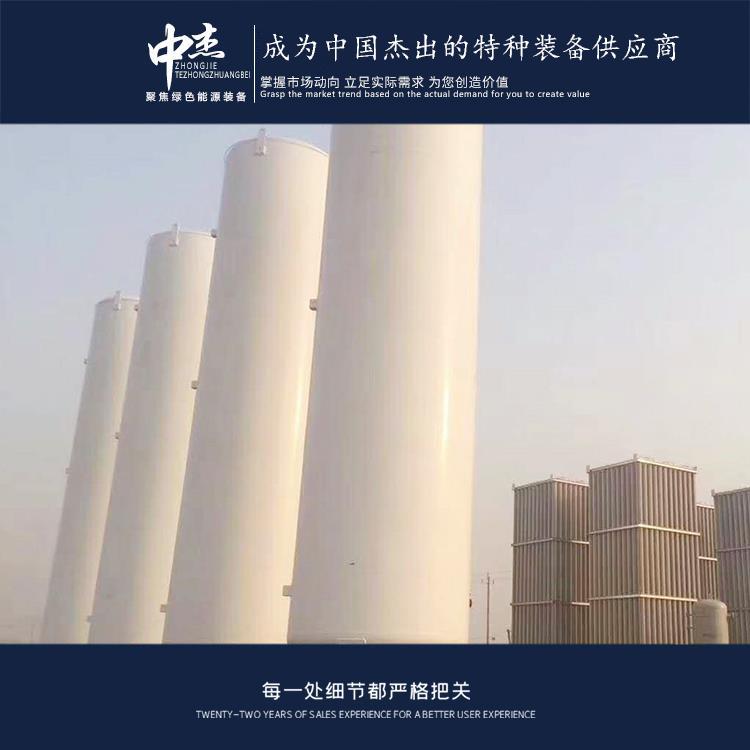
If a leak in the CO2 storage tank is detected, the following procedures should be taken immediately:
Confirm the leak location: First, identify the exact location of the leak, which can be done through hearing, observation, or using gas detection equipment.
Emergency response: Upon discovering a leak, take immediate emergency measures to ensure personnel safety. Evacuate personnel to a safe area and notify relevant personnel and emergency agencies.
Cut off the gas supply: As soon as possible, shut off the CO2 supply source by closing valves or cutting off power to stop the supply.
Locate the leak: In a safe environment, use gas detection equipment or visual inspection to find the leak. Apply soap water or other leak detection agents to potential leak points and observe for bubble formation.
Seal the leaks: Once the leak location is confirmed, take temporary sealing measures, such as using tape, sealant, or other reliable sealing materials for temporary repair. Ensure the sealing is secure and effective in preventing gas leakage.
Repair and restoration: In a safe environment, perform further repairs and restoration. Depending on the specific situation of the leak, it may be necessary to replace gaskets, repair or replace valves, etc. Repair and restoration work should be carried out by trained personnel.
Inspection and testing: After repairs and restoration, conduct leak detection and testing to ensure the leak has been completely repaired and the tank's safety performance has returned to normal.
It is important to handle CO2 storage tank leak issues with caution and follow relevant safety regulations and procedures. If you do not possess the necessary knowledge and skills, contact a professional for assistance.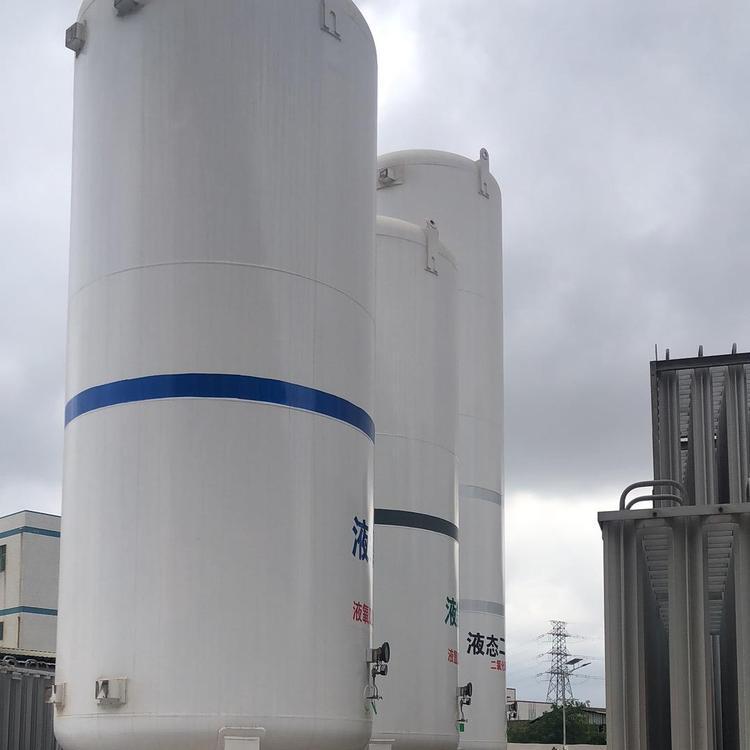
When using carbon dioxide tanks, the following points should be noted:
Safety Operation: When using carbon dioxide tanks, it is mandatory to adhere to relevant safety operating procedures and standards. Operators should receive training to understand the tank's characteristics, operational requirements, and safety measures, and operate strictly according to the procedures.
Tank Inspection: Regularly inspect the tank's appearance, sealing, valves, and pipeline connections to ensure the tank's integrity and safety. If any anomalies or damage are found, they should be repaired or replaced promptly.
Tank Pressure Control: The tank's pressure should be controlled within a safe range. Regularly check and calibrate pressure sensors and safety valves to ensure the normal operation of the pressure control system.
Temperature Control: Carbon dioxide tanks typically need to be maintained at low temperatures. Ensure the proper operation of cooling equipment, regularly check and calibrate temperature sensors to maintain appropriate storage temperatures.
Leak Prevention: Carbon dioxide is a gas that is prone to leakage, which can lead to safety risks and environmental pollution. Ensure the tank and pipeline sealing, regularly inspect and replace seals, and promptly address any leakage situations.
Fire and Explosion Prevention: Avoid open flame operations near the tank to prevent fire sources from contacting carbon dioxide. Maintain good ventilation around the tank to prevent the accumulation of carbon dioxide.
Waste Disposal: Disposed carbon dioxide tanks or residues should be handled in accordance with relevant regulations and standards. Adhere to environmental protection requirements to ensure the safe disposal of waste and environmental protection.
Regular Maintenance: Regularly maintain and inspect the tank, including cleaning and painting.
Shandong Zhongjie Special Equipment, welcome customers to our factory for business discussions.
Qian Nan 10 cubic CO2 storage tank, various models available
