



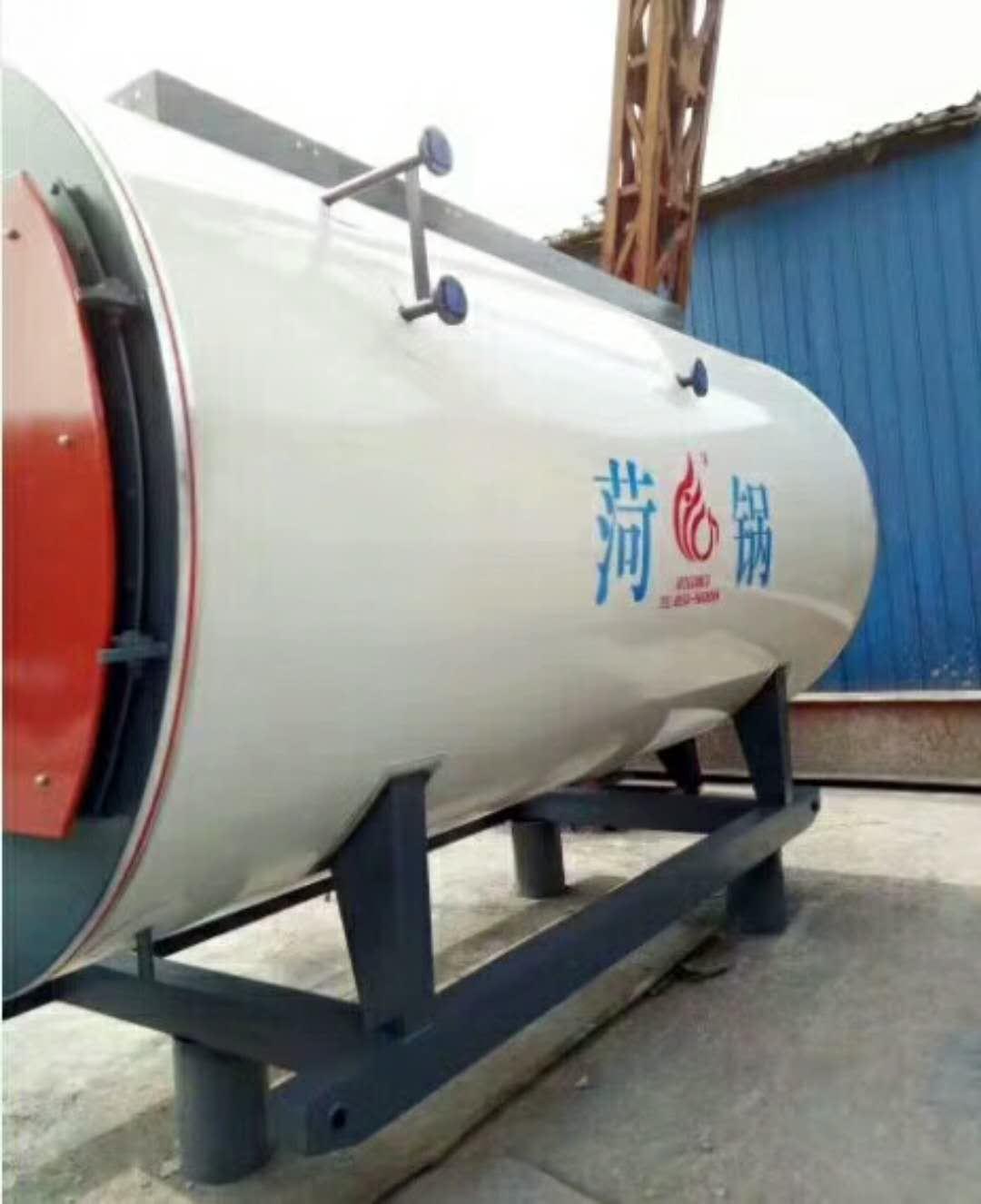
Shandong Zhongjie Special Equipment (formerly Heze Boiler Factory Co., Ltd.) was established in 2001, located at No. 2218 Jinnan Road, Economic and Technological Development Zone, Heze City. With a registered capital of 50 million yuan and total assets of 500 million yuan, the company has seven business centers: boilers, deep-freeze containers, pressure vessels, central air conditioning, engineering installation, international trade, and Internet of Things. It has three factory sites on Jinnan Road, East Changjiang Road, and Bohai Road, covering a total area of 200,000 square meters, with the main workshop spanning 83,000 square meters. The company currently employs 710 people, including 247 engineers and technicians, and 82 intermediate-level technicians. In December 2016, it was recognized as a "High-Tech Enterprise" by the Science and Technology Department. In June 2021, it was identified as a "Specialized and New Enterprise in Shandong Province" by the Ministry of Industry and Information Technology. In June 2022, it was recognized as a "Gazelle Enterprise in Shandong Province" and in August 2022, as a "Specialized and New Small Giant Enterprise" by the Ministry of Industry and Information Technology.
Carbon dioxide is widely used as a shielding gas in metal welding processes. Here are the main applications of carbon dioxide in welding:
1. Gas Metal Arc Welding (GMAW): Carbon dioxide is commonly used as the shielding gas in the GMAW welding process. During GMAW welding, the arc generates high temperatures in the welding zone, which can also cause oxidation reactions of oxygen and water vapor, leading to a decrease in weld quality. By injecting carbon dioxide gas into the welding zone, a protective atmosphere is formed, preventing oxygen and water vapor from entering, thereby improving the quality and strength of the weld.
2. Mixed Gas Metal Arc Welding (GMAW): Carbon dioxide is often mixed with other gases (such as argon) to form mixed gas shielding welding. The use of mixed gases can adjust the arc stability, melt pool formation, and weld quality during the welding process, enhancing the welding results.
3. Gas Shielded Brazing: Carbon dioxide can also be used in gas shielded brazing processes. During brazing, carbon dioxide gas provides a protective atmosphere, preventing oxidation and contamination of the brazing area, ensuring the quality of the brazed joints.
4. Gas Shielded Cutting: Carbon dioxide can also be used in gas shielded cutting processes. In gas shielded cutting, injecting carbon dioxide gas into the cutting zone forms a protective atmosphere, preventing oxidation and contamination of the cutting area, improving the quality and speed of the cut.
It is important to note that the application of carbon dioxide in welding should be adjusted and optimized according to specific welding materials, methods, and requirements. When using carbon dioxide for welding, it is necessary to follow relevant safety operating procedures and guidelines to ensure the safety and quality of the welding process.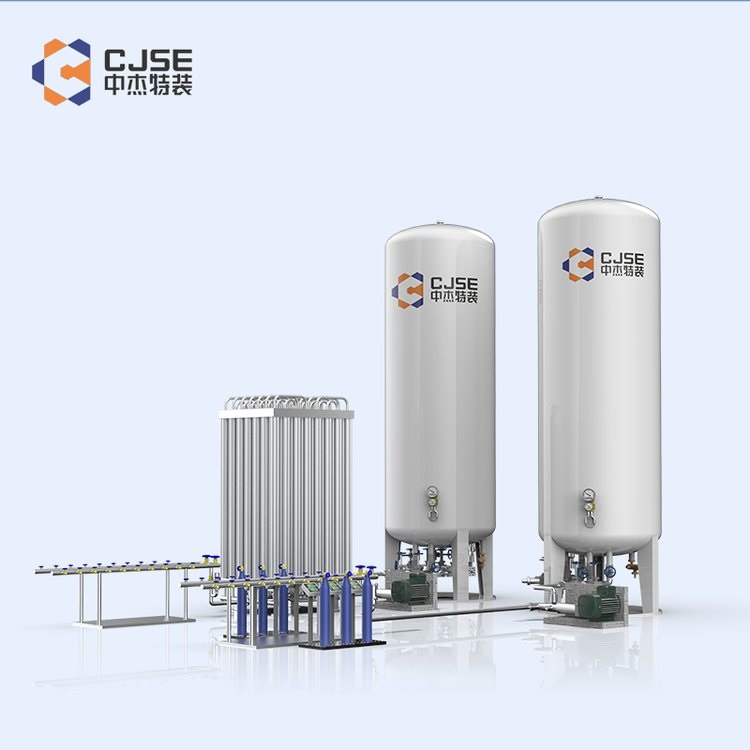
Carbon dioxide tanks are widely used in many different industries. Here are some common applications:
Food and Beverage Industry: Carbon dioxide tanks are used in the production of carbonated beverages, beer, soda, etc., in the food and beverage industry. Carbon dioxide is injected into the drinks to increase their fizz and taste. Industry: Carbon dioxide tanks are used in applications such as anesthesia, respiration, and emergency care. Liquid carbon dioxide can be used to produce refrigerants for freezing and preserving biological samples and tissues. Fire Suppression: Carbon dioxide tanks are used in fire suppression systems in the fire industry. Carbon dioxide is released into the fire scene to extinguish flames by suppressing oxygen supply. Gas Supply: Carbon dioxide tanks are also used to supply carbon dioxide gas in industrial and commercial fields. These gases can be used in applications such as welding, gas shielding, semiconductor manufacturing, and water treatment. Climate Control: Carbon dioxide tanks are used in greenhouses and indoor planting to control and increase the concentration of carbon dioxide for plant growth. Additionally, carbon dioxide tanks can be used in other industries, such as the automotive industry (for airbag systems) and other industries (for propellants and gas supply). It is important to note that the requirements and applications for carbon dioxide tanks may vary by industry. When using carbon dioxide tanks, it is necessary to follow relevant regulations and standards and ensure that the design, manufacturing, and use of the tanks meet the corresponding requirements.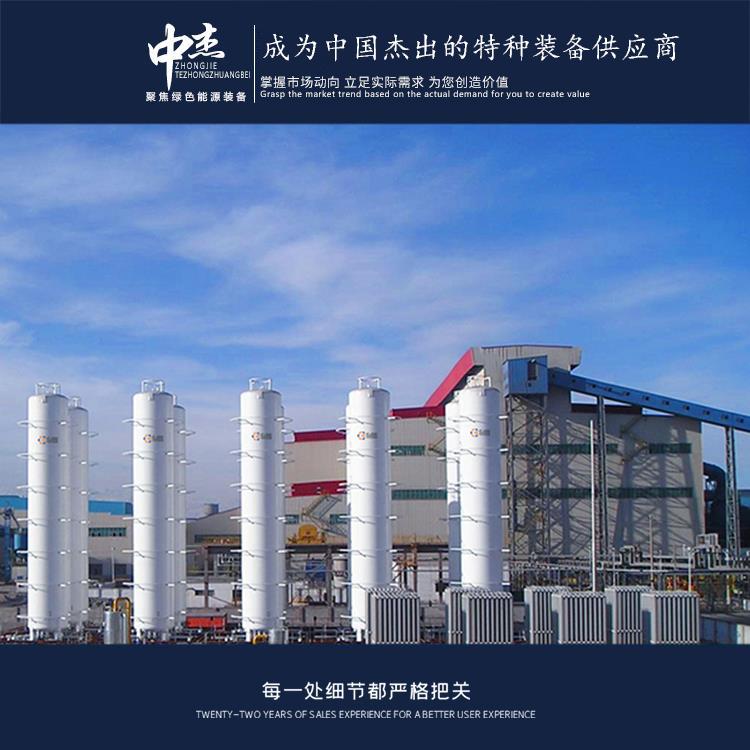
When using carbon dioxide tanks, the following safety procedures must be adhered to ensure safety:
Tank Operator Training: All operators must receive training to understand the characteristics, operational requirements, and safety measures of carbon dioxide tanks. Training should include safe tank operation, leak handling, emergency response plans, etc.
Safety Operating Procedures: Establish and follow relevant safety operating procedures, including start-up, shutdown, inspection, and maintenance of the tank. Operators must operate according to the procedures to ensure the safe operation of the tank.
Leak Handling: Develop a leak handling program, including leak detection, emergency shutdown, and isolation of the leak source. Operators should be familiar with the leak handling procedures and able to respond quickly and correctly to leak incidents.
Fire Prevention Measures: Carbon dioxide is flammable, so fire prevention measures must be taken when using it. Smoking, open flames, or flammable materials are prohibited near the tank. Ensure that fire protection equipment around the tank is in good condition and fire drills are conducted regularly.
Waste Gas Emission: Properly discharge waste gases generated during the use of carbon dioxide tanks to avoid the accumulation of carbon dioxide in enclosed spaces, which can lead to asphyxiation and safety risks. Ensure the waste gas emission system is unobstructed and functioning properly.
Regular Inspections and Maintenance: Regularly inspect the tank's appearance, seals, valves, and pipe connections. If any abnormalities or damage are found, repairs or replacements should be made promptly. Also, regularly check and maintain the tank's safety valves, pressure sensors, and other accessories.
Emergency Response Plan: Develop and implement an emergency response plan, including the handling of leak incidents, evacuation procedures, and first aid measures. Operators should be familiar with the emergency response plan and conduct drills regularly.
Monitoring and Alarm Systems: Install and maintain monitoring and alarm systems for the tank.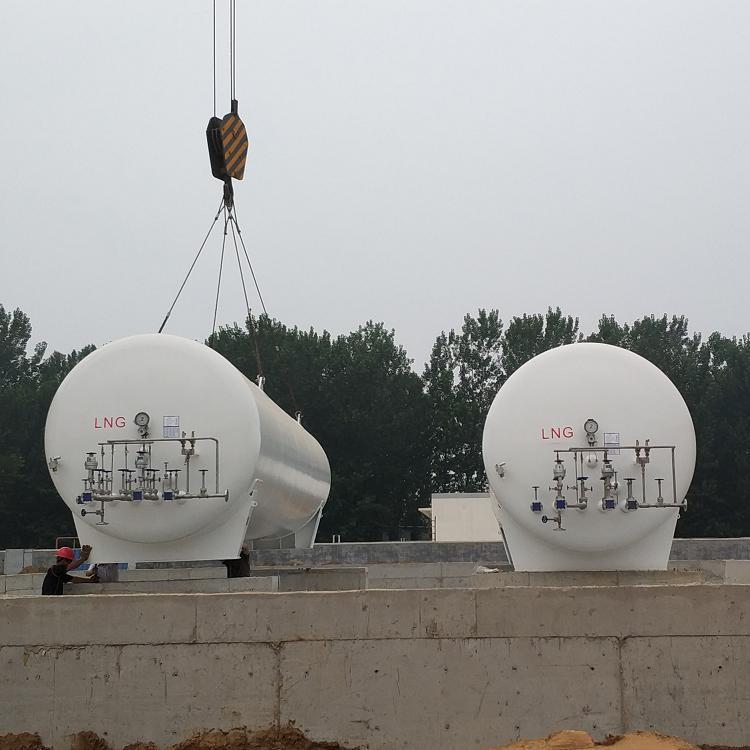
Detailed parameters of CO2 storage tanks may vary depending on specific design and usage requirements. Here are some common parameters of CO2 storage tanks:
- Capacity: The capacity of CO2 storage tanks can range from a few thousand to tens of thousands of liters, as needed.
- Pressure: The design working pressure of CO2 storage tanks typically ranges from 15 to 25 MPa (MPa), with the specific pressure depending on the application and usage requirements.
- Material: CO2 storage tanks are usually made of high-strength materials like carbon steel or stainless steel. The choice of material depends on the storage environment and requirements.
- Dimensions: The physical dimensions of CO2 storage tanks can also vary based on capacity and design. Common shapes include cylindrical, spherical, or cuboidal.
- Level Control: CO2 storage tanks are often equipped with level control systems to monitor and control the liquid level of CO2. These systems usually include level sensors and control valves.
- Pressure Control: Internal pressure control systems are typically installed in CO2 storage tanks to monitor and control the gas pressure inside. These systems usually include pressure sensors and safety valves.
It is important to note that specific parameters of CO2 storage tanks can differ based on manufacturers, application scenarios, and standards. When selecting and using CO2 storage tanks, it is essential to follow relevant safety operation procedures and guidelines, and consult with experts to obtain accurate parameter information.
Shandong Zhongjie Special Equipment, welcome customers to our factory for business discussions.
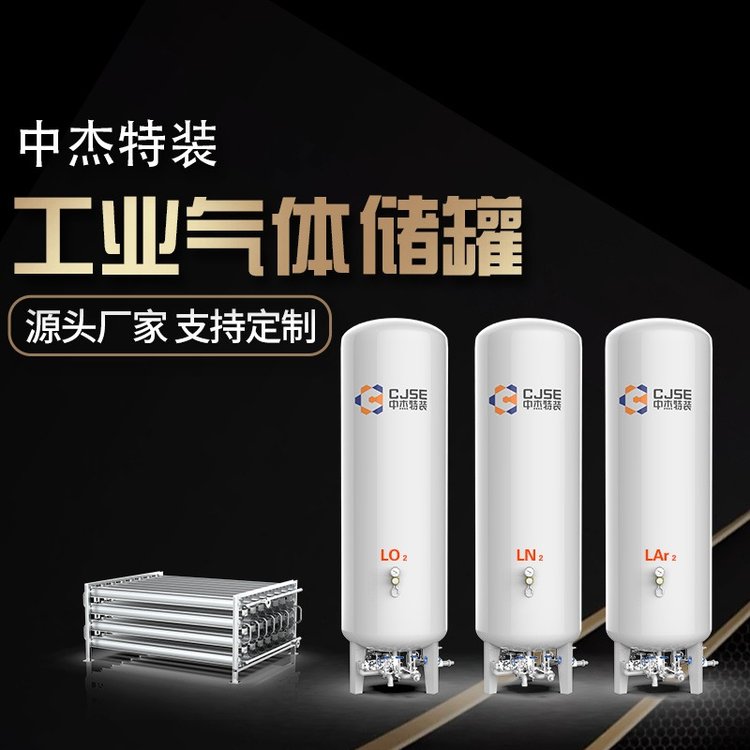
Zhuzhou 15-cubic-meter CO2 Storage Tank, made of 304 stainless steel
