
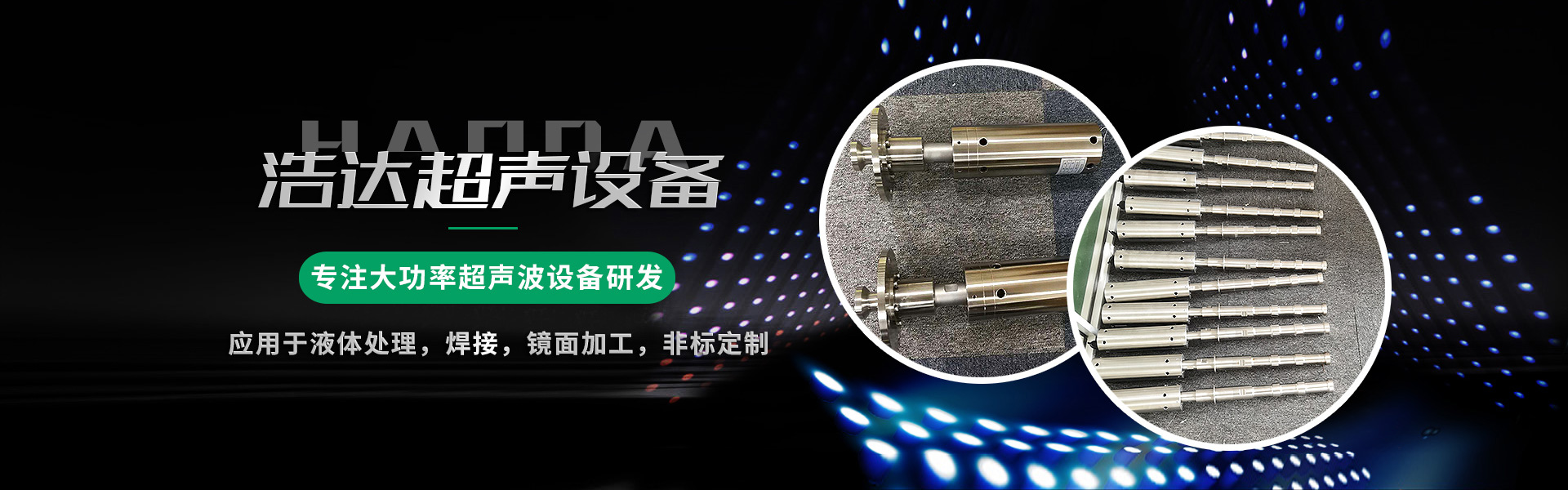


Ultrasonic dispersing equipment plays a crucial role in modern industry, used to disperse particles in liquids into even finer particles. Its applications are extensive, covering fields such as pharmaceutical preparation, food processing, and paint production. To ensure the equipment operates efficiently and maintains optimal performance over a long period, here are some key strategies and techniques to enhance the operational efficiency and reliability of ultrasonic dispersing equipment.
1. Regular maintenance and upkeep
Regular maintenance is crucial for the long-term stable operation of equipment. This includes cleaning ultrasonic probes and reaction chambers, removing residues and particles to prevent blockages or interference with the ultrasonic transmission effect. Regularly replacing consumables such as ultrasonic probes and seals ensures their performance is unaffected. At the same time, conducting regular inspections and lubrication of mechanical components ensures smooth operation and reduces malfunctions caused by friction and wear.
2. Utilize appropriate working parameters
Ultrasonic dispersion equipment's operating parameters, such as ultrasonic power, frequency, and working time, directly impact its dispersion effectiveness and equipment lifespan. Adjust the appropriate ultrasonic power and frequency based on the characteristics and requirements of the material being processed. Avoid excessive power and frequency to prevent over-wearing and damage to the equipment. Additionally, optimize the working time according to specific process requirements to enhance production efficiency.
Ensure water and treatment fluid quality
Ultrasonic dispersing equipment typically operates in liquids, making the quality of water and processing fluid crucial for the efficiency of the equipment. Ensuring pure water quality and avoiding impurities and bubbles in the water is essential to prevent them from affecting the ultrasonic transmission effect. The selection and proportioning of the processing fluid must be strictly adhered to the process requirements to avoid equipment failure or subpar performance due to unsuitable fluids.
4. Training and Management of Operations Personnel
The skill level and operational standards of equipment operators directly impact the efficiency and safety of equipment operation. Ensuring operators receive adequate training and master equipment operation techniques and safety protocols is crucial. Establishing comprehensive operational records and maintenance plans, along with regular monitoring and assessment of equipment usage, allows for timely identification and resolution of issues.
5. Implementing preventive maintenance measures
In addition to regular maintenance, implementing preventive measures can help anticipate and prevent potential equipment failures and issues. Establishing a detailed maintenance plan, including regular equipment inspections, part replacement cycles, and monitoring of critical components, can extend the lifespan of the equipment. Regular preventive maintenance can reduce production interruptions and repair costs caused by unexpected breakdowns.
By utilizing these strategies and techniques, the operational efficiency and reliability of the ultrasonic dispersing equipment can be significantly enhanced, ensuring its long-term stable performance and superior processing capabilities. Taking into account aspects such as equipment maintenance, operational optimization, liquid quality, and preventive maintenance, these measures can help businesses maintain their position in a highly competitive market while improving production efficiency and product quality.
