
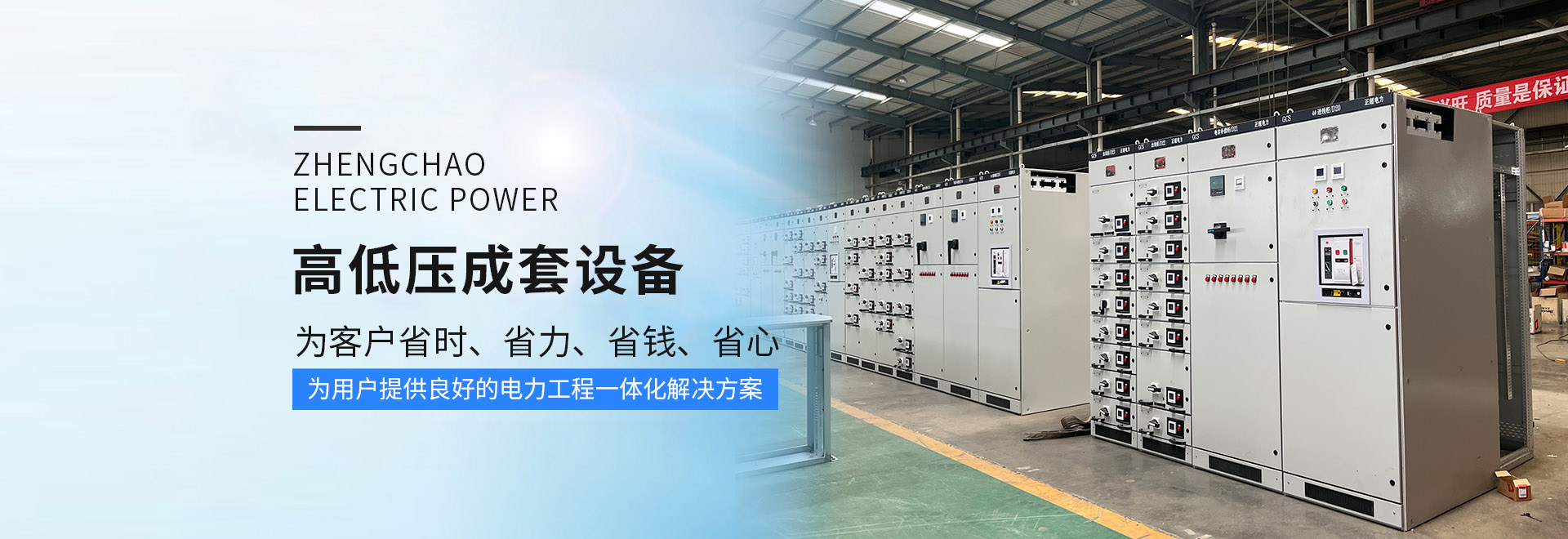


Closed high-voltage cabinets, widely used in distribution networks, suddenly fail to open during operation, thus preventing the measurement of the actual temperature of the contacts inside the cabinet. The incidence of overheating in closed switchgear contacts has been on the rise in recent years, becoming a significant challenge affecting safety production. Let's explore the reasons behind the temperature increase.
1. The incoming line load for the factory's power consumption is high, and changes in load can affect equipment temperature. Normal load variations do not cause temperature increases exceeding the specified limit. However, if the load increases significantly or the equipment is subjected to a short-circuit current surge, vulnerable parts of the equipment, such as contact points, will heat up. Once heated, the mechanical strength and physical properties of the contact material decline, leading to the elastic aging and poor contact of the contacts, causing overheating of the contacts.
2. Inadequate installation techniques for the equipment primarily result from construction quality issues. If there is a misalignment between the position of the car-type switch plug in the sealed high-voltage cabinet and the fixed plug socket, the plug portion may not make a secure connection when pushed in, leading to poor contact and causing the contacts to overheat.
Improper installation and maintenance procedures, such as mishandling, unevenness, and lack of smoothness.
4. The purity of the selected conductor raw material is insufficient.
5. The insulation performance of transformer silicon steel sheets has decreased, leading to an increase in core eddy currents.
Excessive harmonic current.
7. Poor manufacturing process [such as inserting iron parts with gripping parts].
Design was not reasonable; insufficient turns in one cycle.
There are rarely instances of single or double coil short circuits.
10. Excessive environmental temperature.
