




Based on the various usage characteristics of different plastics, they are generally categorized into three types: general-purpose plastics, engineering plastics, and special plastics. Below, we will delve into an introduction to the general-purpose and engineering plastics, which we frequently mention.
General Plastics
Generally referring to plastics that are high in yield, versatile in applications, good in molding properties, and affordable in price. Their output accounts for a significant portion of the entire plastic production.Over 90% of plastics fall into this category, hence the term "bulk plastics." There are five main types of general plastics: polyethylene (PE), polypropylene (PP), polyvinyl chloride (PVC), and polystyrene (PS), all of which are thermoplastic materials.
These five categories account for the vast majority of plastic material usage, with the remainder essentially falling into specialized plastic varieties such as...PPS, PPO, PA, PC, POM, and similar materials are used sparingly in everyday consumer products, primarily applied in high-end fields such as engineering, technology, automotive, aerospace, construction, and telecommunications.
General plastics are only suitable for general non-structural materials.High in production volume, relatively low in price, and with average performance, these materials (such as PE, PP, PVC, PS, PMMA, EVA, etc.) are commonly used in the manufacturing of daily commodities.
Engineering Plastics
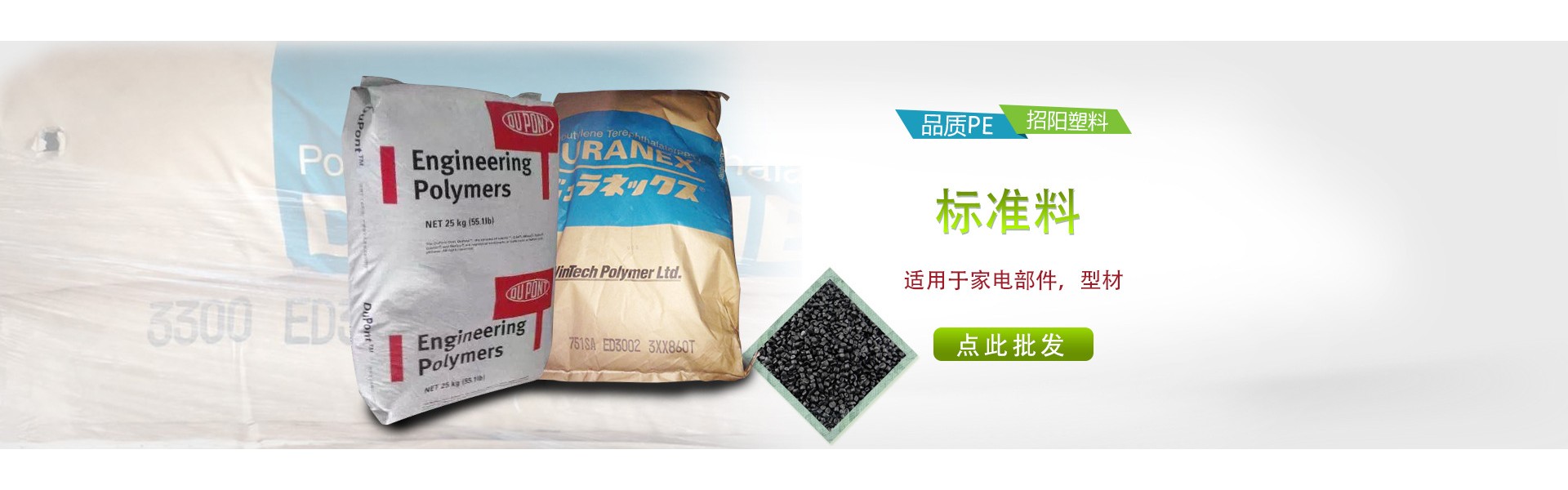
Typically refers to the ability to withstand certain external forcesThis plastic boasts excellent mechanical properties, high and low temperature resistance, and good dimensional stability. It exhibits superior comprehensive performance, with high rigidity, low creep, high mechanical strength, good heat resistance, and excellent electrical insulation. It can be used for long-term service in stringent chemical and physical environments, and can substitute for metal as an engineering structural material. However, it is relatively expensive and has a limited production volume.
Engineering plastics mainly include polycarbonate.(PC), nylon (PA), polyoxymethylene (POM), polyphenyl ether (PPO), polyester (PET, PBT), polyphenylene sulfide (PPS), polyarylate, etc.
Engineering plastics are further categorized into two main types: general-purpose engineering plastics and special-purpose engineering plastics. These plastics can meet higher requirements in terms of mechanical properties, durability, corrosion resistance, and heat resistance.And, processing is more convenient and can replace metallic materials. Engineering plastics are widely used in industries such as electronics and electricals, automotive, construction, office equipment, machinery, and aerospace, with the trend of "plastic instead of steel" and "plastic instead of wood" becoming popular internationally.
