


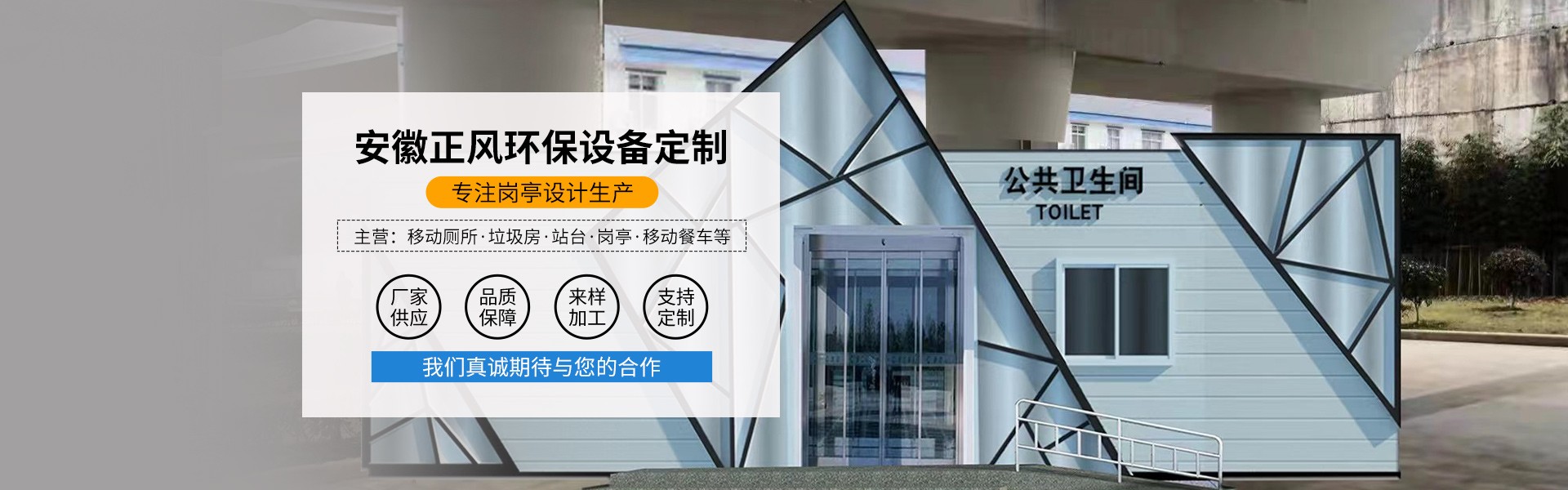

I. Mobile Toilet Rental Applicable Scenarios
Firstly, let's explore the scenarios where portable toilets are suitable. During the peak tourist season, public restrooms at attractions may not suffice, and to alleviate the pressure on restroom usage, portable toilets can be employed. Placing them strategically around the attractions makes it convenient for visitors, as they take up minimal space and are cost-effective. In marathons, where runners may be on the course for extended periods, there are often limited public restrooms. In such cases, portable toilets can be placed along the route at regular intervals, providing a convenient option for athletes. Portable toilets are also ideal for areas with limited water resources, such as attractions, sports events, and urban streets and alleys.
Choose an environmentally friendly waste discharge method
Modern toilets are mostly flush-type, but they come with numerous issues. On one hand, they are not water-efficient, using at least 5 liters of tap water each time to flush waste. On the other hand, flush-type portable toilets cannot block odors, leading to severe smells inside. When choosing portable toilets, it's crucial to select the waste treatment method based on the local environment. Options include foam sealing, waterless packaging, microbial degradation, and vacuum processing, among others. We must choose according to the specific usage.
Choose a reasonable structural design
Portable toilets also come in various structural designs. Traditional public toilets are mostly made of brick and concrete, or reinforced concrete structures. The choice of portable toilets is more diverse, ranging from light steel structures to plastic materials. The structural design of a toilet should be selected based on the conditions of the usage location. In some areas, a single portable toilet can be used, which is more convenient for transportation and easier to move.
