

The role of garden landscaping fabric:
1. Prevent the growth of weeds on the ground.
2. Promptly remove surface water and maintain ground cleanliness.
3. Beneficial for root growth and prevents root rot.
4. Prevent excessive root growth in potted flowers to enhance their quality.
5. Benefits cultivation management.
Application in Greenhouses
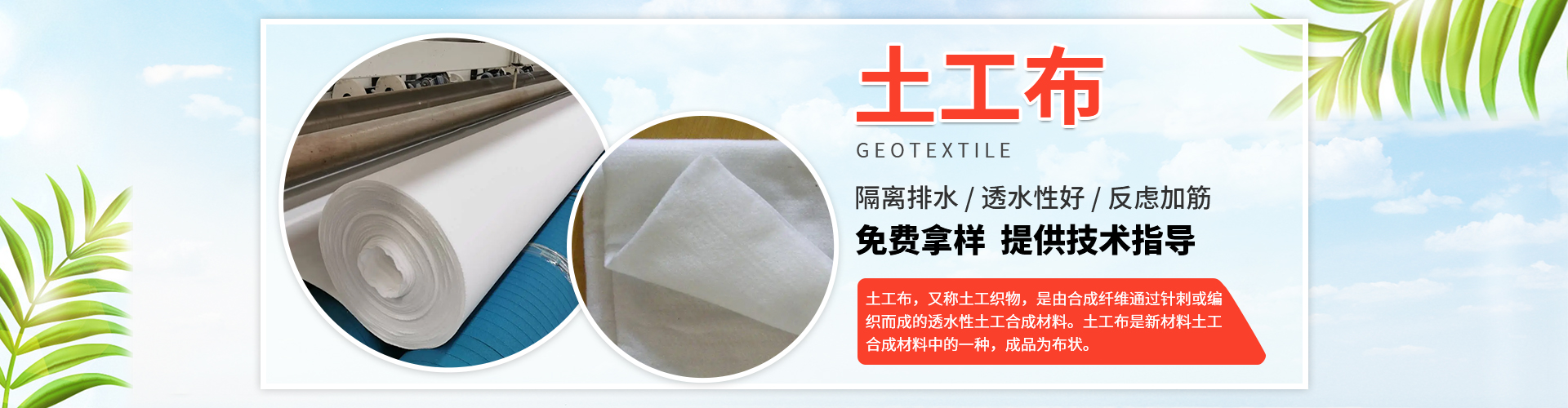
Within the greenhouse, there are mainly three applications of horticultural ground cloth: overall ground protection, partial ground protection, and seedling bed base.
1. Comprehensive Ground Protection: Utilizes a full-spread greenhouse ground method, suitable for soilless cultivation of vegetables and flowers, as well as potted plants. The greenhouse ground is directly covered with geotextile, eliminating the need for additional ground construction. The arrangement of crops can be accurately executed based on the marking lines on the geotextile. Occasionally, to protect the geotextile or increase the water retention on its surface, farmers may also lay a layer of fine sand, approximately 20 millimeters thick, on top of the geotextile.
2. Local Ground Protection: This method is primarily used in conjunction with seedling beds to prevent weeds from growing at the lower part of the beds, thereby reducing the incidence of plant diseases. Laying ground cloth at the bottom of the seedling beds, a common practice in China's greenhouses, can also help reduce water accumulation beneath the beds—especially under overall irrigation—and thus regulate the humidity within the greenhouse.
3. Seedling Bed Base: The geotextile can also be directly laid on the seedling bed surface, serving as the support layer for the bed, thereby simplifying the support structure of the bed surface and achieving compatibility with various cultivation containers.
