
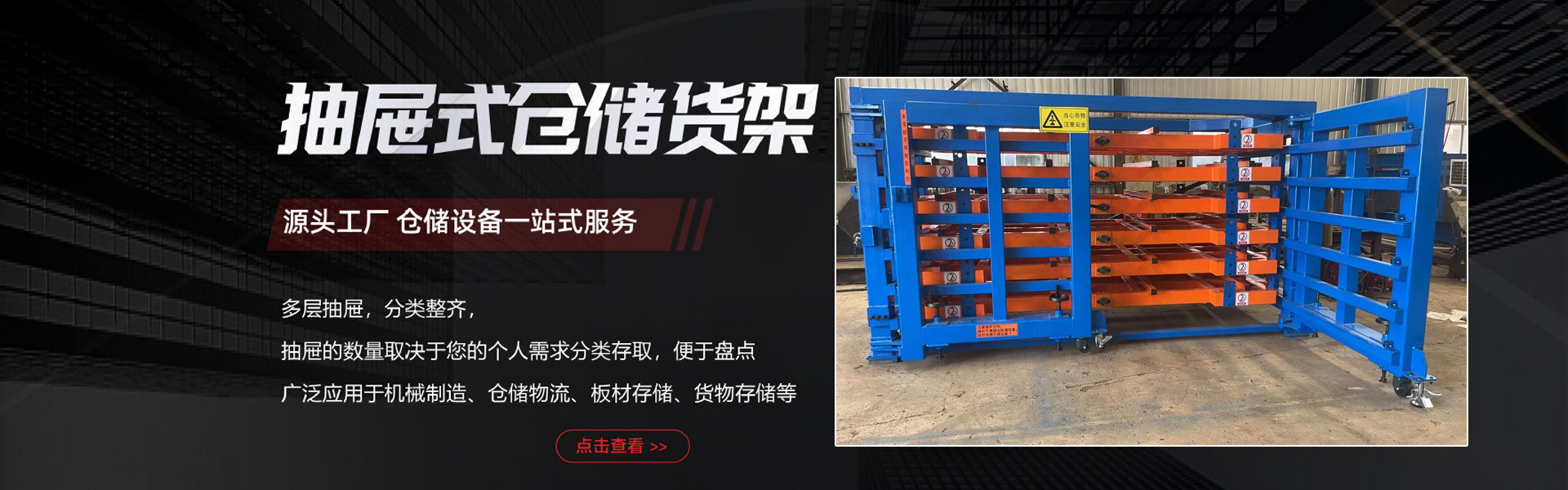





Utilizing drawer-style sheet material shelves is an efficient method for storing and managing sheets of various sizes. Here are the general steps for using drawer-style sheet material shelves:
1. Planning and Design: Before installing drawer-style sheet material shelves, it is essential to carefully plan and design the storage space. Determine the location and quantity of the shelves, considering their size and layout to meet the storage needs of the sheet material.
2. Assembly of Storage Shelves: Install the drawer-style panel shelves according to the manufacturer's installation guide. Ensure the shelves are securely fastened and capable of supporting the weight of the panels.
3. Categorized Plywoods: Plywoods are classified according to specifications, materials, or other relevant standards. This will facilitate better organization of the plywood and simplify the process of access and storage.
4. Drawer Usage: Place the panels in the drawers, ensuring they are stacked flat. Each drawer typically holds panels of only one size or material to facilitate quick retrieval.
5. Marking or Identification: Create clear markings or identifiers, such as tags, labels, or barcodes, for each drawer or panel. This aids in quick identification and retrieval of panels.
6. Keep It Tidy: Regularly clean and maintain the shelves to ensure that the boards are neatly stacked, free of clutter and waste. This aids in enhancing the overall work environment.
7. Safety Operations: Train employees on the proper use of drawer-style sheet material racks, including safe operation and preventing accidents and damage to the materials.
8. Regular Inspections: Conduct regular checks of the shelves for stability and safety, ensuring there are no damaged or loose parts. Address any issues promptly.
9. Record and Track: Log and monitor incoming and outgoing sheets to understand inventory status and material usage.
Drawer-style sheet material shelves can help you organize, store, and manage different types of sheets more efficiently, boost productivity, and reduce the risk of errors and losses. This is crucial for sheet metal processing companies, as they need to handle various sheet sizes effectively.
