Electronic belt scales, hopper scales, packaging scales, ...

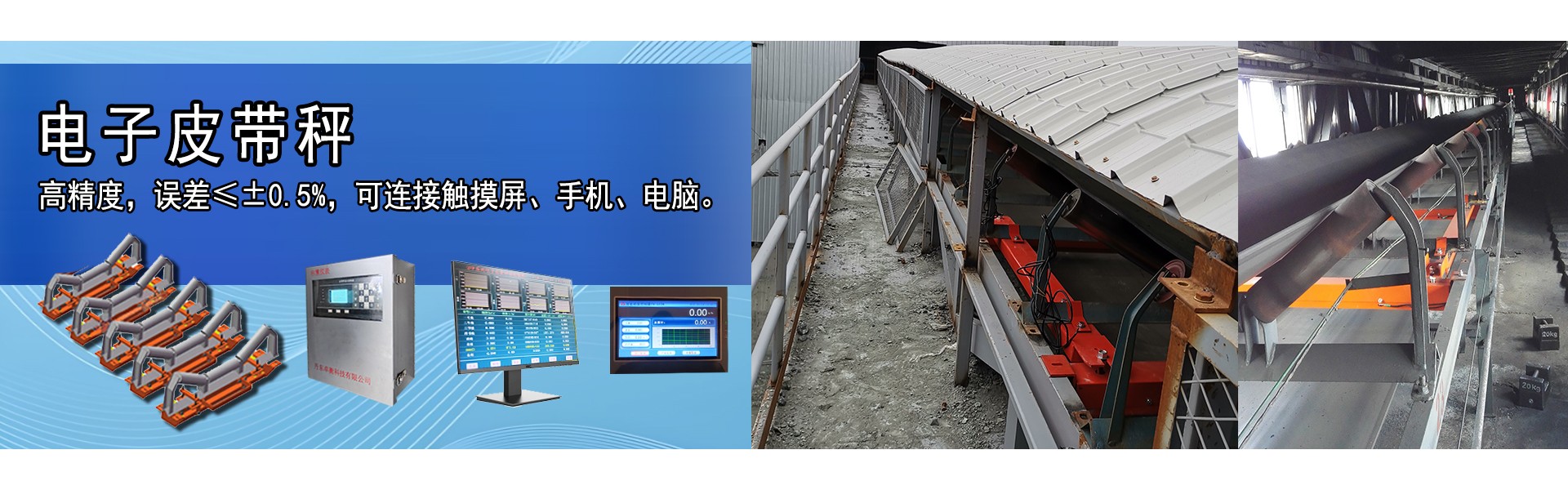
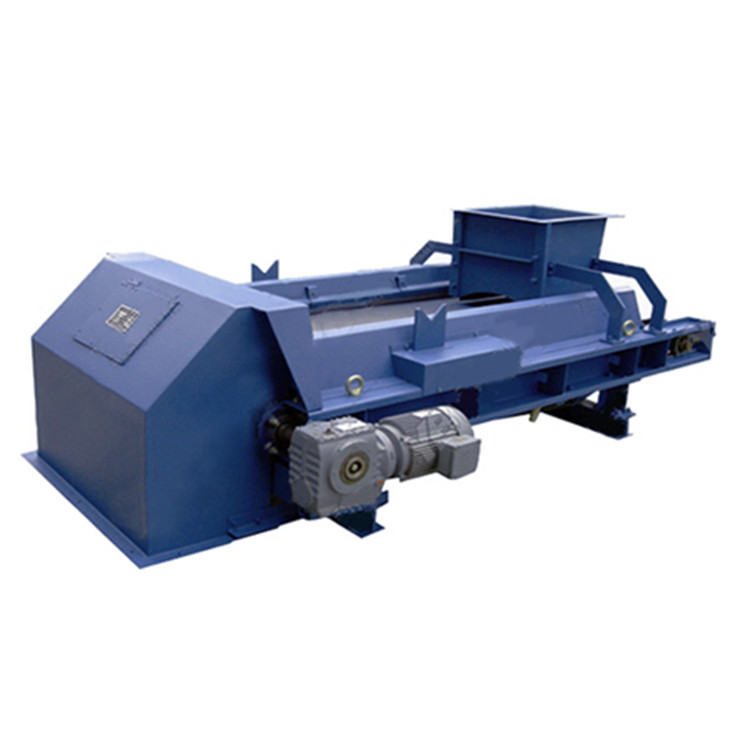
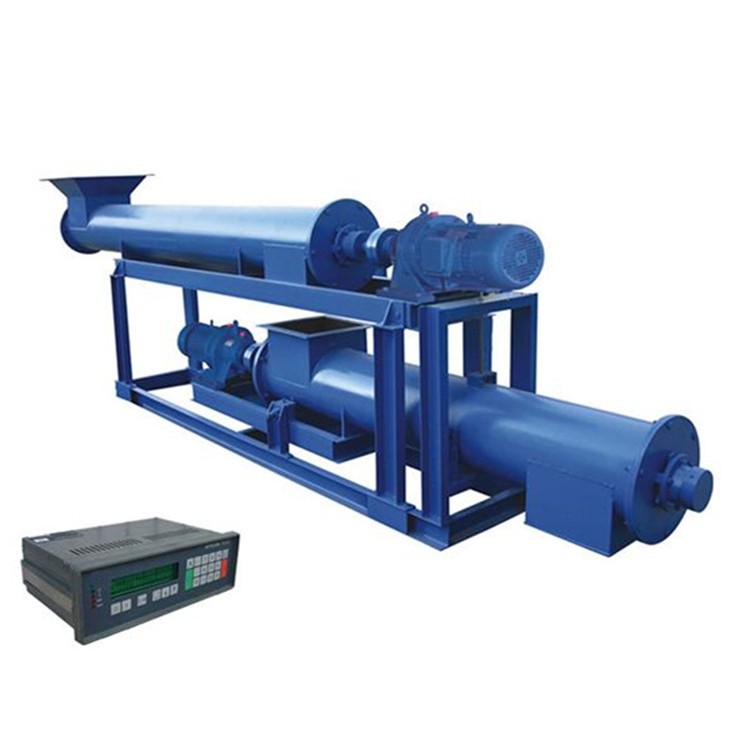
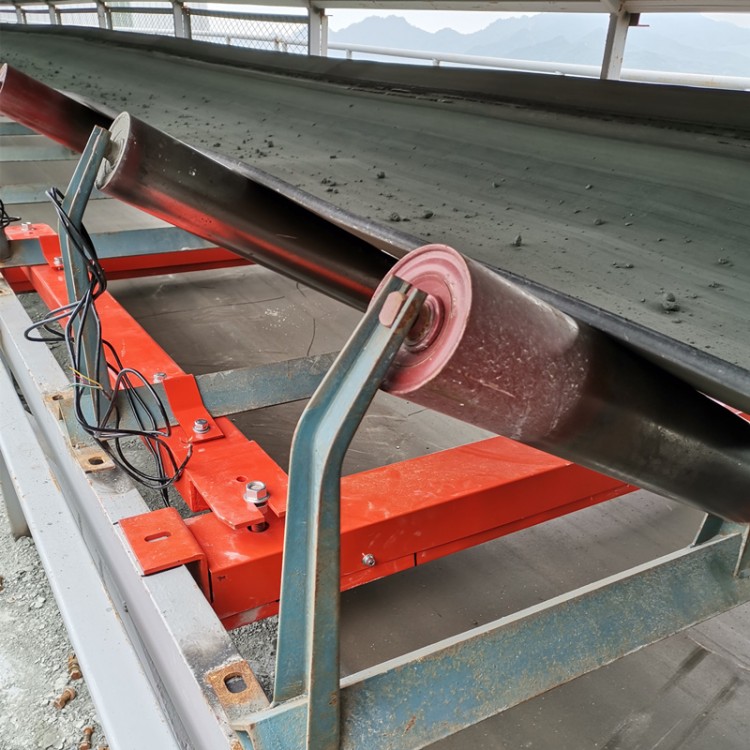
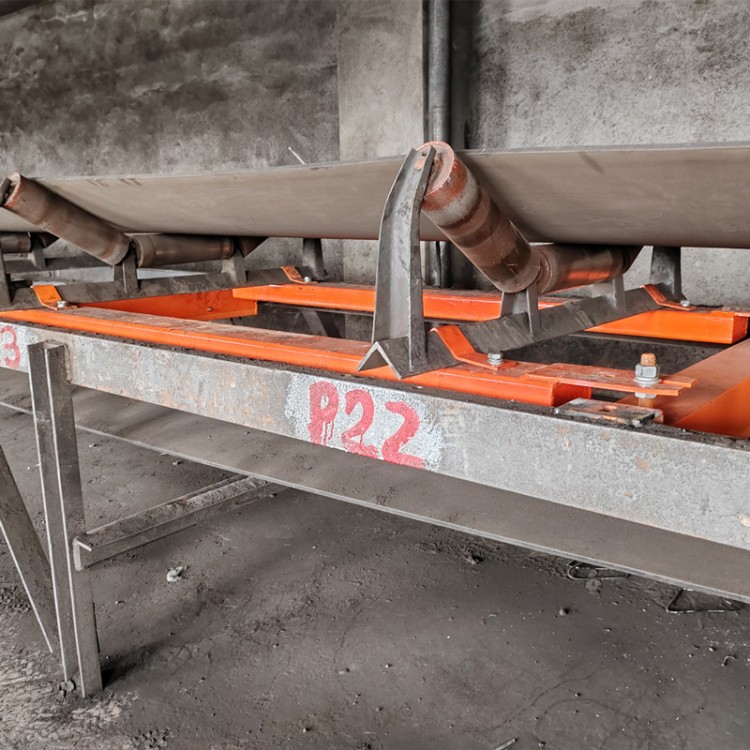
Electronic belt scales, as an advanced continuous weighing device, have become an indispensable weighing tool in modern industrial production. Comprising four main parts: the weighing bridge, weighing sensors, speed sensors, and a totalizer, they can achieve continuous automatic weighing of bulk materials (such as coal, ore, grain, etc.) without interrupting the material conveying process. Compared to traditional static weighing equipment, electronic belt scales haveHigh measurement efficiency、High level of automation、Measurement accuracy stableOur products, with their notable advantages, are extensively applied in conveying systems across industries such as mining, power, chemicals, construction materials, and ports.
In today's increasingly automated industrial production landscape, electronic belt scales rely on their uniqueNon-Interruptive Measurement FeatureNo Chinese content provided.High-Precision Measurement CapabilitiesThe electronic belt scale has become a reliable device in the measurement segment of conveyor system. Depending on the application scenario and precision requirements, the electronic belt scale can be categorized into various types such as single roller, multi-roller, and suspended, meeting the diverse needs of different industries.
The core working principle of the electronic belt scale is based onQuality to Power ConversionNo Chinese content provided.Speed-Time IntegralTwo physical principles are at work. As the conveyor belt carries materials through the weighing zone, the weighing sensor detects the vertical component of force generated by the material's weight and converts it into an electrical signal; at the same time, the speed sensor monitors the belt's running speed in real-time. The integrator processes these two signals, ultimately determining the material's instantaneous flow rate and cumulative weight.
The specific workflow is divided into four steps: Firstly,Weighing Bridge BeamPerceive the weight of the material on the belt and transmit it to the weighing sensor; next,Weight SensorConvert mechanical force into measurable electrical signals; then,Speed SensorMonitor the belt's operating speed and output pulse signals; upon a "lost" condition,AccumulatorReceiving these two signals, the internal microprocessor performs integral calculations, displays, and outputs the measurement results. The accuracy of this process depends on the collaborative performance of its components, particularly the weighing sensor and the speed sensor.Signal Acquisition PrecisionNo Chinese content provided.Synchronization。
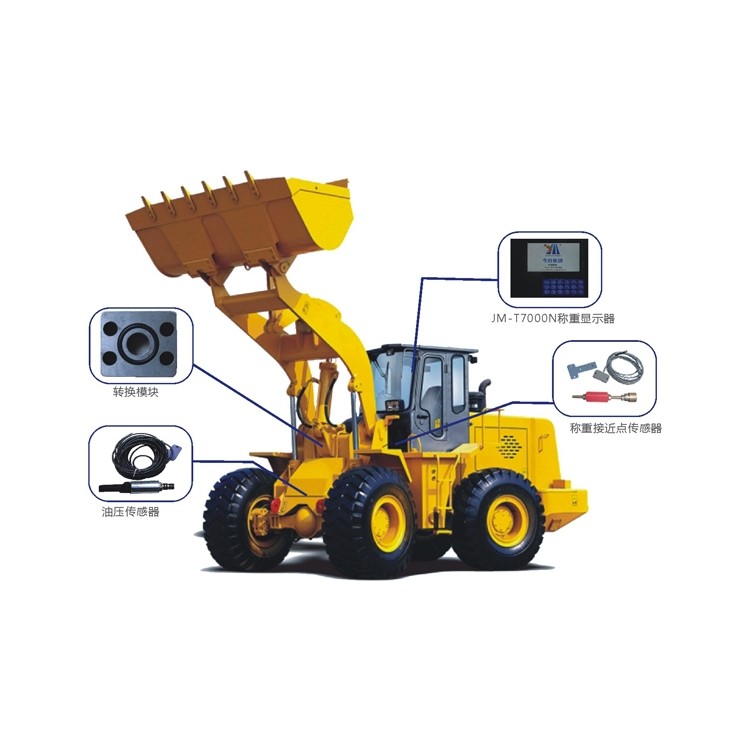
The weighing sensor is the "heart" of the electronic belt scale, directly affecting the entire system's measurement accuracy. Modern electronic belt scales commonly utilize...Responsive Weight SensorIts internally precision-arranged resistive strain gauges will produce deformation when subjected to force, leading to a change in resistance value, which is then converted into a voltage signal output through a Wheatstone bridge circuit. High-quality weighing sensors haveHigh linearity、High Repetition、Temperature DriftFeatures that ensure stable performance in harsh industrial environments.
Many high-end electronic belt scales are designed to enhance measurement accuracy.Multi-Sensor Parallel TechnologyBy utilizing average algorithms to reduce errors caused by uneven local loads. Additionally, modern intelligent sensors are integrated withTemperature CompensationAndAutomatic CalibrationFunctionality enhancements have further boosted long-term stability. The sensor protection level typically reaches IP67 or higher, ensuring reliable operation under harsh conditions such as dust and humidity.
Accurate speed measurement is crucial for electronic belt scales, as any speed detection error will directly reflect in the final measured result. Common speed sensors includeMagnetic Resistance、OptoelectronicAndEncoder-styleThree types of sensors are available. The magnetic resistance sensor generates pulse signals by detecting magnetic markings installed on the belt pulley or return belt; photoelectric sensors utilize the photoelectric effect to detect reflective markings or special textures on the belt; encoder sensors are directly mounted on the shaft of the belt drive roller, providing high-resolution position signals.
Advanced speed measurement system adoptedDual-Sensor Redundancy DesignNo content provided for translation.Adaptive Filtering AlgorithmEffectively overcomes interference factors such as belt slippage and vibration. Some high-end products have also introduced...Touchless Laser Speed Measurement TechnologyDirectly measuring belt surface speed through the Doppler effect has completely eliminated measurement errors caused by mechanical transmission. The sampling frequency of speed signals is typically above 1000 Hz, ensuring dynamic measurement accuracy.
The accumulator, acting as the "brain" of an electronic belt scale, is responsible for critical functions such as signal processing, calculation, display, and communication. Modern accumulators feature...High-performance 32-bit microprocessorThe system operates on a real-time operating system, capable of processing multiple sensor signals simultaneously and executing complex digital filtering algorithms. Its core calculation is based on the formula: cumulative weight = ∫(unit length load × belt speed)dt, achieving accurate measurement through high-speed numerical integration.
Smart Accumulator AvailableAutomatic Zero-Point Tracking、Nonlinear Compensation、Dynamic Error CorrectionAdvanced features significantly enhance long-term operation accuracy. With the inclusion of a touchscreen and graphical interface, operators can conveniently adjust parameters and monitor statuses. In terms of communication interfaces, mainstream calculators typically support various industrial standards such as RS485, Ethernet, and 4-20mA, allowing for integration into industrial IoT systems for remote monitoring and data management.
The measurement accuracy of electronic belt scales is influenced by various factors, primarily including mechanical, environmental, and usage and maintenance aspects. In terms of mechanical factors, ...Belt Tension Variations、Roller alignment、Segmental structure stiffnessEnvironmental factors such as temperature fluctuations, vibration interference, and electromagnetic noise can all affect weighing accuracy. In terms of maintenance, changes in material characteristics, belt wear, and cleanliness can also have long-term impacts on precision.
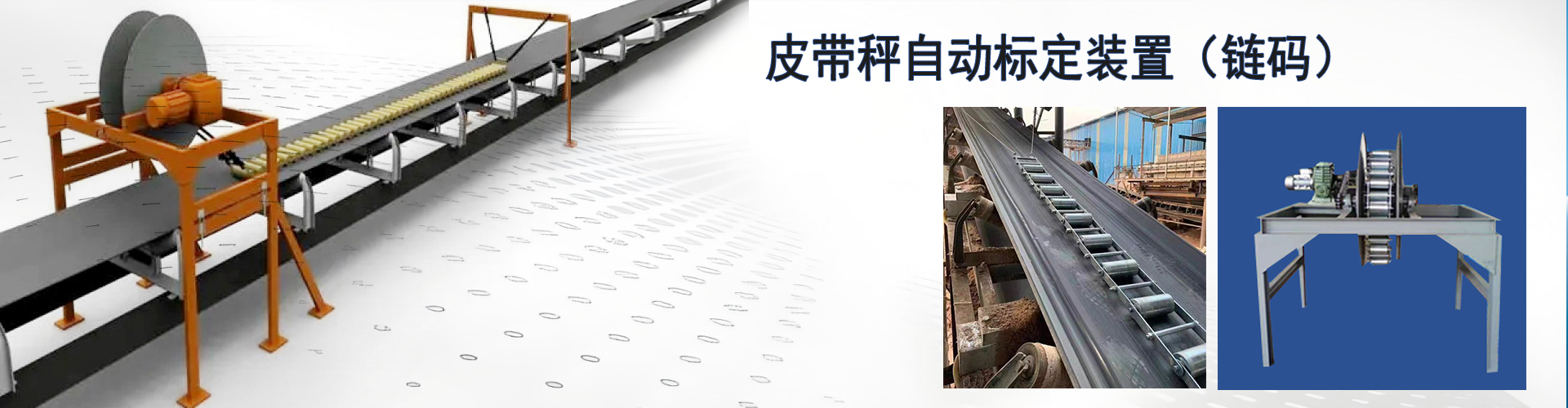
To enhance the long-term stability of electronic belt scales, the following optimization measures can be taken: Regular maintenance.Physical CalibrationNo Chinese content provided.Code VerificationEstablish comprehensive maintenance records; optimize the structural design of the weighing section.Anti-Vibration DeviceAndEarthquake protection measuresAdoptedSelf-diagnostic technologyReal-time monitoring of component statuses, preemptively identifying potential issues; introducingArtificial Intelligence AlgorithmBy learning from historical data, the system automatically compensates for errors. With these measures, modern high-performance electronic belt scales can maintain long-term operating accuracy at ±0.25% or even higher.
Choosing the right electronic belt scale requires considering multiple factors: first and foremost,Precision RequirementsTrading settlement scales typically choose high-precision models with a 0.5 or 0.25 grade, while process control scales can opt for 1.0 grade economic products; next isElastic Bandwidth and SpeedThis determines the dimensional and structural strength requirements for the weighing bridge frame; next isMaterial CharacteristicsFor materials with high adhesiveness or strong corrosiveness, special material weighing platforms and cleaning devices are required; following LOST isEnvironmental ConditionsOutdoor installations or harsh working conditions require equipment with a higher protection grade.
In selecting the installation location, adhere to the following principles: Keep a distance from the drop point to avoid impact, ensure sufficient space from the tail roller to maintain belt stability, and install on a horizontal section or an inclined section with an angle less than 6°. For daily maintenance, it is recommended to establish a system of regular cleaning, inspection, and calibration, with special attention to the rotational flexibility of the roller in the weighing area and the belt misalignment. Through scientific selection and standardized use, electronic belt scales can provide enterprises with a reliable and efficient continuous measurement solution.


www.114global.com © Zhongshang 114 Hebei Network Technology Co., Ltd.Address: Room 6009, Oriental New World Center, No.118 East Zhongshan Road, Qiaoxi District, Shijiazhuang City, Hebei ProvincePlatform Service Hotline: 4006299930