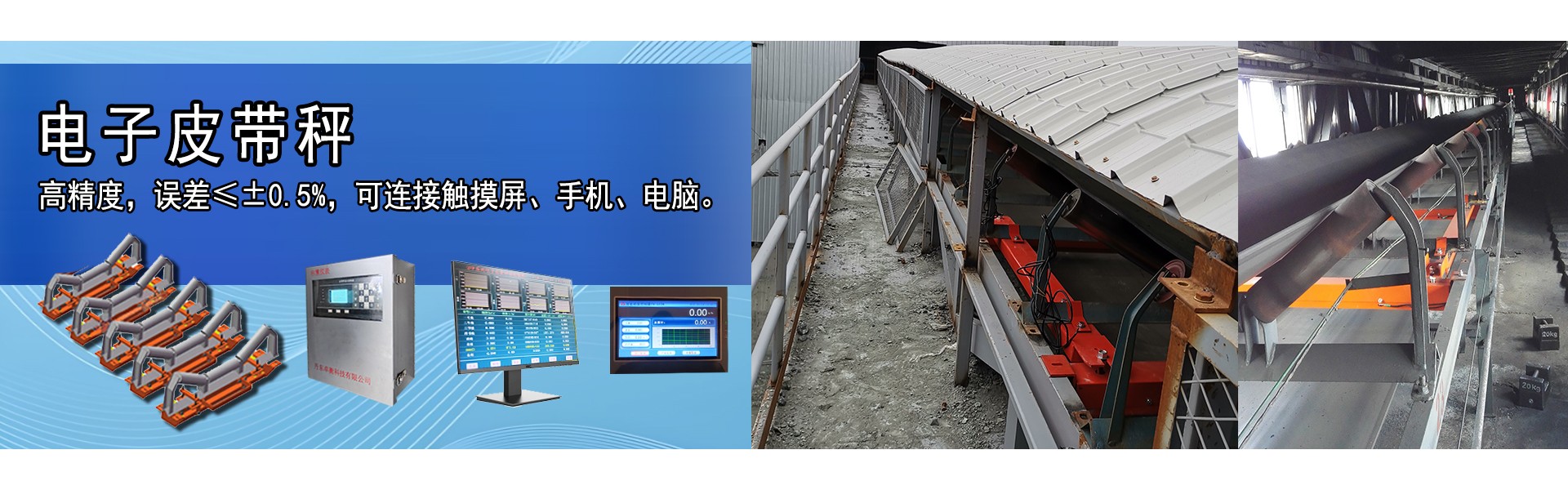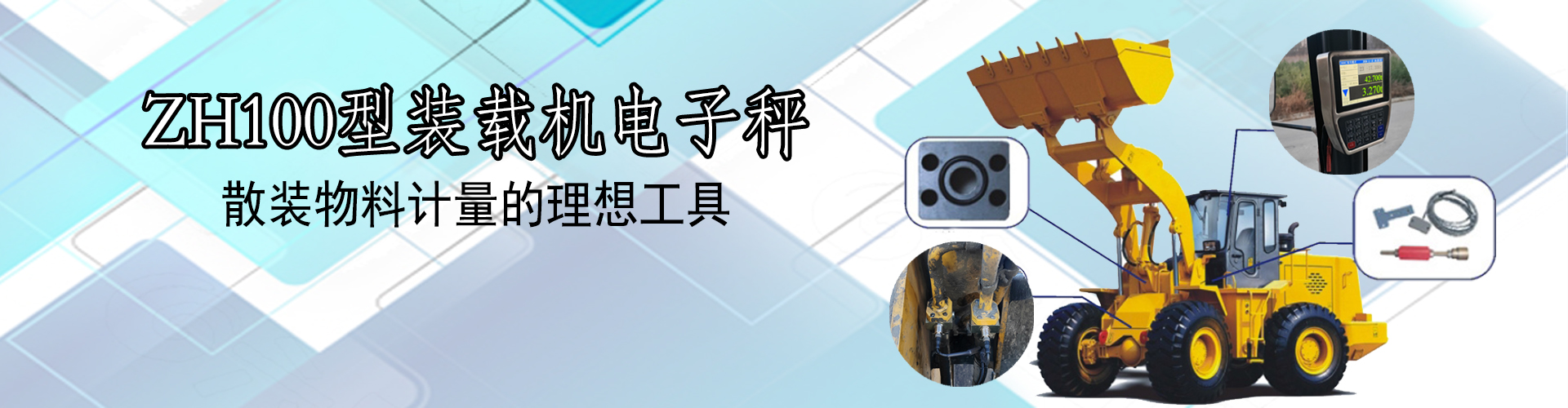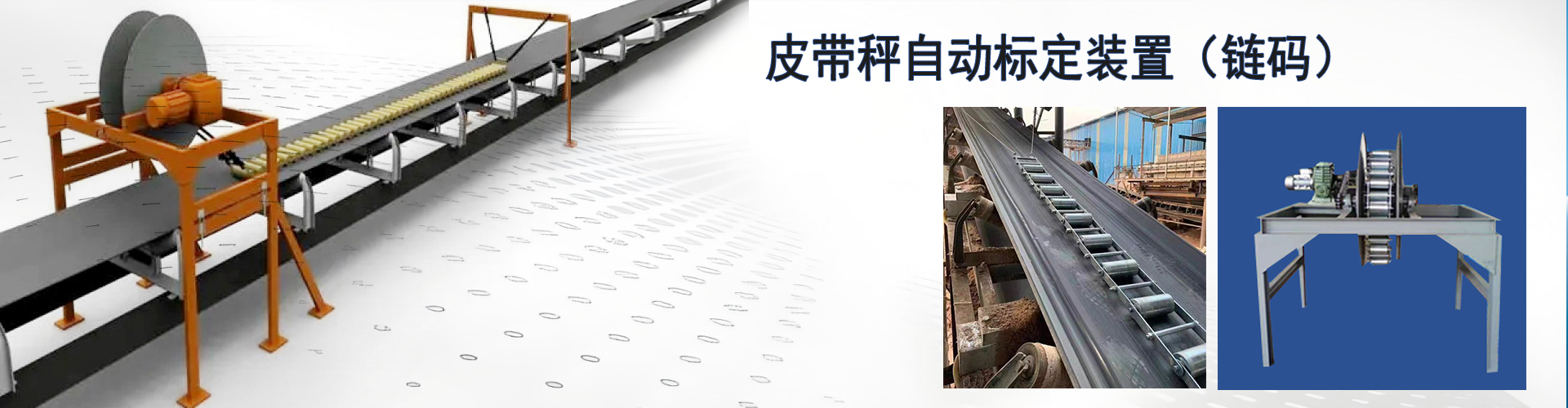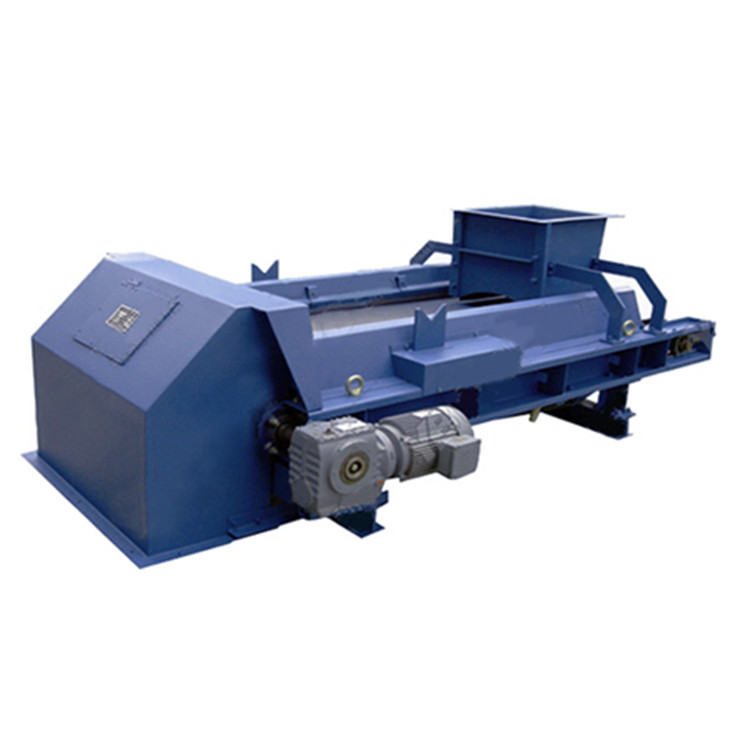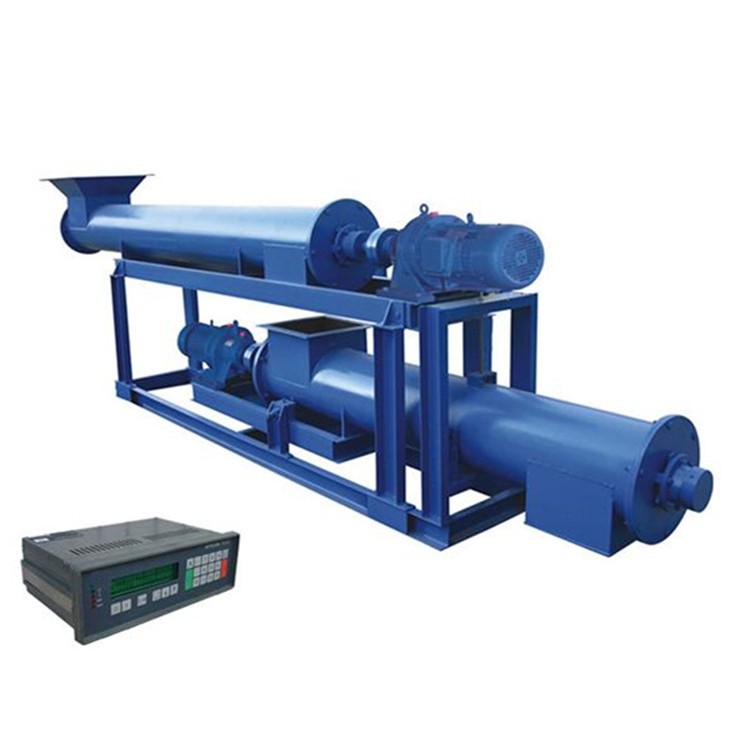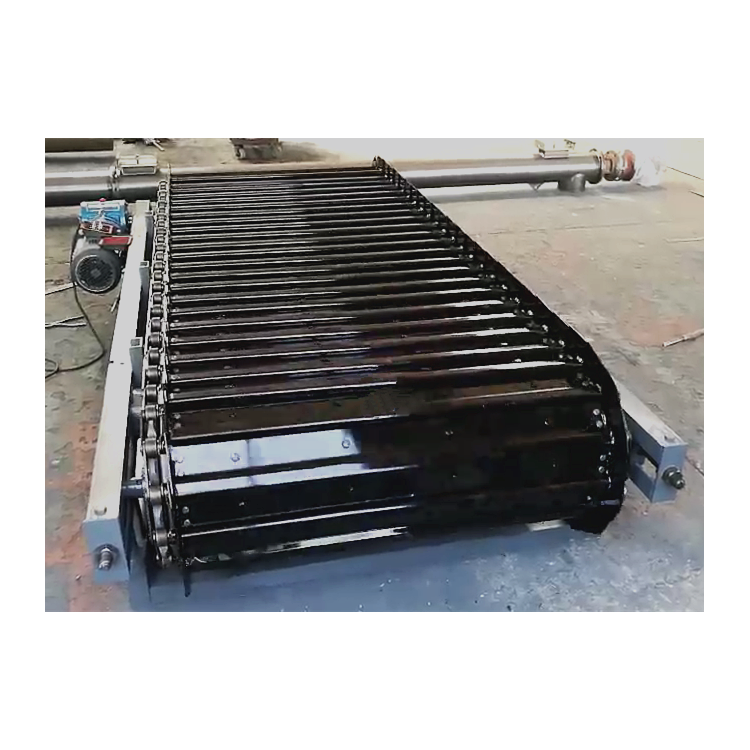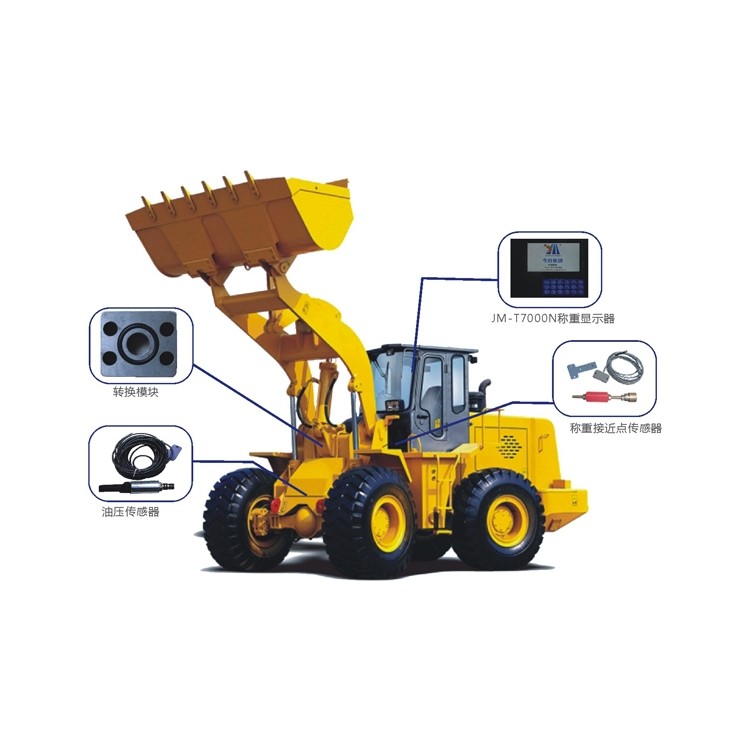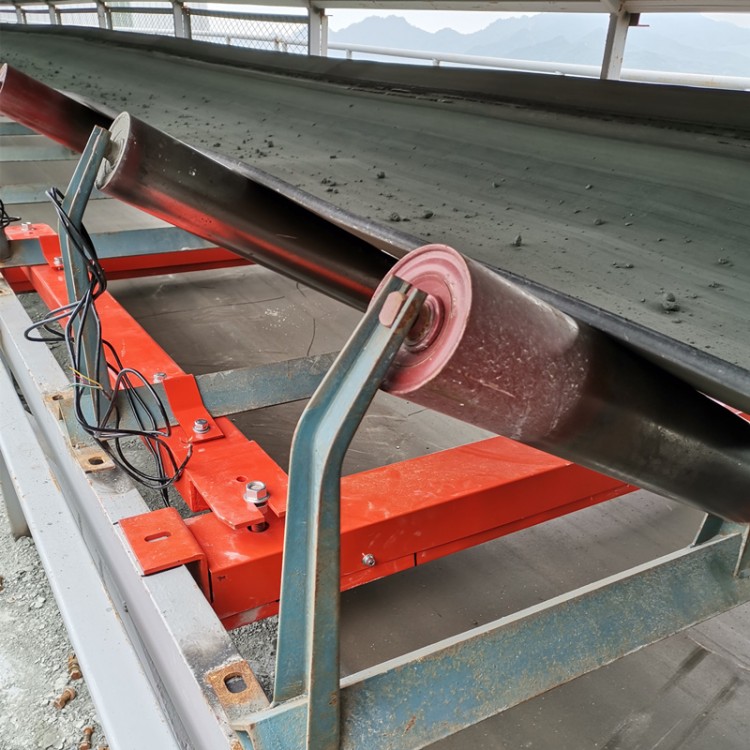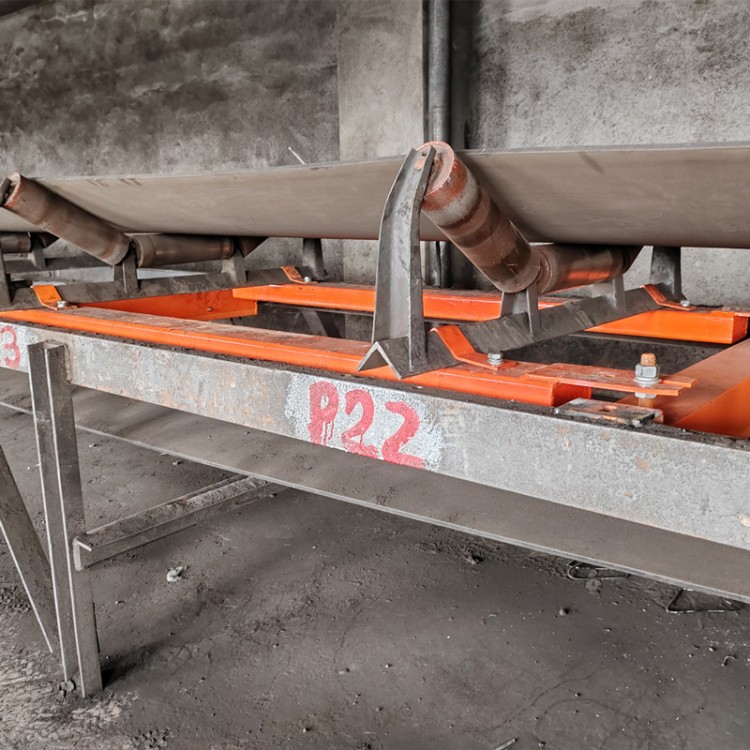
Electronic belt scales, hopper scales, packaging scales, ...

Weighing scales, utilizing Hooke's Law or the principle of lever balance for force, come in a variety of types, from airport luggage weighing to supermarket food weighing, truck weight measuring, and of course, the lab electronic balances we're all familiar with. Today, let's delve into the knowledge of weighing scales.
Weighing scales, which utilize Hooke's Law or the principle of lever balance of forces, are used to measure the mass of objects. They are primarily composed of three parts: the load-bearing system (such as the weighing pan), the force transmission and conversion system (such as the lever transmission system), and the indication system (such as the scale dial). Weighing scales can be divided into three main categories based on their structural principles: mechanical scales, electronic scales, and electromechanical combined scales. Common weighing scales used by pharmaceutical manufacturers include balances, counter scales, platform scales, hanging scales, ground scales, and truck scales. The types include electronic weighing scales, high-precision electronic scales, pricing scales, counting scales, waterproof scales, anti-corrosion scales, hydraulic forklift scales, cylinder scales, and more.
Calibration of weighing instruments refers to evaluating the indication error of the instruments against measurement standards (standard weights) to ensure accuracy of measurement values, which is a set of operations for traceability of measurement values from the bottom up. The purpose of calibration is achieved as long as the goal of traceability of measurement values is met and a clear understanding of the indication error of the measuring instruments is obtained.
Calibration of weighing instruments refers to all the work done to assess their metrological performance and determine if they meet legal requirements, which includes inspection, marking, and/or issuing a calibration certificate. Calibration encompasses both initial and subsequent calibrations. Initial calibration is the process for instruments that have never been calibrated, including newly manufactured or newly installed ones. Subsequent calibration refers to calibrations performed after the initial one, including periodic calibrations, calibrations after repairs, and calibrations for mandatory calibration of newly commissioned weighing instruments, as well as calibrations requested by the user before the periodic calibration is due.
The difference between calibration and verification of measuring instruments lies in their respective approaches. Calibration, which is a bottom-up traceability of value, assesses the indication error. Verification, on the other hand, is a mandatory assessment of metrological characteristics, belonging to the uniformity of values and a top-down transfer of values, ensuring compliance with prescribed requirements. Moreover, calibration can follow national unified standards or methods, or be customized by the using unit. Verification, however, must adhere to uniform verification procedures established by authorized metrological departments. Calibration is non-mandatory, an optional traceability action by the organization. Verification is mandatory, falling under the legal metrological management category and an enforcement action. Calibration does not determine if the instrument is compliant; it only evaluates the indication error, with its conclusions being technically non-binding documents. Verification, based on the error range specified in the verification procedure, provides a compliant or non-compliant assessment, issues a verification certificate, and its conclusions are legally binding, serving as the legal basis for the verification of measuring instruments or devices.
Determining Calibration and Verification Cycles
Calibration cycles and verification cycles are two distinct concepts. According to national metrological verification regulations, mandatory verification instruments typically have a verification cycle not exceeding one year. The determination of the verification cycle for non-mandatory verification instruments is usually at the discretion of the using unit. Whether it's mandatory or non-mandatory verification, the cycle determination must ensure a high pass rate of the instruments within the verification period, to minimize unnecessary material and labor costs. An overly long verification cycle may result in instruments being deemed non-compliant during the verification period. Conversely, a too short cycle may lead to wasted resources. To reduce the risk of instrument use, the cycle can be determined through necessary verification. The calibration cycle is set by the using unit. During the implementation of the new GMP, many companies practice routine calibration before each (daily) use.
Several Specific Issues Regarding Weighbridge Calibration
The weighing instruments used in electronic scales all belong to the category of precision instruments. They must be installed, used, and maintained according to the instructions in the manual to ensure the safety, normal operation, and accuracy of the instruments. Otherwise, it may lead to damage to the instruments or shorten their service life.
Installation: Generally, it is recommended to place the instrument in a clean, dry, well-ventilated, and temperature-appropriate environment. The instrument should be securely positioned and not frequently moved, as this may cause the internal leads of the signal cable plug to become loose and lead to malfunctions.
2. Power Supply: Most weighing instruments (such as the 8142, 8530 series, etc.) operate on a 220V AC power supply, with a voltage range typically allowed between 187V and 242V. Always remember to check the voltage before powering on the instrument after changing the power lines. Connecting a 380V power supply to the instrument may cause damage. In situations with significant voltage fluctuations, a good voltage stabilizer (such as the CW type AC parameter stabilizer) should be used to ensure normal operation of the instrument. Avoid using the same power outlet as strong interference sources (such as motors, bells, fluorescent lights) to prevent unstable readings. Some instruments (like HAWK meters) are dual-purpose for AC and DC. When using dry batteries, be cautious as battery leakage can damage the instrument. If the instrument is not to be used for an extended period, remove the batteries.
3. Grounding: Weight scales should be connected to an independent and good grounding wire (ground resistance < 4 ohms, the grounding lead should be as short as possible). The grounding wire serves a dual purpose: it not only protects the operator's personal safety but also plays an important role in anti-interference, ensuring the stable operation of the instrument. The grounding wire should be connected to the instrument's power outlet. If the instrument's grounding wire is connected to the common strong power protection grounding wire, it may cause power interference to the instrument, resulting in fluctuations in the displayed values. It is recommended to regularly check the grounding wire connection points for good contact. Over time, oxidation and rusting at the connection points may render the instrument ineffective in practice.
4. Sun Protection: Avoid direct sunlight on the instrument's black housing, as it may cause the operating environment of the instrument to exceed the rated temperature range, potentially leading to damage.
5. Waterproof: Generally, the humidity in the instrument's working environment can reach 95%, but condensation is strictly prohibited. Special waterproof features are applicable to stainless steel housing instruments.
6. Corrosion Prevention: Corrosive substances must not seep into the instrument's interior, as this can cause corrosion to the components and the circuit board itself. Over time, this may lead to the instrument becoming unusable. Even instruments with corrosion-resistant features can suffer the same fate if not properly sealed.
7. Lightning Protection: Electronic scales are part of a low-voltage system and are susceptible to lightning strikes that can damage components. Lightning primarily enters the instrument through two routes: via the power lines and through the signal cable from the weighing platform. Under normal weather conditions, operators can simply control the power switch. However, in cases where a nearby lightning strike is possible, it is essential to disconnect the instrument's power plug and the weighing platform's signal cable. Implement lightning protection measures, such as adding surge protectors to the instrument's power circuit.
8. Electrical Protection: Accidentally connecting a power line over 220 volts to the weighing platform or using the platform as a ground, as well as performing welding operations on the platform, may all damage the instrument.
9. Cleaning: In industrial environments, instrument casings may accumulate dust or become contaminated, and must be regularly wiped clean with a damp cloth while the power is off. However, it is important to avoid using solvents like alcohol to clean the display window, as this can degrade its light transmission properties and result in blurry, unclear display.
10. Anti-static: In case of instrument damage, it must be sent for repair. Some units prefer to disassemble the PCB board of the instrument for faster transit, sending it via express mail. This raises an anti-static issue. When picking up the PCB board, hold it by the corners; avoid touching the integrated circuit pins. This can easily cause static electricity to damage the integrated circuits. The removed PCB board should be immediately placed in an anti-static bag; if a bag is not available, it can be wrapped in regular newsprint. Placing the board on a high-insulation surface can potentially damage the PCB board. Similarly, when reinserting the repaired PCB board into the instrument, anti-static precautions should also be taken.
11. Vibration Resistance: Place the instrument in its original packaging box or take appropriate vibration-proof measures during transportation.
12. Explosion-proof: When instruments are used in composite or intrinsically safe explosion-proof systems, relevant explosion-proof regulations should be followed.
13. Responsibility: An electronic balance is a relatively advanced weighing system that should be operated and maintained by trained personnel. Currently, most weighing instruments determine the functionality and performance of the balance through parameter settings and calibration on the software. Any arbitrary changes to these parameters could affect the accuracy of the weighing and its functionality (such as failure to print or communicate). Therefore, it is also crucial to define the respective responsibilities of the operators and maintenance personnel.


www.114global.com © Zhongshang 114 Hebei Network Technology Co., Ltd.Address: Room 6009, Oriental New World Center, No.118 East Zhongshan Road, Qiaoxi District, Shijiazhuang City, Hebei ProvincePlatform Service Hotline: 4006299930