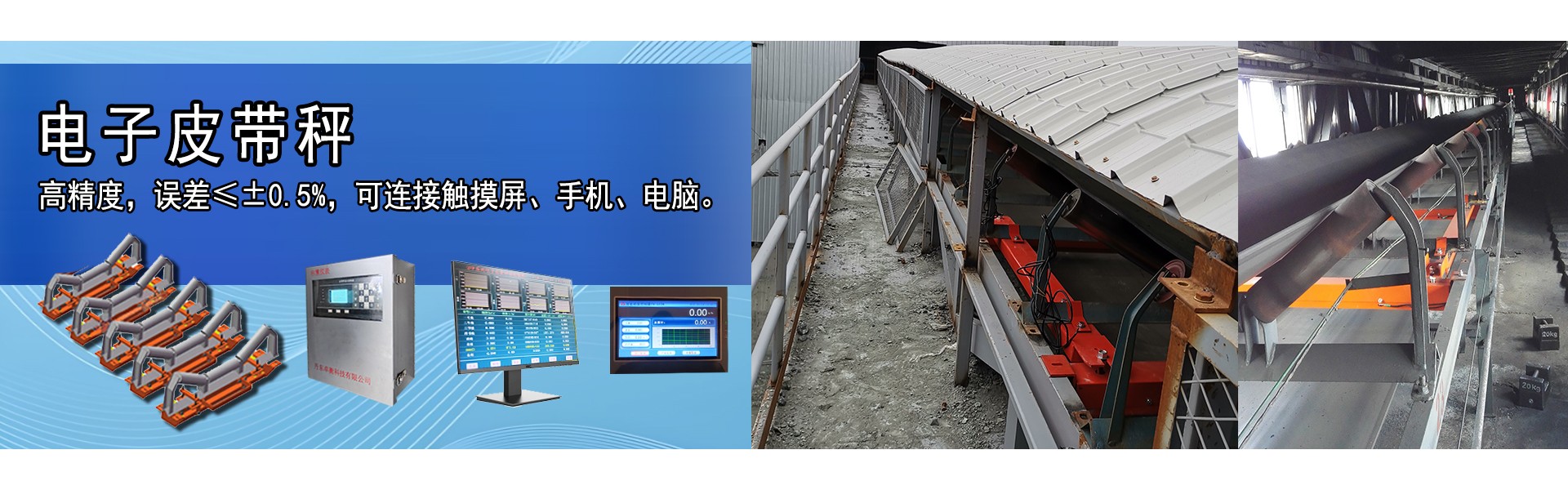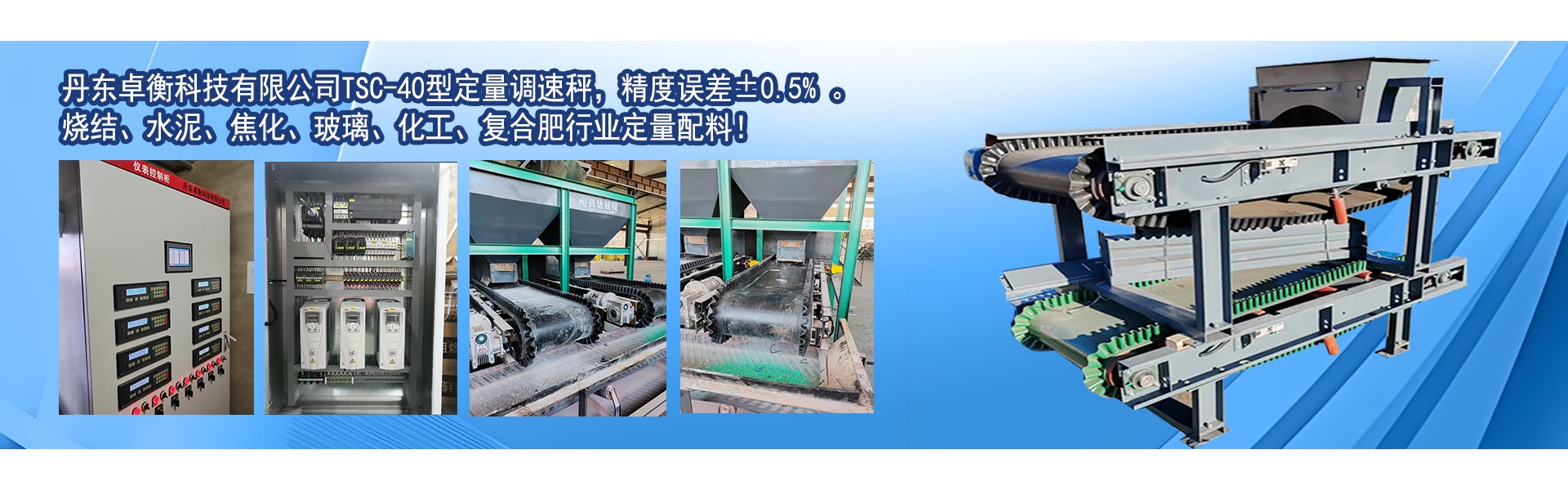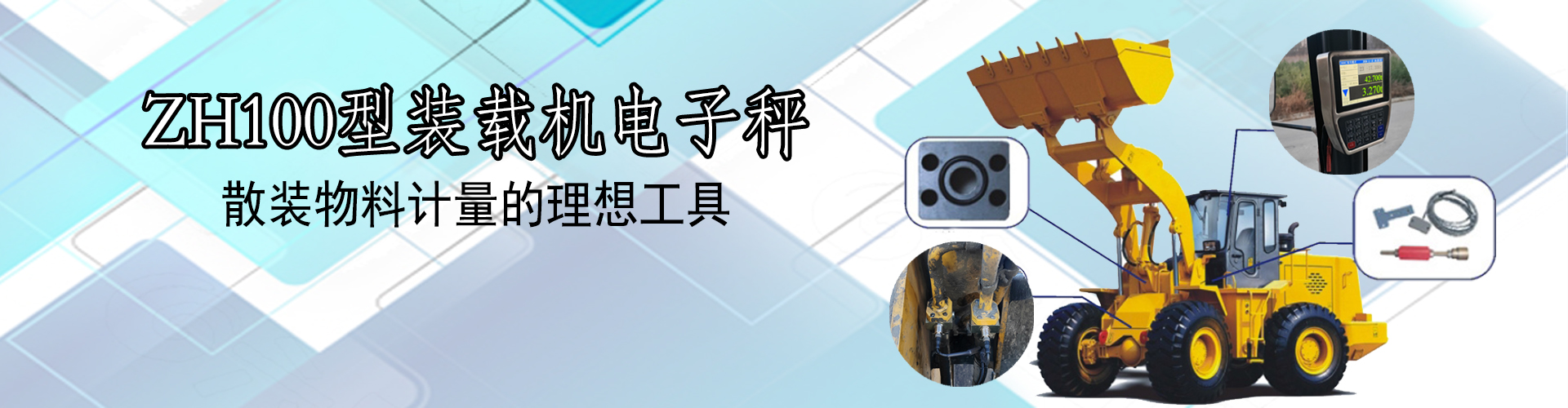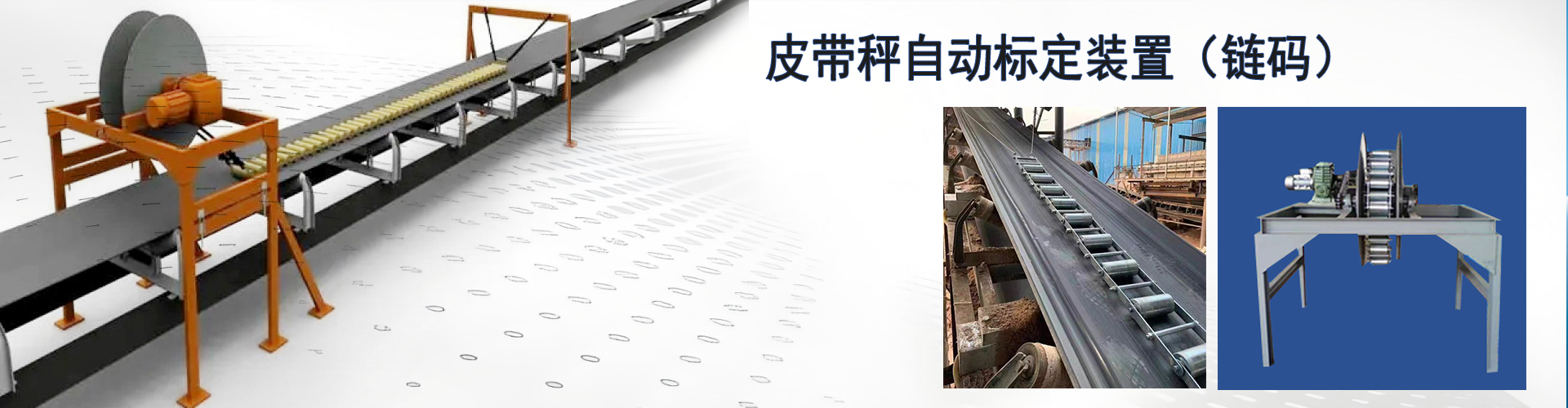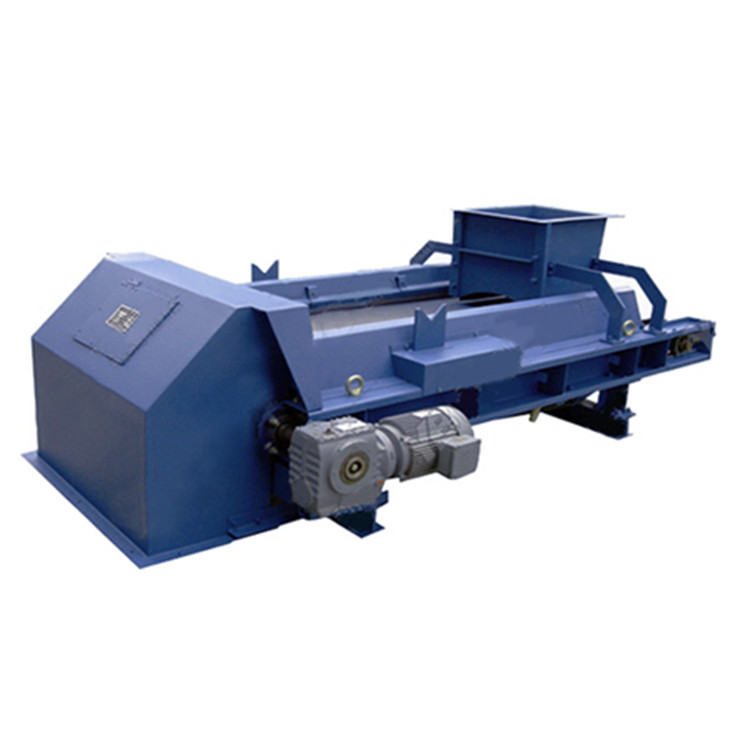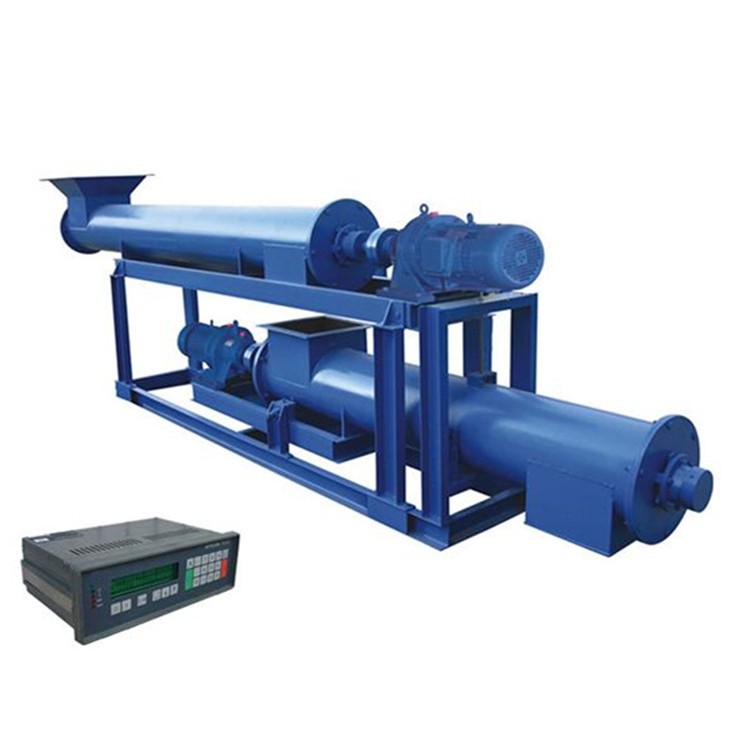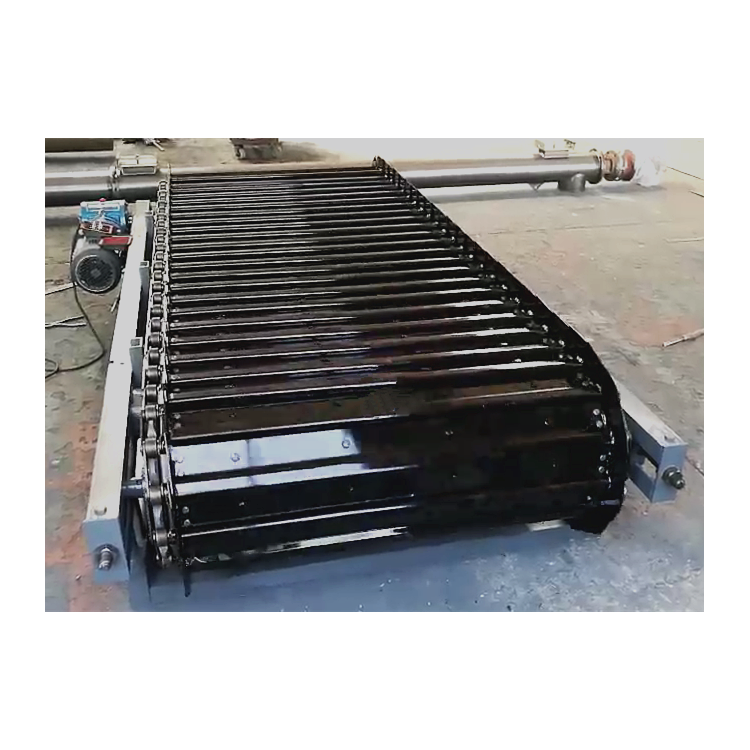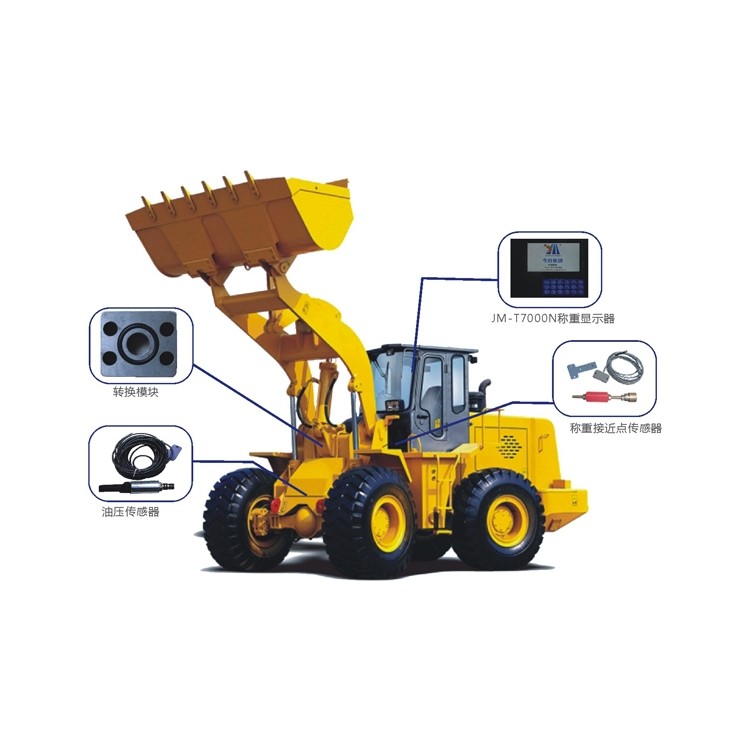
Electronic belt scales, hopper scales, packaging scales, ...

Recently, I came across an article on WeChat about how to evaluate the "sealing effect" of weighing sensors. The author claimed that welding-sealed weighing sensors are more reliable than those with adhesive sealing, and I immediately raised an objection. I believe that this article could mislead readers, so I'd like to share my own understanding of this issue today.
Weight sensors must ensure long-term stable operation, with the sealing quality being a crucial indicator. Currently, there are two traditional sealing methods: one is welding sealing, and the other is adhesive sealing.
One, Sealing Method
Welding Sealing: Cylinder and筒式 weighing sensors are sealed by welding the annular flat diaphragm or corrugated diaphragm to the elastic element and housing. Radial, axisymmetric, and bent ring weighing sensors are sealed by welding the annular flat diaphragm or corrugated diaphragm to the central loading cylinder and supporting annular ring.
2. Sealant Encapsulation: Surface sealing and blind hole potting are commonly used protective and sealing methods for weight sensors.
Section II: Sealing Technology
Welding Sealing: This involves using TIG or laser welding to bond the diaphragm with the elastomer and housing into a single unit, creating a tight protective layer. Subsequently, dry inert gas is filled, air inside the cavity is排出, and it is sealed. It is essential to inspect for any leakage issues.
Key issues with welding sealing: One is the significant internal stress after welding, which not only consumes the output sensitivity but also increases nonlinear errors; the other is the improper selection of welding processes, leading to a large heat-affected zone during welding. This results in over-curing of protective and stress-relieving adhesives, making the adhesive layer brittle, reducing bonding strength, and lowering fatigue life.
However, welding sealing is not merely a surface welding of a template on the胶seal, as some manufacturers do, without filling with inert gas or conducting leakage detection.
In 1986, we purchased a C3H3 type weighing sensor from an overseas company, which was used as a standard on an overlaying force standard machine. This is a welded-sealed weighing sensor that has maintained its accuracy and excellent stability to this day.
2.胶密封: It involves tightly encapsulating strain gauges and other components with sealing materials on the elastomer to prevent external moist gases from entering. The performance of the sealing material and the potting process determine the quality of the seal.
Key Issues with Adhesive Sealing: First, improper selection or preparation of protective and sealing materials significantly affects the quality of protection and sealing; second, inadequate cleaning or insufficient drying after cleaning before sealing leads to poor bonding of the sealing layer, failing to achieve the expected protective and sealing effects.
If we conduct a destructive test by manually peeling off the sealing adhesive layer, if the layer can be easily peeled off and there is very little adhesion on the elastomer surface, then the seal is false; conversely, if the layer cannot be easily peeled off and metal assistance is required, the seal's effectiveness is guaranteed to be good.
III. Method for Evaluating Sealing Quality
The quality of the sealing of weighing sensors is not determined by the currently popular "IP" ratings in society, but rather by the national standard GB/T7551-2008 "Weighing Sensors." The GB/T7551 national standard stipulates: Weighing sensors marked with the NH symbol, as they are tested for humidity simultaneously with the entire unit, do not require a separate humidity test; weighing sensors marked with the CH symbol or without a humidity symbol should undergo the specified humidity and heat cycle test; and weighing sensors marked with the SH symbol should undergo the specified humidity and heat steady-state test.
1.湿热循环 Test (CH)
Following pre-loading, the first step is to conduct multiple loading and unloading tests; then, the weighing sensor is placed inside a temperature and humidity chamber for 12 temperature cycles, each lasting 24 hours, with relative humidity ranging between 80% and 96% and temperatures varying from 25°C to 40°C. After sufficient temperature stabilization, loading and unloading tests are performed.
2. Humidity and Temperature Stability Test (SH)
Following pre-loading, tests were conducted at five loading points within the measurement machine equipped with a humid heat box, under conditions of reference temperature and 50% relative humidity, higher temperature and 85% relative humidity, and reference temperature and 50% relative humidity, respectively.
It's important to note that in the humidity chamber, steam is introduced to achieve a certain relative humidity. Steam exists in a molecular state and can penetrate through any pores.
3. Shell Protection Grade Test
The standard environmental conditions for waterproof and dustproof tests are: temperature: 15~35℃; relative humidity: 45% to 75%; the IP67-rated test involves fully immersing the equipment in water more than one meter deep.
Be aware that water has surface tension, and there is very little pressure in water over a meter deep.
Conclusion
The quality of the sealing for weight sensors does not depend on the sealing method, but rather on the correct process and the operators who diligently execute the process.
The evaluation criteria for the sealing quality of weighing sensors is not the "IP" rating specified in GB/T4208-2008 "Degree of Protection (IP Code)" standards, but rather whether it can pass the "CH" test and "SH" test as stipulated in GB/T7551-2008 "Weighing Sensors."
That's why some companies, including some global ones, are reluctant to adhere to the national standards (or international recommendations) for weight sensors and instead opt for unrelated ones!
Reference
Liu Jiujing, Technical Training Materials for Resistor Strain Gauge Load Cell by the China Weighing Instrument Association
[2] GB/T4208-2008 Enclosure Protection Ratings (IP Code)
[3] GB/T7551-2008 Weighing Sensor
[4] Shen Liren's Understanding of Protective Requirements for Weighing Sensors


www.114global.com © Zhongshang 114 Hebei Network Technology Co., Ltd.Address: Room 6009, Oriental New World Center, No.118 East Zhongshan Road, Qiaoxi District, Shijiazhuang City, Hebei ProvincePlatform Service Hotline: 4006299930