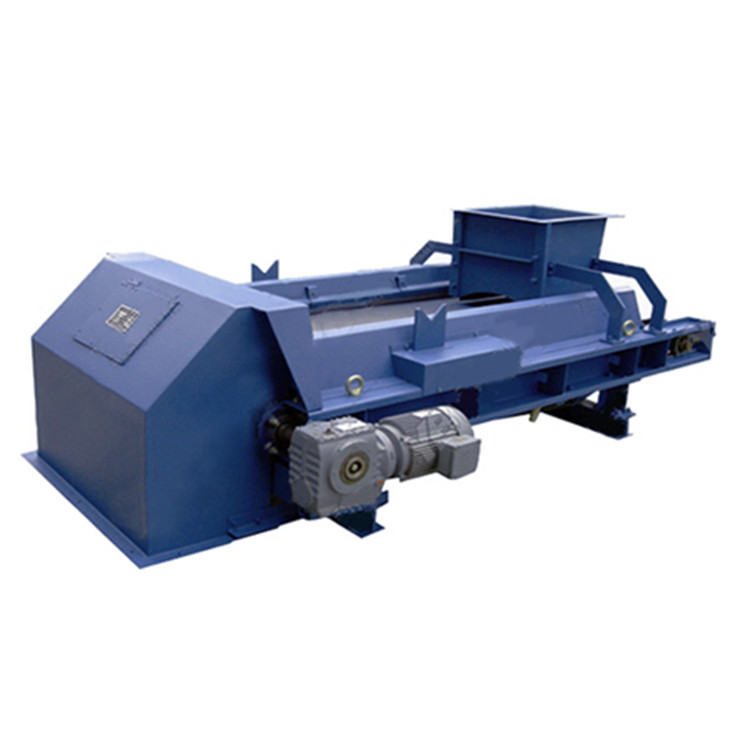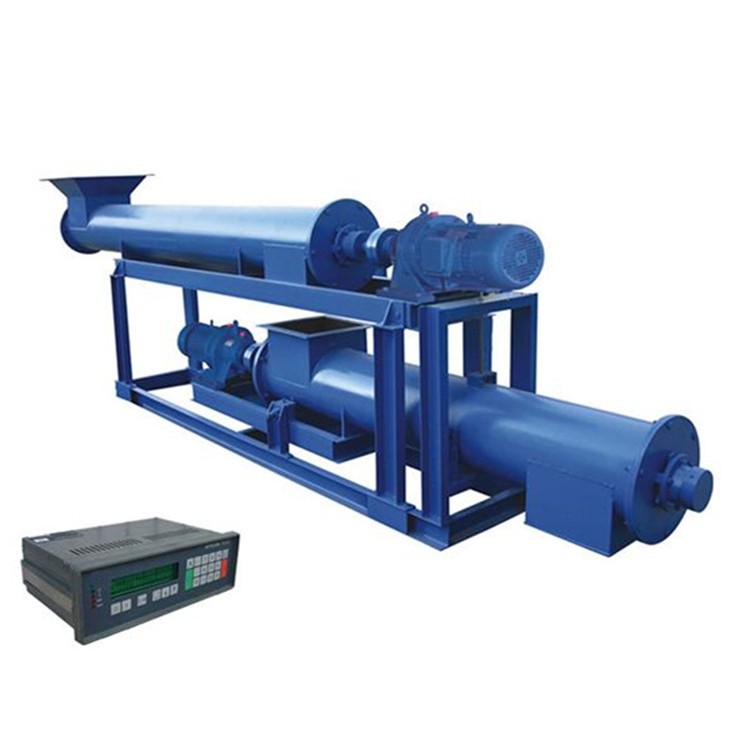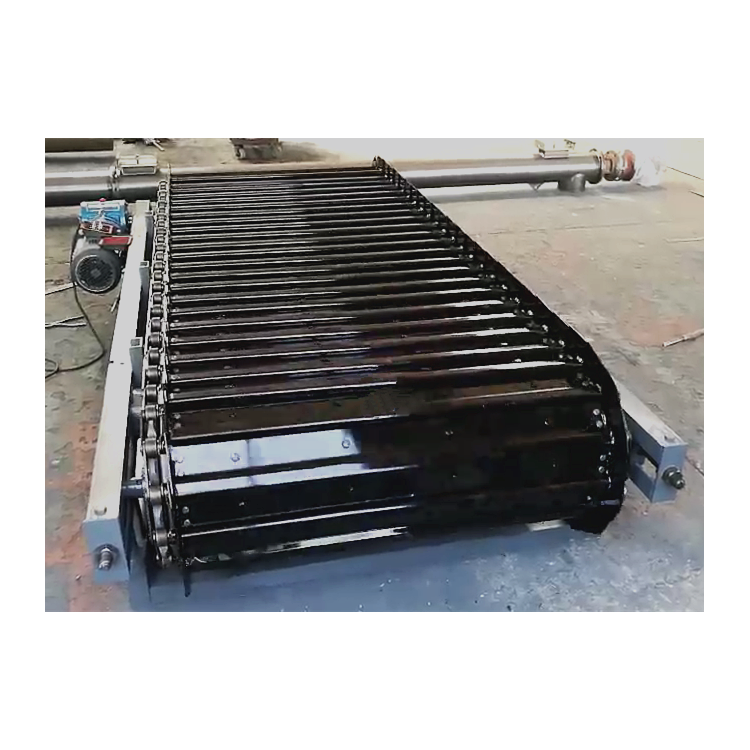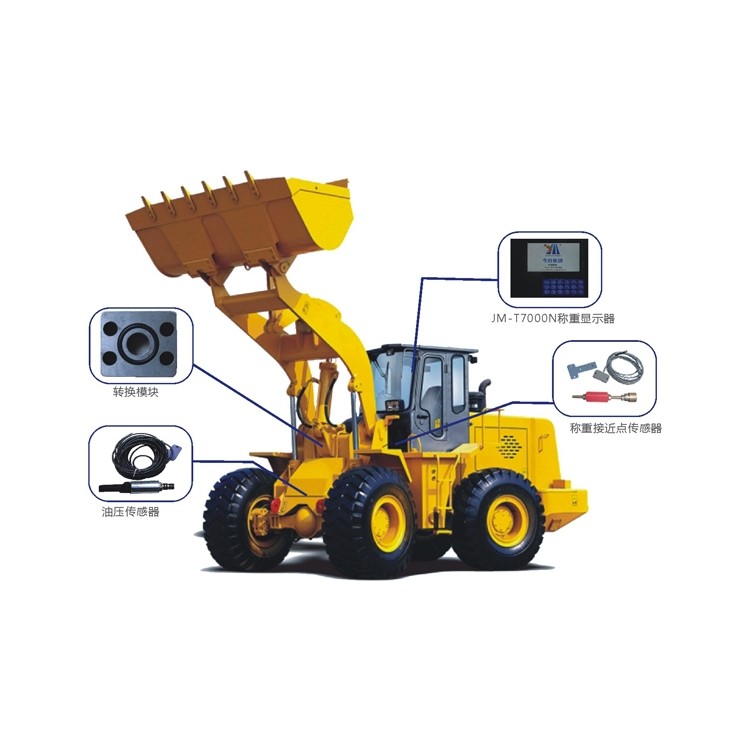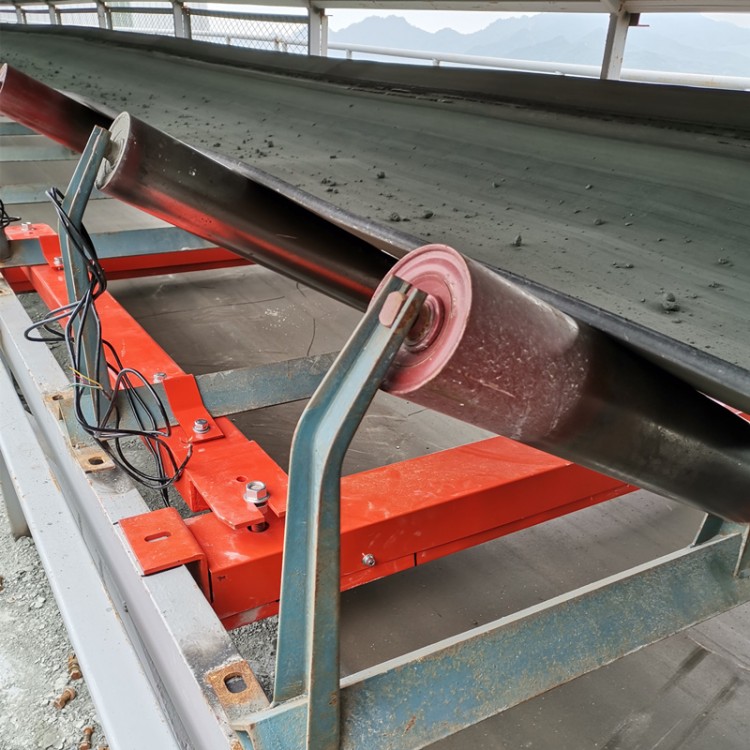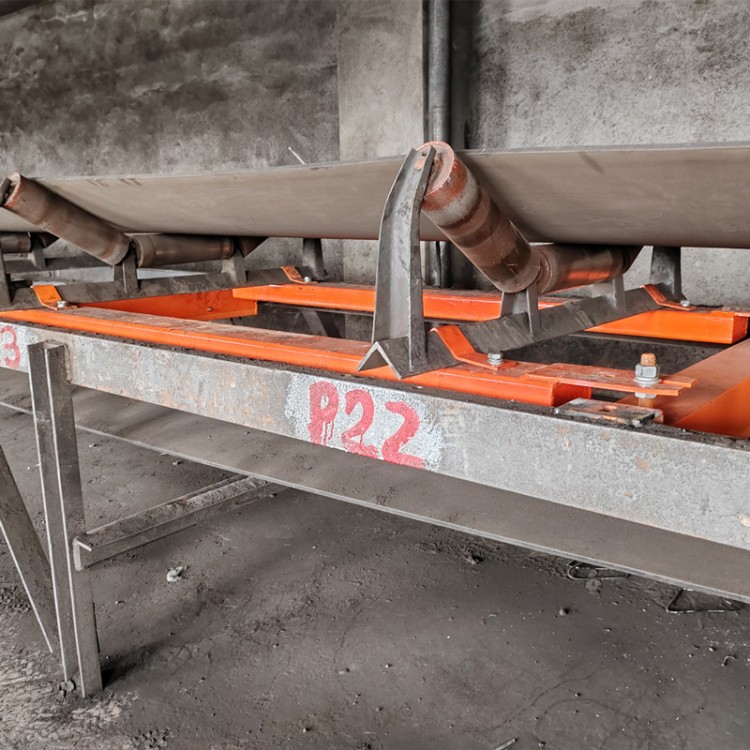
Electronic belt scales, hopper scales, packaging scales, ...

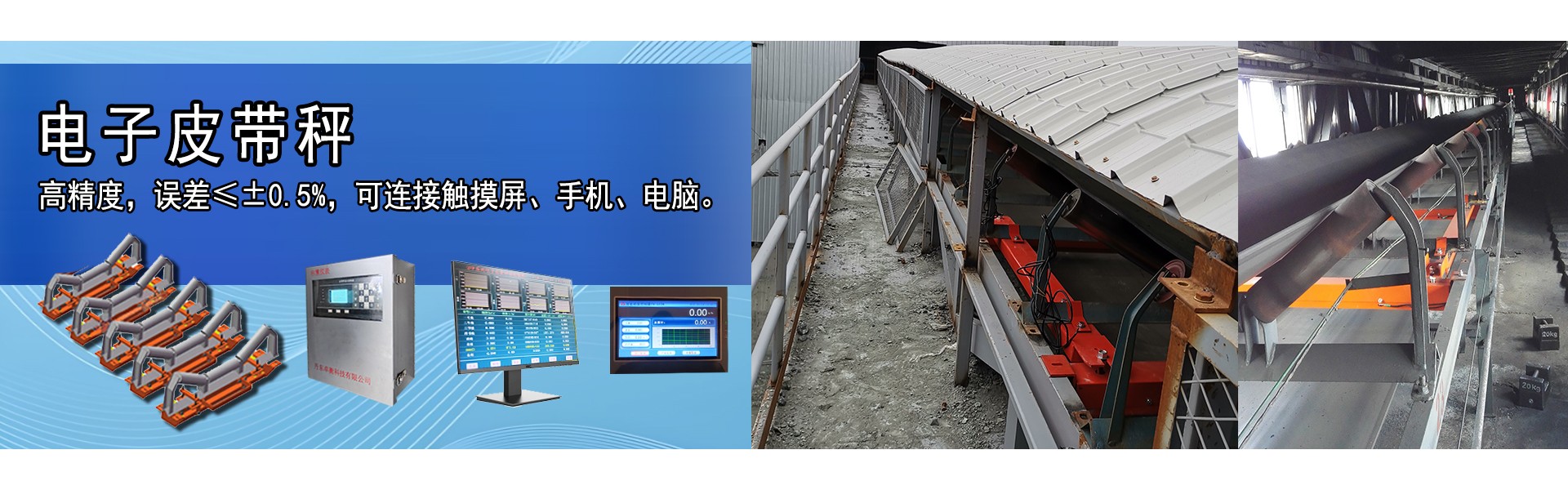
As industrialization rapidly advances, electronic belt scales, as an efficient and precise weight detection device, play a crucial role in logistics, warehousing, and production sectors. But how can one ensure that electronic belt scales meet high-precision requirements? This article will unveil the secrets for you!
Firstly, to achieve high precision, electronic belt scales require advanced sensing technology. Traditional belt scales usually employ tension sensors for weight measurement, but their accuracy is often insufficient due to environmental factors and equipment wear. In contrast, modern electronic belt scales combine pressure and weighing sensors to more accurately measure the weight of materials, ensuring high precision.
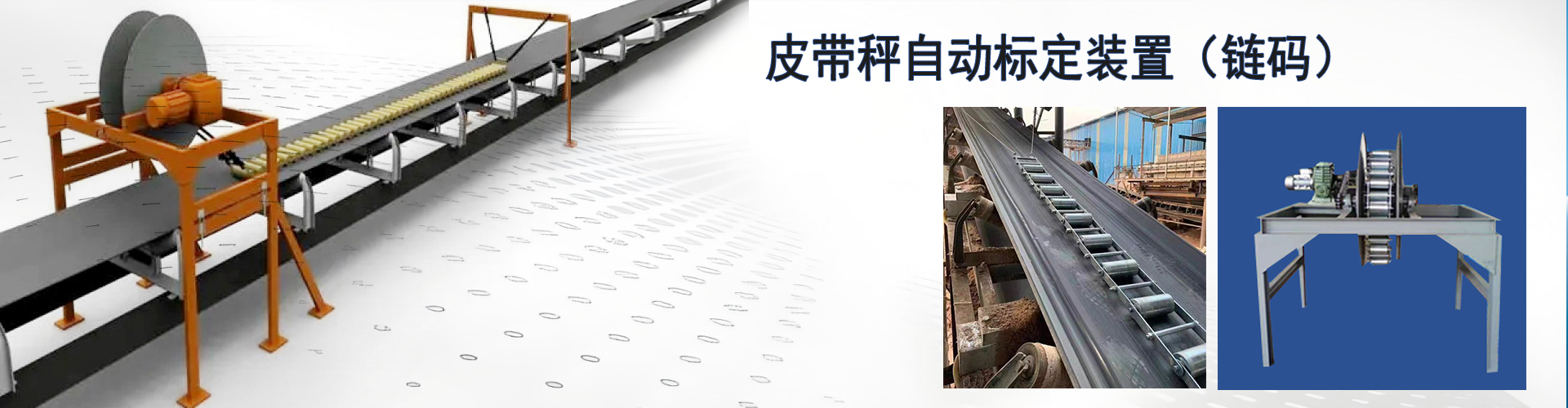
Furthermore, the electronic belt scale requires precise calibration. Due to prolonged use and interference from external factors, the measurement results of the electronic belt scale may deviate. Therefore, regular calibration is crucial for maintaining high precision. The calibration process includes steps such as calibration, linearization, and temperature compensation. Through accurate calculations and adjustments in these steps, errors can be eliminated, ensuring the accuracy of the measurements.
Additionally, the structure and material of the electronic belt scale significantly impact its accuracy. Firstly, the sensor components of the belt scale should be manufactured from high-quality alloy materials to ensure stability and reliability. Secondly, the appropriate belt width and length should be selected based on actual conditions to enhance weighing accuracy. Furthermore, the structure of the belt scale should be reasonably designed to minimize vibration and interference, thereby improving measurement precision.
In addition to hardware enhancements, the software system of the electronic belt scale plays a crucial role. Advanced algorithms and processing technologies enable accurate data analysis and elimination of errors caused by environmental interference. Furthermore, the design of the visual interface assists operators in real-time monitoring and adjustment of the scale's operational status, enhancing efficiency and accuracy.
In summary, achieving high precision in electronic belt scales requires optimization in various aspects, such as sensor technology, calibration, structural materials, and software systems. The continuous advancement of technological innovation will bring more possibilities for the development of electronic belt scales. We believe that with technological progress, the precision of electronic belt scales will continue to improve, providing more accurate weight measurement solutions for industrial production.


www.114global.com © Zhongshang 114 Hebei Network Technology Co., Ltd.Address: Room 6009, Oriental New World Center, No.118 East Zhongshan Road, Qiaoxi District, Shijiazhuang City, Hebei ProvincePlatform Service Hotline: 4006299930