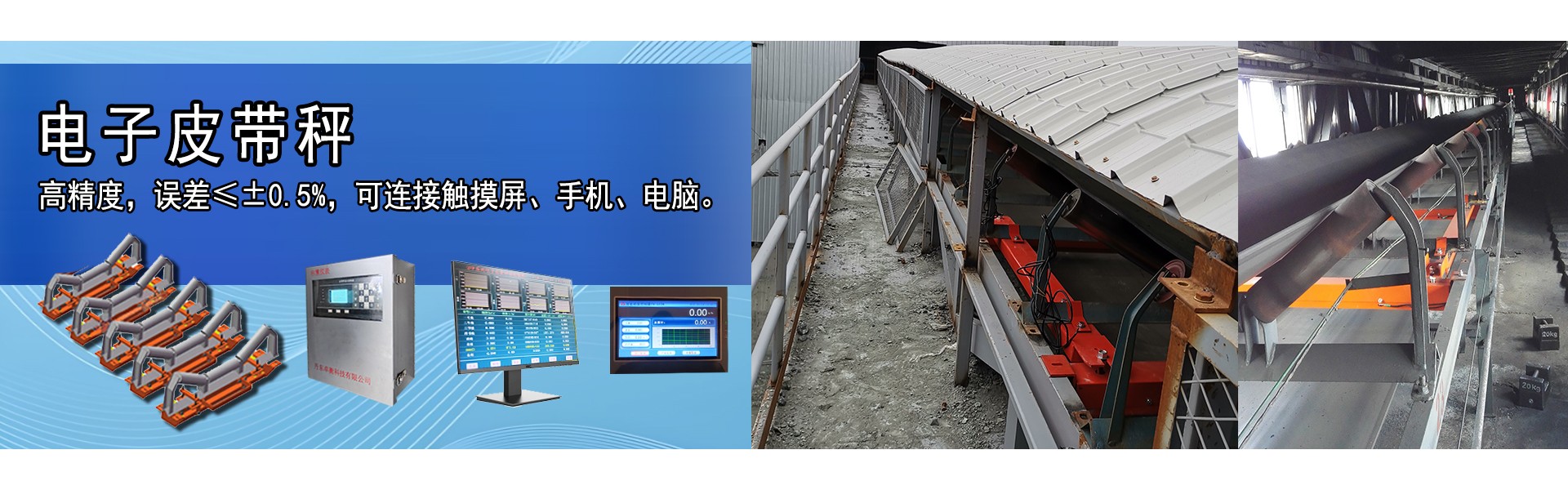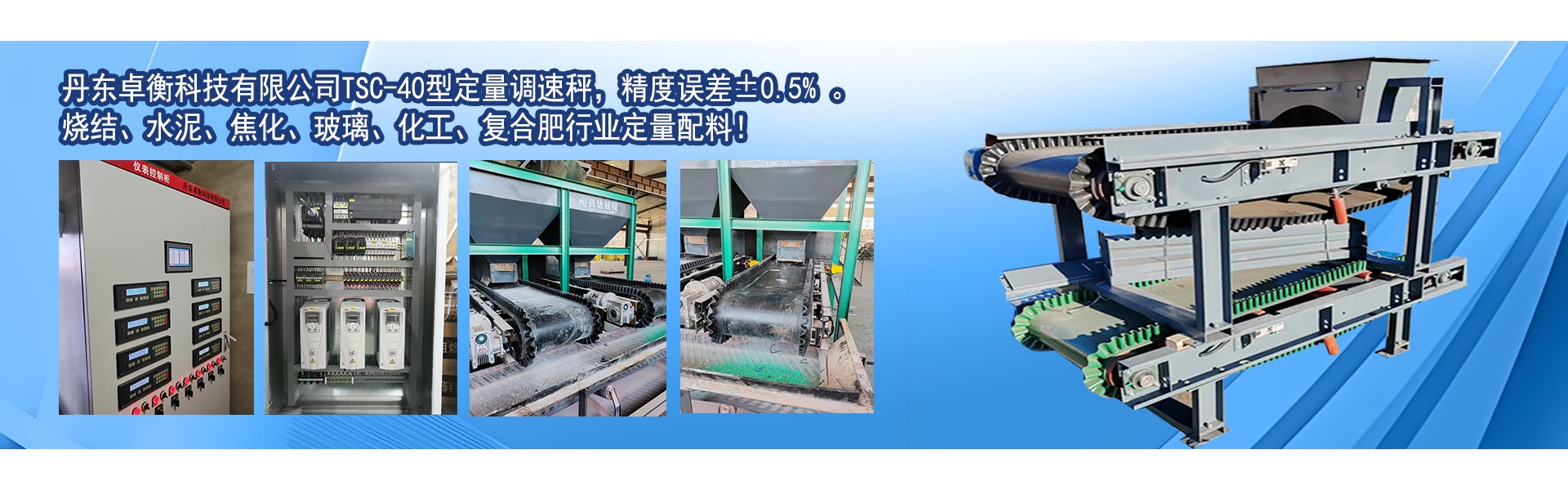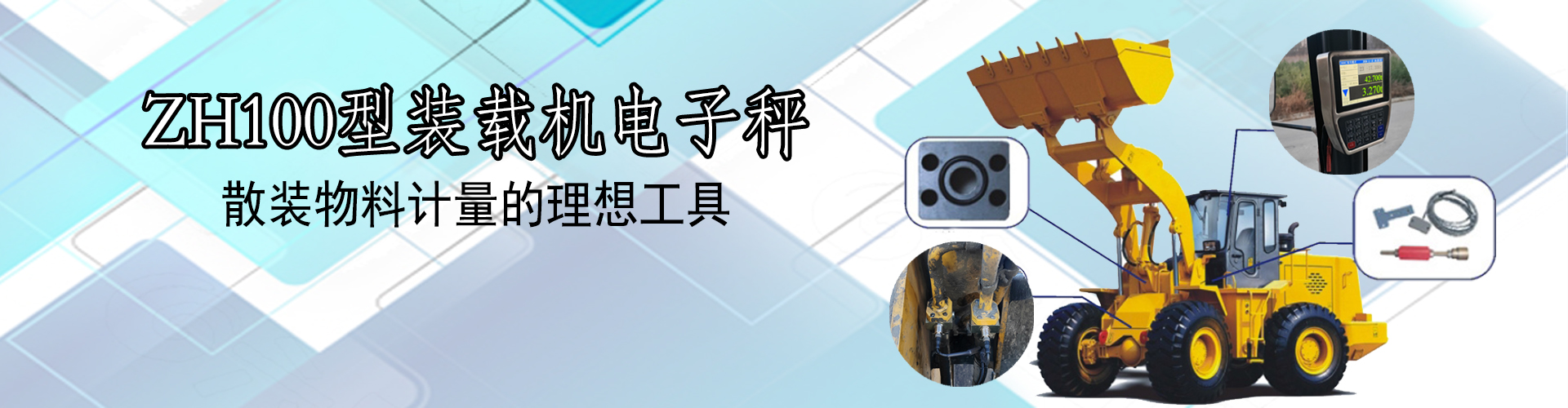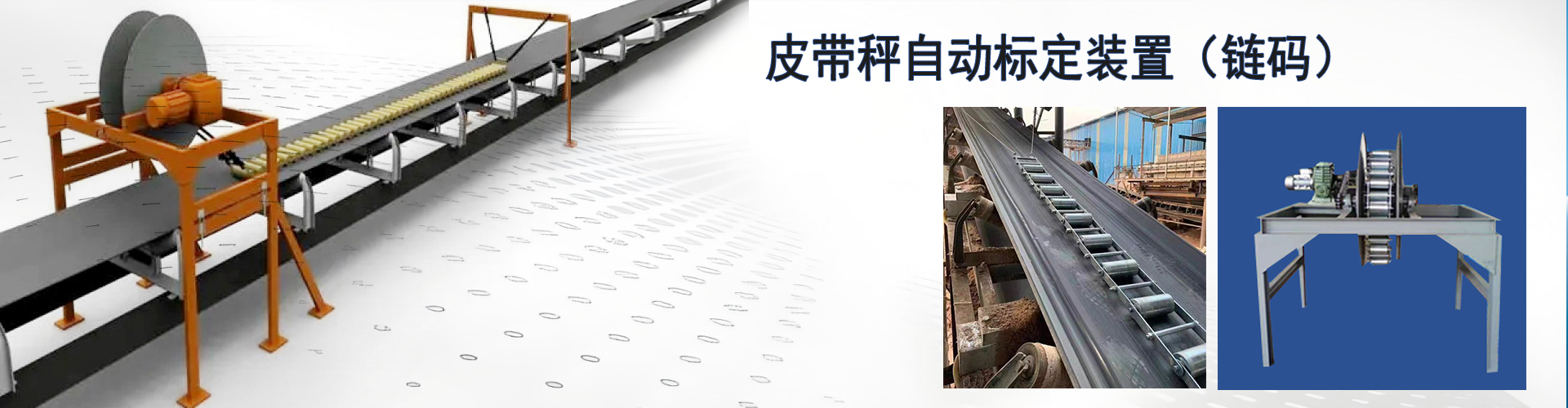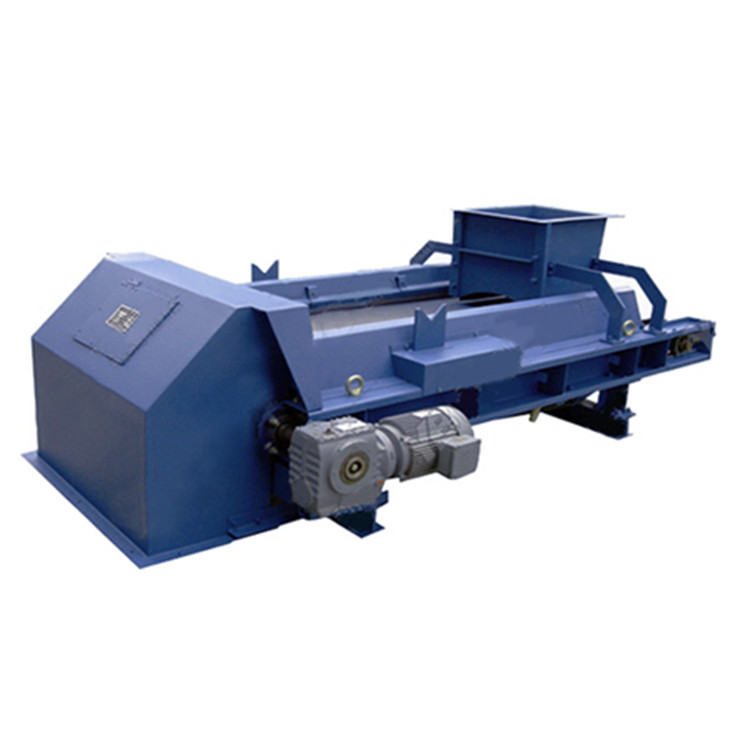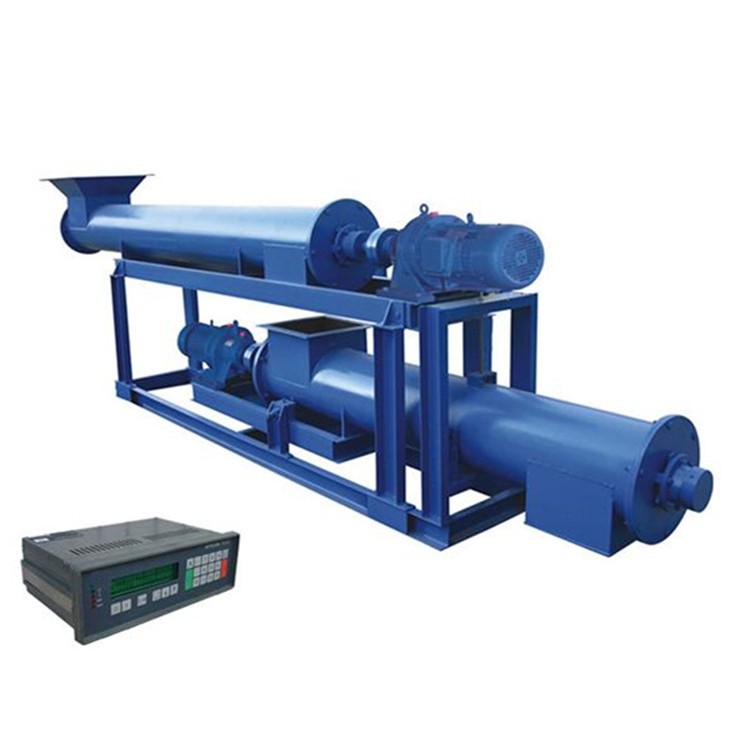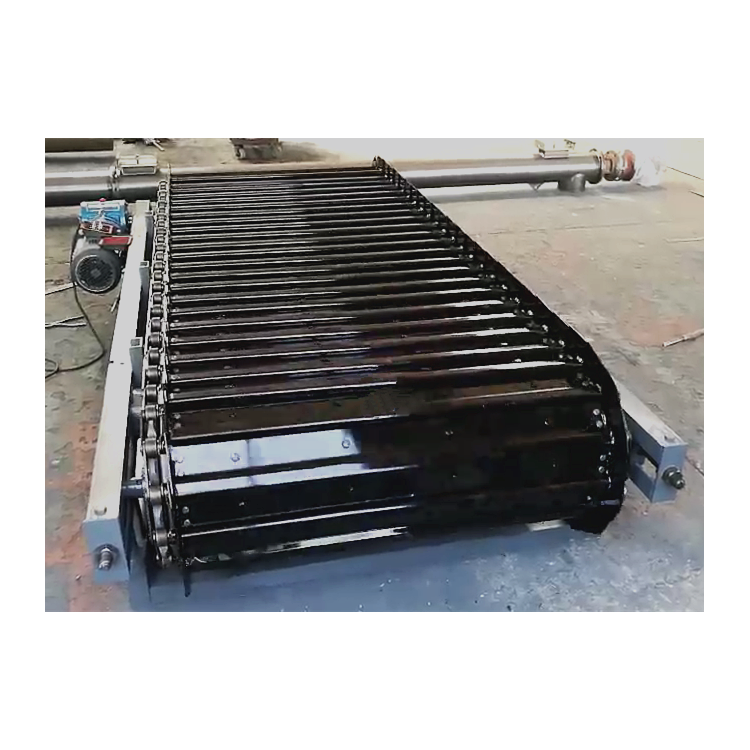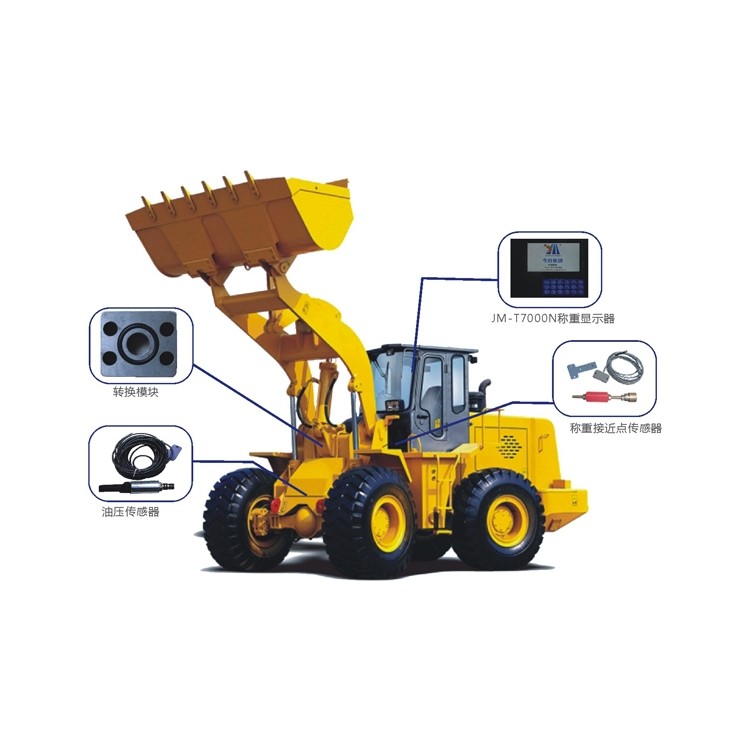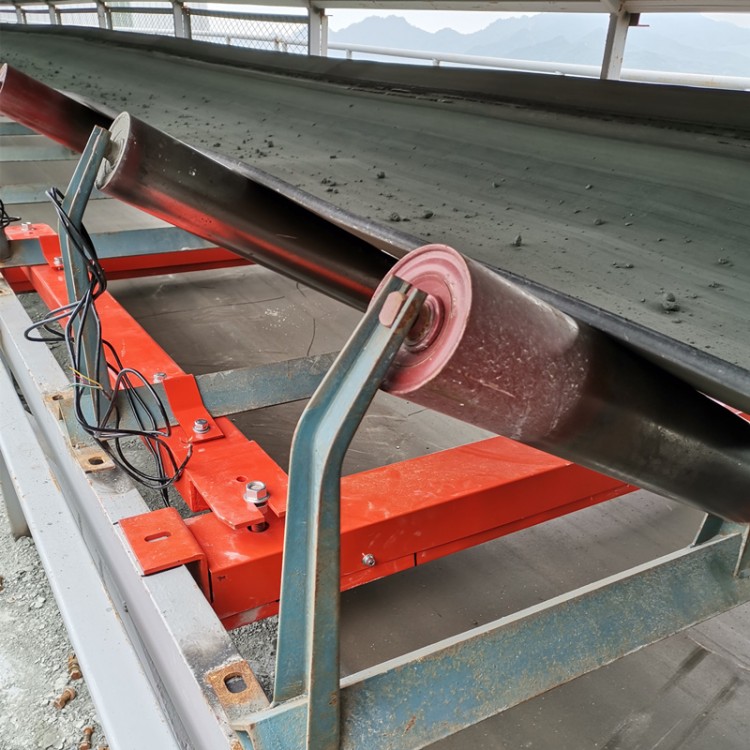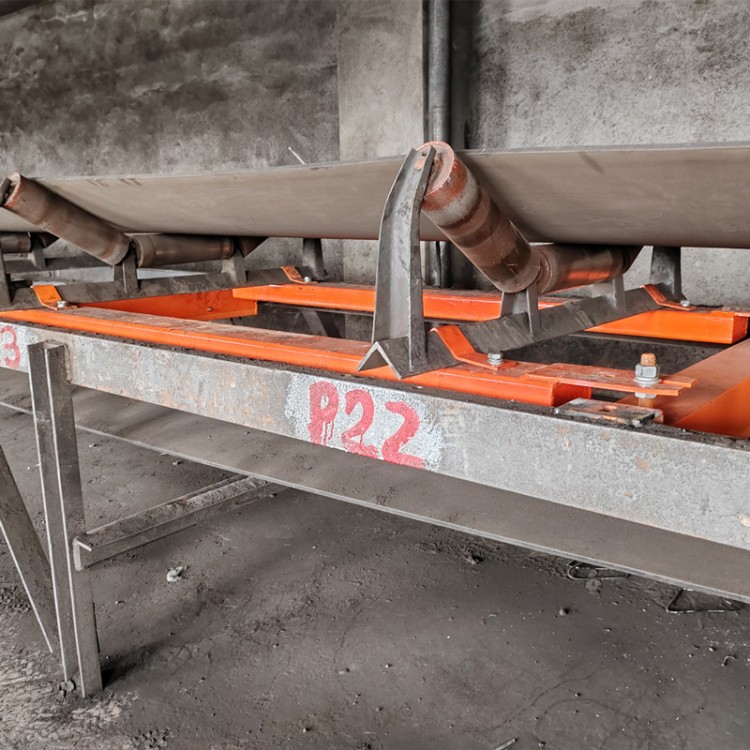
Electronic belt scales, hopper scales, packaging scales, ...

Weighting and batching issues during the limestone kiln charging process have long been a headache for manufacturers. Accurate batching is a crucial step in the limestone kiln production process, ensuring product quality and production efficiency. This article will provide a detailed introduction to the weighting and batching issues in the limestone kiln charging process and offer solutions to help enterprises optimize their production processes.
Current Situation of Weighing and Blending Issues
Accurate weighing of ingredients is crucial during the lime kiln production process to ensure product quality. However, traditional manual mixing methods have unavoidable errors, leading to unguaranteed product quality. Additionally, manual mixing is inefficient and extends production cycles, impacting the company's profitability.
Advantages of the Automated Weighing and Blending System
To address the aforementioned issues, many companies have begun to introduce automated weighing and batching systems. By utilizing weighing sensors, intelligent controllers, and computer software, these systems achieve precise control and monitoring of various ingredients during the batching process. The automated weighing and batching systems offer the following advantages:
1. High Accuracy: The automated weighing and batching system achieves precise weight measurements, significantly reducing batching errors and ensuring the stability of product quality.
2. High Efficiency: The automated system achieves rapid and continuous weighing and batching processes, enhancing production efficiency and shortening the production cycle.
3. Data Logging: The system automatically records data from each weighing and batching process, facilitating post-process data analysis and quality traceability for the enterprise.
Step-by-Step Implementation of the Automated Weighing and Blending System
To implement an automated weighing and batching system, the company must follow these steps:
1. Selecting the Right Equipment: Choose weighing sensors with high accuracy and stability, along with intelligent controllers, and integrate them with computer software.
2. Install Equipment: Follow the installation instructions to ensure proper operation of the equipment.
3. Calibrate the installed equipment to ensure the accuracy of measurement results.
4. Conducting Tests: Before the formal production, system testing is performed to verify the stability and reliability of the system.
5. Conduct Training: Train relevant personnel in the operation and maintenance of the automated weighing batching system.
Case Study: Application of the Automatic Weighing and Blending System
The automated weighing and batching system has been widely adopted. For instance, a lime kiln enterprise introduced such a system, which, through precise control and monitoring, successfully reduced batching errors, enhanced product quality, and increased production efficiency. Moreover, they utilized the system's data for quality analysis, continuously improving production processes, thereby further boosting the competitiveness of their products.
V. Summary
The weighing and batching process during lime kiln charging is a crucial production step. By introducing an automated weighing and batching system, companies can achieve precise weight measurements, enhance product quality and production efficiency. Additionally, the automated system can provide data support for quality analysis and improvement. Therefore, implementing an automated weighing and batching system is a significant measure for lime kiln enterprises to boost competitiveness.


www.114global.com © Zhongshang 114 Hebei Network Technology Co., Ltd.Address: Room 6009, Oriental New World Center, No.118 East Zhongshan Road, Qiaoxi District, Shijiazhuang City, Hebei ProvincePlatform Service Hotline: 4006299930