
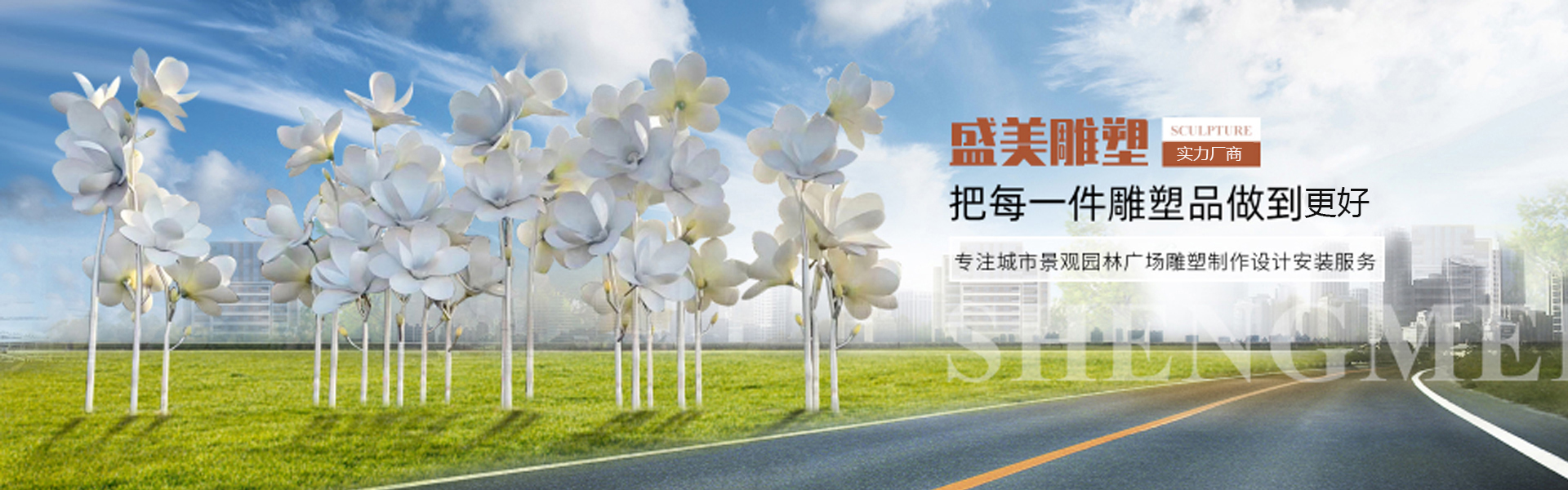
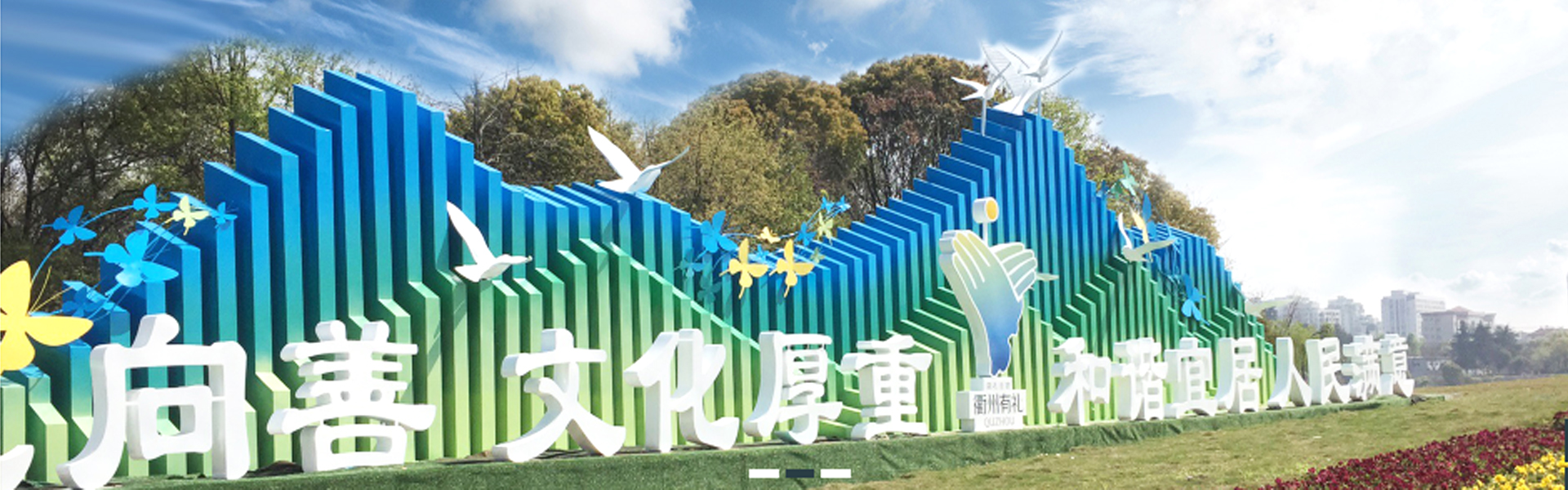
The advantages of fiberglass sculptures include:
Lightweight and High-Strength: Glass fiber reinforced plastics are relatively lightweight yet possess high strength and rigidity, making them easier to transport and install compared to traditional materials.
2. Corrosion-resistant: Offers excellent resistance to most chemicals, suitable for outdoor environments and various corrosive conditions.
3. Excellent molding properties: Enables the creation of intricate shapes and details through molds, offering high degrees of freedom and creativity.
4. Cost-Effective: Compared to other advanced materials, fiberglass is relatively cost-effective, making it attractive for projects with limited budgets.
5. Rich in Colors: Easy to color, offering a variety of colors and effects to meet diverse design requirements.
However, there are some drawbacks to glass fiber sculptures:
6. Relatively Low Durability: May experience cracking or fading issues when exposed to harsh environments for long periods or subjected to intense impacts.
7. Texture and quality may not match certain traditional materials: Some people believe that the texture and quality of glass fiber reinforced plastic are relatively inferior.
8. Potential Environmental Concerns: Some pollutants may be generated during the production process, and proper environmental treatment should be ensured.
9. Limitations: Under certain specific requirements, such as high temperatures or high-intensity demands, fiberglass may not be suitable.
It's important to note that specific pros and cons can vary depending on the application and requirements. When selecting glass fiber reinforced plastic sculptures, one should weigh their advantages and disadvantages and assess them according to the specific project needs. Moreover, reasonable design, manufacturing, and maintenance can greatly enhance their strengths and minimize the impact of their weaknesses.