
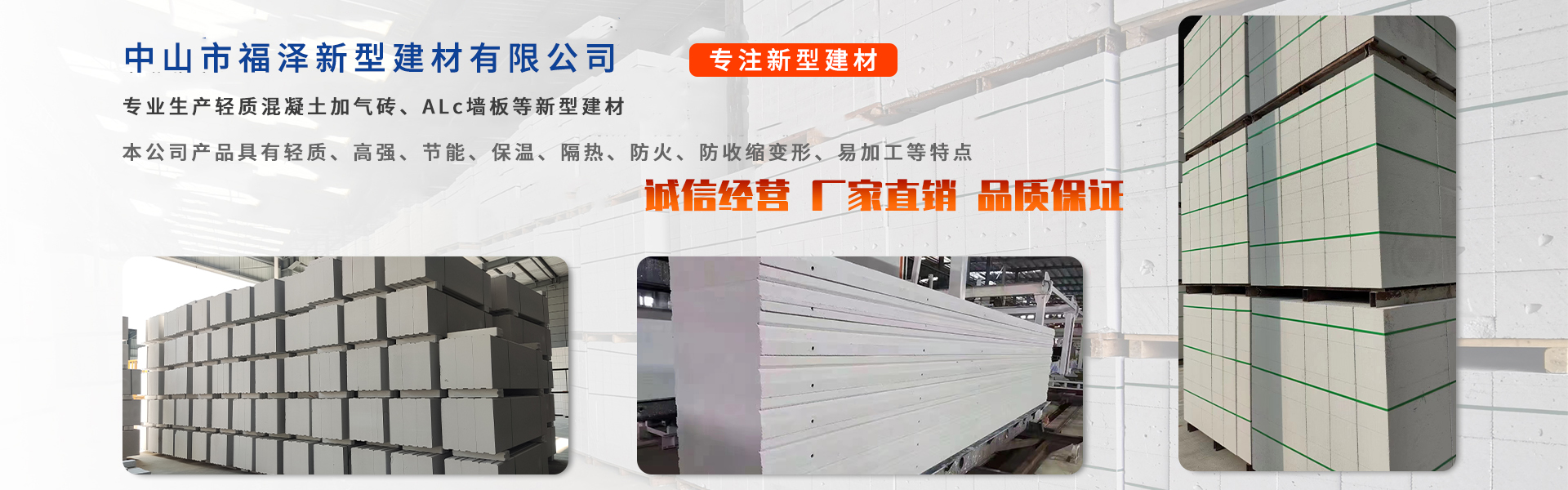
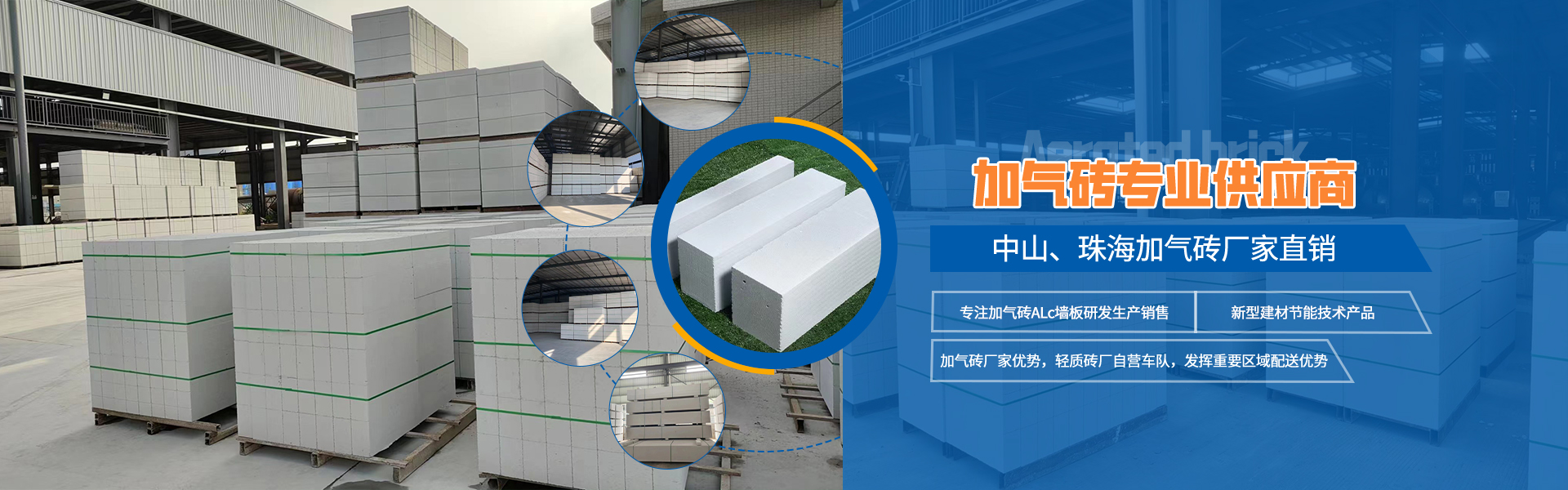
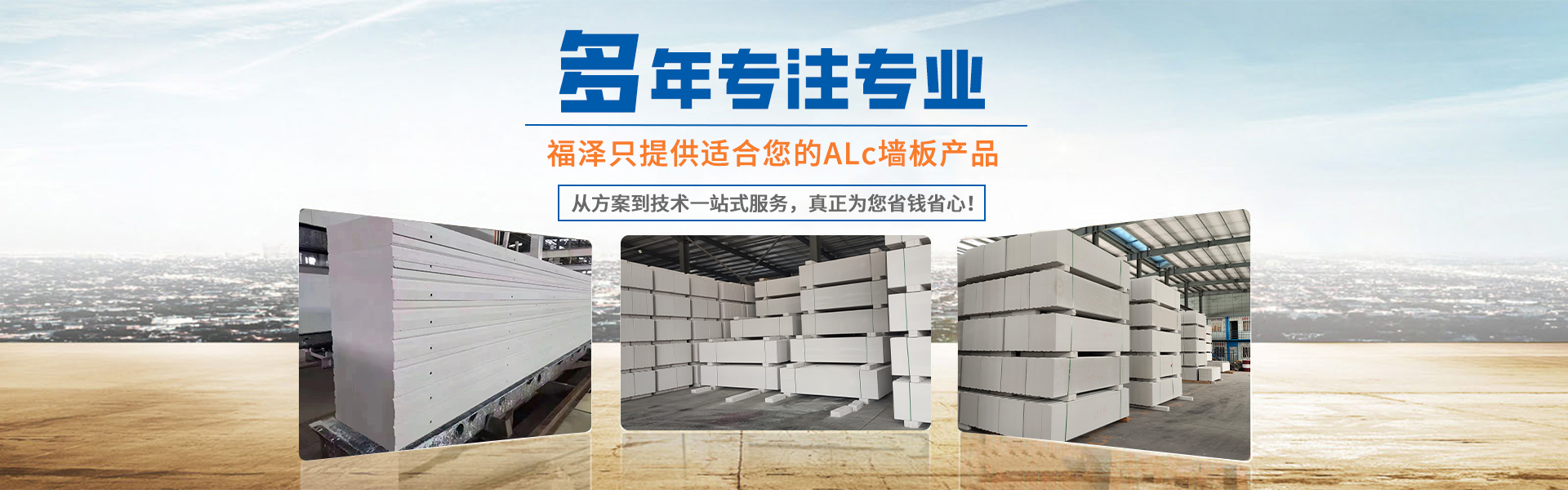

Expanded Block Introduction
I. Usage
Primarily used for wall filling in high-rise buildings and large-scale steel structures.
2. Insulation and thermal insulation materials for building walls and roofs.
3. Insulation for industrial furnace thermal preservation.
II. Product Features:
Bulk Density
Autoclaved aerated blocks are 40% to 50% lighter than traditional cement hollow bricks of the same size, with a density range of 200 to 1200 Kg/m3 (where water density is 1000 kg/m3). This effectively reduces the weight of buildings, minimizes foundation and structural investments, and lowers labor intensity during construction.
Insulation properties
Insulation blocks, used as exterior walls, boast a thermal conductivity coefficient of 0.1225 W/mK (three times that of traditional cement hollow blocks), a thermal resistance (R-value) of 1.63 K.m2/W, and a thermal transmittance (U-value) of 0.61 W/m2.K, meeting 65% of China's energy-saving residential insulation requirements.
3. Fire Resistance Performance
The raw materials and the products themselves of the aerated block are inorganic, non-combustible, and ideal for fire prevention. They have obtained an A1 rating for fire resistance (as per European standards) with a fire rating of 5 to 6 hours (compared to traditional cement hollow blocks: 55 to 75 minutes).
4. Soundproofing
Autoclaved aerated concrete is an excellent sound-absorbing material, with a sound insulation index (Rw) of 46 dB for a 200mm thick wall.
