
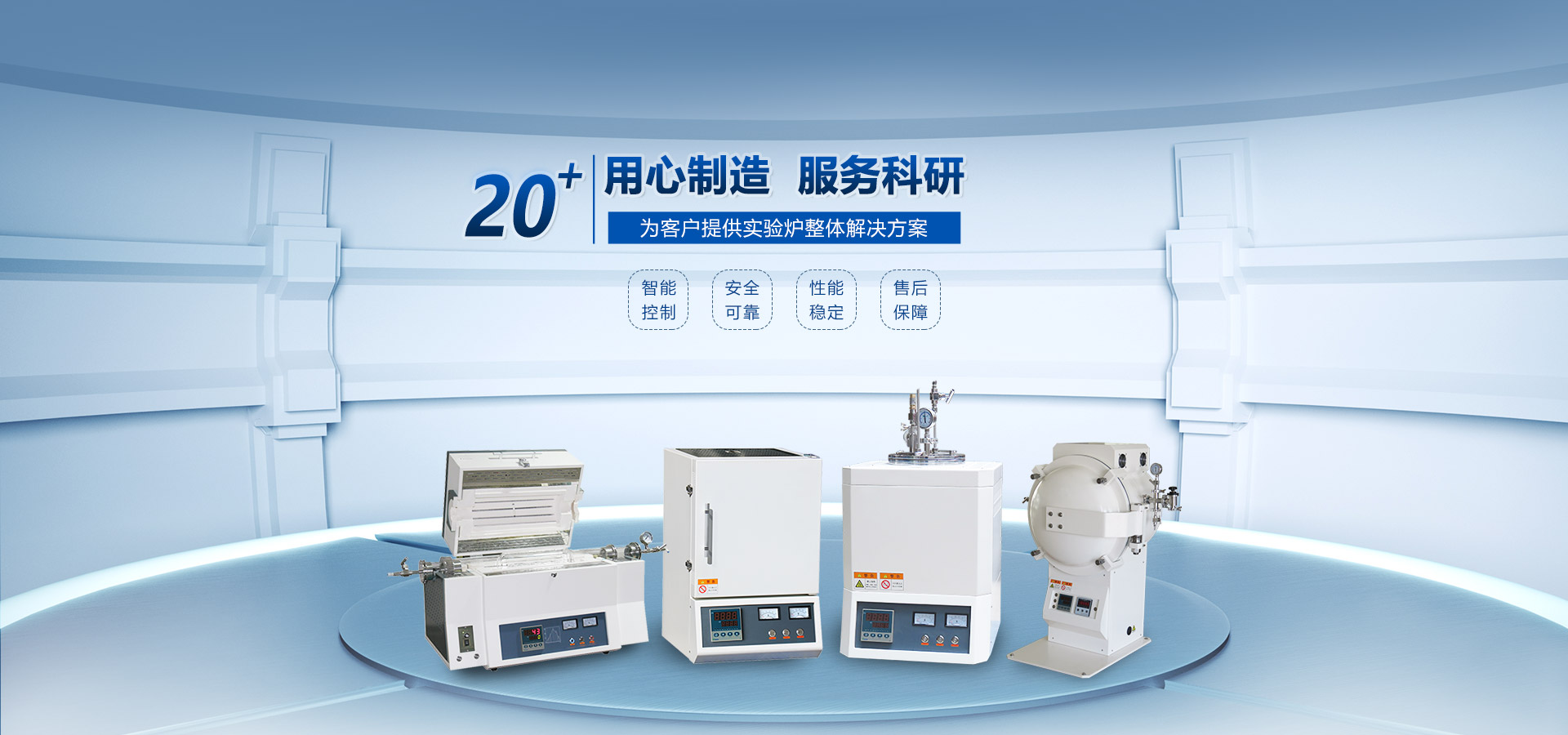
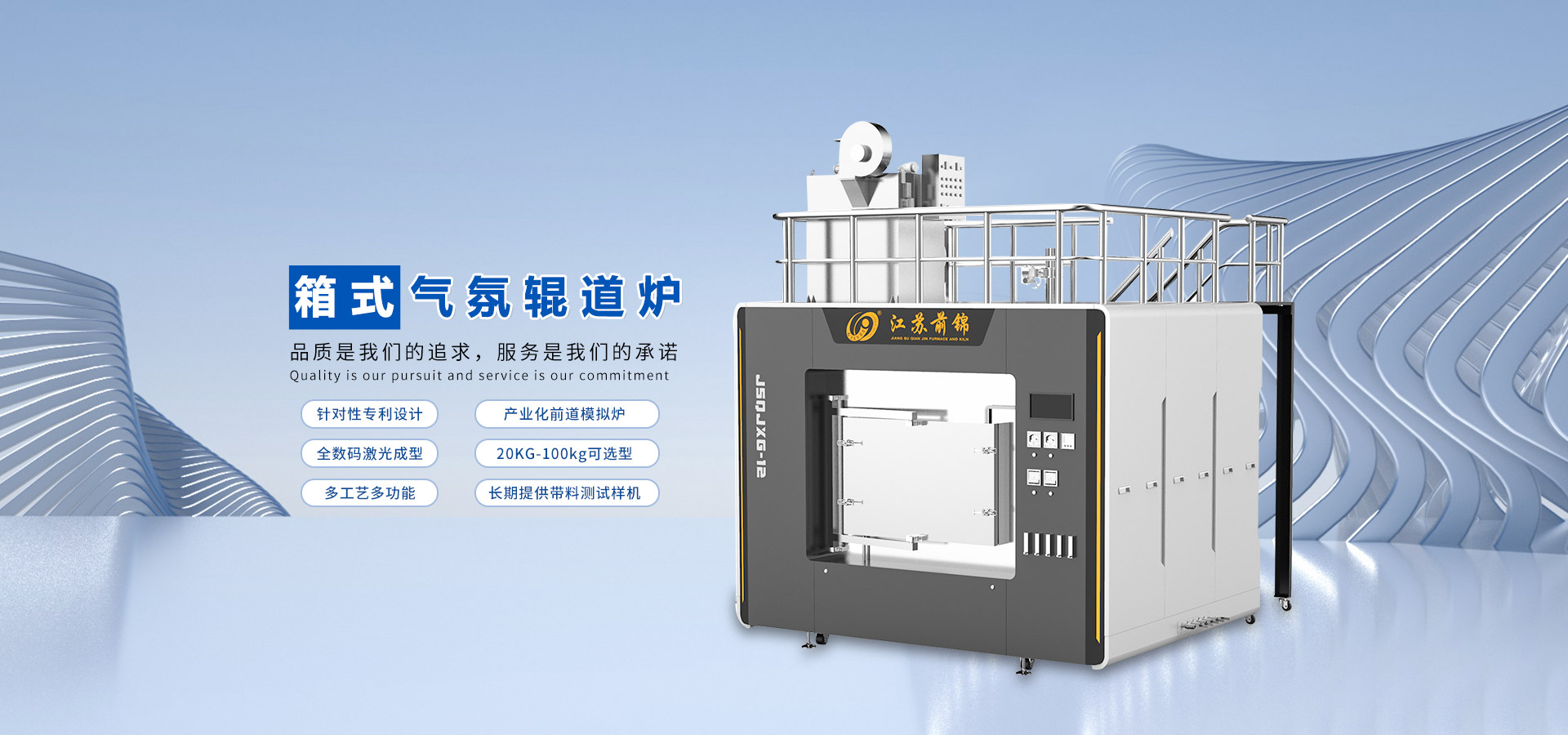
The muffle furnaces are all periodic operation type, using silicon carbide rods as heating elements, with a rated temperature of 1300°C. They are supplied for high-temperature heating applications such as heat treatment of alloy steel, metal sintering, dissolution, and analysis in laboratories, industrial and mining enterprises, and research institutions. Below, the muffle furnace manufacturer will introduce its types and maintenance precautions.
Types of Muffle Furnaces:
1. Differentiated by heating element, there are: electric furnace wire muffler furnaces, silicon carbon rod muffler furnaces, and silicon molybdenum rod muffler furnaces.
2. The muffler furnaces are generally classified by the temperature of use, including those below 1000 degrees Celsius (box type muffler furnaces), 1100 to 1300 degrees Celsius muffler furnaces (silicon-carbide rod muffler furnaces), and those above 1600 degrees Celsius use silicon molybdenum rod muffler furnaces.
3. Distinguishing by controller type, there are the following options: PID-regulated control muffle furnace (Silicon Controlled Rectifier Digital Temperature Controller), and program-controlled muffle furnace (Computerized Time and Temperature Controller).
4. Distinguishing by thermal insulation materials, there are two types: ordinary refractory brick muffle furnaces and ceramic fiber muffle furnaces.
Daily Maintenance and Care Precautions
1. When the muffle furnace is used for the first time or after a long period of disuse, it must be seasoned. The seasoning time should be four hours at a temperature range of 200℃ to 600℃. During use, the furnace temperature should not exceed the rated temperature to prevent damaging the electric heating elements. It is prohibited to pour any liquids or metals that are easily soluble into the furnace. The muffle furnace operates best at temperatures below 50℃ lower than the high temperature, which extends the lifespan of the heating wire.
2. The muffle furnace and controller must operate in environments where the relative humidity does not exceed 85%, free of conductive dust, explosive gases, or corrosive gases. When heating metal materials coated with oil or other substances, a large amount of volatile gas can affect and corrode the surface of the electrical heating elements, leading to their destruction and shortened lifespan. Therefore, timely prevention and proper sealing or venting of containers should be implemented during heating.
The muffle furnace controller should be used within an environmental temperature range of 0-40°C.
4. Regularly and frequently inspect the connections of the furnace and controller for proper wiring. The thermocouples connected to the controller may cause interference, resulting in erratic display values and increased measurement errors. This phenomenon is more pronounced at higher furnace temperatures. Therefore, ensure that the metal protective tubes (shell) of the thermocouples are properly grounded, and use three-wire thermocouples if necessary. In summary, take all effective measures to minimize interference.
Do not abruptly pull out thermocouples at high temperatures to prevent the sheath from bursting.
Keep the furnace chamber clean and promptly remove oxides and other substances.
During the process, when melting the sample or incinerating the precipitate with alkaline substances inside the furnace, strict control of operating conditions should be maintained. It is advisable to pre-lay a refractory board at the bottom of the furnace to prevent corrosion of the furnace chamber.