


 通过中商114认证
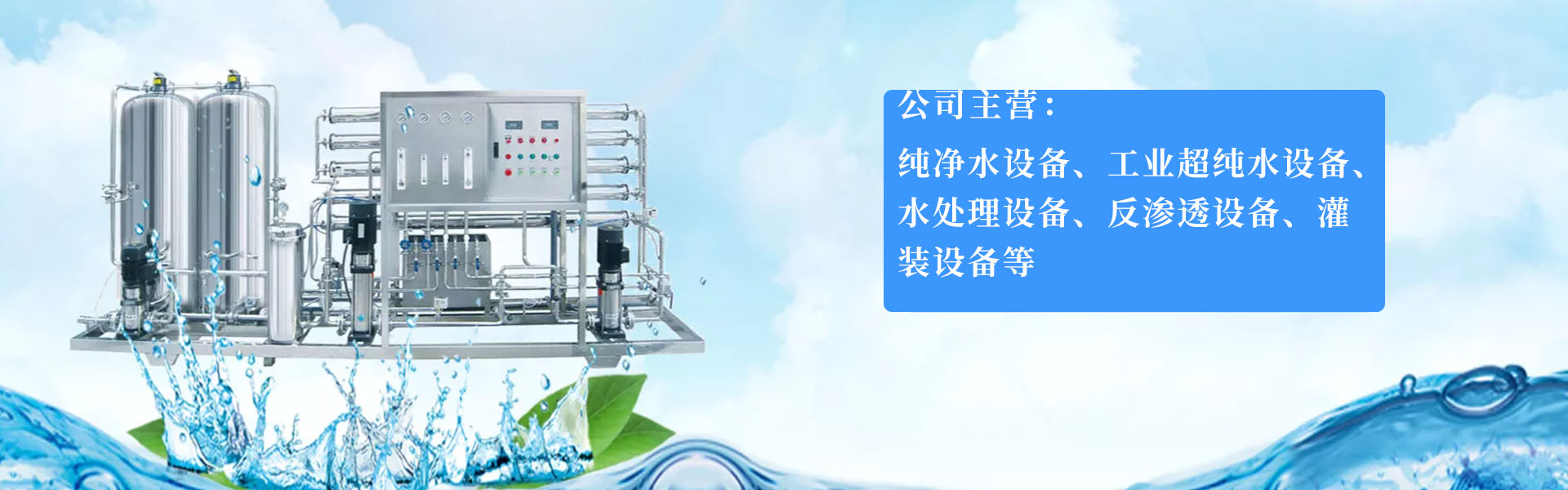
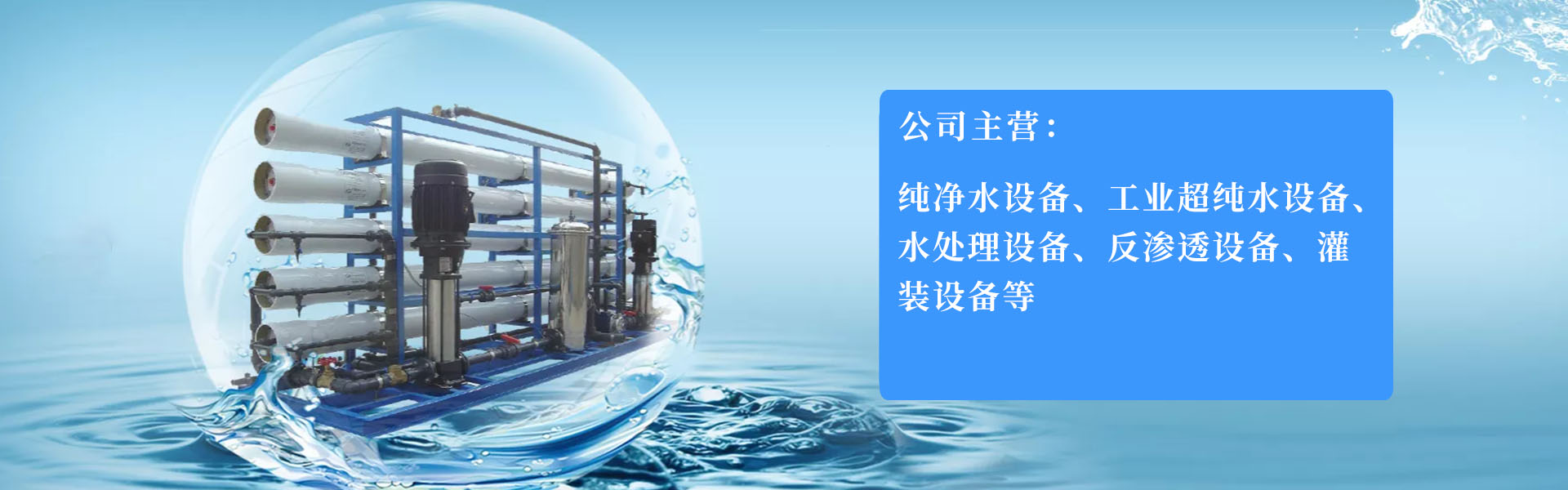
Based on the varying water quality of the source and the specific requirements of users, the process and structural composition of water treatment equipment can be divided into three steps: pretreatment, desalination, and refined treatment.
Pre-treatment
Including sand filtration, multimedia filtration, softening, chlorination, pH adjustment, activated carbon filtration, degassing, etc. The filtration can remove particles as small as 1 to 20 micrometers. Softening and pH adjustment prevent scaling of reverse osmosis membranes, chlorination is for sterilization. Activated carbon filtration removes organic matter and free chlorine, while degassing clears dissolved CO₂ in water.
Desalination
Our technologies include electrodialysis, reverse osmosis, and ion exchange. Electrodialysis operates by utilizing anion and cation exchange membranes to selectively permeate ions under the influence of an applied direct current electrical field, achieving desalination rates over 95%. Reverse osmosis is the reverse process of osmosis, applying pressure to a concentrated solution to allow the solvent to pass through a semi-permeable membrane from the concentrated side to the dilute side, resulting in desalination up to 98% and the removal of 99% of bacterial particles and dissolved organic matter. Ion exchange works by when water passes through anion exchange resin, the cations in the water are adsorbed by the resin. The exchangeable cations, such as H ions, are replaced in the water, combining with anions to form inorganic acids, such as ultra-pure water. When the water then passes through the cation exchange resin layer, the anions in the water are adsorbed by the resin. The exchangeable anions, such as OH ions, are replaced in the water, combining with the H ions to form water, resulting in ultra-pure water.
III. Refining Process
Incorporating ultraviolet sterilization, terminal membrane filtration, and ultrafiltration. Ultraviolet sterilization works by altering the structure of the nucleic acids within biological organisms through the absorption of UV light energy, thereby disrupting nucleic acid function and leading to bacterial death. The sterilization wavelength is 2600 angstroms. Various membrane filters can remove particles larger than 0.2 micrometers in diameter, but they are less effective in removing organic matter compared to reverse osmosis and ultrafiltration. Ultrafiltration involves separating various selective molecules. During the ultrafiltration process, water is forced through a rolled or hollow fiber membrane rod under pressure. The membrane pore size ranges from 10 to 200 angstroms, with film thickness between 0.1 to 0.5 micrometers, attached to the inner wall of a fiber rod with a medium pore size. Ultrafiltration can remove bacteria and particles as small as 0.05 micrometers.
