

Principle of Operation
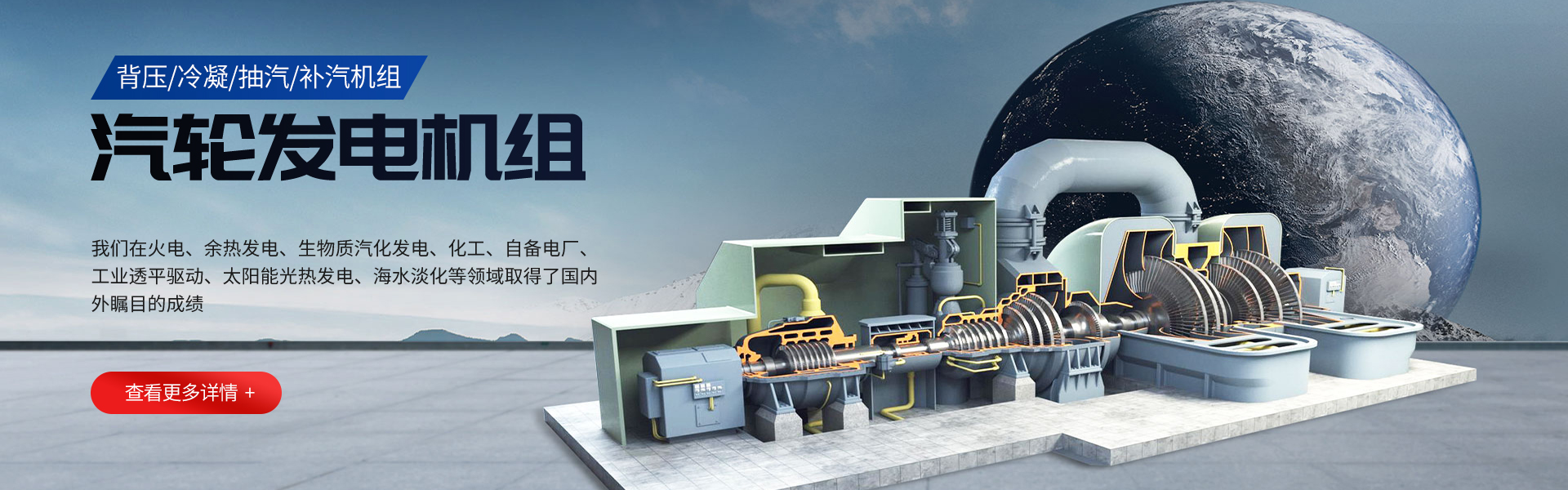
The working principle of a back-pressure condensing steam turbine is based on the thermodynamic cycle of steam and the process of expansion and work. Specifically, the high-pressure, high-temperature main steam enters the turbine, pushing the blades to rotate and generate work while its temperature and pressure decrease. In the subsequent stages of the turbine, the added low-pressure steam continues to drive the blades to rotate and further perform work. The steam condenses into water in the turbine's exhaust cylinder and is discharged from the system. Throughout this process, the steam's thermal energy is converted into mechanical energy, which is then transformed into electrical energy by the generator.
Technical Advantages
Environmental Protection and Energy Efficiency: The supplementary steam condensing turbine improves the utilization of steam energy by adding low-pressure steam for work, thereby achieving environmental protection and energy conservation.
Adaptable: The back-pressure condensing steam turbine can accommodate various fuels and operating conditions, such as natural gas, oil, and coal, enhancing the system's flexibility and reliability.
Environmental Emission Reduction: The concentration of pollutants emitted during the operation of the back-pressure condensing steam turbines is relatively low, resulting in minimal impact on the atmosphere and environment, in compliance with environmental protection standards.
