

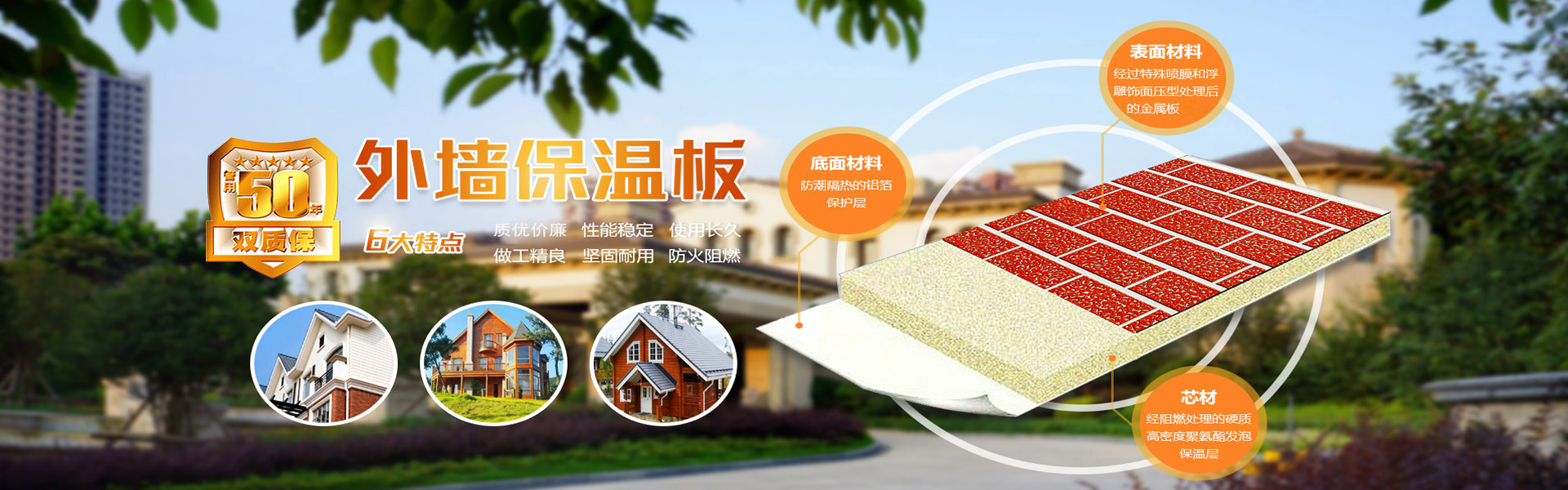
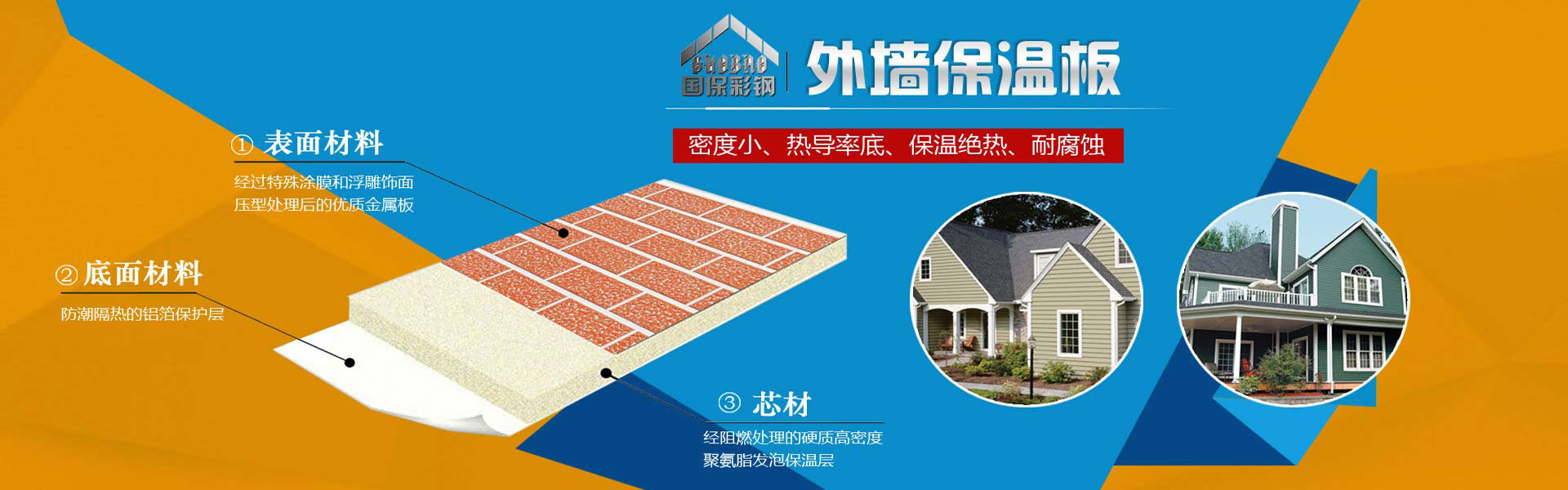

There are generally two methods for the adhesive application of exterior thermal insulation boards:
1. Dot Box Method: This is a common adhesive technique, involving applying adhesive around the edges of the board and making dots in the center. The adhesive area should be no less than 30%. After the board is adhered, subsequent boards should align closely with the original board to minimize gaps. Additionally, the gaps between layers of boards should be butted together, not aligned with each other.
Applicable Conditions: For walls with poor flatness.
2. Strip bonding method: The specific method involves bonding the roll materials to the subgrade in strip form, with each roll material having at least two bonding surfaces to the subgrade, and each strip being no less than 150mm wide. The overlap between roll materials should be fully bonded, and the layered laying should also be fully bonded.
Application Conditions: For walls with good flatness.
Key considerations include the following:
When a minor defect occurs on one side of an external thermal insulation board due to reasons such as packaging and transportation, that side should be treated as the adhesive side.
2. Apply the adhesive to the insulation board and firmly press it onto the wall. When attaching the next board, push it from the side to align with the previous one, ensuring the joints between the boards are tightly sealed. At the wall corner brackets, extend the glass fiber mesh to the bottom edge of the bracket, and trim off the excess with a knife.
3. When applying thermal insulation boards, gently rub the seams, ensuring even and firm compression. The seams of the thermal insulation boards should be staggered, and adjacent exterior wall insulation boards should be flush. When adhesive mortar extrudes, scrape it off immediately with a trowel to prevent "head灰" between the insulation boards. The gaps between the thermal insulation boards should not exceed 2mm. If the gaps are larger than 2mm, fill them with thermal insulation strips, ensuring the strips are not bonded together and never use adhesive to directly fill the gaps.
4. The difference in height between thermal insulation boards must not exceed 1.5mm. Where the height difference is greater than 1.5mm, a gentle circular motion should be used to grind the surface smooth after the adhesive has hardened.
5. When attaching thermal insulation boards parallel to the wall at the corners of doors and windows, ensure there are no gaps at the open angles. The boards should be applied as a single piece at these points. Before粘贴, first cut the insulation board at the opening of the door and window.
6. When applying thermal insulation panels along windows and doors, the adhesive panels should extend beyond the original window and door frames by a certain distance, equal to the combined thickness of the insulation panel and adhesive at the window and door edges.
7. Insulation panels at the corners of door and window openings should be cut into shape from a single piece, without any joints. Waterproofing treatment should be applied at the junctions of the external insulation system with the building components or materials using expansion seal strips.


通过中商114认证