
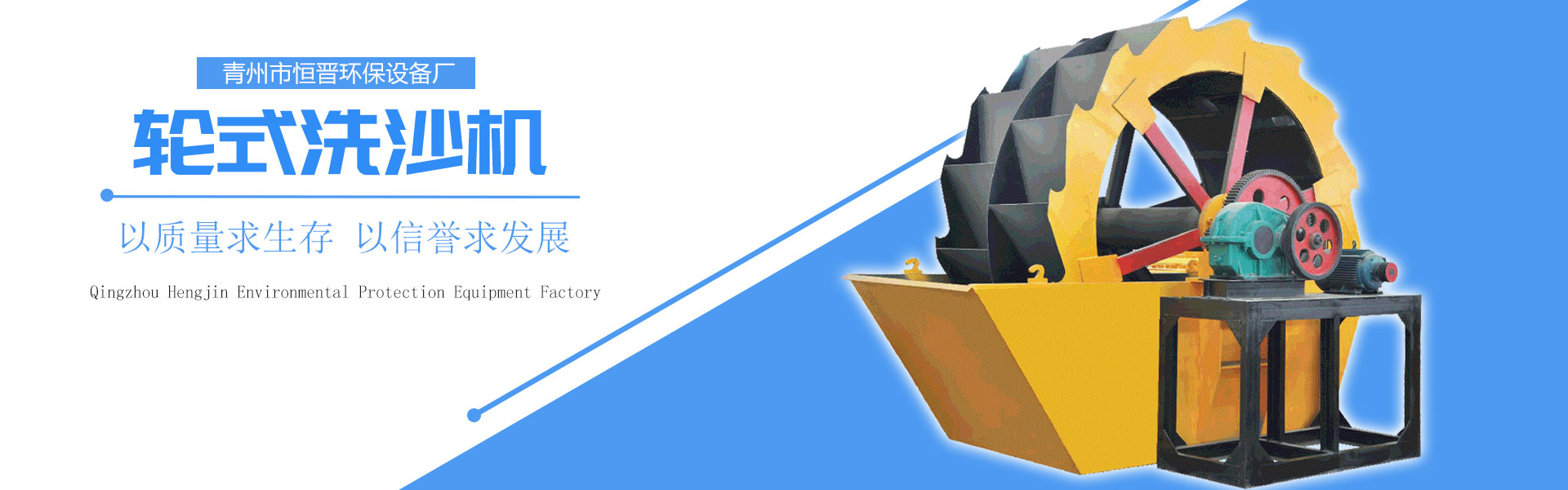
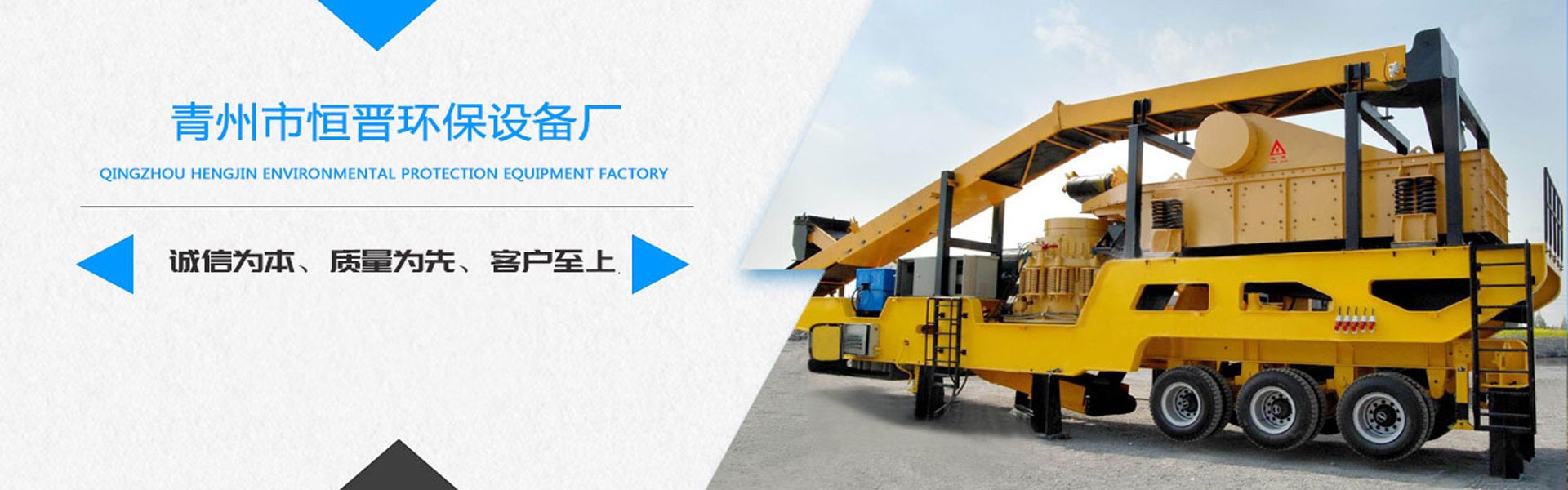

The sand and gravel separator's mixer truck arrives at the designated location, press the start button, and the main separator and pump automatically fill the truck with water (adjustable time: 3-5 minutes). After the pump stops, the flushing pump automatically activates. Meanwhile, the truck rotates to clean internal concrete residue and then discharges the waste into the separator's discharge tank. The flushing pump at the end of the tank washes the water into the main separator. At this point, the separator drum rotates, with the inner screw extruding stones from one end and the outer screw discharging sand from the separator's side. The entire process is controlled by both manual and automatic means. Waste from the mixing station's main unit can be dumped into the unloading hopper by a loader, with manual control over the entire water addition and separation process.
The sand and gravel separator is an indispensable part of the construction industry. This separator can significantly enhance work efficiency. The water supply system uses recycled water for cleaning, which essentially achieves zero waste water discharge and prevents water resource waste, making it energy-efficient and environmentally friendly. Today, let's share with you the precautions to consider when installing a sand and gravel separator as outlined by our editor.
Due to the significant twist of the machine, it is recommended to install it on a concrete foundation, and embedded welding parts should be installed and welded during the installation process. The depth and area of the foundation should be calculated based on the soil conditions. It is suggested that the weight of the foundation be approximately three times the weight of the machine. The installation dimensions of the machine can be found in the foundation drawings.
After installation, check if the reducer's gear size has shifted, and if the gap between the water tank and the large drum is consistent. Adjust and secure the machine after making any necessary changes.
3. Add lubricant and adjust the oil level height. Generally, try to position the shaft below the center.
4. After the sand and stone separator is installed and debugged, it undergoes a trial run. The no-load trial run should achieve:
(1) Run continuously for 2 hours.
Solid pieces should be firm and free of loose parts.
(3) The reducer and gearbox operate without any abnormal noise.
5. In addition to the requirements for no-load trial operation, the load trial operation should meet the following requirements:
(1) When receiving materials, avoid strong impacts on the water tank. Do not load or add substances to the tank to prevent damage to the drum and vehicle body.
The feeding level should meet the design requirements.


通过中商114认证