
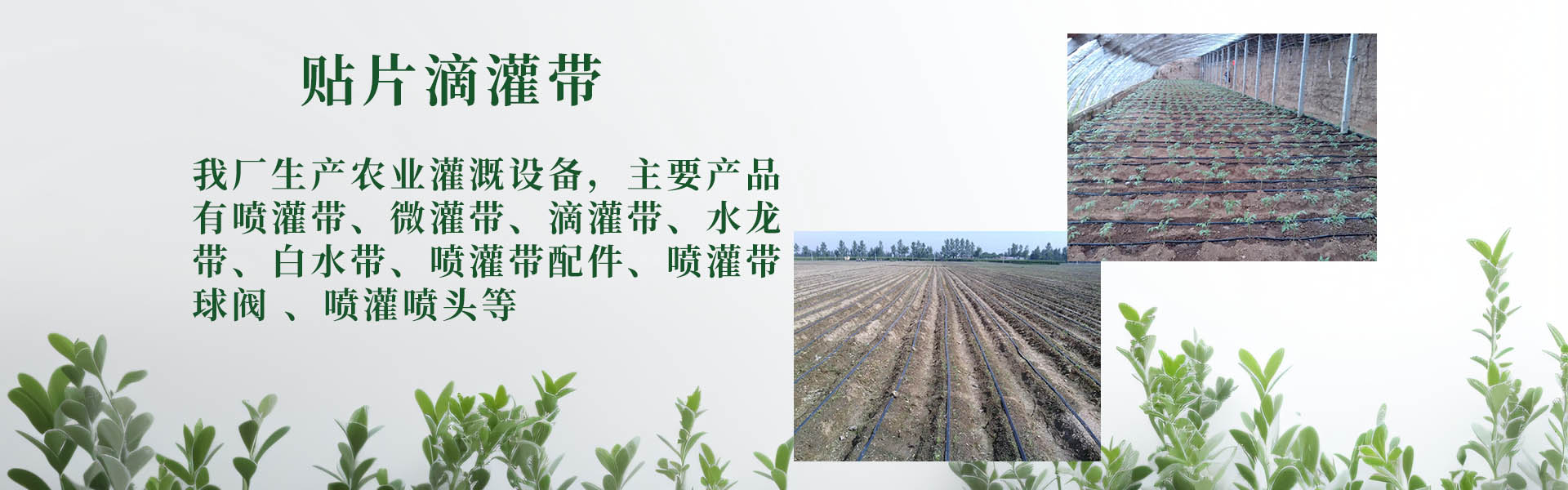

1. Installation of Drip Irrigation Equipment: This includes water sources, pumps, filters, irrigation pipes, and drip tapes, among others. The installation of the drip tapes must be done according to the instructions or under the guidance of a professional.
2. Determine irrigation time and quantity: Determine the irrigation time and quantity based on the crop's growth requirements and soil moisture. Generally, during critical growth periods of the crop, it is necessary to increase the frequency and quantity of irrigation.
3. Adjust Drip Irrigation Tape Placement: Position the drip irrigation tape appropriately according to the crop's growth needs to better supply water to the plants.
4. Maintenance and Care: Regularly inspect drip irrigation equipment, including filters, irrigation pipes, and drip lines, to ensure proper operation. Additionally, clean the drip lines before irrigation to prevent clogs.
